Quick Guide
If you've landed here searching for "Oriental axolotl," chances are you're caught in a classic case of pet name mix-up. I was too, years ago, when a friend proudly showed me their "little axolotl" that looked nothing like the pink, feathery-gilled creature I knew from pictures. Turns out, they had a fire-bellied newt. This mix-up is incredibly common in the pet trade and online forums. The term "Oriental axolotl" isn't a scientific name—it's more of a pet store nickname, often mistakenly used for a completely different, though equally fascinating, amphibian: the Oriental fire-bellied newt.
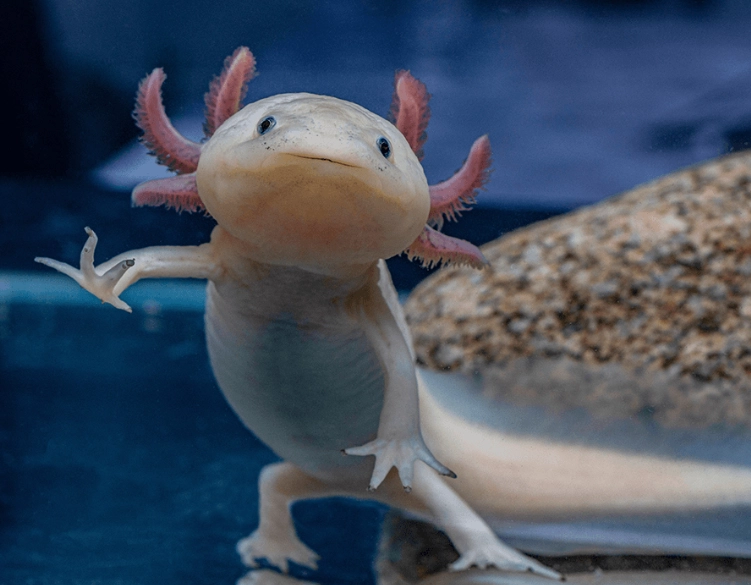
Let's get this straight right off the bat. The famous axolotl (Ambystoma mexicanum) is from Mexico. It's neotenic, meaning it keeps its larval features like external gills for life. The creature often sold as an "Oriental axolotl" is typically the Chinese or Japanese fire-bellied newt (species like Cynops orientalis or Cynops pyrrhogaster). These are Asian, fully metamorphosing salamanders. They lose their gills, develop lungs, and can live both in water and venture onto land. Calling them an "Oriental axolotl" is like calling a leopard a "spotted lion." They're related, sure, but they're distinct animals with different needs.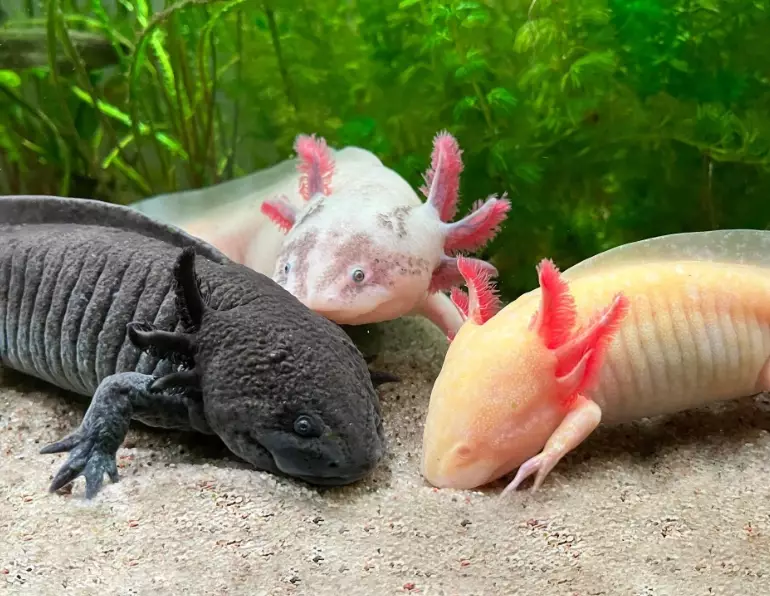
Meet the Real Star: The Oriental Fire-Bellied Newt
Forget the confusing name for a second. The fire-bellied newt is a fantastic pet in its own right. I've kept them for over a decade, and their vibrant orange or red undersides—a warning to predators that they're mildly toxic—never fail to impress. They're active, curious, and have personalities you can actually observe. While an axolotl is like a permanent, aquatic baby, a fire-bellied newt is more like a graceful, semi-aquatic adult salamander.
Their care is different from an axolotl's, and that's where many well-meaning owners go wrong. They're not just a "smaller, cooler-looking axolotl." They have their own rulebook. Understanding this is the first and most crucial step to keeping them healthy and happy.
Axolotl vs. Fire-Bellied Newt: A Side-by-Side Reality Check
To really hammer home the difference, let's lay it out clearly. This isn't just academic; it affects everything from the tank you buy to the food you serve.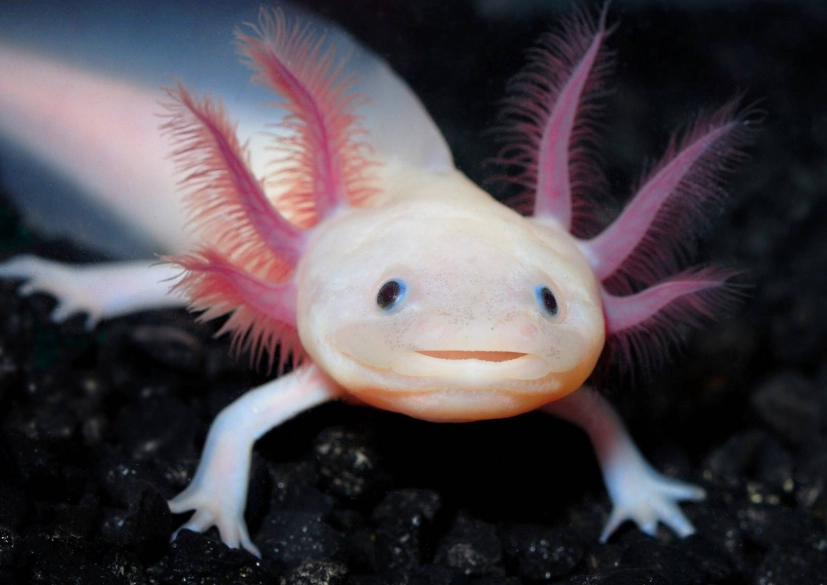
| Feature | Axolotl (Mexican) | Fire-Bellied Newt ("Oriental Axolotl") |
|---|---|---|
| Origin | Xochimilco, Mexico | China, Japan, Korea |
| Adult Lifestyle | Fully aquatic, permanent larva | Semi-aquatic (needs land area) |
| Gills | Large, feathery, external (lifelong) | Absent in adults (breathe through lungs/skin) |
| Temperature | Cool: 60-64°F (16-18°C) is ideal | Cool to moderate: 65-72°F (18-22°C) |
| Size | Larger: 9-12 inches | Smaller: 3-5 inches |
| Toxicity | Not significantly toxic to humans | Mild skin toxins (wash hands!) |
| Common Nickname | Mexican walking fish | Often mislabeled as "Oriental axolotl" |
See what I mean? Starting with the wrong care sheet because of a name mix-up is a recipe for stress—for you and the newt. I learned this the hard way when my first newt seemed lethargic; I had the water too deep and too cold, treating it like the axolotl it wasn't.
The Complete Fire-Bellied Newt Care Guide (No More Guesswork)
Okay, so you have or want one of these little orange-bellied charmers. Here's the down-to-earth, practical guide I wish I had when I started, free from the "Oriental axolotl" confusion.
Setting Up the Perfect Paludarium (It's Not Just a Fish Tank)
The biggest mistake is putting them in a fully filled aquarium. They are not fish. They need a paludarium—a setup with both water and land. A good rule of thumb is 50/50 or 60% water to 40% land. You can create land with a large piece of driftwood, a platform of rocks, or commercial turtle docks. The land area must be easy to climb onto and completely dry.
Filtration is non-negotiable, but the current must be gentle. A sponge filter is your best friend here. It provides biological filtration without creating a torrent that will stress out your newt. For substrate in the water area, use large, smooth river pebbles that are too big to be swallowed. Bare bottom is also perfectly fine and makes cleaning easier.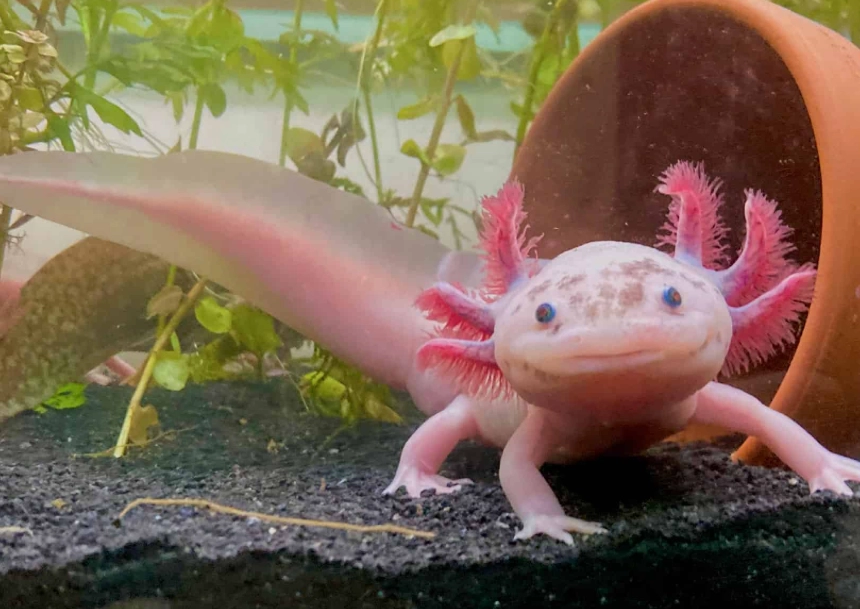
Water Quality: The Invisible Make-or-Break Factor
This is where many beginners slip up. Fire-bellied newts have permeable skin, making them super sensitive to chemicals and waste.
- Chlorine/Chloramine: You MUST use a water conditioner for any tap water. Letting water "sit out" only removes chlorine, not the more stable chloramine used in many municipal supplies.
- Ammonia & Nitrite: These are poison. Zero. Always. A fully cycled tank is essential before you add your newt. This process can take 4-6 weeks. Don't rush it.
- Nitrate: Keep it below 20 ppm through regular partial water changes (about 25% weekly).
- pH: They prefer neutral to slightly acidic water (pH 6.5-7.5). Wild swings are more harmful than a stable, slightly "off" number.
I test my water every week without fail. It's boring, but it's cheaper than a vet visit. A reliable liquid test kit is a better investment than any decorative castle.
What to Feed Your "Oriental Axolotl" (Hint: It's Not Fish Flakes)
In the wild, they eat small invertebrates. Replicate that. They are carnivores.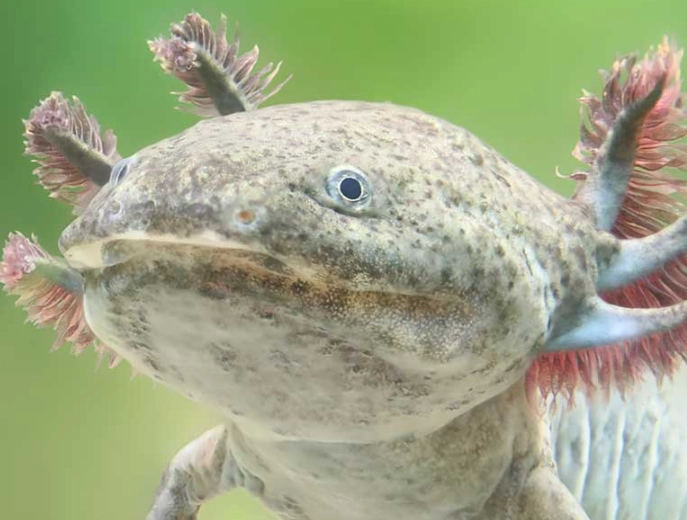
Staple Diet:
- Live or frozen bloodworms (a major favorite) >Live blackworms >Chopped earthworms (nightcrawlers) >Live brine shrimp (for variety)
Occasional Treats: Small crickets, waxworms, or pellets specifically formulated for newts and salamanders. Don't use axolotl pellets as a primary food; the nutritional balance isn't quite right.
Feed adults 2-3 times a week. Juveniles need daily feeding. Remove any uneaten food after 15 minutes to avoid fouling the water.
Common Health Issues & How to Spot Them Early
Even with perfect care, things can happen. Knowing the signs is key.
Skin Problems (Fungal/Bacterial): Look for white, cottony patches or red sores. Often caused by poor water quality or injury. Improving water conditions is the first step. For persistent issues, a quarantine bath in a mild salt solution (following expert guidance) may help, but severe cases need a vet.
Stress: Refusing food, floating oddly, or frantic swimming. Check your water parameters immediately. Is the temperature too high? Is there ammonia? Is the filter current too strong?
Impaction: If you use gravel that's too small, they might eat it by accident. This is fatal. Stick to large pebbles or bare bottom. Symptoms include lethargy and a swollen belly.
Let's be real—finding an exotic vet who knows about newts can be tough. Prevention through proper setup and maintenance is 95% of the battle. The AmphibiaWeb database is a fantastic, authoritative resource for species information and can help you understand their natural biology better.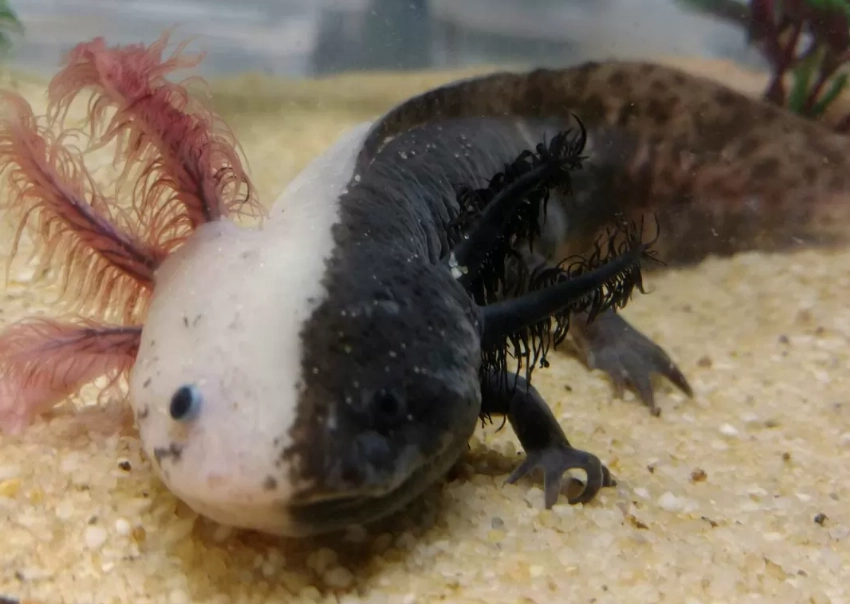
Your "Oriental Axolotl" Questions, Answered Honestly
Conservation and Ethical Considerations
This is a point that doesn't get talked about enough. While many fire-bellied newts in the pet trade are captive-bred, their wild cousins face pressures from habitat loss and pollution. The axolotl, of course, is critically endangered in the wild.
Choosing a captive-bred pet is the most ethical choice. It puts no pressure on wild populations and generally results in a hardier, healthier animal. Supporting breeders who prioritize animal welfare over quick sales helps the entire hobby. You can check the conservation status of specific species on the IUCN Red List, a global authority on species threat levels.
Also, never, ever release a pet newt (or any pet) into the wild. It's illegal in most places and can introduce diseases or become an invasive species, causing ecological havoc.
A Final, Personal Thought
The journey from hearing about an "Oriental axolotl" to understanding and caring for a fire-bellied newt is a microcosm of responsible pet ownership. It's about looking past the catchy name and committing to the real, living creature's needs. They're not decoration; they're a long-term commitment (they can live over 10 years!).
When you get it right—when you see them actively hunting, climbing onto their land area to rest, displaying their brilliant bellies—it's incredibly rewarding. It's a slice of a unique ecosystem right in your home. Ditch the confusing "Oriental axolotl" label. Embrace them for what they are: captivating, resilient, and wonderfully unique Oriental fire-bellied newts. Your care, and their well-being, will be all the better for it.
If you're looking for more detailed, scientific information on amphibian care and biology, institutions like the CDC's healthy pets site offer good general guidelines on safe handling and hygiene, which is crucial for any amphibian keeper.
Reader Comments