In This Guide
- Is a Spanish Ribbed Axolotl the Right Pet for You?
- Setting Up the Perfect Home: Beyond the Basics
- The Daily (and Weekly) Grind: Feeding and Maintenance
- Health: Reading the Signs and Solving Problems
- Finding Your Spanish Ribbed Axolotl: A Buyer's Guide
- Answering Your Burning Questions
- The Bigger Picture: Conservation and Ethics
Let's be real. You probably saw a picture of a smiling, frilly-faced creature that looks like a Pokemon and fell down a rabbit hole. Now you're here, wondering if you can actually keep one of these things called a Spanish ribbed axolotl. I was in your exact spot a few years back. The internet is full of stunning photos and confusing, sometimes conflicting advice. My goal here is to cut through the noise and give you the straight talk on what it's really like to care for one of these amazing animals.
First, a quick clarification. "Spanish ribbed axolotl" is a bit of a common name mash-up. Scientifically, we're talking about a specific variant of the Mexican axolotl (Ambystoma mexicanum). The "ribbed" part is key—it refers to individuals with a more pronounced, almost ridged appearance along their back and sides, a trait some enthusiasts selectively breed for. So, when you're looking for a Spanish ribbed axolotl, you're essentially looking for a unique-looking Mexican axolotl. They have the same care requirements, but that distinctive look is what sets them apart.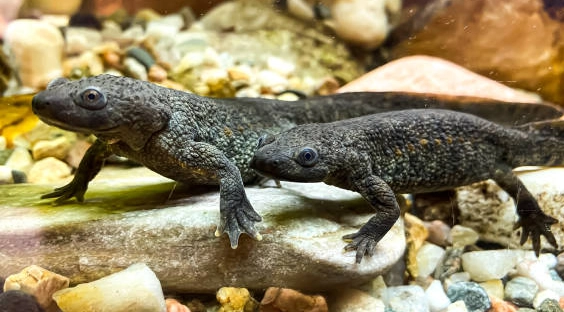
Core Fact Check: All axolotls are native to only one place in the world: the canal systems of Lake Xochimilco in Mexico City. They are critically endangered in the wild, with threats like pollution and invasive species. Every pet axolotl is part of a thriving captive-bred population, which is a good thing for the species' preservation. You can verify their conservation status on the IUCN Red List.
Is a Spanish Ribbed Axolotl the Right Pet for You?
This isn't a goldfish. It's a long-term commitment to a sensitive, aquatic creature. Before you get lost in the cuteness, ask yourself these questions.
Do you have the patience for a pet you can't cuddle? They are look-don't-touch animals. Stress from handling is a major issue. Are you prepared to keep a tank consistently cool, year-round, even in summer? Can you handle feeding them live or frozen worms? If you answered no to any of these, an axolotl might not be your jam. And that's okay! It's better to know now.
My first summer with my axolotl, Gilbert, was a panic. I hadn't fully planned for the heat wave. I ended up wrapping frozen water bottles in towels and floating them in his tank like a mad scientist. It worked, but it was stressful. Lesson learned the hard way—you need a permanent cooling plan.
What You're Really Signing Up For
Let's break down the reality, good and bad.
The Good: They are incredibly fascinating to watch. Their feathery gills wave gently, they walk on their toes along the tank bottom, and they have hilarious, derpy feeding responses. They can live 10-15 years with proper care, so they're a longtime companion. They don't need daily interaction, making them suitable for people with busy schedules (but not forgetful people!).
The Not-So-Good: They are messy. Their waste is substantial, demanding a robust filtration and cleaning routine. They are escape artists if given the chance. They can be picky eaters. They require specific, stable water parameters—this isn't a "set it and forget it" tank. And finding a vet who knows axolotls can be a challenge and expensive.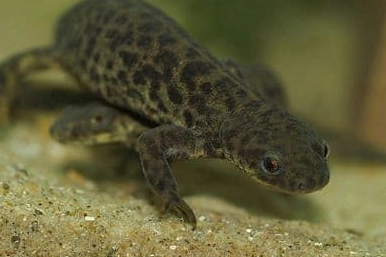
Setting Up the Perfect Home: Beyond the Basics
This is where most beginners trip up. A small tank and a cheap filter won't cut it. A proper setup is your single biggest investment in your Spanish ribbed axolotl's health.
Tank Size: The old "10-gallon minimum" advice is outdated and cruel in my opinion. For one adult Spanish ribbed axolotl, start with a 20-gallon long tank (30 inches in length). 29-gallon or 40-gallon breeder tanks are even better. More water volume means more stable water parameters and less frequent cleaning. Trust me, your future self will thank you.
Substrate: This is a huge debate. Bare-bottom tanks are easy to clean but offer no traction. Large, smooth river rocks (bigger than the axolotl's head) work. My personal preference, and what I use for Gilbert, is very fine, inert sand. It allows for natural digging behavior and poses no impaction risk if it's fine enough. Never use gravel. They will eat it, it will get stuck, and it can be fatal.
The Non-Negotiables: Filtration, Cooling, and Hiding
You need a filter that provides good mechanical and biological filtration but does not create a strong current. Axolotls hate fast water. Canister filters (like Fluval or Eheim) are the gold standard because you can control the flow and they hold lots of media. Sponge filters powered by an air pump are a fantastic, low-flow, and affordable option.
Cooling. I can't stress this enough. Spanish ribbed axolotls need cold water, ideally between 60-64°F (16-18°C). Temperatures above 70°F (21°C) cause stress, illness, and death.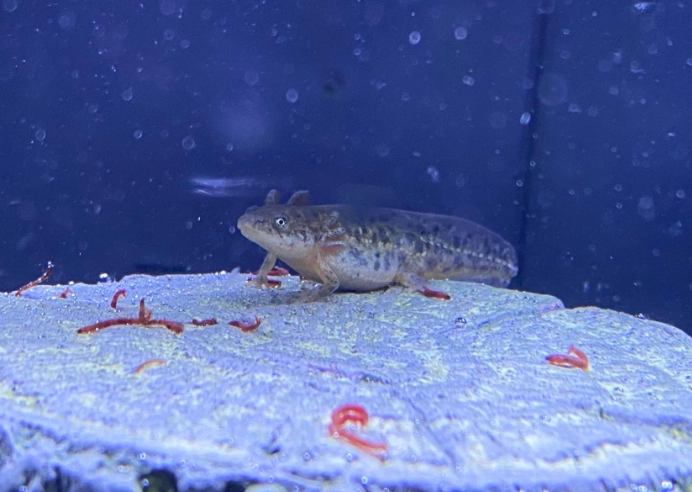
| Cooling Method | How It Works | Pros | Cons |
|---|---|---|---|
| Aquarium Chiller | An external device that cools water like an AC unit. | Precise, set-and-forget, most effective. | Very expensive upfront, bulky. |
| Fans | Clip-on or standing fans blowing across the water surface. | Inexpensive, can drop temp by 2-5°F. | Increases evaporation, less effective in humid climates. |
| Room AC | Keeping the entire room cool. | Good for you and the axolotl, consistent. | Can be costly to run 24/7. |
Hiding spots are not decorative; they are essential for axolotl mental health. Provide at least two opaque hides (ceramic pots, PVC pipes designed for aquariums, commercial caves) so they can get away from light and feel secure.
The Daily (and Weekly) Grind: Feeding and Maintenance
What do you feed a smiling amphibian? Their diet is protein-based. Variety is key to good health.
- Earthworms/Nightcrawlers: The absolute best staple food. Nutritious and promotes good gut health. You can buy them from bait shops or breed your own.
- Salmon Pellets: High-quality, sinking carnivore pellets. Reputable brands like Hikari make axolotl-specific pellets.
- Frozen Bloodworms & Brine Shrimp: Good as occasional treats or for tempting picky eaters, but not a complete diet.
Feed adults 2-3 times a week. Juveniles need daily feeding. A good rule of thumb is to offer an amount of food equal to the size of their head.
Maintenance is straightforward but non-negotiable. You'll need a liquid test kit (API Freshwater Master Test Kit is the community standard) to check for ammonia, nitrite, and nitrate. Do partial water changes of 20-30% weekly, using a gravel vacuum to suck up waste from the substrate. Always treat new tap water with a dechlorinator like Seachem Prime.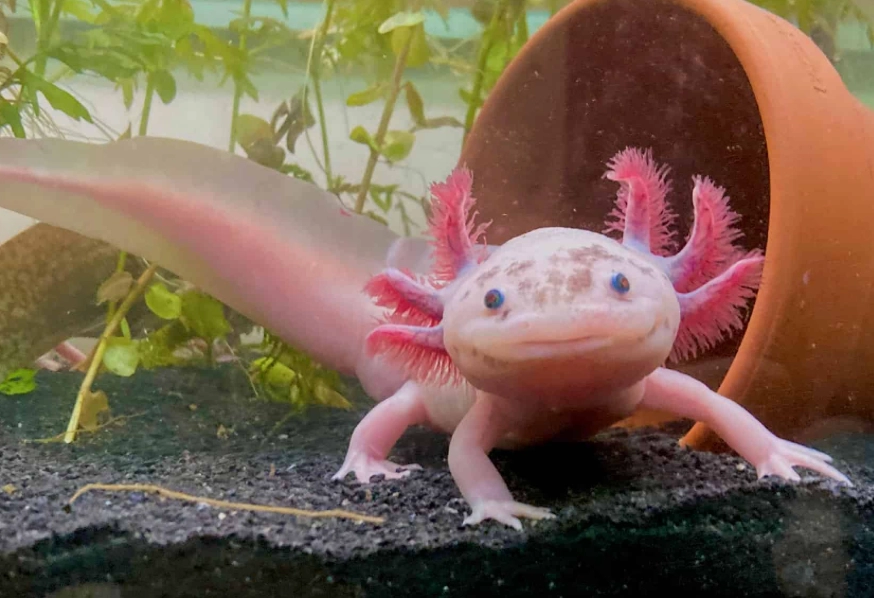
Cycling Your Tank is NOT Optional. This is the #1 beginner mistake. You must establish beneficial bacteria in your filter before adding your Spanish ribbed axolotl. This process, called the nitrogen cycle, can take 4-8 weeks. Adding an axolotl to an uncycled tank exposes it to toxic ammonia and nitrite, which will burn its gills and skin and likely kill it. It's the most critical step in setup. The Fishkeeping World guide to cycling explains it in detail.
Health: Reading the Signs and Solving Problems
A healthy Spanish ribbed axolotl has fluffy, full gills, a thick body, a straight tail, and is alert and active (for an axolotl—active is relative). Here are common issues you might face.
Gill Shrinkage: The feathery parts of the gills recede. This is almost always a water quality issue (high nitrates, ammonia) or a sign of water that's too warm. Fix the water, and they usually grow back.
Floating/Imbalance: If they're struggling to stay on the bottom, it could be constipation (common) or a more serious internal issue. Try feeding a peeled, cooked pea as a laxative. If it persists, it's vet time.
Fungus:
Fungus: Looks like white, cottony fluff on the gills or body. It's often secondary to an injury or poor water conditions. Salt baths (using pure aquarium salt, not table salt) are a common first-aid treatment, but you need to get the dosage and timing exactly right. Research thoroughly or consult a vet.
Refusing Food: Don't panic immediately. They can go off food during temperature spikes, after a water change, or sometimes for no apparent reason. Try offering a different food (a wiggly worm often works). If the fast lasts more than a week with a healthy-looking adult, start investigating water parameters and temperature.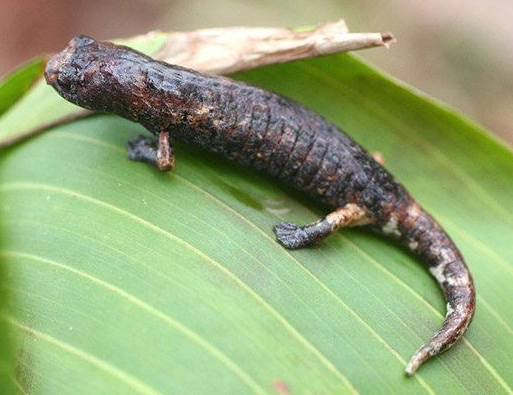
Finding Your Spanish Ribbed Axolotl: A Buyer's Guide
This is tricky. You won't find them at your average pet store. The "Spanish ribbed axolotl for sale" search leads you to a mix of sources.
Reputable Online Breeders: This is often your best bet. Look for breeders who are active in axolotl communities, answer questions about their lineage and care, and don't ship during extreme temperatures. They often have waiting lists. Ask for clear, recent photos of the actual animal.
Local Expos/Reptile Shows: Sometimes you can find breeders here. The benefit is you can see the animal in person and talk to the breeder face-to-face.
Rescue Organizations: A wonderful option! Axolotls are sometimes surrendered. Check sites like MorphMarket (which has a mix of breeders and rescuers) or dedicated amphibian rescue groups.
I got Gilbert from a local hobbyist breeder I found through a forum. Seeing his setup—clean tanks, healthy parents—gave me way more confidence than any anonymous online ad. It's worth the extra effort to find a good source.
Red flags? Sellers who won't answer specific care questions, who have constant "stock" of rare colors, who ship without heat/cool packs, or who have prices that seem too good to be true.
Answering Your Burning Questions
The Bigger Picture: Conservation and Ethics
Owning a Spanish ribbed axolotl connects you to a much larger story. Their wild cousins are on the brink. Scientists value them immensely for their incredible regenerative abilities, studying them to advance human medicine. The Axolotl.org website, run by researchers, has fantastic resources on their biology and conservation.
By being a responsible keeper—providing excellent care, not releasing them, and supporting captive breeding—you're helping ensure this species continues to exist and fascinate future generations. The Mexican government and NGOs are also actively working on conservation; you can read about some of these efforts through official channels like the SEMARNAT website (Mexico's environment ministry).
So, there you have it. The unvarnished, detailed truth about keeping a Spanish ribbed axolotl. It's work. It requires planning, patience, and a willingness to learn. But for the right person, the reward of sharing your home with one of nature's most unique creatures is absolutely worth it. They're not just pets; they're a window into a weird and wonderful corner of the animal kingdom. If you do your homework first and commit to their specific needs, you'll be set up for a fantastic, long-term relationship with your aquatic oddball.
Start with the tank. Get it cycled. Get your cooling solution sorted. Then, and only then, go find your perfect Spanish ribbed axolotl. Good luck!
Reader Comments