Let's be honest, you're not just getting a pet. You're bringing home a living, breathing, feathery-gilled piece of biological wonder. The red axolotl, with its permanent smile and otherworldly appearance, is more captivating than any aquarium fish. But that fascination comes with a responsibility most care sheets gloss over. This isn't about just keeping it alive; it's about creating an environment where it can truly thrive, regrow limbs, and live for a decade or more. I learned this the hard way after my first axolotl, a gorgeous copper named Rusty, suffered from issues I could have prevented with better knowledge.
What You'll Learn in This Guide
What Exactly Is a Red Axolotl?
First, a quick myth-buster. The "red" axolotl isn't a separate species. It's a color morph of the Ambystoma mexicanum, the Mexican walking fish (though it's not a fish, it's an amphibian). In the wild, they're a mottled brown, but through captive breeding, we have leucistic (pink with black eyes), golden albino, and the melanoid (all black). The "red" you see is typically a leucistic or albino with enhanced red pigments in its gills, giving it that fiery, feathery crown.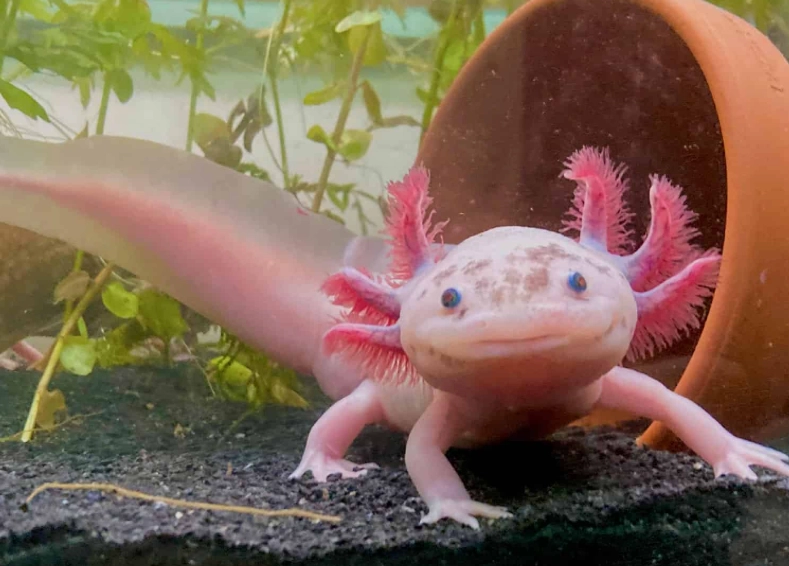
Their superpower is neoteny—they reach sexual maturity without undergoing metamorphosis. They stay aquatic with external gills for life, unlike frogs. This is why their tank setup is so specific; they never grow lungs to breathe air. According to the IUCN Red List, the wild population is critically endangered, so every captive axolotl is an ambassador for its species. Getting their care right matters.
How to Set Up the Perfect Axolotl Tank
Think of their tank as a cool, calm, and clean lakebed. Every choice should minimize stress and maximize safety.
Step-by-Step Setup Checklist
- Substrate: This is crucial. NO GRAVEL. They will eat it and get impacted. Your safe options are:
- Bare Bottom: Easiest to clean, but some axolotls get stressed without traction.
- Fine Sand: Once settled, it's safe. Use pool filter sand or specialized aquarium sand.
- Large, Smooth River Rocks: Bigger than their head so they can't swallow them.
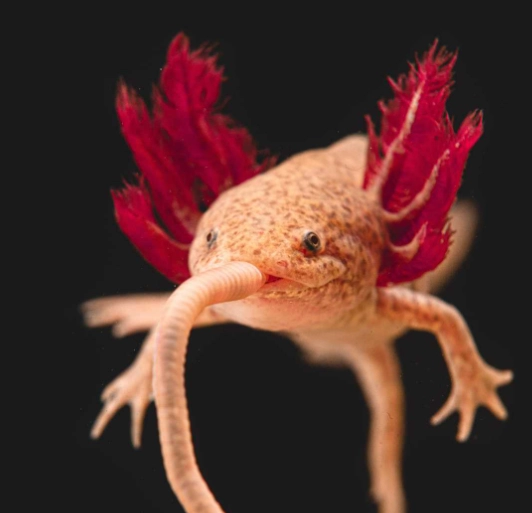
- Hiding Places: At least two. They are ambush predators and need to feel secure. Use PVC pipes, terracotta pots (sand the holes), or aquarium-safe caves.
- Lighting: They have no eyelids and dislike bright light. Use subdued lighting. Live plants like Java Fern or Anubias that thrive in low light are perfect.
- No Sharp Decor: Their skin and delicate gills tear easily. Run your hand over everything—if it feels rough to you, it's dangerous for them.
The Non-Negotiables: Water Parameters & Filtration
Water quality isn't just important; it's everything. Their health is a direct reflection of their water. You can't cut corners here.
Filtration: You need a filter that cleans the water without creating a strong current. Axolotls hate flow. A canister filter with a spray bar pointed at the wall, or a large sponge filter, is ideal. Sponge filters are cheap, provide biological filtration, and are safe for babies.
The Nitrogen Cycle: Your tank must be fully cycled before you add your axolotl. This means establishing beneficial bacteria that convert toxic ammonia (from waste) into nitrite, and then into less harmful nitrate. This process takes 4-8 weeks. Adding an axolotl to an uncycled tank will burn its gills and skin—it's a slow, painful poison.
| Parameter | Ideal Range | Why It Matters |
|---|---|---|
| Temperature | 60-68°F (16-20°C) | Warmer water holds less oxygen, stresses them, and makes them prone to fungus. A chiller is often necessary in summer. |
| pH | 6.5 - 8.0 | Stable is more important than "perfect." Wild swings are harmful. |
| Ammonia (NH3) | 0 ppm | Absolutely zero. This is the top killer of new axolotls. |
| Nitrite (NO2) | 0 ppm | Also zero. It prevents blood from carrying oxygen. |
| Nitrate (NO3) | Keep it low with weekly 20-30% water changes. High nitrates cause stress and gill damage. |
You'll need a liquid test kit, not strips. Strips are often inaccurate for the critical ammonia test.
What Do Red Axolotls Eat? (Beyond Bloodworms)
Bloodworms are like candy—fine as a treat, terrible as a staple. Their diet needs protein and variety.
- Earthworms/Nightcrawlers: The gold standard. Nutritious and great for their digestion. Chop them to size for younger axolotls.
- High-Quality Pellets: Look for sinking carnivore pellets with 40%+ protein. Brands like Rangen Salmon Pellets are excellent.
- Occasional Treats: Frozen bloodworms, blackworms, or even small pieces of raw, unseasoned salmon or tilapia.
Feed adults 2-3 times a week. Juveniles need daily feeding. A good rule of thumb is to offer food roughly equal to the size of their head. If they're not interested after 10-15 minutes, remove the food.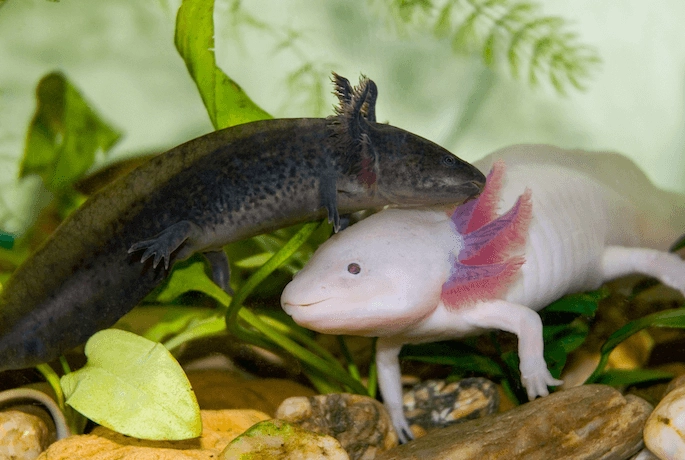
Spotting & Solving Common Health Problems
Most health issues stem from poor water quality. Prevention is 90% of the battle.
- Fungus: Looks like cotton wool on gills or skin. It's a secondary infection. Improve water quality first. Salt baths or tea baths can be used cautiously.
- Impaction: From eating gravel or sand before it settled. The axolotl stops eating, may float, and can't pass waste. Prevention is key. If it happens, a vet visit is often needed.
- Gill Shrinkage/Loss: Gills get small and shriveled. This is almost always due to high nitrates or warm water. Fix the water, and they should regrow.
- Stress: Curled tail tip, forward-curled gills, refusing food. Find and eliminate the stressor—check water params, temperature, and tank mates.
Have a quarantine/hospital tank ready—a simple 10-gallon with a sponge filter and hiding spot. Never treat the main tank with medications unless you remove all beneficial bacteria first.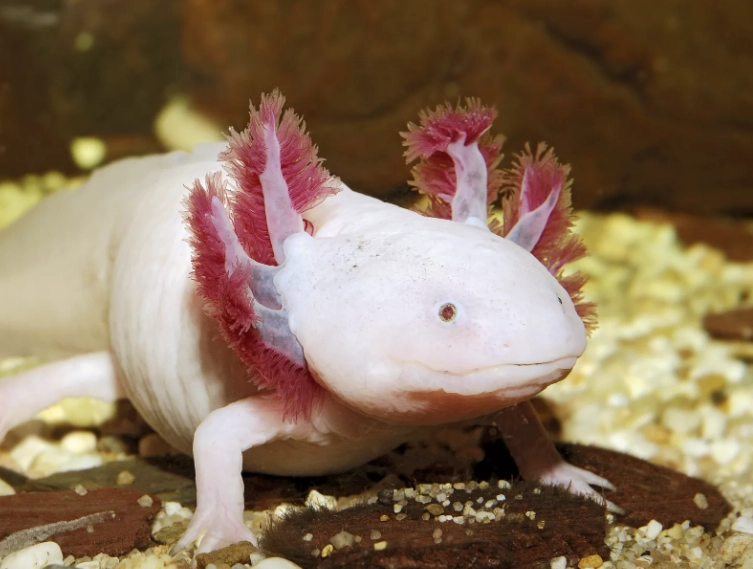
Your Top Axolotl Questions Answered
Keeping a red axolotl is a commitment to mimicking a very specific, cool, and clean aquatic environment. It's not difficult, but it is precise. Get the fundamentals of space, cold water, and zero toxins right, and you'll be rewarded with a fascinating, long-lived pet that's truly unlike any other. Start with a cycled tank, test your water religiously, and feed a proper diet. Do that, and you'll avoid the heartbreak I had with Rusty and instead enjoy a thriving, smiling amphibian for years to come.
Reader Comments