Inside This Guide
- What Exactly Is a Spotted Axolotl?
- The Non-Negotiable Spotted Axolotl Habitat
- Water Parameters: The Make-or-Break Science
- Feeding Your Spotted Axolotl: From Worms to Worries
- Common Health Issues and What to Do
- Spotted Axolotl Behavior: Are They Boring?
- Frequently Asked Questions (The Real Ones People Ask)
- The Bigger Picture: Conservation and Ethics
So you're thinking about getting a spotted axolotl, or maybe you just got one and you're staring at this weird, smiling creature wondering what on earth you've gotten yourself into. I remember that feeling. I got my first one, a little spotted guy I named Speckle, about five years ago on a bit of a whim. The pet store employee gave me some wildly incorrect advice (gravel substrate? yikes), and I spent the next few weeks frantically reading everything I could find. This guide is what I wish I'd had back then.
Let's get one thing straight from the start: a spotted axolotl isn't some low-maintenance goldfish you can toss in a bowl. They're fascinating, complex amphibians with specific needs. But get it right, and you have one of the most unique and rewarding pets imaginable. Their perpetual smile is genuinely infectious.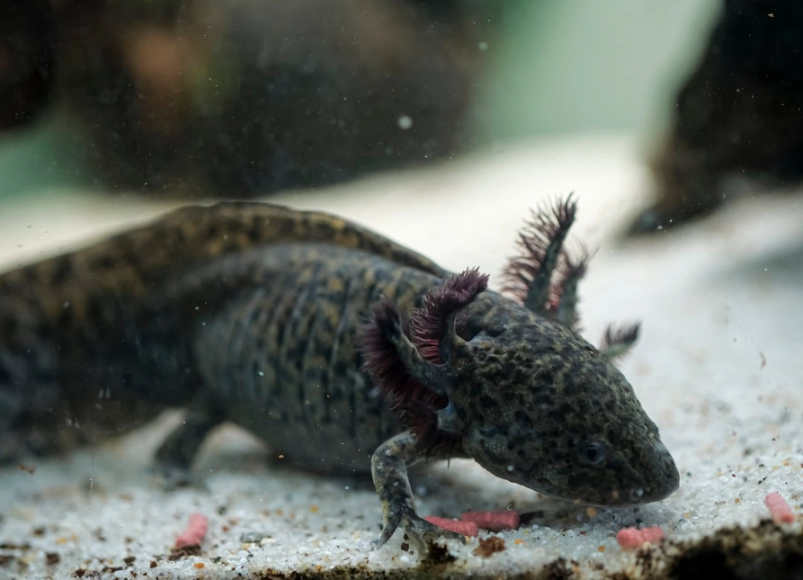
Quick Fact: The "spotted" pattern isn't a separate species. It's a common color morph of the common axolotl (Ambystoma mexicanum), scientifically the same as the famous pink leucistic ones. The spots are dark pigmentation (melanophores) scattered over a lighter base, which can range from wild-type greenish-brown to a pale grey. It's one of the most stunning natural patterns in the axolotl world, in my opinion.
What Exactly Is a Spotted Axolotl?
Before we dive into tanks and water tests, let's understand what we're dealing with. The axolotl is a neotenic salamander, meaning it reaches sexual maturity and spends its entire life in its larval, aquatic form. It never undergoes the typical metamorphosis into a land-dwelling salamander like its cousins. This is why they keep their feathery external gills and remain fully aquatic.
The spotted axolotl is simply showcasing one of its natural color variations. In the wild, they're mostly a mottled dark color for camouflage. In captivity, selective breeding has given us leucistics (pink with black eyes), albinos, golden albinos, and melanoids (all black). The spotted pattern is often seen in what's called the "wild type" morph, but can appear in others too.
Why are they so popular now? Social media, frankly. Videos of them "smiling" and nomming on worms went viral. But their real appeal is their placid nature and sheer biological weirdness. They can regenerate entire limbs, their spinal cord, even parts of their heart and brain. It's like living with a tiny, adorable superhero.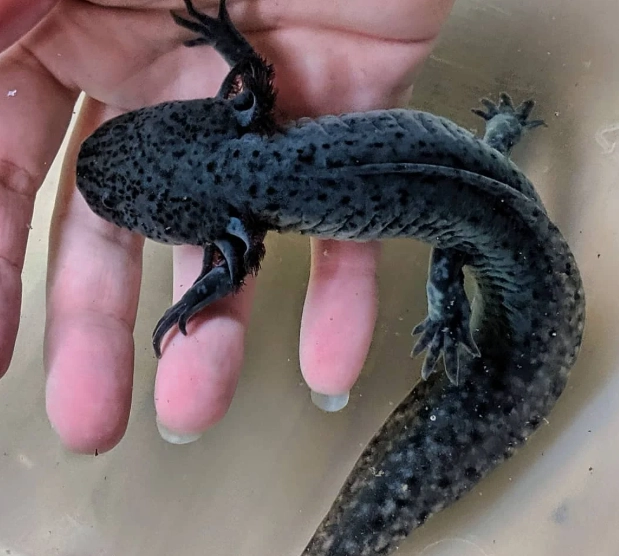
First Big Mistake to Avoid: Don't confuse them with water dogs (larval tiger salamanders). They look similar as juveniles, but water dogs will metamorphose into terrestrial salamanders, requiring a completely different habitat. Always buy from a reputable, specialized breeder who can guarantee you're getting a true axolotl.
The Non-Negotiable Spotted Axolotl Habitat
This is where most new owners slip up. You can't just put them in any old tank. Their health is directly tied to their environment.
Tank Size and Setup: Bigger is Always Better
A single adult spotted axolotl needs a minimum of a 20-gallon long tank. I'm serious about the "long" part. They're bottom-dwellers and need floor space, not height. A 20-gallon high is a bad choice. For two axolotls, jump to a 40-gallon breeder. I started Speckle in a 20-long and upgraded to a 40 within a year; the difference in his activity and ease of maintaining water quality was night and day.
You absolutely need a lid. They're not jumpers on purpose, but a startled spook can launch them out of the water.
The Substrate Debate: Sand or Bare Bottom?
This is a hot topic. Gravel or small stones are a death trap—they will be ingested and cause fatal impaction. Your two safe options:
- Fine Sand: This is my preferred choice. It allows natural foraging behavior and looks great. Use aquarium-specific sand so fine it passes through them if accidentally eaten. Pool filter sand is a cheap and excellent option.
- Bare Bottom or Large Slates: Easier to clean, zero risk of impaction. The downside? It can be stressful for the axolotl as they can't grip well. It also reflects light, which some find annoying. I use a combination in my tank—sand for most of it, with a few large, smooth slate tiles in the feeding area.
Filtration and the Current Conundrum
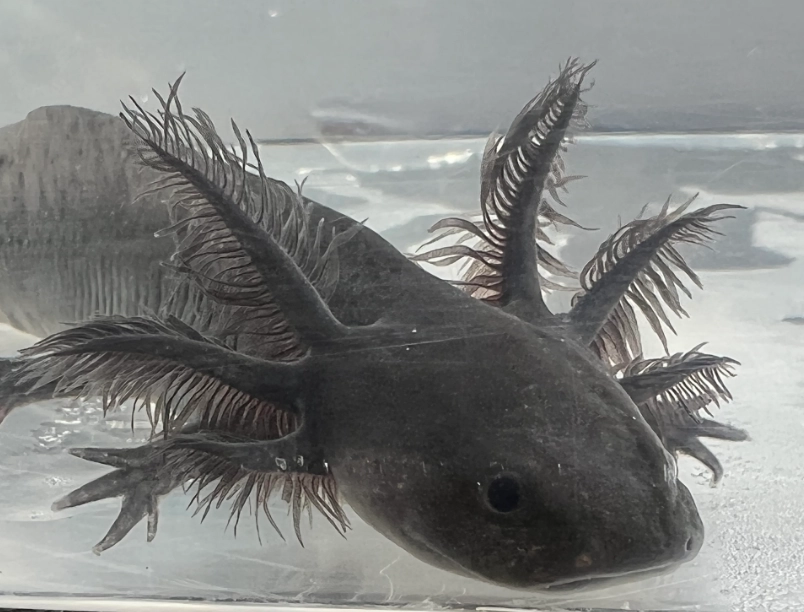
Axolotls produce a lot of waste. You need a strong filter. But here's the catch: they hate strong water currents. They're from still-water lakes. A powerful hang-on-back filter creating a torrent will stress them out endlessly.
The solution? A canister filter is the gold standard. It provides massive biological filtration, and you can use a spray bar to diffuse the output flow gently across the water's surface. A sponge filter is a great, cheap alternative, especially for smaller tanks, but you'll need to clean it more often.
Let the filter cycle completely before you add your spotted axolotl. Fishless cycling with pure ammonia is the way to go. This establishes the beneficial bacteria that convert toxic ammonia into nitrite, and then into less harmful nitrate. Rushing this step is the number one cause of "new tank syndrome" and sick axolotls.
Lighting and Hiding Places
Spotted axolotls have no eyelids and are sensitive to bright light. Don't blast them with an aquarium light meant for plants. If you want to view them, use ambient room light or a very dim LED. They are most active in low light.
Hides are crucial for their sense of security. Provide at least two hides per axolotl. PVC pipes (large diameter), ceramic caves, and terracotta pots (with sanded holes) are perfect. Avoid anything with sharp edges. I also use broad-leafed silk plants (live plants are tricky due to the cool water) to break up sightlines and give more cover.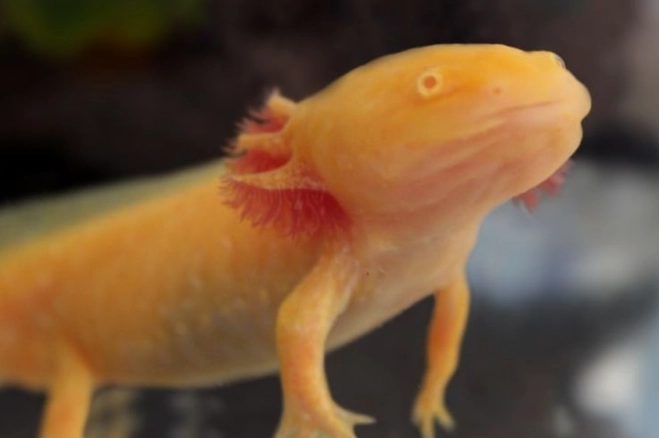
Water Parameters: The Make-or-Break Science
You can have the perfect tank, but if the water is wrong, your spotted axolotl will suffer. Get a liquid-based test kit (API Freshwater Master Kit is reliable); strip tests are too inaccurate.
| Parameter | Ideal Range | Why It Matters | How to Fix Issues |
|---|---|---|---|
| Temperature | 60-64°F (16-18°C) | Above 70°F (21°C) causes stress, suppresses immunity, leads to fungal infections. | Chiller (best), fans blowing across water surface, room AC. Avoid aquarium heaters unless room is very cold. |
| pH | 6.5 - 8.0 | Stable pH is more important than a "perfect" number. Wild axolotls live in alkaline water. | Use crushed coral in filter to buffer if pH drops too low. Avoid drastic chemical adjustments. |
| Ammonia & Nitrite | 0 ppm (Zero!) | Highly toxic, even at low levels. Burns gills, fatal. | Indicates incomplete cycle or overfeeding. Immediate partial water change. Check filter function. |
| Nitrate | End product of the nitrogen cycle. Toxic in high concentrations. | Controlled by regular weekly water changes of 25-50%. | |
| GH (General Hardness) | Moderate to Hard | Provides essential minerals like calcium. | If too soft, add a mineralizer like Seachem Equilibrium. |
| Chlorine/Chloramine | 0 ppm | Tap water additives that will kill your axolotl. | ALWAYS use a water conditioner (e.g., Seachem Prime) for every water change. |
Temperature is the silent killer. I learned this the hard way during a heatwave before I got a chiller. Speckle stopped eating, his gills shriveled forward, and he developed a white fungus spot. It was scary. A simple clip-on fan lowered the temp a few degrees and saved him, but I invested in a chiller soon after. It's expensive, but for peace of mind in warmer climates, it's worth it.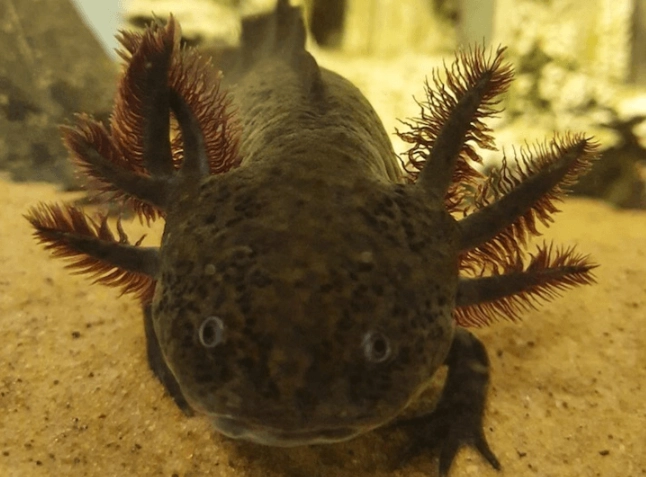
Feeding Your Spotted Axolotl: From Worms to Worries
They are carnivores. Not insectivores, not omnivores—carnivores. Their diet in the wild consists of worms, insect larvae, small fish, and crustaceans.
Staple Diet: Earthworms (nightcrawlers) are the perfect food. They're nutritionally complete and encourage natural hunting behavior. You can buy them from bait shops or breed your own. Rinse them off first. For smaller axolotls, cut them into appropriate pieces.
Other Good Foods:
- Axolotl Pellets: High-quality, sinking carnivore pellets from brands like Hikari or Rangen. Good for variety and convenience.
- Frozen Bloodworms or Brine Shrimp: Treats or for juveniles. Not a staple for adults due to low nutritional value.
- Live Blackworms: A great option, but can be messy.
Foods to Avoid: Feeder fish (risk of parasites and injury), mealworms (hard chitinous shell), insects with hard exoskeletons, and any mammal meat like beef heart (not digestible, fouls water).
Feeding Tip: Use a feeding dish (a small ceramic saucer works) or feed with tongs. This prevents them from ingesting sand and lets you monitor exactly how much they eat. A healthy adult spotted axolotl eats 2-3 times a week. Juveniles need daily feeding.
How do you know if you're feeding enough? The body should be as wide as the head, or slightly wider, when viewed from above. A visible "waist" behind the legs means it's too thin. A bulging, round body means it's overweight—yes, axolotls can get fat, and it stresses their organs.
Common Health Issues and What to Do
Most health problems stem from poor water quality or incorrect temperature. Prevention is 95% of the battle.
Fungal Infections
Looks like white, cottony fluff on the gills or body. Often secondary to stress from bad water or injury. First step: a 100% water change and check all parameters. For mild cases, frequent cool, clean water is enough. For persistent cases, salt baths (non-iodized aquarium salt) or tea baths (using pure, caffeine-free black tea) are common home remedies. Severe cases need vet-prescribed antifungal medication.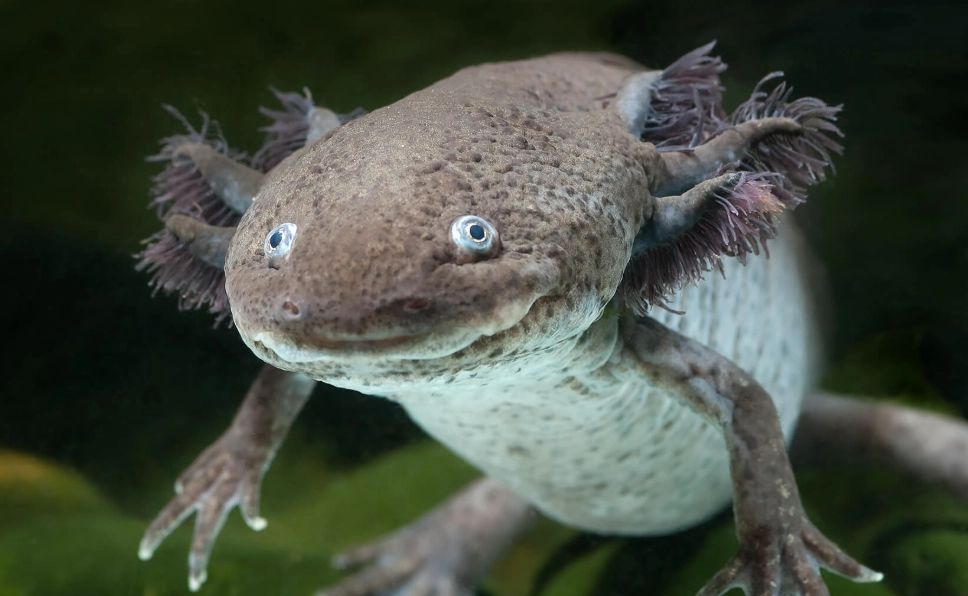
Impaction
The axolotl stops pooping, stops eating, and may float oddly. Caused by ingesting gravel, large pieces of substrate, or oversized food. Prevention is key (proper substrate!). If it happens, lowering the water level and placing the axolotl in a shallow container in the fridge (at 5-8°C) can slow its metabolism and sometimes help it pass the blockage. A vet visit is often necessary.
Gill Shrinkage
Their fluffy gills recede and look small. This is almost always a sign of poor water quality (high ammonia/nitrite) or water that's too warm and lacks oxygen. Fix the water, and the gills will usually regenerate—showcasing their amazing ability.
I want to stress this: Find an exotic vet who knows axolotls before you have an emergency. Regular dog/cat vets often don't have a clue. The Association of Reptilian and Amphibian Veterinarians (ARAV) has a find-a-vet tool. It's an invaluable resource.
Spotted Axolotl Behavior: Are They Boring?
Some people call them boring because they don't swim around like fish. I disagree. Their behavior is subtle and fascinating. They'll patrol their territory at dusk and dawn. They'll curiously investigate new items in their tank with their nose. They have distinct personalities—some are bold, some are shy. Watching a spotted axolotl use its sensitive lateral line to detect a worm you've just dropped in is a mini-masterpiece of nature.
They are solitary creatures. You can keep two together if the tank is large enough and they are similar in size (to avoid nipping), but it's not necessary for their well-being. Never keep a small axolotl with a much larger one.
Frequently Asked Questions (The Real Ones People Ask)
The Bigger Picture: Conservation and Ethics
This is important to me. In the wild, the axolotl is critically endangered, surviving only in the canal systems of Lake Xochimilco in Mexico City. Habitat loss, pollution, and introduced invasive fish have decimated their population. The axolotls in our tanks are all descendants of captive-bred lines.
By keeping them, we have a responsibility. Source them from ethical, dedicated breeders who prioritize health over profit. Never release a pet axolotl into the wild. Support conservation efforts if you can. Organizations like AmphibiaWeb are great for scientific information and awareness.
A well-cared-for spotted axolotl is a testament to the success of captive breeding for conservation education. They are ambassadors for their species, teaching people about the fragility of unique ecosystems.
Getting a spotted axolotl setup right takes effort and a bit of upfront cost. But once that system is humming—cool, clean water, a happy axie patrolling its sandy domain—it's incredibly low-stress. It's less about constant interaction and more about providing a perfect little world for a truly extraordinary creature to thrive in. And every time you see those dark spots against their skin, and those fluffy gills waving in the current, you'll know it was worth it.
Start with a cycled tank. Get the temperature right. Feed them worms. Watch them smile. It's that simple, and that complicated, all at once.
Reader Comments