So you've heard about the "Turkish axolotl" and you're wondering what the fuss is all about. Maybe you saw a cute picture online, or a friend in Istanbul mentioned they got one. Let's get one thing straight right away – it's a bit of a misnomer. There's no specific axolotl species native to Turkey. The axolotl (Ambystoma mexicanum) is famously from the ancient lake system of Xochimilco near Mexico City. That's its one and only original home.
But here's where the "Turkish" part comes in. It usually refers to axolotls being kept as pets in Turkey, or sometimes to a particular color morph that breeders or sellers might be promoting locally. The care, however, remains fundamentally the same whether you're in Ankara, Amsterdam, or Austin. The challenge for a potential Turkish axolotl owner often starts with misinformation. Is the tap water okay? Can it handle our summers? I've seen too many people jump in after watching a short video, only to face problems they weren't prepared for.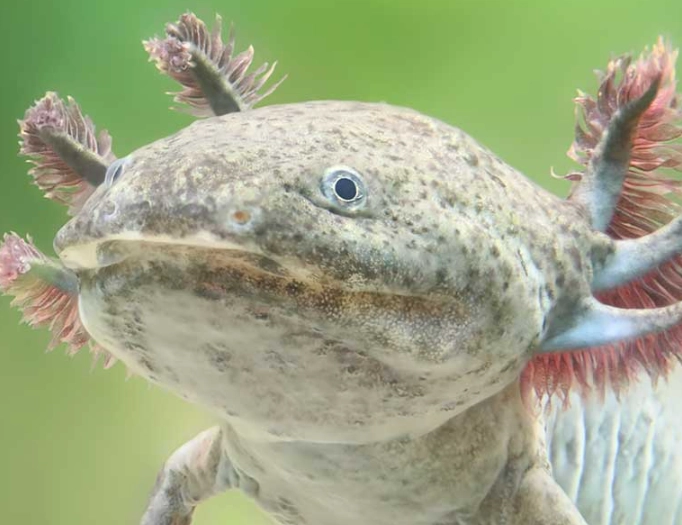
The Core Truth: Caring for a Turkish axolotl is about adapting universal axolotl care principles to your local environment in Turkey. It's not a different animal, but the context – water quality, seasonal temperatures, availability of supplies – is what makes the experience unique for Turkish hobbyists.
Quick Guide
What Even Is a Turkish Axolotl?
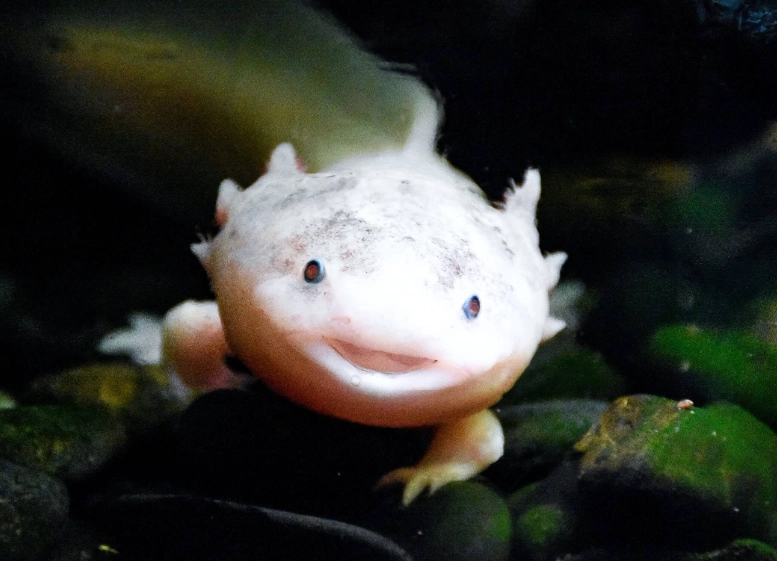
Let's dig into this. When people in Turkey search for "Turkish axolotl," what are they actually looking for? From talking to local pet groups and breeders, it seems to boil down to a few things. Sometimes it's just the local name for the pet axolotl. Other times, sellers might use "Turkish" to describe a common color like leucistic (pink with black eyes) or golden albino that's popular in the region. It's more of a marketplace label than a scientific one.
I remember chatting with a breeder from Izmir who was frustrated. He said, "I just breed healthy axolotls. But if I don't list them as 'Turkish axolotl' online, nobody finds me." It's a keyword game, really. The animal itself is the incredible, neotenic salamander we all know – it keeps its larval features like external gills for life. That's what makes it so fascinating and otherworldly to look at.
Its conservation status is critical in the wild. The International Union for Conservation of Nature (IUCN) lists it as Critically Endangered. Most axolotls in the pet trade, including those destined for Turkey, are captive-bred. This is a crucial point for ethical sourcing. You should always ask for proof of captive breeding.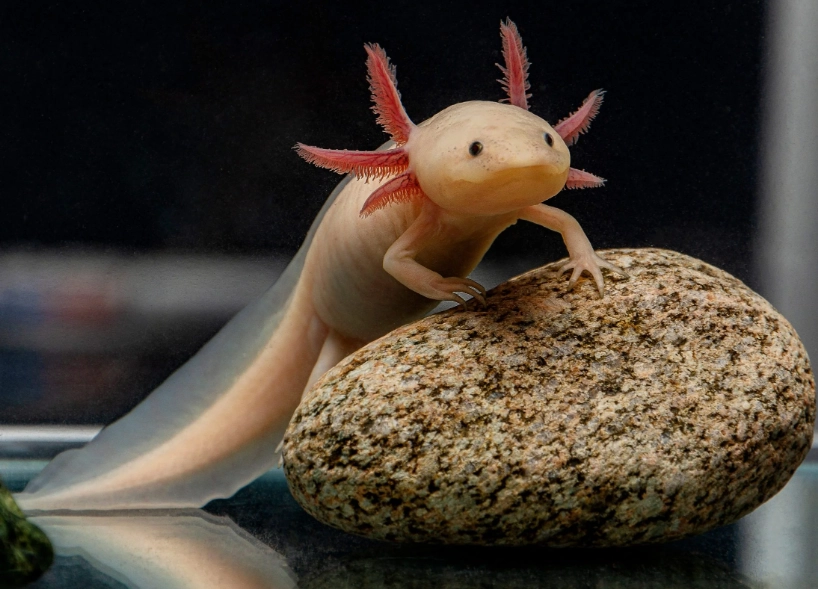
Why the Axolotl Craze in Turkey?
It's not hard to see the appeal. They're quiet, don't need walks, and have these hilarious, expressive faces. For apartment dwellers in big cities like Istanbul or Ankara, a Turkish axolotl tank can be a perfect low-noise pet project. But are they really low-maintenance? That's the first myth we need to bust.
Common Misconception: "Axolotls are easy starter pets." This is false and leads to many animals suffering. They have very specific, non-negotiable needs for cold, clean water and a proper diet. They are intermediate-level pets at best. Getting a Turkish axolotl because it looks cool, without the commitment to its care, is a recipe for failure.
Setting Up the Perfect Turkish Axolotl Tank
This is where most people make their first, and sometimes fatal, mistakes. You can't just put an axolotl in a goldfish bowl. The tank is its entire world. For a single adult Turkish axolotl, the absolute minimum is a 20-gallon long tank (that's about 75 liters). But I always tell people to go bigger – 30 gallons or more. More water volume means more stability in water parameters, which is your best friend in axolotl care.
Now, the substrate. Bare bottom is safest for beginners and easier to clean. But if you want to use sand, it must be very fine, inert sand. Never use gravel. Axolotls are vacuum cleaners when they eat and will ingest gravel, which leads to fatal impactions. I learned this the hard way years ago with my first axolotl, and it was a devastating lesson.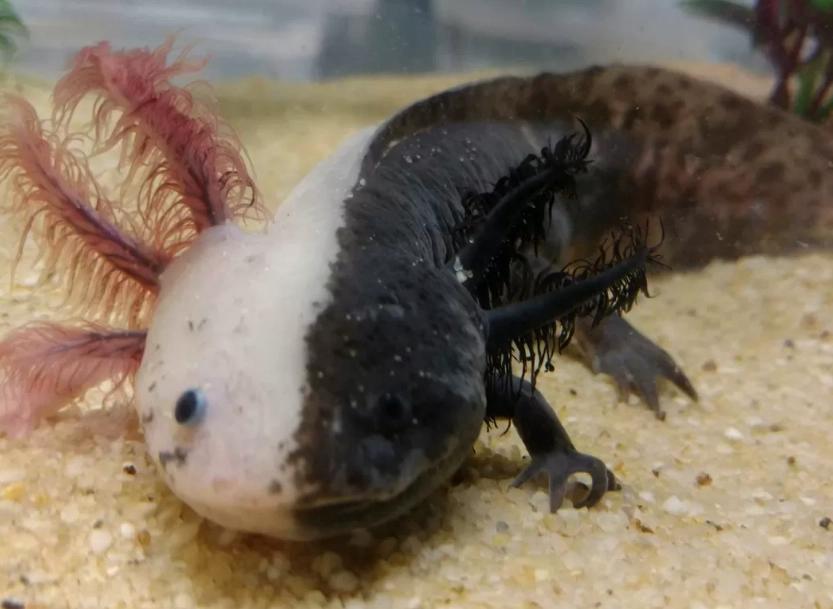
The Non-Negotiable Checklist
Before you even think about buying the animal, have this ready:
- Adequately Sized Tank: 20-gallon long minimum, bigger is better.
- Powerful Filter: But with low flow. Canister filters are often best. Sponge filters work but need to be oversized. Axolotls produce a lot of waste and hate strong currents.
- No Heater: This is critical. Turkish axolotls need cold water, ideally between 60-64°F (16-18°C). In many parts of Turkey, especially in summer, you'll need a chiller, not a heater. This is the single biggest expense and hurdle for many.
- Hiding Places: PVC pipes, ceramic pots, and smooth caves. They get stressed without cover.
- Water Test Kit: Not strips. A liquid test kit for ammonia, nitrite, nitrate, and pH is mandatory. Your tap water's parameters are your starting point.
Cycling Your Tank: The Boring, Essential Step
You must cycle your tank before getting an axolotl. Full stop. This means establishing beneficial bacteria that convert toxic ammonia (from waste) into nitrite, and then into less toxic nitrate. This process takes 4-8 weeks. You can't rush it. Adding a Turkish axolotl to an uncycled tank is like making it live in a portable toilet. The ammonia burns its gills and skin, leading to a slow, painful death.
How do you cycle? You add a pure ammonia source (like Dr. Tim's Ammonium Chloride) and dose it daily, testing until you see ammonia and nitrite drop to zero while nitrate appears. It's a waiting game. Many pet shops in Turkey might tell you it's fine to add the animal right away with some "water conditioner." They are wrong. This is the most common reason for early axolotl deaths.
Water Quality: The Turkish Context
This is a huge topic for local owners. Turkish tap water varies greatly by region. It can be very hard in some areas. Axolotls prefer slightly hard to moderate hardness (GH/KH), but extremes are bad. The bigger issue is often chlorine and chloramine, used to treat municipal water.
You must use a water conditioner that neutralizes both chlorine and chloramine every single time you add tap water to the tank. Seachem Prime is a popular and reliable brand available internationally. Let's talk temperature, though. This is the real challenge for a Turkish axolotl keeper.
Axolotls are cold-water creatures. Their ideal range is 16-18°C (60-64°F). They can tolerate brief periods up to 22-23°C (72-73°F), but sustained temperatures above 24°C (75°F) cause immense stress, suppress their immune system, and can be lethal. Turkish summers, particularly in coastal and inland areas, can easily push room temperatures (and thus tank temperatures) well into the high 20s or even 30s Celsius.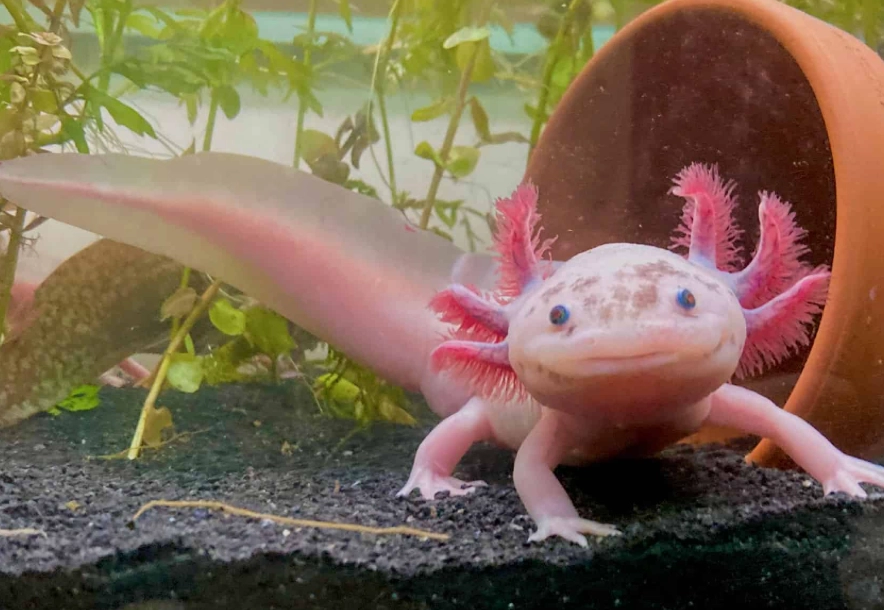
Summer Survival Tips for Turkey:
- Aquarium Chiller: The most effective solution. It's an expensive upfront cost (like a good filter) but non-negotiable for many locations. It's like an air conditioner for your tank.
- Fans: Pointing a fan across the water surface can drop the temperature by 2-3°C through evaporation.
- Frozen Water Bottles: A temporary, emergency method. Freeze plastic bottles of water and float them in the tank. Rotate them as they melt. It's labor-intensive and unstable, but can help in a pinch.
- Insulate and Cool the Room: Keep the tank in the coolest room, away from windows. Use blackout curtains. Air conditioning the room is ideal.
I'll be honest, if you cannot commit to maintaining a cool tank year-round, especially through a Turkish summer, you should not get an axolotl. It's the most common reason for rehoming or loss.
Feeding Your Axolotl: A Practical Guide
What does a Turkish axolotl eat? In the wild, they're opportunistic carnivores. In your tank, they need a protein-rich diet. The staple for most owners is earthworms (nightcrawlers). They're nutritionally complete. You can find them at fishing bait shops or even start a small worm farm yourself – a great way to ensure a fresh, chemical-free supply.
Other good foods include axolotl pellets (from reputable brands like Rangen or Hikari), thawed frozen bloodworms (as a treat, not a staple), and occasional pieces of lean fish or shrimp. Never feed them feeder goldfish or minnows. These can carry parasites and diseases, and they're fatty and not nutritious.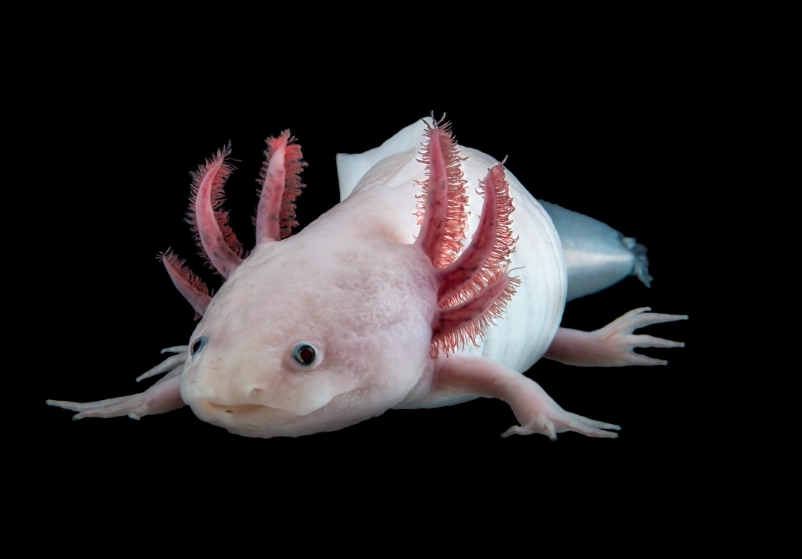
How much and how often? Juveniles need daily feeding. Adults do well being fed 2-3 times a week. A good rule of thumb is to offer an amount of food roughly equal to the size of the axolotl's head. Overfeeding is a common problem. It pollutes the water and can lead to obesity. An obese axolotl has a fat roll behind its head.
| Food Type | Frequency | Notes & Warnings |
|---|---|---|
| Earthworms/Nightcrawlers | Staple (2-3x/week for adults) | Best overall food. Rinse off soil. Cut if worm is too large. |
| Axolotl Pellets | Staple or Supplement | Use sinking pellets. Ensure high protein (>40%). |
| Bloodworms (Frozen) | Treat (1x/week max) | Not a complete diet. Can be messy. |
| Daphnia | Occasional | Good for juveniles. Can help with mild constipation. |
| Feeder Fish (Live) | NOT RECOMMENDED | High risk of parasites/disease. Poor nutrition. Avoid. |
Feeding time is also health-check time. Is your Turkish axolotl eager to eat? Are its gills full and fluffy? Is it pooping normally? A loss of appetite is often the first sign of a problem.
Health and Common Problems
Axolotls are tough in some ways but surprisingly delicate in others. Most health issues stem from poor water quality (ammonia, nitrite, high temperature) or improper diet.
What to Watch For:
- Fungus: Looks like white, cottony patches on gills or body. It's often secondary to stress or injury. Salt baths or tea baths are common treatments, but identifying and fixing the underlying cause (usually water quality) is key.
- Gill Shrinkage: Gills look small and receded. This is almost always due to poor water quality (high ammonia/nitrite) or insufficient oxygen. Fix the water, and they can regrow.
- Impaction/Constipation: The axolotl floats awkwardly, refuses food, and may not poop. Often caused by ingesting gravel or large, hard-to-digest food. Fridge therapy (cooling the axolotl in dechlorinated water in the fridge at 5-8°C) can help pass the blockage.
- Skin Lesions or Red Patches: Could be ammonia burn or a bacterial infection. Test your water immediately.
Finding a Vet: This is a major consideration for any Turkish axolotl owner. Exotic veterinarians who have experience with amphibians are rare in Turkey. Before you get an axolotl, try to locate a vet who is willing to see one, even if they are not a specialist. Join local exotic pet groups on social media and ask for recommendations. Having no access to veterinary care is a significant risk.
Frequently Asked Questions (The Turkish Angle)
Final Thoughts: Is a Turkish Axolotl Right for You?
Look, I love axolotls. They're amazing creatures. But I'm not here to sell you on one. I'm here to give you the real picture. Getting a Turkish axolotl is a significant commitment of time, money, and effort. The initial setup cost for a proper tank, filter, chiller, and test kits can run into hundreds of dollars (or thousands of Turkish Lira). The ongoing cost of electricity for the chiller and filter, plus quality food, is not trivial.
You need to be prepared for weekly partial water changes (25-50%), daily spot checks, and dealing with potential health issues. You need a plan for hot summer days and power outages. You need patience during the long tank cycling process.
If, after all this, you're still excited and feel you can provide a stable, cold, and clean forever home, then welcome to the world of axolotl keeping. Start by cycling that empty tank. Do your research. Join forums like Caudata.org, which is an incredible, science-backed resource for all amphibian keepers. Their axolotl section is a goldmine of peer-reviewed advice.
For conservation information and the official status of the species, refer to the IUCN Red List entry for Ambystoma mexicanum. Supporting conservation efforts for their wild counterparts is something every keeper should consider.
Caring for a Turkish axolotl successfully is incredibly rewarding. Watching them gracefully paddle around, their feathery gills waving, is a unique joy. But that joy is built on a foundation of proper care. Do it right, and you'll have a fascinating pet for a decade or more. Do it wrong, and it's a short, stressful life for the animal and a disappointing experience for you. The choice, as they say, is yours.
Reader Comments