What You'll Find in This Guide
If you're asking what size tank a chameleon gecko needs, here's the quick answer: for most adult chameleon geckos, like the popular New Caledonian species, a 20-gallon tall or 18x18x24 inch enclosure is the minimum. But that's just the start. I've kept these fascinating reptiles for over a decade, and I've seen too many owners get this wrong, leading to stressed, unhealthy pets. Let's dive into the details so you can avoid common mistakes.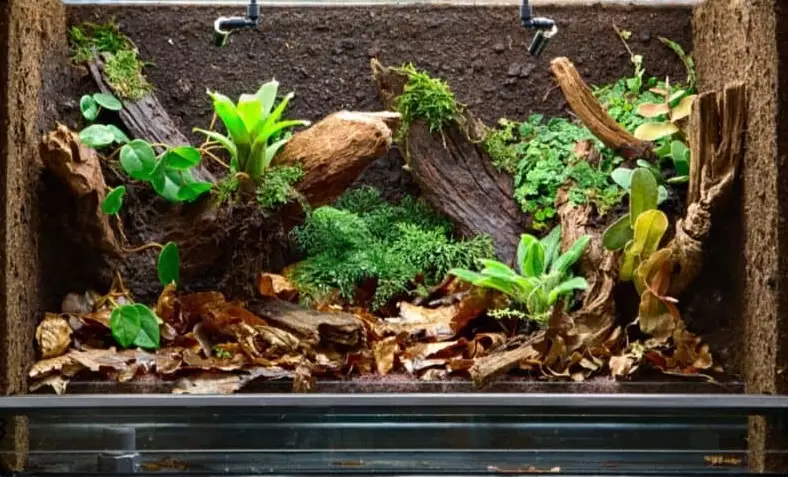
Why Tank Size Matters for Chameleon Geckos
Chameleon geckos, such as the crested gecko or gargoyle gecko, are arboreal. They spend most of their time climbing. A small tank cramps their style—literally. It limits movement, increases stress, and can cause health issues like poor shedding or obesity from inactivity. I once rescued a gecko kept in a 10-gallon tank; it was lethargic and had stuck shed on its toes. After moving it to a proper enclosure, its behavior changed overnight. It started exploring and became more active.
Research from the Association of Reptile and Amphibian Veterinarians highlights that inadequate space is a leading cause of reptile stress. For chameleon geckos, stress weakens their immune system, making them prone to infections. So, tank size isn't just about comfort; it's about health.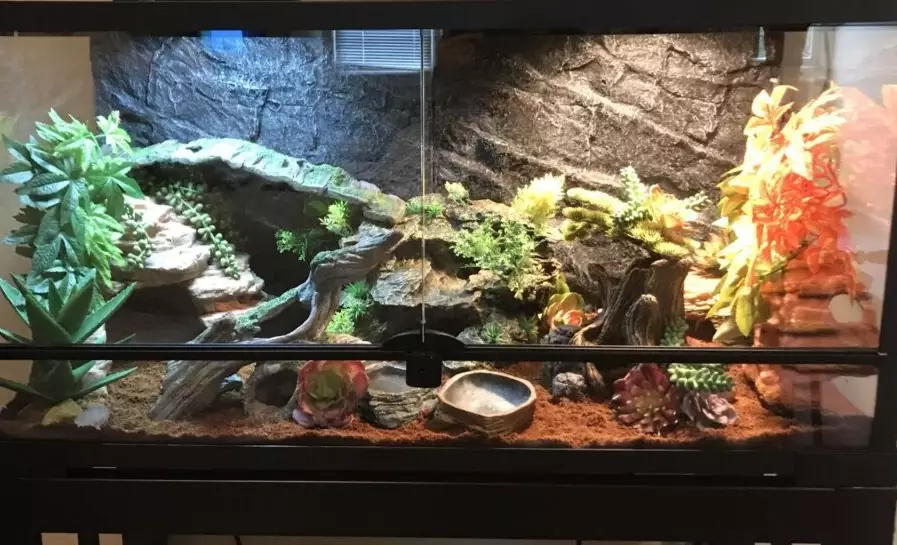
Recommended Tank Sizes by Life Stage and Species
Not all chameleon geckos are the same. Size needs vary by species and age. Here's a breakdown based on my experience and common husbandry guidelines.
Key Takeaway: Always prioritize height over width for arboreal species. A tall enclosure mimics their natural tree-dwelling habitat.
Juvenile vs Adult Requirements
Babies can start in smaller tanks, like a 10-gallon, but they grow fast. Within 6-12 months, they need an upgrade. I recommend skipping the intermediate step and going straight to an adult-sized enclosure to save money and reduce stress from moving. For juveniles, a 12x12x18 inch tank works, but ensure it's well-ventilated.
For adults, here's a table summarizing minimum sizes for common chameleon gecko species:
| Species | Minimum Enclosure Size | Notes |
|---|---|---|
| Crested Gecko | 18x18x24 inches (30 gallons tall) | Prefers vertical space; can be kept in pairs if female-female. |
| Gargoyle Gecko | 18x18x24 inches | Similar to crested; needs hiding spots. |
| Chahoua Gecko | 24x18x24 inches or larger | More active; benefits from extra width. |
| Moorish Gecko (often called chameleon gecko) | 20-gallon long or 24x12x12 inches | Less arboreal; needs horizontal space for digging. |
These are minimums. If you can go bigger, do it. A 36x18x36 inch enclosure is fantastic for a pair of crested geckos, allowing natural behaviors like territorial displays. I upgraded my own setup to a custom-built 48-inch tall vivarium, and the difference in my gecko's activity level was astounding.
Beyond Dimensions: Setting Up the Perfect Enclosure
Tank size is just one piece. The setup inside matters equally. Here's what often gets overlooked.
The Importance of Vertical Space and Climbing Structures
Chameleon geckos need things to climb. Branches, vines, and cork bark should fill the upper two-thirds of the tank. I use a mix of live plants like pothos and artificial vines to create a dense canopy. This provides hiding spots and reduces stress. A common mistake is placing all decor at the bottom—geckos will feel exposed and stay hidden.
Ventilation is critical. Screen tops are better than glass lids for airflow, but they can lower humidity. In dry climates, I modify screens with partial covers to retain moisture. The Reptile Database notes that New Caledonian geckos thrive at 60-80% humidity, so monitor with a hygrometer.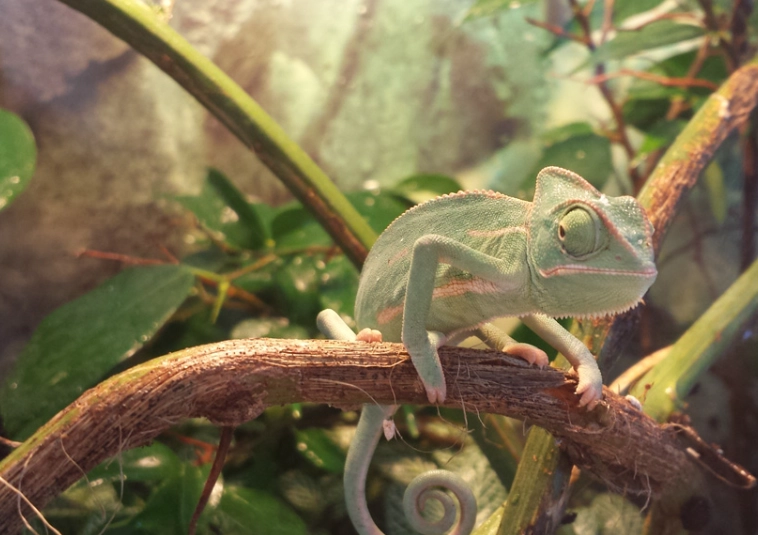
Temperature and Lighting Considerations
Unlike desert reptiles, chameleon geckos don't need basking spots. Room temperature (72-78°F) is fine, but avoid drafts. I've seen owners add heat lamps that dry out the tank, causing dehydration. If your home drops below 70°F, use a low-wattage ceramic heater on a thermostat. UVB lighting is debated; some experts like those from Reptiles Magazine suggest it's beneficial for calcium metabolism, but not strictly necessary if diet is supplemented. I use a low-output UVB bulb for 10-12 hours a day, and my geckos seem more vibrant.
Common Pitfalls and Expert Tips to Avoid Them
After years of keeping geckos, here are subtle errors I've observed.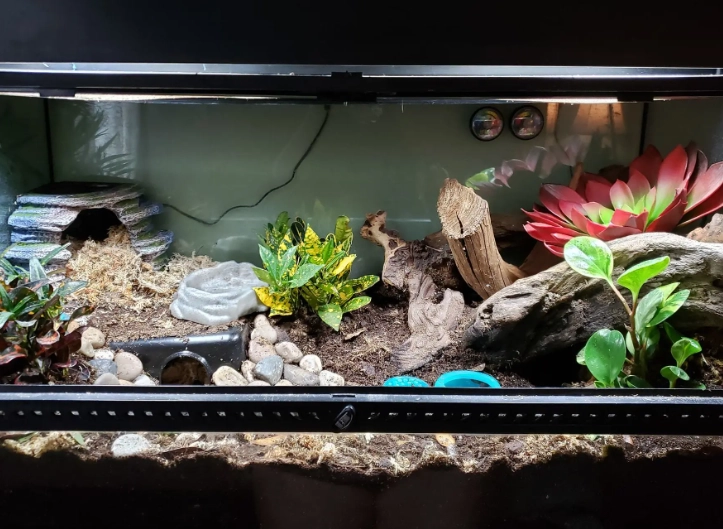
Overcrowding decor: It sounds counterintuitive, but stuffing the tank with too many items can limit movement. Leave open spaces for climbing jumps. Geckos need room to leap between branches.
Ignoring escape routes: Chameleon geckos are escape artists. I lost one once because I didn't secure a screen lid properly. Now, I use clips or weights. An escape-proof tank isn't just about size; it's about security. Check all gaps—if a pencil fits through, a gecko can squeeze out.
Using the wrong substrate: For bioactive setups (a hot trend right now), coconut fiber or organic soil works well. But avoid sand or small gravel; geckos might ingest it during feeding. I prefer a drainage layer with sphagnum moss on top to maintain humidity.
Neglecting cleaning access: A large tank is great, but if you can't reach the corners to clean, waste builds up. I design my enclosures with removable panels or front-opening doors. It makes maintenance easier and reduces stress during handling.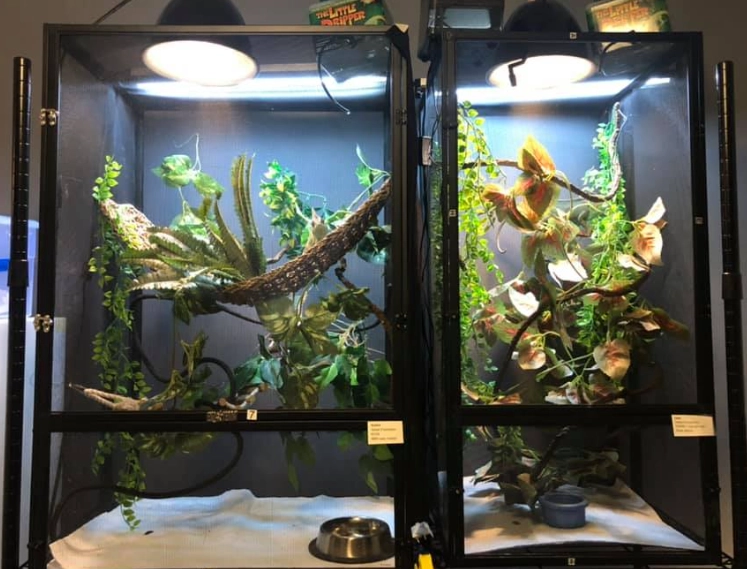
Frequently Asked Questions (FAQ)
Wrapping up, choosing the right tank size for your chameleon gecko is more than following a rule of thumb. It's about understanding their biology and behavior. Start with the minimums I've outlined, but always aim bigger if you can. Your gecko will thank you with years of active, healthy life. If you have more questions, drop a comment—I'm happy to share from my own mishaps and successes.
Reader Comments