Quick Navigation
- Why the “Heat Lamp” Question is So Tricky
- The Non-Negotiables: What Your Leopard Gecko's Setup MUST Have
- Your Heating Options: The Good, The Bad, and The Dangerous
- Putting It All Together: A Sample Safe & Effective Setup
- Common Questions & Misconceptions (The Stuff That Confuses Everyone)
- Signs You've Got Your Heating Just Right (And Signs You Don't)
- The Final Word: It's About Heat, Not Light
You've got your new leopard gecko, the tank is looking pretty good, and now you're staring at a shelf full of reptile heating equipment wondering what the heck to do. The question "Do leopard geckos need a heat lamp during the day?" is probably the single biggest point of confusion for new owners. I remember being there myself, overwhelmed by conflicting advice online.
Here’s the short, no-fluff answer right up front: No, leopard geckos do not strictly require a heat lamp that emits light during the day. But—and this is a huge but—they absolutely, 100% require a dedicated heat source to create a warm area in their enclosure. The distinction between a "heat lamp" (meaning one that gives off light) and other heat sources is the key to unlocking this whole puzzle.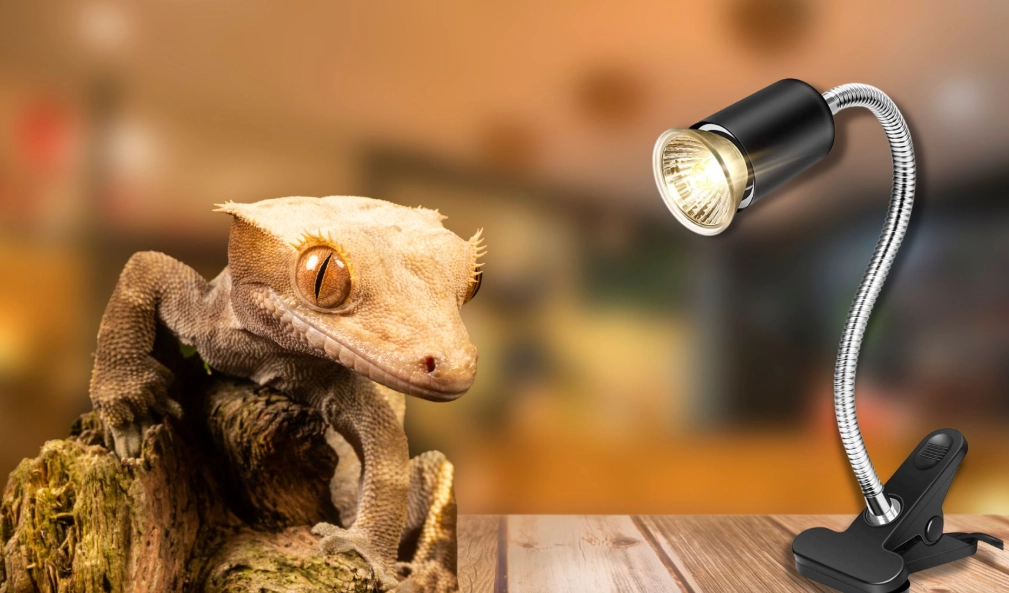
Stick with me, because we're going to dive deep into the why, the how, and the best options to keep your little buddy not just alive, but truly thriving. This isn't about memorizing a single temperature number; it's about understanding what your gecko's body needs from its environment.
The Core Concept: Leopard geckos are ectotherms. They don't generate their own internal body heat like we do. Every single digestive process, immune response, and ounce of energy they have comes from absorbing heat from their environment. Getting their heating wrong is the fastest way to cause health problems like impaction, lethargy, and a weakened immune system.
Why the “Heat Lamp” Question is So Tricky
When most people ask, "Do leopard geckos need a heat lamp during the day?" they're picturing those bright, glowing bulbs you see in many reptile setups. For a bearded dragon or a turtle, that's often correct. For our nocturnal, ground-dwelling leopard geckos? It's a mismatch.
Leopard geckos have evolved to be most active at dawn, dusk, and night. Their eyes are incredibly sensitive to light. A bright, white heat lamp blazing all day can actually be stressful for them, encouraging them to hide constantly instead of venturing out to bask in the warmth they still desperately need. It messes with their natural cycle.
So, the real question we should be asking is: "What is the best way to provide the essential belly heat and thermal gradient a leopard gecko requires, 24/7?" See the difference? It shifts the focus from a specific product to the necessary outcome.
I made the mistake early on with my first gecko, Felix. I used a bright blue daytime bulb because the pet store employee said it was "good for desert reptiles." Felix spent all day squished into the coolest, darkest corner of his hide. He ate poorly. It wasn't until I switched to a non-light emitting heat source that he started properly thermoregulating—cruising from his warm hide to his cool hide—and his appetite skyrocketed. The change was night and day.
The Non-Negotiables: What Your Leopard Gecko's Setup MUST Have
Forget the brand names for a second. Let's talk about the functional requirements any heating setup must meet. If your system doesn't hit these points, it needs adjusting.
The Thermal Gradient (This is Critical)
Your tank cannot be one uniform temperature. That's like forcing a human to live in a room that's always exactly 72°F with no blankets or AC. We'd be miserable. Leopard geckos need choice.
- Warm Side: This is where your primary heat source is focused. The floor surface temperature right on the substrate under the heat source should be between 88-92°F (31-33°C). This is crucial for digestion. You measure this with a digital infrared temperature gun—stick-on dial thermometers are notoriously inaccurate for this specific reading.
- Cool Side: The opposite end of the tank should be at room temperature, ideally between 70-77°F (21-25°C). This is their retreat to cool down.
- Mid-Zone: The area in between will naturally create a gradient, letting them find their "just right" spot.
Without this gradient, they cannot properly digest food. Undigested crickets or mealworms sitting in their gut can lead to a fatal impaction. So when we ask "do leopard geckos need a heat lamp during the day," we're really asking how to best create this warm zone.
24/7 Heat Availability
Their need for warmth doesn't switch off when the sun goes down. Nighttime temperatures in their native rocky grasslands of Pakistan and India can drop, but not drastically in the microclimate of their hiding spots. Your tank's warm side should experience only a slight temperature drop at night, to around 80-85°F (27-29°C) at the surface. A complete shutdown of heat is stressful and unhealthy.
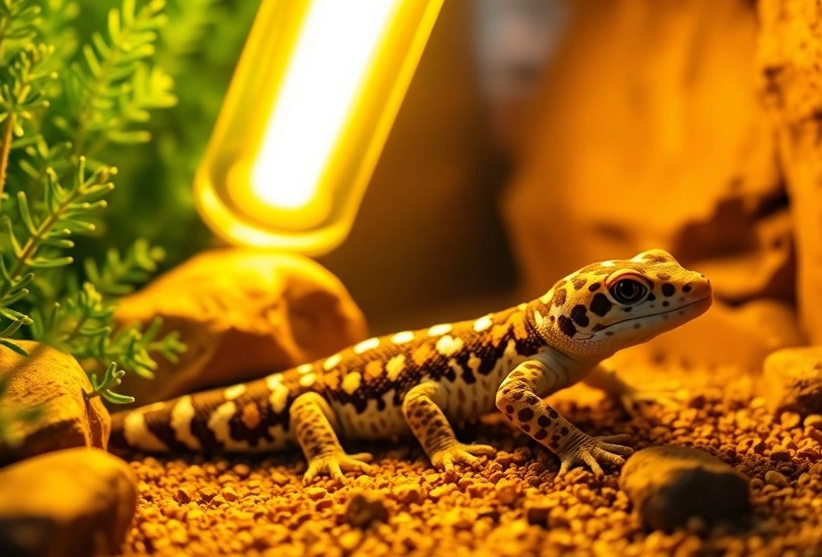
Your Heating Options: The Good, The Bad, and The Dangerous
Now, let's translate those requirements into actual equipment. Here’s a breakdown of the most common ways to heat a leopard gecko tank.
| Heating Method | How It Works | Pros | Cons & Risks | Best For... |
|---|---|---|---|---|
| Overhead Heat Lamp (Ceramic Heat Emitter - CHE) | A bulb that screws into a lamp fixture, emits infrared heat but no light. | Excellent for creating a warm air temperature and surface basking spot. Mimics natural overhead sun. Works 24/7. | Can dry out the tank air faster. Must be used with a thermostat. Bulb gets very hot. | Most setups, especially tanks with screen tops. Excellent primary heat source. |
| Deep Heat Projector (DHP) | A more advanced bulb emitting a broader spectrum of infrared heat, penetrating deeper into tissue. | Considered by many advanced keepers as the most natural and effective heat source. Can be used day and night. | More expensive. Requires a compatible dimming thermostat. | Keepers wanting top-tier, naturalistic heating. Bioactive enclosures. |
| Under Tank Heater (UTH) / Heat Mat | A flat pad that sticks to the bottom outside of the glass tank. | Provides direct belly heat, which aids digestion. Inexpensive and simple. | Does not warm the air. Must be regulated by a thermostat to prevent burns. Can be ineffective if substrate is too thick. | Supplemental heat or very small enclosures. Should not be the sole heat source in most cases. |
| Light-Emitting Heat Bulb (The classic "heat lamp") | A bulb that produces both visible light and heat (e.g., basking bulb). | Good for creating a hot basking spot for day-active reptiles. | Generally not suitable for leopard geckos. The bright light can cause stress. Creates an unnatural day/night cycle if used at night. | Day-active, heliothermic reptiles like bearded dragons. Not recommended for leos. |
Looking at this table, the answer to "do leopard geckos need a heat lamp during the day" becomes clearer. If by "heat lamp" you mean a Ceramic Heat Emitter or Deep Heat Projector, then yes, that's a fantastic primary heat source that runs both day and night. If you mean a light-emitting bulb, then no, it's not necessary and often counterproductive.
A Non-Negotiable Safety Rule: Any primary heat source MUST be plugged into a thermostat. This is not an optional accessory. A thermostat has a probe you place in the tank at the basking site, and it regulates the power to your heater to maintain your set temperature. Without one, a heat mat can reach 120°F+ and cause severe thermal burns through the glass, and a CHE can overheat the entire tank. The American Veterinary Medical Association (AVMA) emphasizes proper environmental control as fundamental to reptile welfare. A simple on/off thermostat is the bare minimum; a dimming thermostat is better for bulbs.
Putting It All Together: A Sample Safe & Effective Setup
Let's make this practical. For a standard 20-gallon long tank (the minimum recommended size), here's what a well-regarded setup looks like:
- Primary Heat Source: A 50-75 watt Ceramic Heat Emitter or a 50w Deep Heat Projector, housed in a ceramic-based dome lamp fixture.
- Essential Controller: A dimming thermostat (like those from Herpstat or Exo Terra). The probe is secured with a suction cup or clip so it hangs about an inch above the substrate directly under the CHE/DHP.
- Placement: The lamp fixture is positioned on the screen top at one end of the tank, over a flat slate rock or tile. This rock absorbs heat and provides a perfect, natural basking surface.
- Warm Hide: Place a hide (like a half-log or cave) directly under or adjacent to this warm spot. The gecko can get direct belly heat on the slate or slightly less intense heat inside the hide.
- Monitoring: A digital thermometer/hygrometer on the warm side wall (for ambient air temp) and a temperature gun to check the slate surface temp daily.
This system runs continuously. It provides perfect heat for digestion day and night without disturbing the gecko's light-sensitive eyes. It answers the spirit of "do leopard geckos need a heat lamp during the day" by providing constant, appropriate warmth.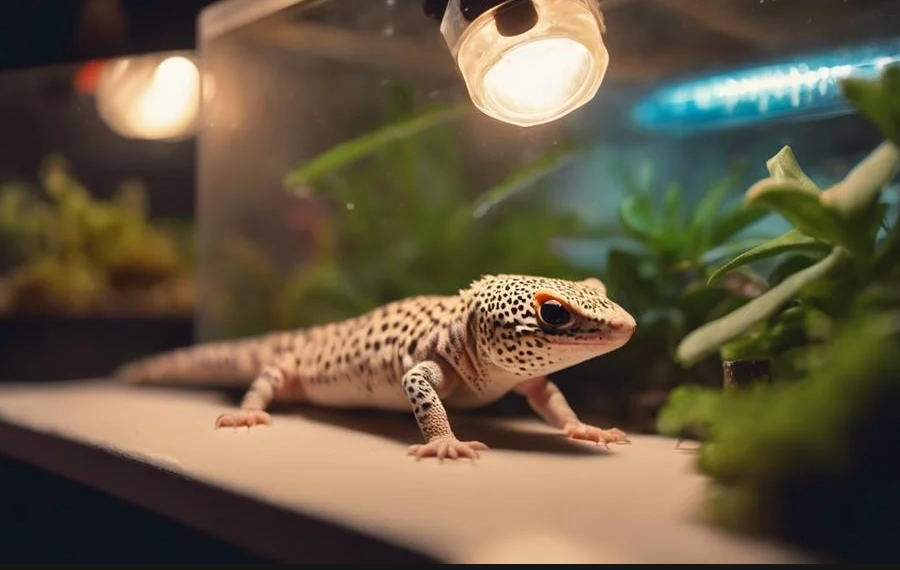
Common Questions & Misconceptions (The Stuff That Confuses Everyone)
Let's tackle some of the specific, nagging questions that pop up in forums and Facebook groups all the time.
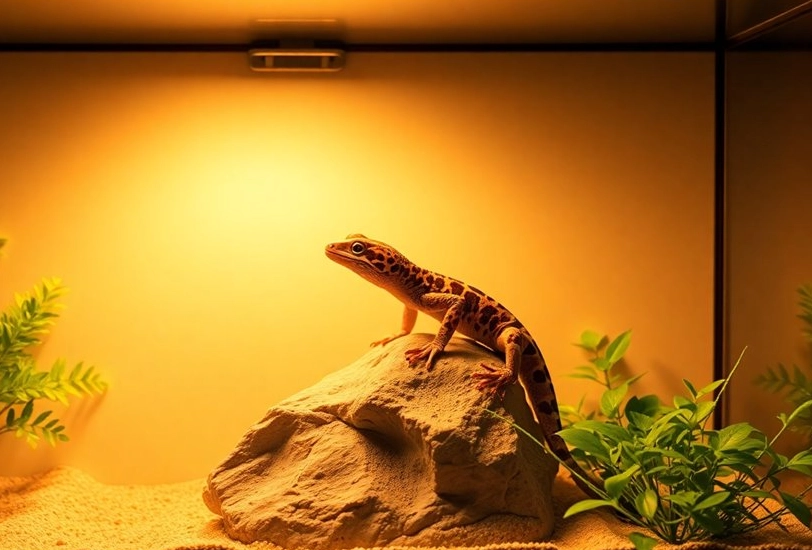
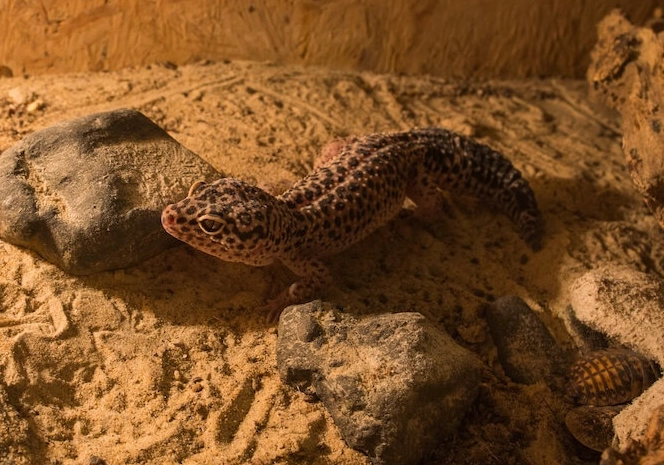
I see the heat rock question so often, and it breaks my heart. A friend learned this the hard way years ago, resulting in a costly vet visit for burn treatment. Just don't go there. The upfront cost of a good thermostat is cheaper than the vet bill and the heartache.
Signs You've Got Your Heating Just Right (And Signs You Don't)
Your gecko will tell you if the setup is working. Here’s what to look for.
Signs of a Happy, Well-Heated Gecko:
- Spends time in both the warm hide and the cool hide.
- Basks out in the open on the warm slate/tile periodically, especially after eating.
- Has a healthy, consistent appetite and passes solid, well-formed waste (with a white urate).
- Is alert and active during evening hours.
Red Flags That Your Heating is Off:
- Always in the cool hide: The warm side is likely too hot or lit too brightly.
- Always pancaked on the warm spot: The warm side might be the only adequately warm area, or the gecko is desperately trying to get enough heat.
- Digesting food poorly (undigested insects in poop): The warm side surface temperature is almost certainly too low.
- Lethargy, loss of appetite: Can be a sign of consistently low temperatures.
The Final Word: It's About Heat, Not Light
So, circling back to the burning question: Do leopard geckos need a heat lamp during the day?
The most accurate answer is that they need a reliable, thermostatically-controlled heat source focused on one end of their enclosure, 24 hours a day. This is best achieved with a non-light emitting overhead heater like a Ceramic Heat Emitter or Deep Heat Projector. Calling it a "heat lamp" is fine, as long as we understand it's not providing light.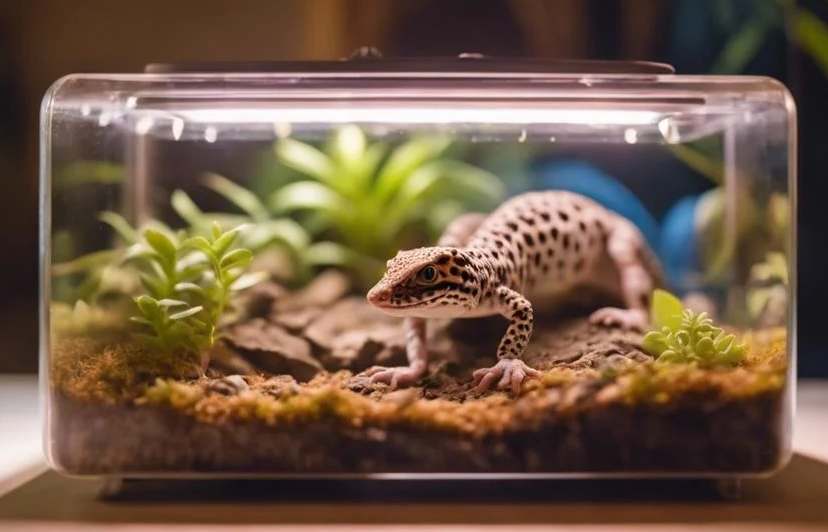
The goal isn't to just check a box. It's to replicate the sun-warmed rocks of their native habitat—a heat source they can access when needed, and retreat from when they don't. It’s the cornerstone of their health. Investing in the right equipment (a quality heater and a mandatory thermostat) from the start prevents a world of problems and lets you enjoy watching a truly content, natural-acting pet.
Skip the bright bulbs, forget the heat rocks, and give them what they actually need: gentle, consistent, belly-warming heat that lets them live life on their own terms. That’s the secret.
Reader Comments