Quick Navigation
- Why Are Some Leopard Geckos Pink? It's All in the Genes
- Meet the Pink Panthers: Popular Pink Leopard Gecko Morphs
- Setting Up the Perfect Home: Pink Leopard Gecko Care Sheet
- Health & Lifespan: Keeping Your Pink Gecko Vibrant
- Finding and Buying a Healthy Pink Leopard Gecko
- Your Pink Leopard Gecko Questions, Answered
Okay, let's be real. The first time you see a genuinely pink leopard gecko, it stops you in your tracks. It's not the typical yellow and black speckled lizard you might picture. This is something else—a soft, sometimes blazing, shade of pink that looks almost unreal. I remember scrolling through morph listings years ago and doing a double-take. Was that photoshopped? Turns out, no. The pink leopard gecko is a very real, and increasingly popular, result of dedicated reptile breeding.
But here's the thing a lot of new enthusiasts don't realize right away: "pink" isn't one single thing. It's a spectrum. It can be a subtle blush on a pale background, a solid cotton-candy hue, or a vibrant salmon color intertwined with other patterns. And that's where the fascination really begins. This guide isn't just about oohing and aahing over pictures (though we'll do some of that). It's about understanding what creates that pink color, how to care for these animals properly, and what you should know before you decide to bring one home.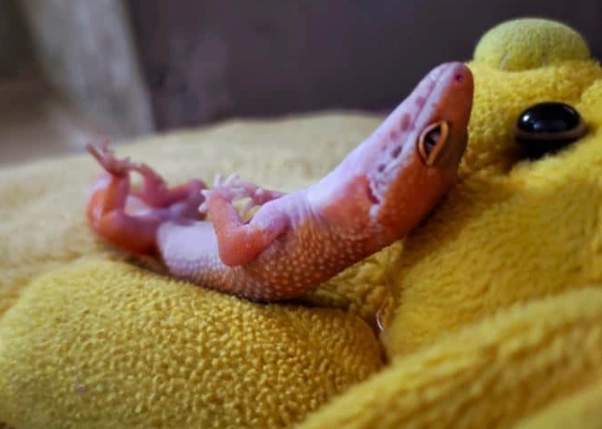
Because a pink leopard gecko, at its core, is still a leopard gecko (Eublepharis macularius). All the standard rules of good husbandry apply. But their unique genetics and sometimes higher price tag mean you should go in with your eyes wide open.
Why Are Some Leopard Geckos Pink? It's All in the Genes
You don't get a pink leopard gecko by feeding it strawberries. The color is locked deep in its DNA, a product of selective breeding for specific genetic traits, or "morphs." Wild leopard geckos are more camouflaged—yellows, browns, and blacks. The pink shades are a human-crafted palette.
So, what genes make pink happen? It's usually a combination, not a single switch.
The most common contributor is the "Hypomelanistic" or "Hypo" trait. This reduces the dark black/brown melanin pigment. When you strip away the dark spots and shading, the underlying skin tones—which can be pinks, yellows, and oranges—shine through more vividly. A hypo gecko isn't always pink, but it opens the door.
Then you have the "Baldy" trait. This specifically removes the spotting on the head. Pair a baldy with a hypo body, and you get a very clean, pattern-free animal where the base pink color can look incredibly uniform and striking.
The real magic for intense, saturated pinks often comes from lines like the "Super Hypo" or specific strains bred for color intensity, such as those from the "Rainwater Albino" or "Tremper Albino" albino lines. Albinism removes all black pigment, and the versions in leopard geckos often lean toward pink, yellow, and red tones. A Tremper Albino can sometimes have a beautiful peachy-pink hue.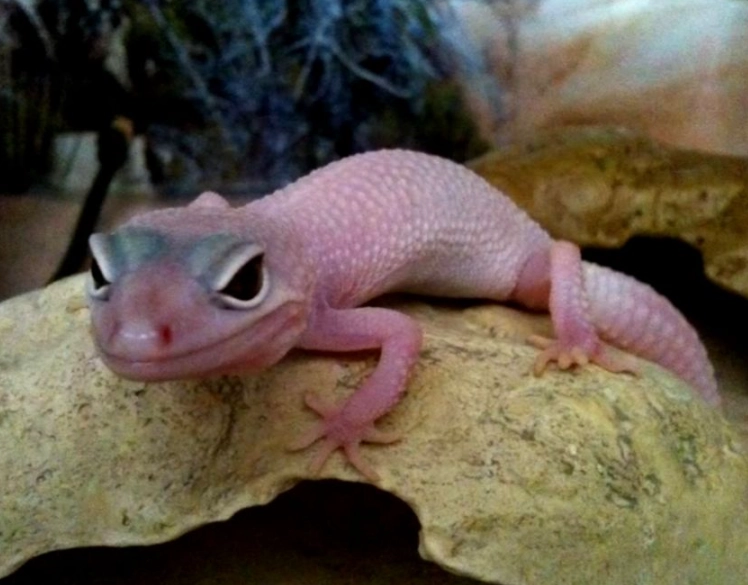
Think of it like this: The pink color is the canvas. Genes like Hypo and Baldy clear away the messy dark paint splatters. Selective breeding over generations then intensifies the specific pink paint on that clean canvas.
It's a slow process. Breeders pair animals with the slightest pink tinge, and over generations, that tinge becomes a blush, and then a full-on pink leopard gecko. It requires patience and a good eye.
Meet the Pink Panthers: Popular Pink Leopard Gecko Morphs
Trying to list every possible pink gecko is impossible—new combos pop up all the time. But some morphs are famous for their consistent pink coloration. Here’s a breakdown of the ones you're most likely to encounter.
| Morph Name | What It Looks Like | Key Genetics Involved | Rarity & Price Note |
|---|---|---|---|
| Super Hypo Tangerine Baldy | The classic. A vibrant orange-to-deep-pink body with zero body spots and a completely spotless (bald) head. The color can be electric. | Super Hypo, Carrot-tail lineage, Baldy | Commonly available, but high-color examples command premium prices. A top-tier pink leopard gecko. |
| Blazing Blizzard | Pure, patternless white. But here's the key: many Blazing Blizzards develop a clean, pastel pink or peach wash as they mature, especially along the back. | Blizzard (patternless + color modifier) | Very common. An affordable way to get a potentially pink gecko, but the pink isn't guaranteed on every individual. |
| Diablo Blanco | Stark white with solid red or pink eyes. Like the Blizzard, they often mature with a lovely pink or creamy peach hue. The lack of any pattern makes the color glow. | Blizzard + RAPTOR (a type of albino + eclipse eye) | Moderately common. Priced higher than Blizzards due to the eye trait. |
| Pink Panther (Line-Bred) | This is less a specific morph and more a project name. Breeders selectively line-breed geckos from various morphs (often Hypo, Baldy, Albino) to maximize pink. Results vary from pale pink to deep salmon. | Variable, often Hypo, Baldy, Albino mixes | Can be rare. Price depends entirely on the intensity of color. A "Pink Panther" from a reputable breeder is a sure bet for pink. |
| Super Hypo Snow | A cleaner version of the Mack Snow. Starts with purples and lavenders as a baby, but can mature into a stunning, pale lavender-pink with reduced spotting. | Mack Snow + Super Hypo | Fairly common. Offers a cooler-toned pink compared to the tangerine-based hot pinks. |
See what I mean? The world of pink leopard gecko morphs is diverse. A Super Hypo Tangerine Baldy might be your goal if you want a guaranteed, intense pink leopard gecko. But don't sleep on a mature Blazing Blizzard—they can be some of the most subtly beautiful pink geckos out there, and they're easier on the wallet.
I made the mistake early on of buying a "pink" baby Blizzard without seeing the parents. It stayed mostly white. Lesson learned: if pink is non-negotiable, ask the breeder for pictures of the parents or siblings from previous clutches. Color development can be predicted much better that way.
Setting Up the Perfect Home: Pink Leopard Gecko Care Sheet
Care doesn't change with color. But a common pitfall is getting so focused on the animal's appearance that we slack on its home. A vibrant pink leopard gecko in a dull, poorly set-up tank is a sad sight. Let's get the basics rock solid.
Tank Size & Setup
A 20-gallon long tank is the bare minimum for one adult. I personally prefer starting with a 30-gallon or even a 40-gallon breeder. More floor space is always better. They're terrestrial, so width beats height.
The Three-Hide Rule is non-negotiable:
- A warm, dry hide placed over the heat mat.
- A cool, dry hide on the opposite end.
- A moist hide in the middle or cool end. This is crucial for shedding. Line it with damp sphagnum moss or paper towels. A pink leopard gecko with bad sheds can lose toes or have dull skin.
Add clutter! Fake plants, cork flats, tunnels. It makes them feel secure and encourages exploration. A stressed gecko hides all day; a happy one comes out and shows off that gorgeous pink color.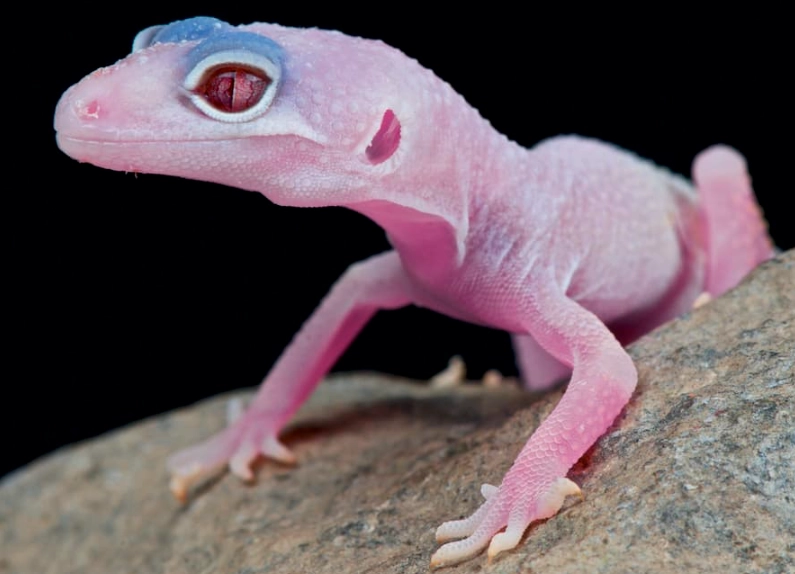
Heat, Light, and Substrate
They need a temperature gradient. No excuses.
- Warm side: 88-92°F (31-33°C) on the floor under the warm hide. Use an under-tank heater (UTH) connected to a thermostat. This is the single most important piece of equipment—unregulated heat mats can cause severe burns.
- Cool side: 70-77°F (21-25°C).
- They don't need special UVB lighting if they're getting proper calcium/D3 supplementation, but many keepers (myself included) now use low-output UVB (like a ShadeDweller bulb) for potential health benefits. It's not about color, it's about well-being.
Substrate debate incoming. For beginners and juveniles, I'm team paper towel. It's safe, cheap, and easy to clean. For experienced owners wanting a natural look, a 70/30 mix of topsoil and playsand works well. Never use calcium sand, crushed walnut, or straight sand—impaction risks are real and deadly. I tried reptile carpet once; it snagged claws and held bacteria. Never again.
Watch the heat! A pink leopard gecko, especially an albino morph like a Diablo Blanco, might be slightly more sensitive to very bright light. Stick to belly heat and ambient light, not intense basking spots. Always use a thermostat.
Feeding Your Pink Leopard Gecko
They are insectivores. Crickets, dubia roaches, mealworms, and black soldier fly larvae are all great staples. Variety is key for nutrition.
My weekly routine looks something like this:
- Feed every other day for juveniles, 2-3 times a week for adults.
- Dust with plain calcium powder at most feedings.
- Dust with a calcium + D3 powder once a week.
- Dust with a multivitamin powder once a week.
Gut-load your feeder insects with nutritious veggies (carrots, sweet potato, leafy greens) 24 hours before feeding. You are what you eat, and so is your gecko. A well-fed gecko has better energy and, in my opinion, better color.
A shallow dish of fresh water should always be available. Change it daily.
Health & Lifespan: Keeping Your Pink Gecko Vibrant
A healthy pink leopard gecko can live 15-20 years, sometimes longer. That's a long commitment. Their pink color can actually be a health indicator.
A dull, grayish, or washed-out pink might mean several things:
- Impending shed: They go dull before they shed. This is normal.
- Stress or illness: Check your temperatures and environment.
- Poor nutrition: Re-evaluate your supplement schedule and feeder insect quality.
Common health issues aren't color-specific, but watch for:
- Stuck shed: Especially on toes and the tip of the tail. This is why the moist hide is critical.
- Metabolic Bone Disease (MBD): Limp jaw, bowed legs, difficulty walking. Caused by incorrect calcium/D3 balance. Preventable with proper supplementation.
- Weight loss/refusal to eat: Can indicate parasites, impaction, or other issues. A vet visit is needed.
Find a reptile vet before you have an emergency.
Resources like the Association of Reptilian and Amphibian Veterinarians (ARAV) website have a find-a-vet tool. It's a legitimate, authoritative source you can trust. Bookmark it.
Finding and Buying a Healthy Pink Leopard Gecko
This is where many people get tripped up. The allure of a cheap pink leopard gecko for sale online can be strong. Resist it.
Where to Buy:
- Reputable Breeders: This is the #1 best option. You can ask questions, see the parents, and get a health history. Look for breeders with established reputations on platforms like MorphMarket, which has review systems for sellers. Breeders often invest deeply in the genetics and health of their pink leopard gecko projects.
- Reptile Expos: Great for seeing animals in person. You can talk to the breeder face-to-face. Just go early for the best selection.
- Specialist Reptile Stores: Sometimes good, but ask where they source their animals.
Where to Avoid:
- Big chain pet stores. They often source from mass breeders, and the animals can have health issues or be mislabeled.
- Unscrupulous online classifieds with prices that seem too good to be true.
What to Look For:
- Alert and active (for a gecko—they're not exactly marathon runners).
- Clear, bright eyes with no gunk.
- Full, plump tail (the fat storage organ). A skinny tail is a red flag.
- Clean vent, no stuck shed on toes, straight limbs.
- Ask about the hatch date and feeding history.
Be prepared to pay. A high-quality pink leopard gecko from proven genetics can range from $100 to well over $500, depending on the morph and color intensity. The animal and its lifetime of care are the real cost.
Your Pink Leopard Gecko Questions, Answered
Let's tackle some of the most common things people search for.
- Perfect husbandry (heat, humidity, clean tank).
- A varied, nutrient-rich diet with proper gut-loading and supplementation.
- Low stress (enough hides, minimal handling at first).
The bottom line? A pink leopard gecko is a stunning example of what selective breeding can achieve. But its beauty is skin deep. The real reward comes from providing exceptional care and watching a healthy, curious animal thrive in the home you create. The color is the initial hook, but the personality and the journey of care are what make you a true keeper.
Do your research, find a breeder you trust, and set up the tank perfectly before your new pink leopard gecko comes home. That's the recipe for success, no matter what color your gecko is.
Reader Comments