Explore the Topics
Let's be real for a second. You're probably here because you saw something scuttle across your basement floor that was too big and too fast to be a "normal" spider. Or maybe you found one in your shoe (happened to a friend of mine, and let me tell you, the scream was legendary). Your first thought wasn't "Oh, fascinating arachnid!" It was more like, "What IS that thing, and is it going to hurt me or my kids?"
I get it. Spiders freak a lot of people out. But here's the thing—most of the fear comes from not knowing. Once you understand what you're dealing with, that knot in your stomach loosens up a bit. Wolf spiders look intimidating, no doubt. They're hairy, they're big, and they don't build pretty webs to sit in. They're the prowlers, the hunters. But are they the villains we make them out to be? Not even close.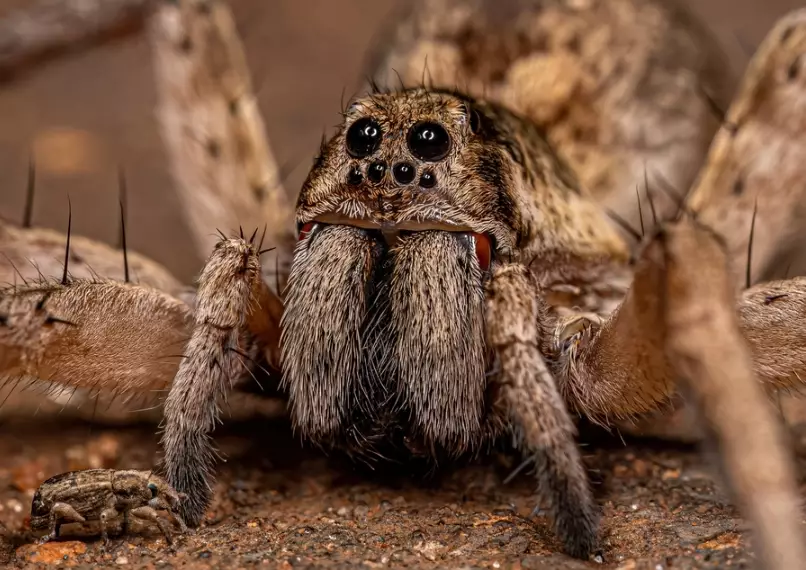
This guide is for anyone who's ever pointed a flashlight at a dark corner and jumped. We're going to strip away the myths and look at the facts. We'll cover how to spot a wolf spider from a dozen other common spiders, what they're actually doing in your space, the real deal about their bite, and most importantly, how to coexist with them or gently encourage them to move along if you'd prefer they hunt somewhere else. No scare tactics, just straight talk.
Spotting a Wolf Spider: The Telltale Signs
You can't manage what you can't identify. Mistaking a harmless wolf spider for something more concerning (or vice versa) just adds unnecessary stress. So, let's break down their look. Forget the textbook descriptions for a minute. What do you actually see?
First off, size. People always lead with this. Yes, wolf spiders can get big. Body length (not including legs) can range from a quarter of an inch to over an inch and a half. The bigger ones, like the Carolina wolf spider, are seriously impressive and can give you a startle. But size alone isn't the giveaway.
Look at their eyes. This is the coolest identifier. Most spiders have eight eyes, but the arrangement is unique for each family. Wolf spiders have a very distinct face. Their eight eyes are arranged in three rows. The key row is the bottom one—it has four small eyes in a straight line. Just above that, you'll see two massive, forward-facing eyes. These are their main hunting tools, giving them excellent binocular vision to track prey. Above those, two more medium-sized eyes. If you can get a clear look (from a respectful distance, maybe with a zoomed-in phone camera), this eye pattern is a dead giveaway. No other common spider around your house has quite the same setup.
Then there's the color and pattern. They're not flashy. Think earthy tones—browns, grays, blacks, often with streaky or mottled patterns that act as camouflage against the soil and leaf litter. This isn't a bright red or yellow spider. It's built to blend in.
And the body. They're robust and hairy. The hair isn't for creep factor; it's sensory. Those hairs pick up vibrations and smells from the environment. Their legs are strong and built for sprinting and pouncing, not just delicate web-walking.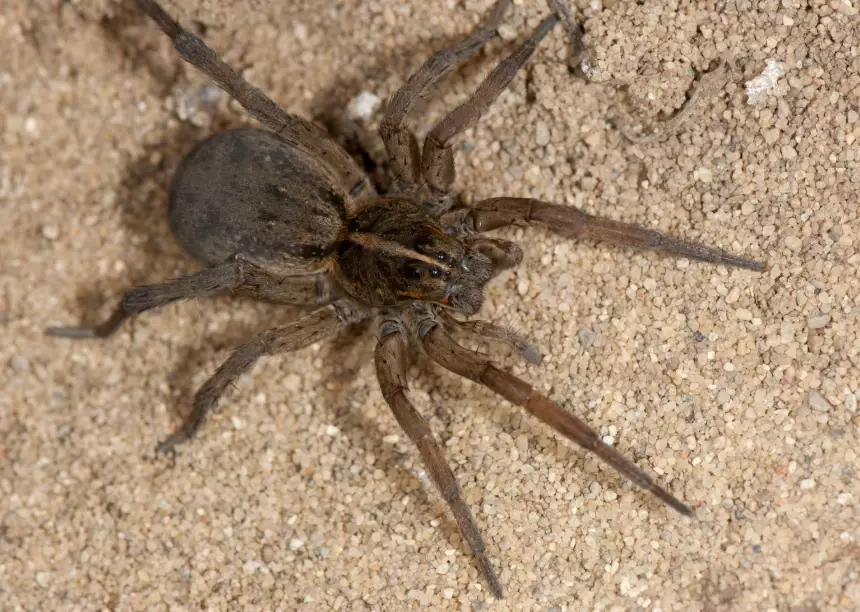
Now, how do you tell it apart from other spiders that might cause a mix-up? The two most common confusions are with brown recluse spiders and nursery web spiders.
Wolf Spider vs. Brown Recluse: Don't Panic
This is the big one. People see a brown spider and immediately think "recluse." The fear is understandable, but the odds are massively in favor of it being a wolf spider, especially if you're not in the core geographic range of the brown recluse. Let's clear this up with a simple table. It's easier than trying to remember a paragraph of text.
| Feature | Wolf Spider | Brown Recluse Spider |
|---|---|---|
| Eye Pattern | 8 eyes in 3 rows (4 small, 2 large, 2 medium). Distinctive. | 6 eyes, arranged in three pairs (looks like a little smiling face). |
| Body & Legs | Robust, hairy body and legs. Strong, prominent appearance. | Smooth, hairless-looking body and legs. More delicate appearance. |
| Markings | Mottled, streaky patterns in brown/gray. Camouflage. | Uniform color (tan to dark brown). Has a dark, violin-shaped marking pointing towards the abdomen (the "fiddleback"). |
| Behavior | Active hunter. Runs fast. Often seen in the open. | Shy, reclusive. Hides in undisturbed areas. Not a runner. |
| Web | Does not build a capture web. May have a silk retreat. | Builds an irregular, off-white, sticky web in secluded spots. |
See the differences? The eyes and the hair are the biggest quick tells. If the spider is hairy and fast, it's almost certainly a wolf spider. The brown recluse is smooth and shy. The University of California's Statewide Integrated Pest Management Program has a fantastic, detailed resource on spider identification that dives deeper into these distinctions if you want to be absolutely sure.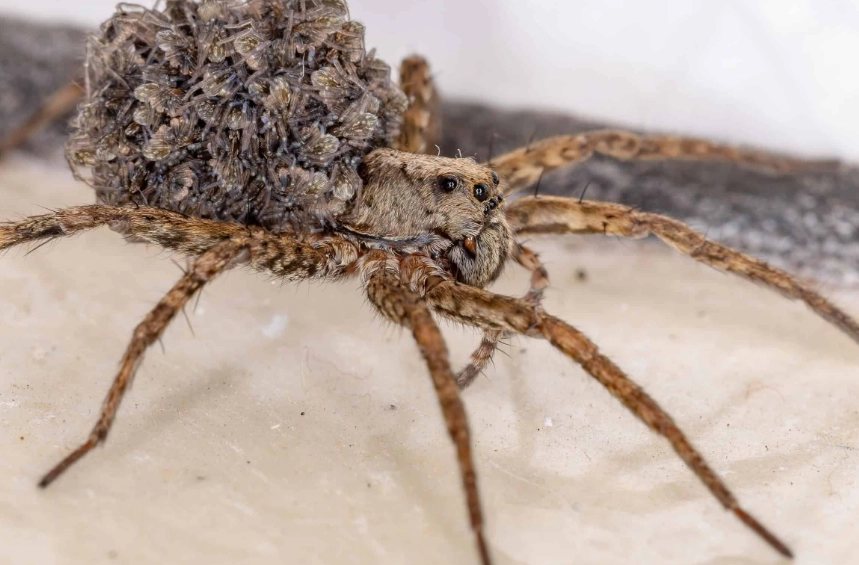
The Life of a Hunter: Behavior and Ecology
Okay, so you've identified it. What's it doing? Wolf spiders are the lions of the micro-world. They don't spin intricate webs and wait. That's a passive life. Wolf spiders are active predators. They patrol their territory—your garden, the edge of a woods, a basement floor—using those incredible eyes to spot movement. When they see a cricket, a cockroach, another insect, or even a smaller spider, they chase it down and pounce. They use venom to subdue their meal, but they're not interested in you. You're not on the menu.
Their hunting style is why you see them out and about. It's also why they sometimes wander indoors. They're following prey or seeking shelter. They're not "infesting" your house looking for people. They're looking for bugs. Honestly, if you have a lot of wolf spiders inside, it might be a sign you have a lot of other insects they're eating. They're a natural pest control service, even if their method of delivery is a bit startling.
Now, here's a behavior that truly fascinates me and makes wolf spiders stand out: maternal care. In most of the spider world, the story ends after egg-laying. Not for a female wolf spider. She spins a silk egg sac and attaches it to her spinnerets at the rear of her body. She carries this blueish, round sac everywhere she goes. You might see a large wolf spider what looks like dragging a big marble behind her. That's her unborn babies.
When the spiderlings hatch, they don't immediately scatter. They climb onto their mother's abdomen and back, sometimes in layers, and she carries them for a week or more until they are ready to disperse. Seeing a large wolf spider covered in dozens of tiny moving specks is an unforgettable sight. It's one of the most advanced forms of parental care in the arachnid world. After that week, the spiderlings balloon away on silk threads or simply hop off to start their own solitary hunting lives.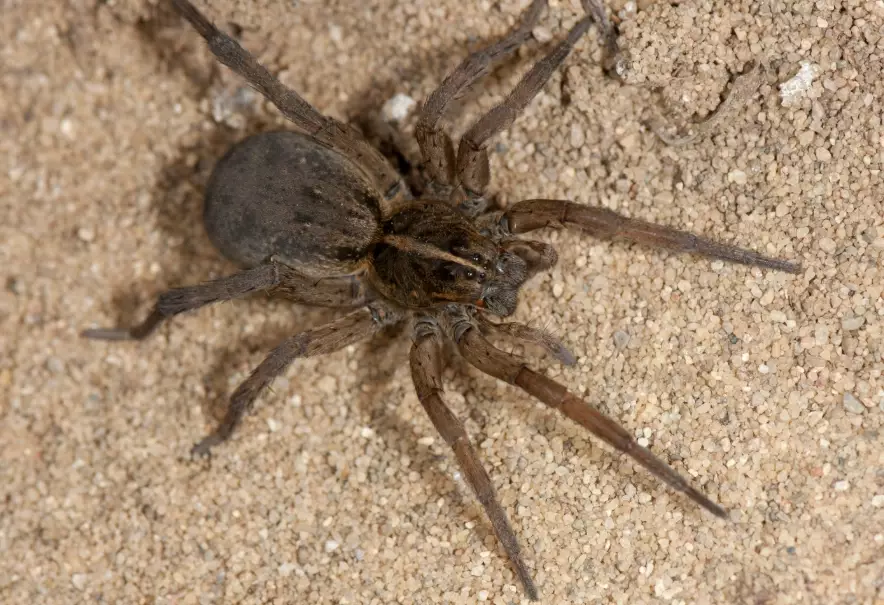
The Big Question: Are Wolf Spiders Dangerous?
This is the heart of the matter, right? You want to know about wolf spider bite treatment because you're worried about the risk. Let's be perfectly clear.
Wolf spiders are not aggressive toward humans. Their primary defensive strategy is to run and hide. They will only bite if they are physically trapped, pressed against your skin, or feel they have no other escape route. Think picking one up bare-handed, rolling over on one in bed, or putting on a glove or shoe where one has taken refuge.
So, what happens if you do get bitten? The venom of wolf spiders is not considered medically significant for humans. It's designed for insects. That doesn't mean it's a pleasant experience. A bite might be similar to a bee sting or worse.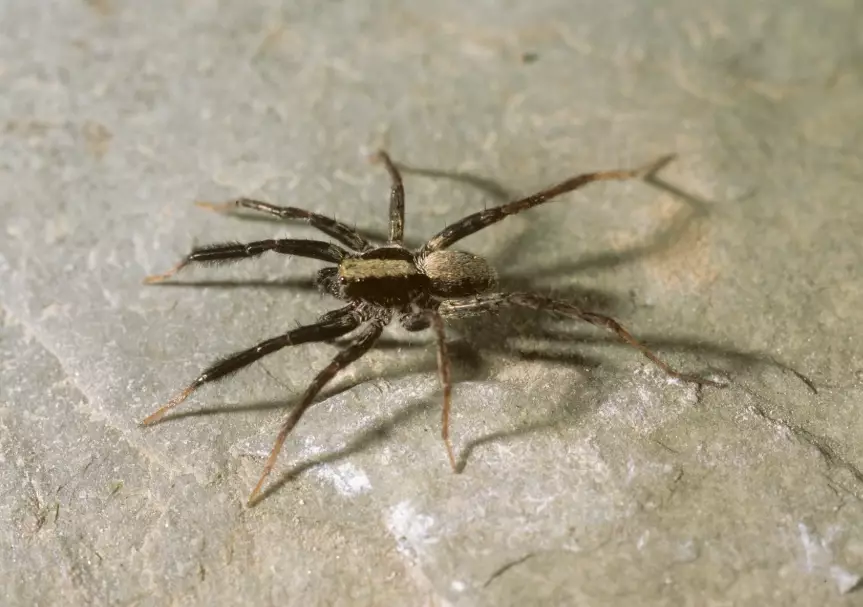
Common wolf spider bite symptoms include:
- Immediate sharp pain at the bite site.
- Redness, swelling, and itching around the area.
- The site may feel tender or develop a raised bump.
In other words, it's a local reaction. It's your body responding to a foreign substance.
Now, here's where things get murky and where a lot of misinformation spreads. There is a condition called "necrotic arachnidism," where tissue around a bite dies. This is famously associated with brown recluse bites. Wolf spider bites do not cause necrotic lesions. This is a critical fact. Many reported "wolf spider bites" that turn nasty are actually bites from other creatures (like ticks that transmit bacteria) or infections from unrelated cuts or scratches that get blamed on a spider. A study published in the journal Clinical Microbiology Reviews has pointed out the frequent misdiagnosis of skin lesions as spider bites.
That said, as with any break in the skin, there's a risk of secondary bacterial infection if the bite is scratched with dirty fingernails. Also, some individuals may have stronger allergic reactions, though this is rare.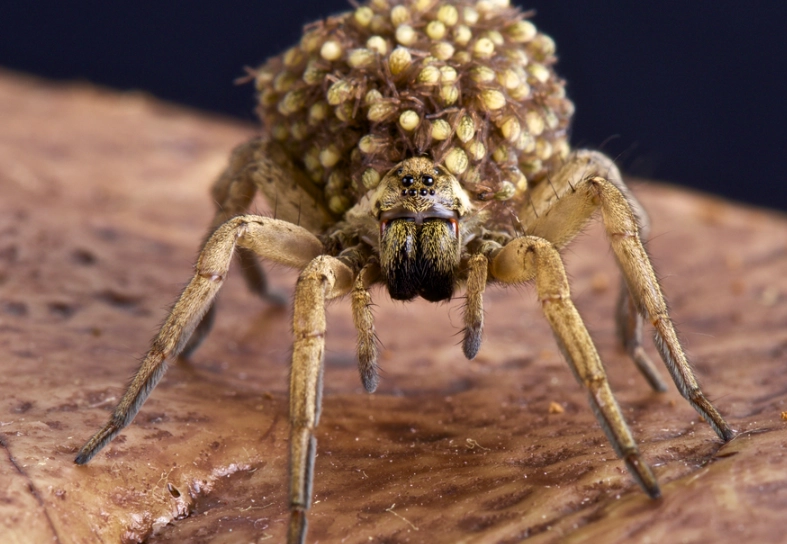
What to Do if You're Bitten
Don't panic. Remember, the risk of serious complication is extremely low.
- Clean the area: Wash the bite gently with soap and warm water. This reduces the risk of infection.
- Apply a cool compress: Use an ice pack wrapped in a cloth to reduce swelling and pain. 15 minutes on, 15 minutes off.
- Manage discomfort: Over-the-counter pain relievers (like ibuprofen or acetaminophen) and antihistamines (for itching) can help.
- Elevate the area if swelling is significant.
- Monitor: Keep an eye on the bite. Increased redness, swelling, pain, or the development of pus could indicate a secondary infection.
When to see a doctor: If you experience symptoms beyond the local site—like difficulty breathing, dizziness, nausea, muscle cramps, or a spreading rash—seek medical attention immediately, as this could indicate a severe allergic reaction. Also see a doctor if signs of infection develop or if you are unsure what bit you and are in an area with dangerous spiders like the black widow or brown recluse. The CDC's guidelines on spiders provide a good, conservative framework for when to seek professional care.
I know some websites recommend catching the spider for identification. In theory, it's good advice. In practice, if you've just been bitten, the last thing you're thinking about is carefully capturing the culprit. If you can safely do it (glass and cardboard method), great. If not, don't stress over it. Just focus on treating the bite.
Living With (or Without) Wolf Spiders
You have options. Your goal shouldn't necessarily be a scorched-earth policy against all spiders. They play a crucial ecological role. Your goal should be management and peaceful coexistence, with a focus on keeping them out of your living spaces if they bother you.
Prevention is Key: The best way to deal with wolf spiders is to make your home less attractive to them and their prey.
- Seal entry points: Check foundations, around doors and windows, and where utilities enter. Use caulk, weather stripping, or copper mesh to close gaps.
- Reduce clutter: Clear piles of wood, leaves, bricks, or other debris away from your home's exterior. This eliminates harborage spots.
- Manage lighting: Bright exterior lights attract the insects that wolf spiders eat. Switch to yellow sodium vapor bulbs or place lights away from doorways, directing the light toward the house instead of having the fixture on the house wall.
- Keep it tidy indoors: Regular vacuuming, especially in corners, under furniture, and in basements, removes spiders, egg sacs, and the insects they eat. Don't forget to vacuum behind and under appliances.
Non-Lethal Removal: If you find one inside and want it gone, the classic cup-and-cardboard method works perfectly. Slide a sturdy piece of paper or cardboard under the cup, carry the spider outside, and release it in a sheltered spot like a garden or woodpile. They are beneficial outdoors.
Chemical Controls: I'm not a big fan of widespread insecticide spraying indoors for spiders. It's often ineffective because spiders don't groom themselves like insects do, and the residues don't affect them as easily. It also kills the natural predators of other pests. If you feel you must, targeted applications in cracks and crevices where they hide can be part of an integrated plan. Always read and follow label instructions. A better use of insecticides is outdoors, as a barrier treatment around the foundation to reduce general insect prey, which in turn makes the area less attractive to wolf spiders.
Remember, a few wolf spiders in your garage or garden are a sign of a healthy ecosystem. They're working for you. The American Museum of Natural History has a great piece on the role of spiders that puts their ecological importance into perspective.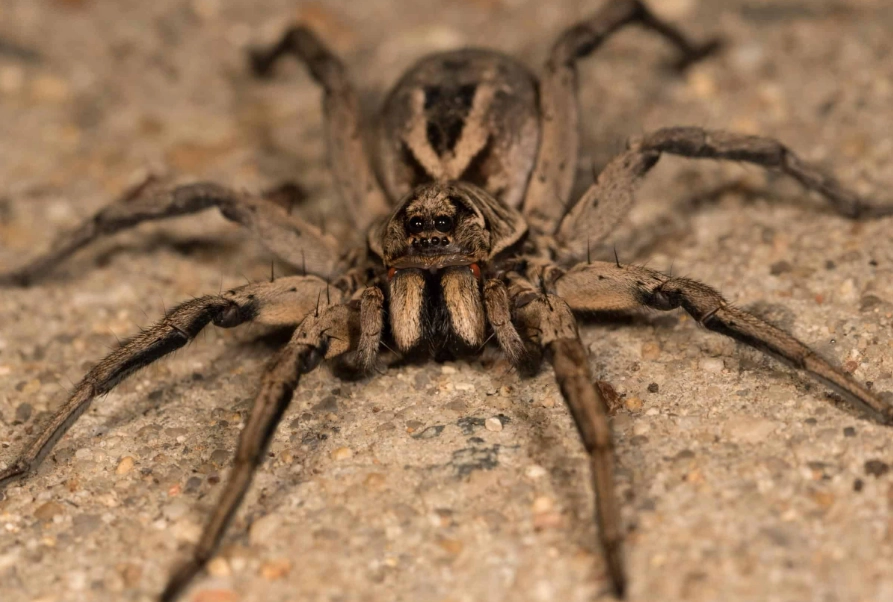
Common Questions About Wolf Spiders (Answered)
Final Thoughts: Respect, Not Fear
Look, I'm not going to tell you to think wolf spiders are cute. They're not. But after learning about them, I hope you can at least move from fear to a healthy respect. They are remarkable, successful predators with fascinating behaviors. They are not out to get you.
The next time you see one, take a breath. Remember it's a hunter of pests, a devoted mother (if it's a female with an egg sac), and an animal that would much rather be left alone. You have the power to gently escort it outside or to simply let it be if it's in a non-intrusive area like a basement corner.
Managing wolf spiders is really about managing your home's environment—sealing it up, reducing clutter, and controlling other insects. It's a holistic approach that solves the root cause, not just the startling symptom. By understanding these creatures, you take back control and replace that jumpy feeling with knowledge. And that's always better than screaming into a shoe.
Reader Comments