Your Quick Guide
- Getting to Know the Red Eyed Tree Frog
- Setting Up the Perfect Home: The Terrarium
- What Do Red Eyed Tree Frogs Eat? (And How Often?)
- Common Health Issues: What to Watch For
- Handling and Behavior: Are They Pets You Can Hold?
- Frequently Asked Questions (The Stuff You Really Want to Know)
- Final Thoughts: Is a Red Eyed Tree Frog Right For You?
Let's be honest. The first time you see a photo of a red eyed tree frog, it's hard not to be captivated. That neon green body, those crazy blue and yellow stripes, and those piercing red eyes staring right at you. It looks like a living piece of art. I get it. I was there too, years ago, staring at a picture and thinking, "I need one of those in my life."
But here's the thing they don't always tell you in the flashy Instagram posts: these frogs are more than just a pretty face. They're a commitment, and getting their care wrong is easier than you think. I've made some of those mistakes myself. The good news? When you get it right, there's nothing quite like seeing a healthy, vibrant red eyed tree frog chilling on a leaf in a tank you created. It's incredibly rewarding.
This guide isn't just a dry list of facts. It's everything I wish I knew when I started, mixed with the hard-won experience of keeping these amazing animals. We'll talk setup, food, health, and bust some common myths. Let's dive in.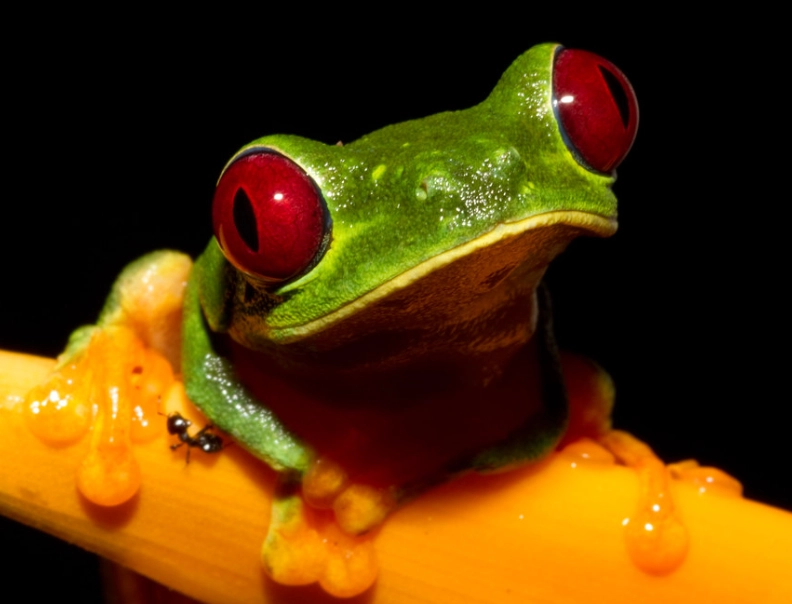
Quick Reality Check: Red eyed tree frogs (Agalychnis callidryas) are not "beginner" frogs. They have specific humidity, temperature, and spatial needs. If you're completely new to amphibians, you might want to start with something hardier. But if you're set on them (and have done your homework), you can absolutely succeed.
Getting to Know the Red Eyed Tree Frog
Before we talk about tanks and thermometers, let's understand the animal. Where do these colorful frogs come from, and what are they like?
Red eyed tree frogs call the rainforests of Central America home—think Costa Rica, Nicaragua, Panama. They're arboreal, meaning they live their entire lives in the trees, rarely (if ever) touching the ground. That right there tells you the most important thing about their enclosure: it needs to be tall, not long.
Those famous colors? They're a brilliant defense mechanism. During the day, the frog tucks its bright legs under its body, closes its big red eyes, and becomes a green lump on a green leaf. Perfect camouflage. If a predator disturbs it, the frog suddenly flashes its red eyes, blue sides, and orange feet. That burst of color can startle the predator just long enough for the frog to make a jump for it. It's called "startle coloration," and it's incredibly effective.
They're nocturnal. Your red eyed tree frog will spend most of the daylight hours sleeping, glued to the side of a leaf or the glass of the tank. Come evening, they become active—hunting, moving around, and sometimes even making a soft, gentle chirping sound.
Setting Up the Perfect Home: The Terrarium
This is where most first-timers slip up. A small "kit" tank from a pet store won't cut it. Not even close. Creating the right environment is 90% of keeping a healthy frog.
Tank Size and Type
For a single frog, the absolute minimum is a 18"x18"x24" tall terrarium. But honestly? Go bigger if you can. A 24"x18"x24" or even taller is better, especially for a pair. Remember, they live in vertical space. A long, low tank is useless to them. Glass terrariums with front-opening doors are the gold standard. They make maintenance easier and hold humidity better than screen-topped aquariums.
I made the mistake of starting with a converted aquarium with a mesh lid. Keeping the humidity up was a constant battle, and I was always worried about my frog escaping when I lifted the lid. Switching to a proper front-opening terrarium was a game-changer.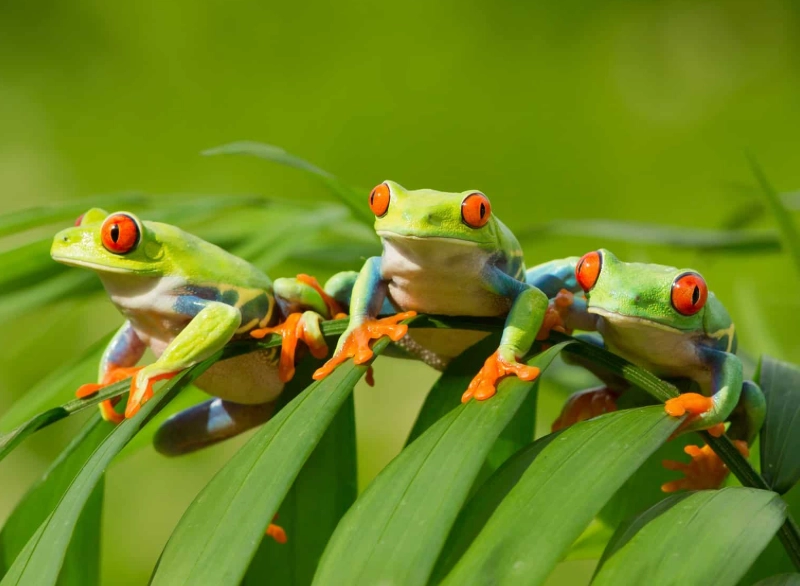
The Non-Negotiables: Heat, Light, and Humidity
Getting this trifecta wrong is the fastest way to a sick frog. Here's the breakdown:
- Temperature: They need a gradient. The warmest spot should be around 80-85°F (27-29°C) during the day, created by a low-wattage heat lamp or a heat pad on the side (never under the tank!). The rest of the tank should cool down to about 72-78°F (22-26°C). At night, a drop to 68-75°F (20-24°C) is fine and natural. Use digital thermometers at both the top and bottom of the tank.
- Lighting: They don't need special UVB lighting for calcium metabolism like some reptiles, but they do need a regular day/night cycle. A simple low-output LED or fluorescent plant light on a 12-hour timer works perfectly. It helps your plants grow and tells your frog when it's day and night.
- Humidity: This is the big one. Aim for 70-80% humidity at all times. It should spike to near 100% after misting and slowly drop until the next misting. You'll need a good quality digital hygrometer (those analog dial ones are often inaccurate). To maintain humidity, you'll mist the tank 1-2 times daily with dechlorinated water. An automatic misting system is a fantastic investment for peace of mind, especially if you travel.
Watch Out: High humidity without good ventilation leads to stagnant, moldy air and respiratory infections. Your terrarium must have some ventilation (usually near the top) to allow for air exchange. It's a balancing act.
Substrate and Decor: Building a Rainforest
You want a tank that looks and functions like a slice of rainforest. The floor (which your frog will rarely use) should have a moisture-retaining substrate. A simple, safe mix is organic potting soil (no fertilizers or perlite) topped with sphagnum moss and leaf litter. This helps with humidity and looks natural.
The real furniture is vertical. You need lots of branches, vines, and most importantly, broad-leaf plants. Live plants are best—they help with humidity and air quality. Pothos, Philodendron, and Bromeliads are nearly indestructible in a warm, humid tank. Bromeliads are especially great because their central "cups" can hold water, giving your frog a safe place to rehydrate or even lay eggs.
Provide plenty of hiding spots and perches at different heights. Your red eyed tree frogs will thank you by showing more natural behaviors.
What Do Red Eyed Tree Frogs Eat? (And How Often?)
In the wild, they're insectivores, snatching up whatever crawls or flies by. In captivity, variety is not just the spice of life—it's essential for health.
Staple Diet: Gut-loaded crickets are the most common food. "Gut-loading" means feeding the crickets nutritious foods (like carrots, sweet potato, commercial gut-load) 24-48 hours before you feed them to your frog, so your frog gets those nutrients.
Variety Foods: Don't just feed crickets! Rotate in other feeders like:
- Dubia roaches (excellent nutrition, can't climb smooth glass)
- Black soldier fly larvae (calci-worms)
- Occasional waxworms or hornworms as a treat (these are fatty, like frog candy)
Dusting is Critical: Every single insect, at almost every feeding, needs to be lightly dusted with a high-quality vitamin and mineral supplement. A plain calcium powder is not enough. You need a calcium powder with Vitamin D3 for most feedings, and a multivitamin powder once or twice a week. This prevents Metabolic Bone Disease (MBD), a common and fatal condition in captive amphibians caused by calcium deficiency. The reputable AmphibiaWeb database, maintained by UC Berkeley, is a great resource for understanding amphibian biology and the importance of proper nutrition.
Feeding Schedule: Juveniles should be fed daily, as much as they'll eat in 15-30 minutes. Adults only need to be fed 2-3 times per week, 3-6 appropriately-sized insects per feeding. An insect should be no wider than the space between the frog's eyes.
Pro Tip: Feed in the evening when your frogs are active. Use feeding tongs or release the insects into the tank. I've found that releasing crickets allows for more "natural" hunting behavior, but tong-feeding ensures you know exactly how much each frog eats, which is helpful if you have more than one.
Common Health Issues: What to Watch For
Even with perfect care, things can happen. Knowing the signs of illness can save your frog's life.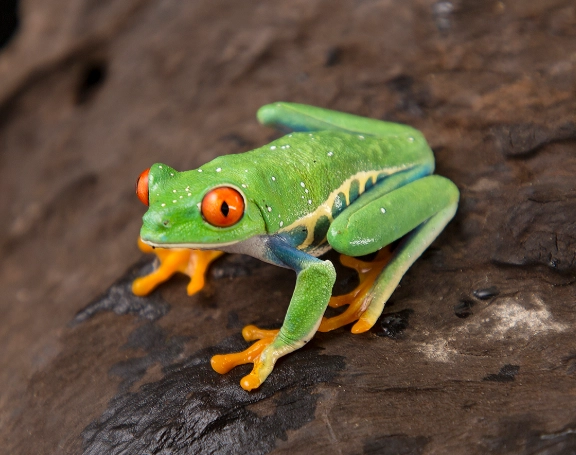
| Problem | Signs & Symptoms | Likely Cause & Action |
|---|---|---|
| Red-Leg Disease | Reddening of the skin on the belly and legs, lethargy, loss of appetite. | Bacterial infection. Often linked to poor water quality or dirty substrate. Requires immediate veterinary care with antibiotics. |
| Metabolic Bone Disease (MBD) | Soft, rubbery jaw; difficulty climbing; lethargy; twisted limbs or spine. | Chronic lack of calcium/Vitamin D3. Preventable with proper dusting. Advanced cases need a vet. |
| Skin Issues (Fungal/Bacterial) | Cloudy, gray, or slimy patches on the skin; sores. | Often from unclean conditions or stress. Improve hygiene, consult a vet for treatment. |
| Parasites | Weight loss despite eating, abnormal feces, bloating. | Internal parasites from feeder insects. A fecal exam by an exotic vet is needed for diagnosis. |
| Dehydration | Sunken eyes, dry/wrinkled skin, lack of activity. | Humidity is too low, or no accessible water source. Increase misting frequency immediately. |
The most important thing on this list? Find an exotic veterinarian who sees amphibians before you get your frog. Don't wait for an emergency to look for one. Regular check-ups aren't usually needed for frogs, but having a vet lined up is crucial.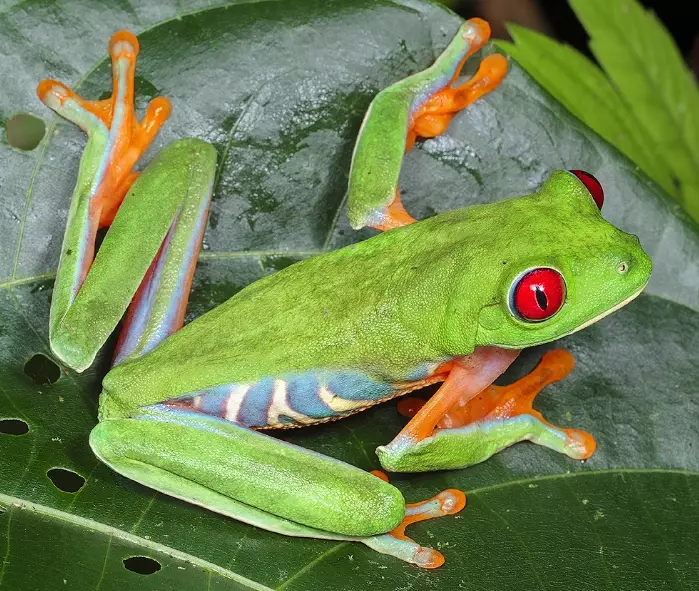
Handling and Behavior: Are They Pets You Can Hold?
This is a common question with a simple answer: No.
Red eyed tree frogs are look-don't-touch pets. Their skin is extremely permeable and sensitive. The oils, salts, and lotions on our hands can be absorbed and cause serious harm. Furthermore, they are easily stressed by handling, which suppresses their immune system. The only times you should handle them are during essential tank maintenance or health checks, and even then, with clean, wet hands or by gently herding them into a temporary holding container.
Their behavior, however, is fascinating to observe. You'll learn their favorite perches, their hunting techniques, and their nightly routines. Watching a healthy red eyed tree frog navigate its little world is the real joy of keeping them.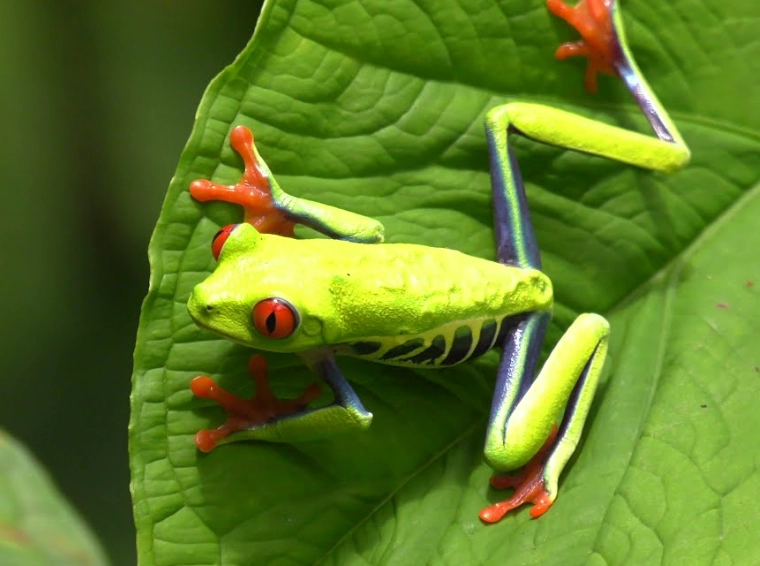
Frequently Asked Questions (The Stuff You Really Want to Know)
Can I keep more than one red eyed tree frog together?
Yes, they can be kept in small groups, provided the tank is large enough. Add at least 10-15 gallons of vertical space per additional frog. They are not social, but they are generally tolerant of each other. Avoid mixing different species of frogs, as this can spread disease and cause stress.
How long do red eyed tree frogs live?
In captivity, with excellent care, they can live 5-8 years, sometimes even longer. Their lifespan is directly tied to the quality of their husbandry.
Why is my red eyed tree frog always hiding?
That's normal! They are nocturnal and cryptic by nature. If it's hiding during the day, it's just sleeping. If it's hiding all the time, even at night, it might be stressed. Check your environmental parameters (temp, humidity) and ensure there are enough hiding places that make it feel secure.
Do they make noise?
Males will call, especially if they hear other frogs or running water (like your misting system). It's not a loud "ribbit" but more of a soft, quick double-chirp or vibrating sound. It's actually quite pleasant.
Where can I buy a healthy red eyed tree frog?
Avoid big chain pet stores. Seek out reputable reptile/amphibian expos, specialty pet stores, or established online breeders. Look for a frog with clear, bright eyes, clean skin, a plump body, and that is alert and active when disturbed (at night). Captive-bred (CB) frogs are always preferable to wild-caught (WC), as they are hardier, less stressed, and free of parasites. The U.S. Geological Survey provides resources on amphibian diseases and conservation, highlighting why supporting captive breeding is important.
Final Thoughts: Is a Red Eyed Tree Frog Right For You?
Let's circle back. These frogs are stunning, no doubt. But they are a pet that requires consistency, attention to detail, and a willingness to invest in the right equipment from the start. They're not cheap to set up properly, and they're not interactive in the way a dog or cat is.
If you're looking for a beautiful, living piece of a rainforest ecosystem to observe and care for, and you're ready for the responsibility, then a red eyed tree frog can be an amazing companion. If you want something you can handle, or a pet that requires minimal daily input, this isn't it.
Do your research—beyond just this article. Read forums, look at setup videos, and talk to breeders. The more you know going in, the better the experience will be for you and your future frog. Good luck!
Reader Comments