Quick Guide
So you're thinking about an Amazon tree frog, or maybe you've just gotten one and are staring at this little black and white (or sometimes blue and white) creature wondering what you've signed up for. I get it. They look incredible—like something from a fantasy movie—but what's it really like to have one as a pet? Let's cut through the basic care sheets you find everywhere and talk about the real stuff.
Honestly, the first time I saw one at a reptile expo, I was hooked. They don't have the cuddly factor of a mammal, but there's something deeply calming about observing their little world. But here's the thing nobody tells you upfront: keeping an Amazon tree frog (often sold as the Amazon milk frog, Trachycephalus resinifictrix) thriving is about nailing the details. It's not the hardest frog to keep, but it's not a "set it and forget it" pet either. If you want a vibrant, active, healthy frog that lives a long life, you need to get the environment just right.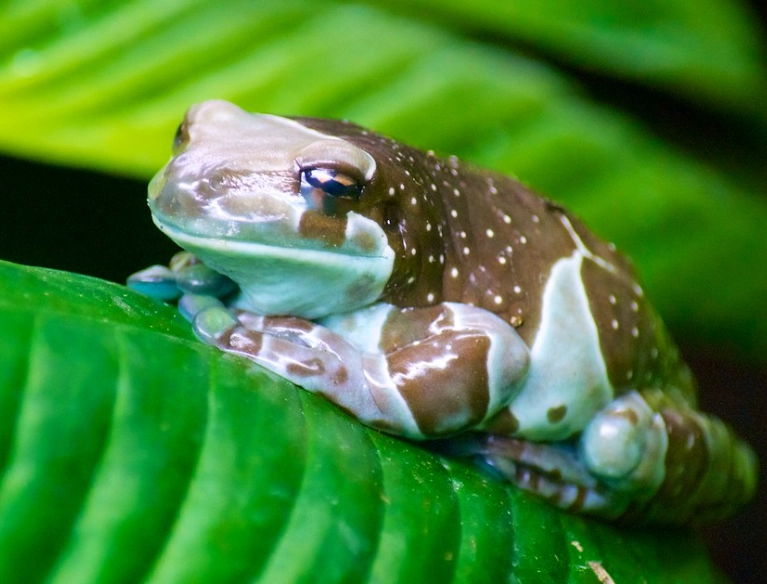
Setting Up the Perfect Amazon Tree Frog Palace
This is where most beginners slip up. You can't just throw a frog in a tank with a water bowl and some dirt. For an Amazon milk frog, the enclosure isn't just a box; it's their entire universe. Get it wrong, and you'll have a stressed, sick, or hiding frog. Get it right, and you'll have a fascinating display of natural behaviors.
Tank Size and Type: Think Vertical
These are climbers. I made the mistake early on with a tank that was too short. Big error. A single adult frog needs a minimum of a 20-gallon tall tank. But listen, minimums are for survival, not thrival. If you can go for a 30-gallon tall or even an 18x18x24" Exo Terra-style terrarium, do it. For a pair, start at 30 gallons tall. More space means more climbing areas, better temperature gradients, and a much happier frog.
Glass is best because it holds humidity. Screen tops are fine, but you'll need to cover a large portion with glass or plastic to keep the moisture in. Aesthetics matter too—you'll be looking at this every day, so invest in a nice front-opening tank if you can. It makes maintenance so much easier.
The Non-Negotiables: Heat, Humidity, and Light
This is the trifecta. Mess up one, and things go downhill.
Temperature: Aim for a gradient. The warm spot (usually near the top where they bask) should be 80-85°F (27-29°C) during the day. The cooler end and bottom of the tank can drop to 75-78°F (24-26°C). Nighttime temps can safely drop to 70-75°F (21-24°C). Use a low-wattage ceramic heat emitter or a heat pad on the side of the tank (never underneath with a water-heavy substrate!). An overhead basking light can work but watch the humidity.
Humidity: This is critical. 70-80% relative humidity is the sweet spot. How do you maintain that in a screened-top tank?
Misting twice daily with a hand sprayer is the bare minimum. I found it tedious and inconsistent. An automated misting system (like MistKing or Exo Terra Monsoon) is a game-changer. It's an investment, but it keeps humidity rock-steady and gives the frogs the rain showers they instinctively love.
A large, clean water dish also adds to ambient humidity. And a substrate that holds moisture (but isn't soggy) is key—more on that below.
Lighting: They don't need intense UVB like some reptiles, but a low-level UVB light (like a 5.0 or 2.0 strength tube) for 10-12 hours a day is highly recommended by many advanced keepers. It helps with calcium metabolism and seems to promote natural activity cycles. A simple LED plant light on a timer works well to simulate a day/night cycle and will make your live plants flourish.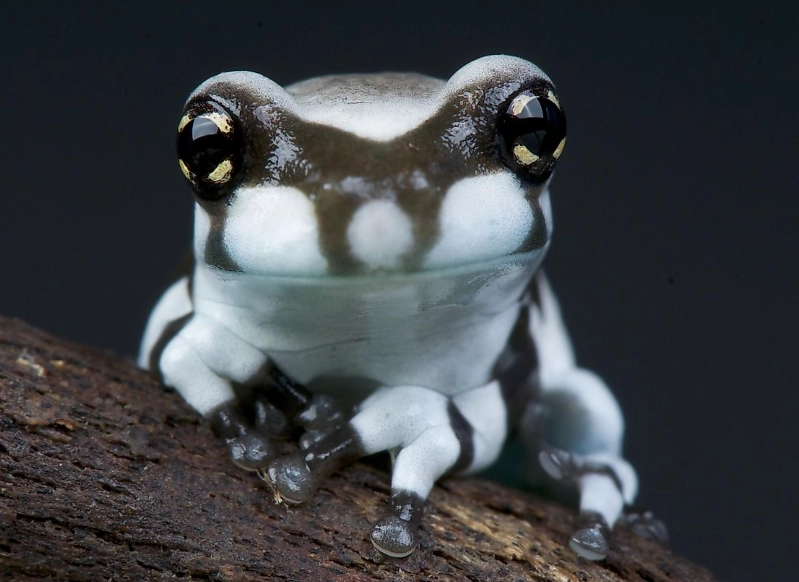
Substrate, Plants, and Decor: Building a Bioactive World
Bare tank bottoms are a no-go. You need something that holds moisture, is safe if accidentally ingested, and supports plant life. My personal ranking:
- Bioactive Setup (The Gold Standard): A drainage layer (clay balls), a mesh separator, then a rich soil mix (coco fiber, orchid bark, sphagnum moss, charcoal). Add springtails and isopods ("clean-up crew") to break down waste. This creates a living, self-cleaning ecosystem. It's more work to set up but virtually no work to maintain long-term. Your Amazon tree frog will thrive in this.
- Simple & Safe: A mix of organic potting soil (no fertilizers/pesticides!) and coconut fiber. Keep it damp, not wet. Change it every 1-2 months.
- Avoid: Gravel, small bark chips (impaction risk), pure moss (can be too soggy), and any calcium sand.
Climbing & Hiding: This species of tree frog needs vertical space. Use:
- Driftwood & Cork Rounds: Sanitize by baking or boiling first. Cork rounds provide perfect, dark hiding spots.
- PVC pipes (the ugly but effective secret): A section of 3" PVC pipe angled in the back corner gives a guaranteed secure hide. You can cover it with moss or silicone coco fiber to it to make it look natural.
- Live Plants: Pothos is the indestructible champion. It grows like crazy, roots in water, and provides great cover. Philodendron, snake plants, and bromeliads (which can hold water in their central cups—a favorite frog hangout!) are also excellent. Live plants help regulate humidity and improve air quality.
| Heating & Lighting Option | Best For | Pros | Cons |
|---|---|---|---|
| Ceramic Heat Emitter (CHE) | 24/7 heat without light | Great for night heat, long-lasting, doesn't affect day/night cycle | Dries out air, must be used with a thermostat |
| Low-Wattage Basking Bulb | Creating a daytime hot spot | Creates a natural temperature gradient, encourages basking | Can be too drying, emits light (can't use at night) |
| Undertank Heat Pad | Supplemental background heat | Inexpensive, simple | Ineffective for tall tanks, risk of overheating wet substrate |
| UVB 5.0 Fluorescent Tube | Providing beneficial UV rays | Promotes health and natural behavior, good for plants | Needs replacing every 6-12 months, extra cost |
What Do You Feed an Amazon Tree Frog? (It's Not Just Crickets)
In the wild, their diet is diverse. In captivity, we often make it boring. A varied diet is the single biggest factor in a healthy, colorful frog. I used to just dump in crickets. My frogs were... fine. But when I switched to a rotation, their activity levels and coloration improved noticeably.
Staple Feeders:
- Gut-loaded Crickets: Still a good staple. "Gut-loading" means feeding the crickets nutritious foods (carrots, sweet potato, commercial gel) 24-48 hours before feeding them to your frog.
- Dubia Roaches: My absolute favorite. More meat, less chitin (shell), they don't climb smooth glass or chirp, and they're nutritious. Perfect size for adult Amazon milk frogs.
Treat & Variety Feeders:
- Black Soldier Fly Larvae (Calciworms/BSFL): Packed with calcium, so they're a fantastic supplement. The frogs go crazy for the wiggling.
- Silkworms: Soft, nutritious, and easily digestible. A bit pricey but excellent.
- Occasional Waxworms or Butterworms: These are like frog candy—high in fat. Use only as a rare treat, maybe once a month. Too many can cause obesity.
How to Feed & Supplement:
Young, growing frogs should be fed daily. Adults do well every other day. Offer only as many insects as they will consume in 15-30 minutes. I usually offer 4-6 appropriately sized roaches or crickets per adult frog per feeding.
Dusting with supplements is NOT optional. You need two powders:
- A high-quality calcium powder WITH Vitamin D3: Use this on almost every feeding for frogs without strong UVB lighting. If you have a good UVB light, you can use calcium without D3 more often.
- A multivitamin powder: Use this once a week.
Put the insects in a bag or cup with a pinch of powder and shake gently until they're lightly coated. Then offer them with long feeding tweezers or release them into the tank. I prefer tweezers for control and to ensure the frog gets the dusted food.
The Day-to-Day: Handling, Health, and Spotting Trouble
Let's be clear: Amazon tree frogs are not handling pets. Their skin is semi-permeable and absorbs oils, salts, and chemicals from our hands. Handling is stressful for them and risks damaging their delicate skin. The only times you should handle them are during essential tank transfers or health checks, and always with clean, wet hands.
So how do you interact? You observe. Part of the joy is watching them hunt, climb, and soak in their water bowl at night. It's a living art piece.
Common Health Issues to Watch For
Knowing what to look for can save your frog's life. Most health problems stem from incorrect husbandry (temperature, humidity, diet).
- Red-Leg (Bacterial Infection): A serious condition where the belly or legs turn pink/red. Caused by poor water quality or dirty conditions. Requires immediate veterinary care with antibiotics. Prevention? Keep the water dish pristine and remove waste promptly.
- Metabolic Bone Disease (MBD): A slow, crippling disease from lack of calcium/Vitamin D3. Symptoms include soft, rubbery jaw, difficulty climbing, bowed legs, and tremors. It's heartbreaking and totally preventable with proper dusting and/or UVB lighting.
- Skin Issues (Fungal/Bacterial): White, cottony patches (fungal) or sores/ulcers (bacterial). Often due to consistently too-high humidity or injuries from sharp decor. Quarantine and vet treatment is needed.
- Parasites: Weight loss despite eating, runny or abnormal stools. A fecal exam by an exotics vet can diagnose this. Often comes from wild-caught feeders, which is why I only use captive-bred insects.
- Impaction: A blockage in the gut from swallowing substrate or too-large prey. Symptoms include lethargy and lack of droppings. Prevent by feeding on a clean surface (like a dish) and using safe substrate.
Find a vet who sees exotics before you have an emergency. The Association of Reptilian and Amphibian Veterinarians (ARAV) has a find-a-vet tool. Bookmark it.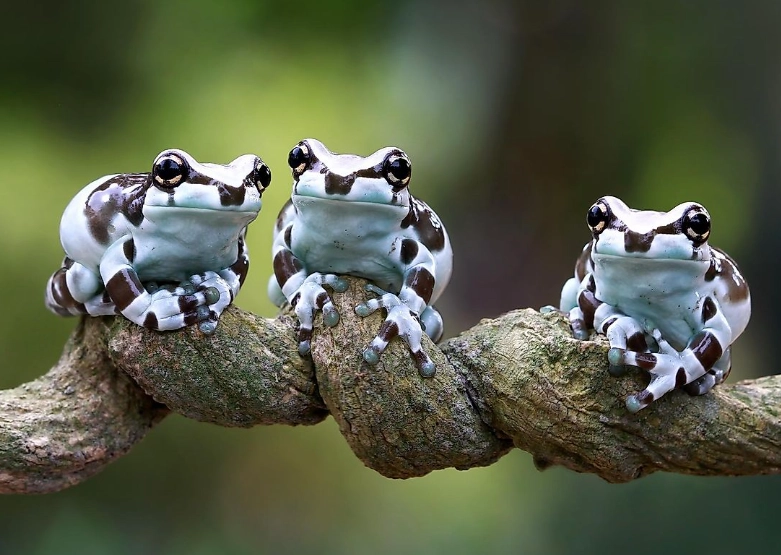
Answering Your Burning Questions About Amazon Tree Frogs
This is a big one. Like many frogs, they have mild skin toxins meant to deter predators in the wild. For humans, it's generally not dangerous, but it can cause irritation if you touch your eyes or mouth after handling them. Always wash your hands thoroughly after any contact with the frog or its habitat water. The "milk" name comes from a milky secretion they release when stressed. It's more of a defense mechanism than a true danger to humans, but respect it.
With proper care? A surprisingly long time. In captivity, 8-12 years is common, and some have been known to live over 15 years. This isn't a short-term commitment. Getting their care right from the start pays off in decades of enjoyment.
Yes, they can be kept in small groups, which is how I keep mine. A group of 2-3 in a sufficiently large, well-furnished tank (think 40+ gallons tall) can be fascinating to watch. However, avoid housing multiple males together in a small space, as they can become competitive and vocal, which is stressful. Females are generally larger and have a smoother skin texture on their backs compared to the slightly more granular skin of males. The most reliable way to sex them is by listening—males call, especially at night or when humid, with a loud, quick series of "beeps" or chirps. It's actually a really cool sound.
If it's a new frog, this is totally normal—it's acclimating. Give it a week of peace. If it's a long-term issue, check your setup. Not enough foliage or hiding spots? Is the tank in a high-traffic area with lots of movement? Are the lights too bright? A happy, secure Amazon tree frog will be visible and active, especially at dusk and night. Re-evaluate its environment.
Some color variation is normal based on time of day, temperature, and mood. They can range from a stark white and black to a more silvery-gray and black, and the blue flashes on their sides and legs can intensify. Dramatic, long-term dulling or darkening can be a sign of stress or illness.
The classic panic moment. First, check the obvious: Is the prey the right size? Is it moving enough to trigger a feeding response? (Try wiggling it with tweezers.) Are the temperatures correct? A cold frog has a slow metabolism and won't eat. Has anything changed recently (new decor, moved the tank)? Stress kills appetite. If all parameters are perfect and it refuses food for over a week, especially a young frog, it's time for a vet visit to rule out parasites or other illness.
The Bigger Picture: Conservation and Ethical Sourcing
This matters. While many Amazon milk frogs in the pet trade are now captive-bred (which is fantastic), it's crucial to ask your breeder or store about the origin. Captive-bred frogs are generally healthier, better acclimated to captivity, and put no pressure on wild populations. The Amazon rainforest, their natural home, faces significant threats. Supporting captive breeding programs is a small way hobbyists can help. Organizations like the IUCN track species' conservation status, and while T. resinifictrix is currently listed as "Least Concern", habitat loss is an ongoing issue for countless amphibians. Choosing a captive-bred frog is the responsible choice.
Look for breeders who can tell you about the frog's lineage and age. A reputable source is worth a slightly higher price. You're getting a hardier animal and supporting good practices in the hobby. I made a point to find a dedicated amphibian breeder for my group, and the difference in their initial health and boldness compared to a big-box store frog was night and day.
So, is an Amazon tree frog the right pet for you? If you're fascinated by creating a miniature ecosystem, enjoy observing more than handling, and are committed to maintaining specific environmental parameters, then absolutely. They are captivating, relatively long-lived, and a true testament to the beauty of the rainforest. It's a commitment, but for the right person, it's an incredibly rewarding one. Start with the best setup you can afford, do your research, and you'll be rewarded with a healthy, active piece of the Amazon in your home.
Just remember—it's all about the details. Nail the humidity, vary the diet, keep things clean, and just watch. That's when the magic happens.
Reader Comments