In This Guide
So you're thinking about getting a cooter turtle, or maybe you already have one and are wondering if you're doing things right. I get it. These aren't your average tiny pet store turtles. Cooters are a whole different ball game—bigger, often more personable, and with needs that can surprise a first-time keeper. I remember setting up my first tank for a river cooter years ago, thinking a simple aquarium would do. Let's just say I learned a lot about filtration very quickly.
This guide is the one I wish I had back then. We're going to dig into everything about cooter turtles, from what they actually are (it's more than just a cute name) to how to keep one thriving for decades. Forget the dry, textbook stuff. This is real talk from someone who's made the mistakes so you don't have to.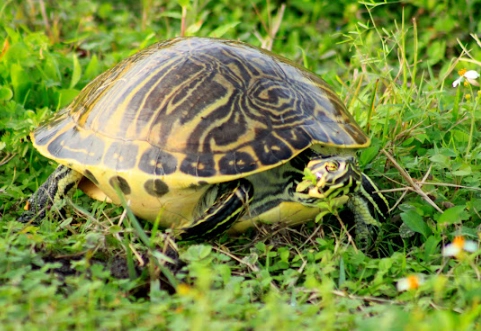
What Exactly Is a Cooter Turtle?
First things first, "cooter" isn't just one turtle. It's a common name for several species within the genus Pseudemys, and sometimes Trachemys (which includes the famous red-eared slider). When people say "cooter turtle," they're usually talking about the Pseudemys bunch. They're native to the eastern and central United States, often found in slow-moving rivers, lakes, marshes, and ponds. Think of them as the laid-back, sun-loving cousins in the aquatic turtle world.
Big, vegetarians who love to bask. That's the cooter vibe.
What makes a cooter a cooter? A few key things. They tend to have relatively high, domed shells compared to some flatter turtles. Their heads are often striped with yellow or cream, and they lack the big, bold red ear patch of the slider (though some have smaller markings). But their most famous trait? Size. Many cooter turtle species can get big. We're talking dinner-plate big. A full-grown female Florida cooter can easily reach 12 inches or more in shell length. This is the number one thing prospective owners underestimate, leading to cramped tanks and unhappy turtles.
They're primarily herbivorous as adults, munching on aquatic plants, which influences their care drastically compared to a meat-loving map turtle. And personality-wise? In my experience, cooters are often less skittish than other species. Once they settle in, they can become quite bold, swimming up to the glass for food and showing distinct behaviors. They're not "cuddly," but they are interactive in their own reptilian way.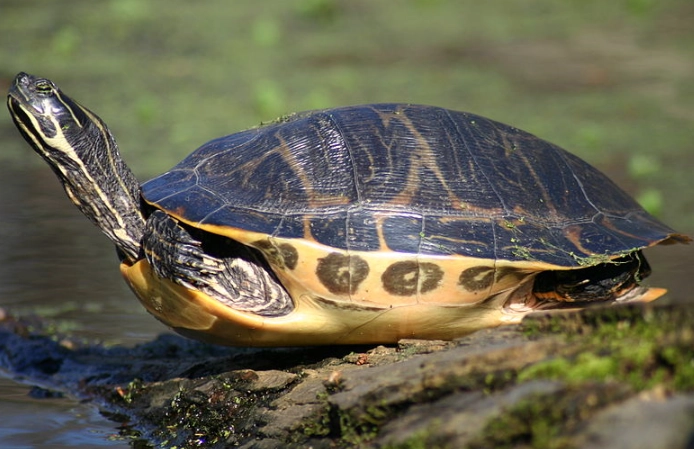
The Ultimate Cooter Turtle Care Guide
Alright, let's get into the nitty-gritty. Caring for a cooter is a long-term commitment—they can live 30, 40, even 50 years with proper care. This isn't a pet you get on a whim.
Setting Up the Perfect Cooter Turtle Habitat
The habitat is where most folks go wrong, usually by going too small. The old "10 gallons per inch of shell" rule? Toss it out for a cooter. It's insufficient. For a juvenile, maybe. For an adult cooter turtle, you need to think in terms of volume and footprint.
- Tank Size: For a single adult female of a large species (like the Peninsula or Florida cooter), a 125-gallon tank is a good starting point. Males can sometimes do in a 75-gallon, but bigger is always, always better. I'm a firm believer in giving them as much space as you can possibly afford and house. They use every inch.
- Water: They are strong, active swimmers. The water depth should be at least 1.5 to 2 times the length of their shell so they can turn and swim properly. For a 12-inch turtle, that's 18-24 inches of water. Deeper is fine if they have easy ways to get to the surface and their basking area.
- Filtration: This is non-negotiable. Cooters are messy, especially as they eat more greens. You need a filter rated for at least 2-3 times the volume of your tank. A canister filter is pretty much mandatory for an adult setup. I learned this the hard way with constant water changes before I invested in a Fluval FX series filter—it was a game-changer.
- Basking Area: Cooter turtles are passionate about basking. They need a completely dry, stable platform under a heat lamp. The basking spot temperature should be around 90-95°F (32-35°C), while the water temperature should be in the mid-70s to low-80s°F (24-28°C). Use a good quality heat lamp and a separate UVB lamp. UVB is critical for shell health and calcium metabolism—without it, they develop metabolic bone disease, a horrible and preventable condition.
- Substrate: Large, smooth river rocks or bare bottom are safest. Small gravel is a huge impaction risk if ingested.
What's on the Menu? Cooter Turtle Diet
This is where cooters really differ from many other aquatic turtles. Juveniles are omnivorous, eating a mix of protein and plants. But as they mature, their diet should shift dramatically toward vegetation.
An adult cooter turtle's diet should be about 80-90% plant-based. I make a "turtle salad" for mine a few times a week. Here's what goes in:
- Staple Greens: Dark, leafy greens are key. Romaine lettuce, red leaf lettuce, green leaf lettuce, dandelion greens (pesticide-free!), turnip greens, and collard greens are all excellent. Avoid iceberg lettuce—it's basically just water with little nutritional value.
- Aquatic Plants: If you can grow them or find safe sources, they love duckweed, water lettuce, and anacharis. It's fun to watch them forage.
- Vegetables: Shredded carrots, zucchini, squash, and bell peppers can be offered occasionally.
- Protein (in moderation): For adults, protein should be a treat, not a staple. Offer a few commercial turtle pellets (like Mazuri or Zoo Med) 1-2 times a week, or a piece of earthworm or thawed fish. Too much protein in an adult cooter's diet can lead to shell pyramiding and kidney issues.
Feed them in the water; they can't swallow properly on land. And remove any uneaten food after 15-20 minutes to keep the water clean.
Keeping Your Cooter Healthy: Common Issues
A well-cared-for cooter turtle is a hardy creature, but problems arise from poor habitat conditions.
- Shell Rot: Fungal or bacterial infections of the shell. Looks like discolored, pitted, or soft spots. Caused by poor water quality, inadequate basking, or injuries. Prevention is simple: clean water and a proper, dry basking area.
- Metabolic Bone Disease (MBD): A softening and deformation of the shell and bones. The shell may look lumpy or pyramided. Caused by lack of UVB light and/or dietary calcium. This is 100% preventable with proper lighting and diet.
- Respiratory Infections: "Pneumonia." Symptoms include lethargy, swimming lopsided, wheezing, or mucus around the mouth and nose. Often caused by water that's too cold or drastic temperature fluctuations.
- Parasites: Internal parasites are common, especially in wild-caught turtles (which you should avoid, both ethically and legally in many areas). A fecal exam by a qualified exotic veterinarian is a good idea for any new turtle.
Find a vet before you have an emergency. Not all vets see reptiles.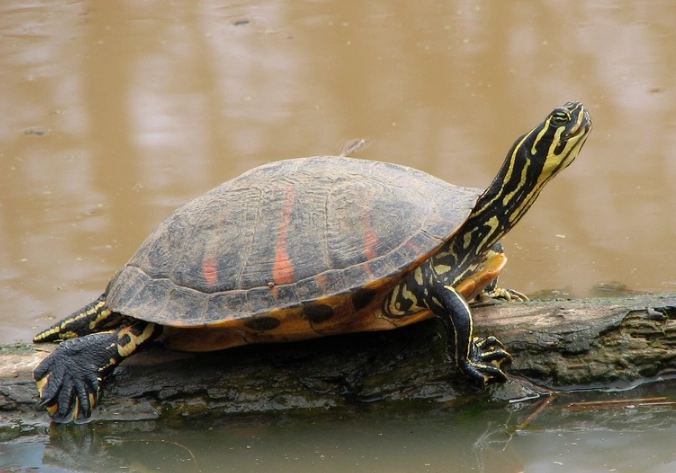
Speaking of vets, having a relationship with an exotic animal veterinarian is crucial. The Association of Reptilian and Amphibian Veterinarians (ARAV) has a find-a-vet tool on their website. It's an invaluable resource.
Meet the Family: Common Cooter Turtle Species
Not all cooters are the same. Here's a breakdown of some species you're likely to encounter. This table should help clear up the confusion.
| Species Name (Scientific) | Common Name | Average Adult Size (Shell Length) | Key Identifying Features | Native Range |
|---|---|---|---|---|
| Pseudemys floridana | Florida Cooter | 9-13 inches (F larger) | Dark shell with intricate yellow markings; often a bold vertical bar behind the eye. | Florida, SE Georgia, SE South Carolina |
| Pseudemys peninsularis | Peninsula Cooter | 9-15 inches (F larger) | Very similar to Florida cooter, sometimes considered a subspecies. Often has more pronounced shell patterns. | Florida Peninsula |
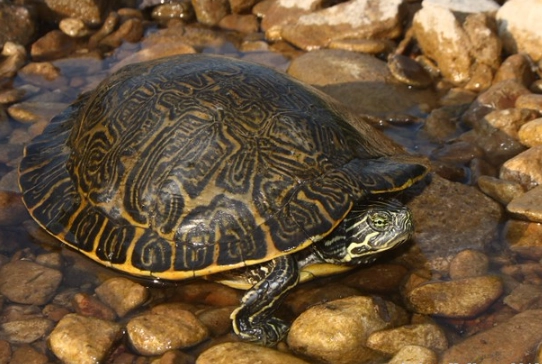
| Pseudemys concinna | River Cooter | 8-12 inches | Rich brown or olive shell with distinctive, concentric "C" shapes on the scutes (shell plates). Pronounced yellow head stripes. | Central & Eastern U.S., from Illinois/Virginia south to the Gulf |
| Pseudemys nelsoni | Florida Red-bellied Cooter | 10-12 inches | Stunning red or orange plastron (bottom shell). Dark upper shell with red markings along the margin. | Florida, southern Georgia |
| Trachemys scripta elegans | Red-eared Slider | 6-12 inches | Often lumped in with "cooters." Has the iconic red ear patch, a generally flatter shell, and is more omnivorous throughout life. | Central U.S., but invasive worldwide |
Choosing which cooter turtle is right for you often comes down to availability (from ethical, captive-breeders only, please) and the space you can provide. The River Cooter is a fantastic, hardy species for beginners in the hobby, in my opinion. The Florida Red-bellied is breathtakingly beautiful but can be a bit more sensitive.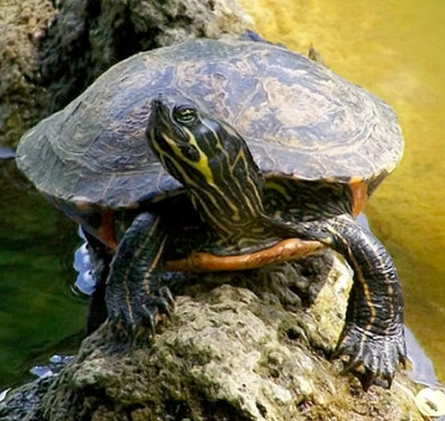
Cooter Turtle Behavior and Temperament
I've always found cooters to be surprisingly interactive. They're not pets you "play" with, but observing their natural behaviors is rewarding.
They are diurnal, meaning active during the day. Their routine is pretty charming: wake up, maybe take a morning swim, haul out to bask for hours under their lamp to regulate their temperature, take a dip to cool off, forage for food, bask some more. They are creatures of habit.
Basking is a social activity for them in the wild. In captivity, if you have more than one (which requires an even more enormous enclosure and careful monitoring for aggression), you'll often see them stacked on top of each other on the basking platform. It's called "basking stacking" and is perfectly normal.
Are they aggressive? Not typically toward humans. Males can be territorial with other males, and during breeding season, a male may harass a female relentlessly, which is why co-habitation needs careful planning and ample space for escape. They can also deliver a strong bite if they feel threatened, so handling should be minimal and done with care, supporting their whole body.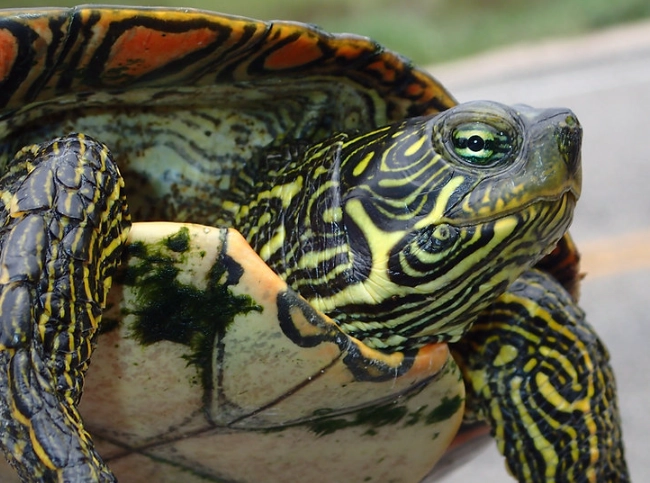
Advanced Topics and Common Questions
Let's tackle some of the specific things people search for.
This is the million-dollar question. The short, somewhat disappointing answer is: not really, or not for long. An adult cooter turtle is an accomplished predator in the water. Small fish are food. Larger, faster fish might survive for a while, but the turtle may still try to nip at them, causing stress and injury. Some people have success with very large, fast-moving fish in a massive pond setup, but in a home aquarium, it's generally a bad idea and stressful for all involved. Your turtle's tank is your turtle's territory.
If you have the climate for it (and proper protections from predators like raccoons and herons), an outdoor pond is the absolute best home for a cooter turtle. It provides natural sunlight (the best UVB source), vast space, and a more natural environment.
- Size & Depth: The pond should be at least several hundred gallons, with areas deep enough to avoid freezing solid in winter (if applicable) and shallow, warm areas for basking.
- Filtration: You'll still need serious filtration, often a large biological filter or bog filter.
- Basking: Create secure basking sites (logs, rocks) that are inaccessible from the bank to deter predators.
- Winter: In colder climates, cooters brumate (a reptile version of hibernation) at the bottom of the pond. The pond must be deep enough that it doesn't freeze to the bottom, and the water must remain oxygenated. This is an advanced topic requiring significant research. The Association of Zoos and Aquariums (AZA) often publishes husbandry guidelines that can offer insights into large-scale, naturalistic care.
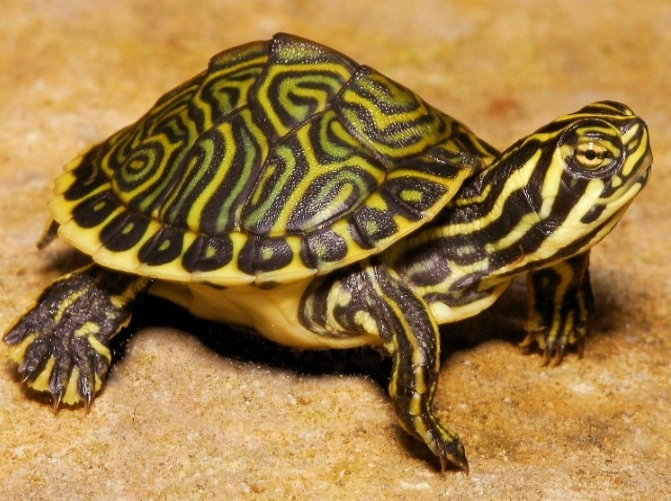
This is a major commitment and should only be undertaken if you have a confirmed male and female, extensive space, and a plan for the offspring (which can number in the dozens per clutch). It requires simulating seasonal changes in temperature and light, providing a deep, sandy area for the female to lay eggs, and then incubating the eggs. It's fascinating but not for the casual keeper. The primary reason to breed should be to support the captive population and reduce demand for wild-caught animals.
This is always a red flag.
- Not Eating: Could be stress (new environment), incorrect temperature (water or basking spot too cold), illness, or a dislike for the food offered. Try their favorite treat (like a piece of strawberry or a live worm) to test their interest. If they refuse everything for more than a week, a vet visit is in order.
- Not Basking: This is often more serious. It usually means the basking area is not to their liking (too exposed, wrong temperature), or they are sick. A turtle that cannot or will not bask cannot regulate its temperature or process calcium properly. Check your temperatures with a reliable digital thermometer. Is the area easily accessible? Is it completely dry? If all seems well and they still avoid it, suspect illness, often a respiratory infection.
At the end of the day, keeping a cooter turtle is a deeply rewarding experience, but it's a responsibility measured in decades and gallons. It's about creating a slice of a riverbank in your home. They're not low-maintenance pets, but for the right person, willing to invest the space, time, and resources, a cooter becomes a captivating window into the natural world. Do your homework, set up the tank right the first time, and you'll have a fascinating companion for a very, very long time.
Just be ready for how much they eat. Seriously, the grocery bill for greens is real.
Reader Comments