Quick Guide
So you've got an adult crested gecko, or maybe you're thinking about getting one. They're these amazing little lizards from New Caledonia with eyelashes that could make a supermodel jealous and a permanent look of mild surprise. I've kept them for years, and let me tell you, while they're often billed as "beginner" reptiles, an adult crested gecko has needs that are a bit different from a juvenile. Getting it right means the difference between a pet that just survives and one that truly thrives, bouncing around its tank at night.
I remember when I got my first adult, a rehome named Gumbo. I thought, "How hard can it be?" and promptly made a bunch of mistakes with his setup. He was lethargic, didn't eat much. It was a wake-up call. This guide is the one I wish I'd had back then—a deep dive into everything about caring for an adult crestie, from the tank on your dresser to the weird noises they sometimes make at 2 AM.
Setting Up the Perfect Home for an Adult Crested Gecko
This is where most folks, myself included at first, either cut corners or overcomplicate things. The enclosure is everything. It's their whole world.
Tank Size and Type: Going Vertical
For a single adult crested gecko, the absolute minimum is a 20-gallon tall tank, but honestly, that feels a bit cramped to me. I'm a big advocate for going bigger whenever you can. A 30-gallon tall (like an 18x18x24 inch) or even larger front-opening terrarium is the sweet spot. Why front-opening? Try reaching into the top of a tall tank to retrieve a gecko who does not want to be retrieved—it's a comedy sketch waiting to happen, and not the fun kind for the gecko.
They are arboreal. Think "up," not "out." Floor space is less important than climbing height. A tall, well-planted tank reduces stress and encourages natural behaviors. Glass terrariums with screen tops are the standard, but you need to balance ventilation with humidity retention, which we'll get to.
Quick Tip: The Reptile Database, a great scientific resource, lists Correlophus ciliatus (that's their scientific name) as a canopy-dwelling species. This isn't just trivia; it tells you exactly what they need: height, branches, and hiding spots off the ground.
Heating and Lighting: Do They Need a Heat Lamp?
Here's a common point of confusion. Crested geckos are comfortable at room temperatures that are comfortable for you. The ideal range for an adult crested gecko is between 72°F and 78°F (22°C - 26°C). They can handle a nighttime drop into the high 60s. What they cannot handle is heat. Temperatures consistently above 80°F (27°C) can cause severe stress and even be fatal.
So, do you need a heat lamp? Probably not, if your house stays in that range. If your room is chronically cooler, a very low-wattage incandescent bulb or a ceramic heat emitter on a thermostat is safer than an under-tank heater, which they rarely use. Place it at one corner of the screen top, not directly over a main perch.
What about UVB? This is a hot topic. In the wild, they get dappled sunlight. While they can survive without it if their diet is properly supplemented (more on that later), a low-output UVB lamp (like a 5.0 or 2% T5 tube) running for 10-12 hours a day is increasingly seen as beneficial for long-term bone health and overall vitality. It's not strictly mandatory, but it's a good practice. The Association of Reptilian and Amphibian Veterinarians (ARAV) has resources on reptile lighting that are worth a look if you want to dive deeper.
Humidity and Hydration: The Mist-ery
This is non-negotiable. New Caledonia is humid. Your gecko drinks water droplets from leaves and the glass, not from a dish (though you should still provide a shallow water dish). You need to create a humidity cycle.
Nightly, you should mist the enclosure heavily, getting the plants and glass wet. Aim to spike the humidity to 80% or even 100%. Then, let it gradually dry out over the day to around 50-60%. This dry period is crucial to prevent mold and respiratory infections. A digital hygrometer is a must-have—those cheap analog dials are notoriously inaccurate. I learned that after Gumbo's first tank turned into a mushroom farm.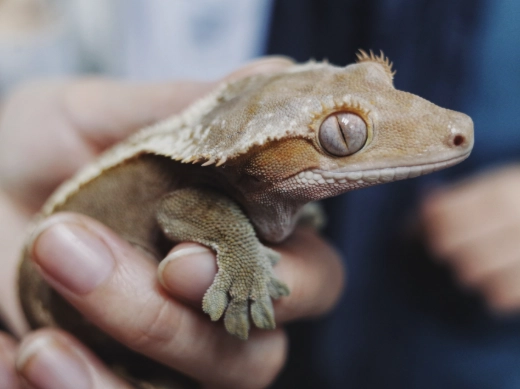
Automatic misting systems are a game-changer for consistency, but a good spray bottle works fine if you're diligent. Use dechlorinated or reverse osmosis water to prevent mineral spots on the glass.
Watch Out: Constant, stagnant high humidity is a one-way ticket to health problems like skin infections and respiratory distress. That daily dry-out is just as important as the nightly mist.
Substrate and Decor: Building a Jungle Gym
The floor of the tank matters. For beginners, paper towel is safe and easy to monitor for droppings. But for a permanent, pretty setup, you have options. Coconut fiber, orchid bark, or a bioactive mix are all good. Bioactive setups—with a drainage layer, soil, clean-up crews (springtails and isopods), and live plants—are fantastic. They manage waste, help with humidity, and create a stunning, naturalistic environment. But they have a learning curve and higher startup cost.
Now, the fun part: the furniture. An adult crested gecko needs clutter. Horizontal and diagonal branches (cork bark, ghost wood), plenty of broad-leafed plants (live like Pothos or fake), and hiding spots at all levels. They love cork bark tubes and flat pieces mounted to the walls. Provide more hides and perches than you think you need. The goal is for them to be able to move across the tank without feeling exposed.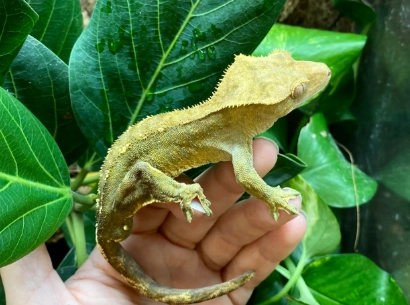
What's the bare minimum decor shopping list?
- Multiple branches of varying thickness.
- At least two snug hides (one higher up, one on the cooler side).
- Foliage for cover.
- A feeding ledge mounted on the glass for their food dish (keeps it clean and accessible).
Feeding Your Adult Crested Gecko: Beyond the Powder
Diet is probably the biggest area where care for an adult differs from a baby. Juveniles need daily feeding for growth. An adult crested gecko has a slower metabolism.
The Staple Diet: Commercial MRP
Manufactured crested gecko diet powders (MRP - Meal Replacement Powder) like those from Pangea or Repashy are the cornerstone of modern crested gecko care. They're nutritionally complete, mixing vitamins, minerals, and protein from insects and/or fruit. You mix them with water to a ketchup-like consistency. Offer a fresh batch every other day for an adult. Remove it after 24-48 hours before it spoils.
Flavor variety isn't just for fun. Offering different flavors (Fig & Insect, Banana, etc.) can prevent picky eating and ensure a broader nutritional profile. Some keepers swear by specific formulas for promoting breeding weight or enhancing color.
Live Feeders: The Protein Boost
While MRPs are complete, offering live insects once a week is highly beneficial. It provides enrichment, mental stimulation, and a different form of nutrients. An adult crested gecko might eat 4-6 appropriately sized insects per feeding.
Good feeder options:
| Insect | Pros | Cons / Notes |
|---|---|---|
| Crickets | Readily available, encourage hunting. | Can be noisy, smell, must be gut-loaded. |
| Dubia Roaches | Quiet, nutritious, less smelly. | Illegal in some places (e.g., Florida). |
| Black Soldier Fly Larvae (Calciworms) | High calcium, no dusting needed. | Wiggly, can bury in substrate. |
| Mealworms/Superworms | Easy to keep. | High chitin, harder to digest. Use as a rare treat. |
Always dust insects with a calcium supplement (without D3 if you use UVB, with D3 if you don't) before offering. A multivitamin once or twice a month is also a good idea. Don't just throw crickets in the tank. Feed them in a smooth-sided bowl or during supervised handling to prevent insects from hiding and bothering your gecko later.
Feeding Schedule and Monitoring Weight
An adult crestie on a good diet can be a bit... portly. Obesity is a real issue. A healthy adult crested gecko should have a defined neck, a tail that is plump but not bulbous (the tail is a fat store), and you should be able to feel its ribs with gentle pressure, not see them.
I feed my adults MRP three times a week (Monday, Wednesday, Friday) and offer insects on Sunday. They often skip a meal, which is normal. Weigh your gecko monthly with a small digital scale. A typical adult weight ranges from 35 to 55 grams, with some large males getting heavier. Sudden weight loss is a major red flag.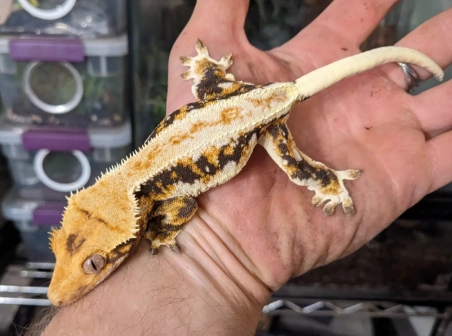
From Experience: If your adult crested gecko suddenly stops eating their MRP, try a different flavor or brand. Sometimes they just get bored. A temporary switch to live feeders can also jumpstart their appetite. If the hunger strike lasts more than 10-14 days, it's vet time.
Health and Common Issues: What to Watch For
A healthy crested gecko is alert, has clear, bright eyes, and a firm, fleshy body. They shed in one piece and eat regularly. Here are the problems you're more likely to see in an adult.
Metabolic Bone Disease (MBD)
This is the big one, caused by insufficient calcium, improper calcium-to-phosphorus ratio, or lack of UVB. In adults, it manifests as a wobbly gait, tremors, a soft or rubbery jaw (the lower jaw is often the first sign), and eventually deformities in the spine or limbs. It's preventable with proper diet and supplementation. Once advanced, it's only manageable, not curable. If you suspect MBD, a reptile vet is urgent.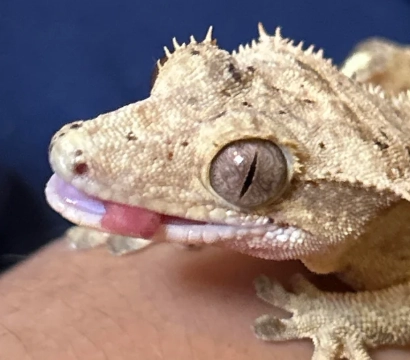
Stuck Shed and Retained Toe Pads
Low humidity is the usual culprit. Cresties shed their skin in one piece and eat it (weird, but normal). If shed gets stuck, especially on the toes, it can constrict blood flow and cause the toe to die and fall off. If you see retained shed, increase your misting frequency and duration. A temporary "humidity hide" packed with damp sphagnum moss can work wonders. For stubborn shed on toes, a very careful, gentle roll with a damp Q-tip can help.
Prolapse and Egg-Binding (in Females)
Even without a male, female adult crested geckos can lay infertile eggs. They need a lay box—a container filled with moist soil or sphagnum moss in their tank. If they can't find a suitable spot, they may become egg-bound, which is life-threatening. Signs include lethargy, a swollen abdomen, and straining.
Cloacal prolapse (where internal tissue protrudes from the vent) can also happen due to straining from constipation, parasites, or egg-laying. Both are absolute veterinary emergencies. A dab of honey or sugar paste on the prolapsed tissue can reduce swelling during the trip to the vet, but don't try to push it back in yourself.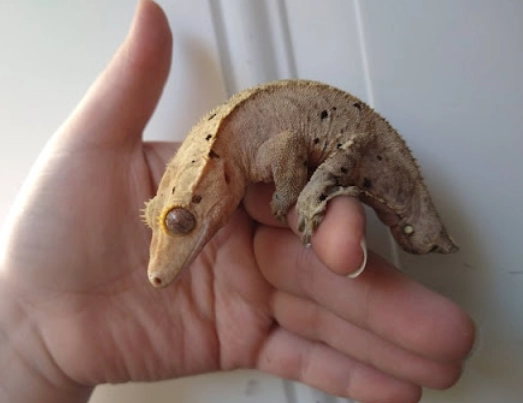
Parasites and Infections
Internal parasites (like pinworms) can come from infected feeders or be present from the wild-caught ancestors of captive-bred geckos. Symptoms include poor appetite, weight loss, and runny or smelly stools. A fecal exam by a vet is needed for diagnosis.
Respiratory infections (bubbly mucus in nose/mouth, wheezing, open-mouth breathing) are often due to chronically low temperatures or high humidity without a dry period. Skin infections look like discolored, crusty patches.
The bottom line? Find a good exotics vet before you have an emergency. The ARAV's Find-a-Vet directory is an excellent place to start your search.
Handling and Behavior: Reading Your Gecko
Crested geckos are not cuddly pets. They are observational animals that can tolerate handling. The key word is tolerate. Some individuals are jumpy their whole lives; others mellow out. Never grab them by the tail. They can drop it (autotomy) as a defense mechanism, and unlike some lizards, it does not grow back. A tailless crested gecko is a "frogbutt"—perfectly healthy, just less graceful.
To handle, let them walk onto your hand. Support their whole body. Keep sessions short (5-10 minutes), calm, and close to a soft surface in case they leap. They are most active at dusk and dawn (crepuscular), so that's often a good time for brief interaction. An adult that is handled gently and regularly from a young age will generally be calmer.
What does a stressed gecko look like? Hiding constantly during active hours, refusing food, frequent jumping/startling, and a dark, washed-out coloration. If you see this, leave them alone and double-check your husbandry.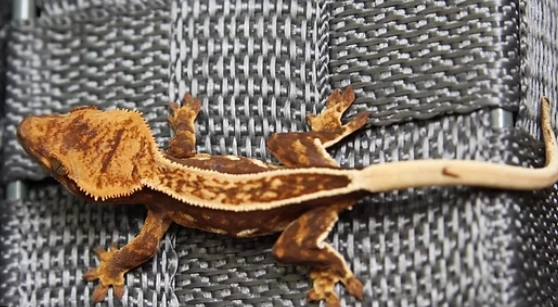
Your Adult Crested Gecko Questions, Answered
Final Thoughts on Adult Crested Gecko Care
Caring for an adult crested gecko is incredibly rewarding. They're full of personality, relatively quiet, and their care, once dialed in, becomes a relaxing routine. The investment in a proper tall tank, good food, and consistent humidity pays off in a healthy, active animal that might just be part of your family for two decades.
My guy Gumbo, after I fixed his setup, lived to be a grumpy old man of 17. He had his favorite leaf to sleep under and would always come out to investigate when he heard the spray bottle. That connection is the real goal.
Don't get overwhelmed by the details. Start with the fundamentals—a tall, cluttered tank, the right temperatures, a humidity cycle, and a quality diet. Observe your gecko. They'll tell you if something's off. And when in doubt, don't just rely on forums (not even this one!). Consult care guides from reputable breeders or the scientific profiles on sites like the Reptile Database for the biological facts. Your gecko will thank you for it.
Reader Comments