Quick Guide
- What Exactly Is a White Leopard Gecko? Genetics Unpacked
- Setting Up the Perfect Home: Beyond the Basic Tank
- The Day-to-Day: Feeding and Handling Your Pale Friend
- Health Issues to Watch For: A White Gecko's Specific Concerns
- Your White Leopard Gecko Questions, Answered
- Final Thoughts: Is a White Leopard Gecko Right for You?
So you're thinking about getting a white leopard gecko. Maybe you saw a stunning picture online, all creamy white with dark, soulful eyes, and it just clicked. I get it. They look like little living ghosts, elegant and unique. But here's the thing – diving into reptile ownership, especially with a specific morph like this, means you've got questions. Real questions. Is it albino? Is it harder to care for? Will it cost a fortune? I've been keeping leopard geckos for over a decade, and I've made my share of mistakes so you don't have to. Let's cut through the noise and talk about what it's really like to live with a white leopard gecko.
First off, let's clear up a huge misconception. When most people say "white leopard gecko," they're usually not talking about a single, specific type. It's an umbrella term. That gorgeous pale gecko could be one of several genetic morphs, and understanding which one is the first step to being a good keeper. It affects their eyes, their sensitivity to light, and even their price tag. We'll get into the genetics in a bit, but for now, just know that a white leopard gecko is typically a color variant of the common leopard gecko (Eublepharis macularius). They have all the same great qualities – no sticky toe pads, cute little eyelids, a generally docile nature – just wrapped in a much paler package.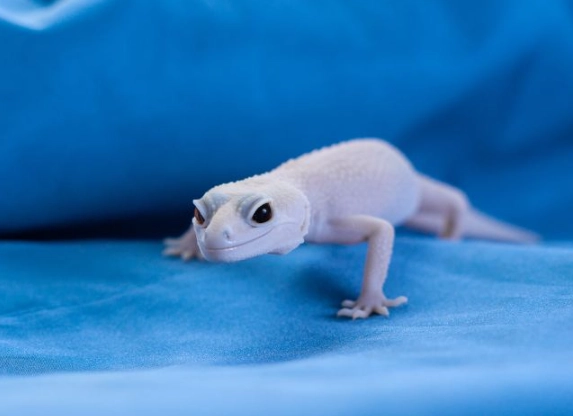
What Exactly Is a White Leopard Gecko? Genetics Unpacked
This is where it gets interesting. You can't just walk into a pet store and ask for a "white one." Well, you can, but you might not get what you expect. The pale color comes from specific genetic mutations. The three main albino strains are the most common culprits behind that light coloration.
Let me be blunt: calling them all "albino" is a bit of a simplification in the reptile world. True albinism means a complete lack of melanin, resulting in red eyes. Many white leopard geckos have dark eyes. Confusing, right? The reptile community uses "albino" to describe strains that lack black pigment but may still produce other colors. The three established strains are Tremper, Bell, and Rainwater (or Las Vegas). They're all genetically distinct, meaning a Tremper albino and a Bell albino are different mutations and should not be bred together (more on that later).
Then you have other morphs that create white or near-white animals. The Blizzard morph is a big one – it produces a gecko that can range from solid gray to solid yellow, but the super form (homozygous) can be a stark, patternless white or near-white with black eyes. The Patternless trait removes the spots, often leaving a base color that can be very light. And when you start combining these genes? That's where the magic (and the high prices) happen. A Super Snow Tremper Albino looks nothing like its wild-type cousin.
| Common "White" Morph | Key Identifying Features | Eye Color | Typical Price Range (US) |
|---|---|---|---|
| Tremper Albino | Most common albino strain. Colors range from pinkish-tan to pale yellow as babies, often lightening with age. | Silver, gray, or red tones | $50 - $150 |
| Bell Albino | Often has more contrast. Hatchlings can have darker bands that fade, leaving a creamy white body. | Often a pinkish or ruby red | $75 - $200 |
| Rainwater Albino | Known for a softer, more pastel look compared to other albinos. | Typically a lighter pink or silver | $100 - $250 |
| Blizzard | Patternless. Color is solid, ranging from gray to yellow to stark white in the "Super" form. | Black | $40 - $150 (White 'Super' form can be $200+) |
| Murphy Patternless | No spots or bands, just a solid color that can be light yellow, lavender, or tan. | Black | $60 - $120 |
See what I mean? That price range is no joke. A basic pet-store leopard gecko might set you back $30, but a specific white leopard gecko morph from a reputable breeder is a different ballgame. You're paying for genetics, selective breeding, and often, healthier, well-started animals. I made the mistake of buying a "cheap" albino from a sketchy source early on. It had parasites. The vet bill was triple the gecko's price. Lesson painfully learned.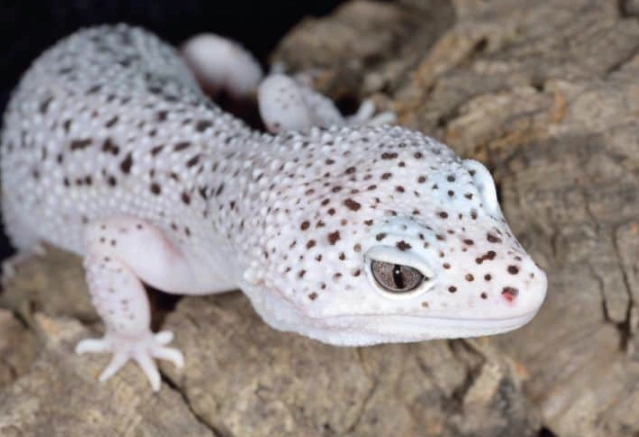
Setting Up the Perfect Home: Beyond the Basic Tank
Okay, you've picked out your perfect white leopard gecko. Now, where does it live? The setup is arguably more important than the animal itself. A stressed gecko in a poor environment is a sick gecko. And let's be real, a white gecko on clean, proper substrate looks a million times better than one in a dingy tank.
The absolute non-negotiables for your white leopard gecko's enclosure are heat, hides, and no loose substrate for beginners. I'll say it again for the people in the back: no sand. Not even calcium sand. Impaction (a deadly gut blockage) is a real risk, especially for young geckos. For your first setup, stick to paper towel, slate tile, or a reptile-safe non-adhesive shelf liner. It's boring but safe. Once you're a seasoned pro, you might explore a bioactive setup with a soil/sand/clay mix, but that's advanced-level care.
The Heating and Lighting Dilemma
This is the part most beginners mess up. Leopard geckos need belly heat to digest their food. An overhead heat lamp often doesn't cut it because it heats the air, not the ground. You need an under-tank heater (UTH) placed under one side of the tank, connected to a thermostat. Not a dimmer, a thermostat. This single piece of equipment will save your gecko's life by preventing burns and ensuring proper temperatures. The warm side should be 88-92°F (31-33°C), the cool side 70-75°F (21-24°C). At night, it can drop to the low 70s.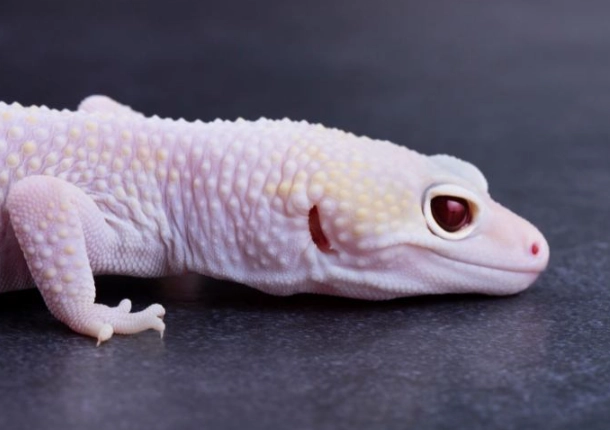
Now, what about light? Since many white leopard geckos are albino strains, they have increased sensitivity to bright light. A glaring, hot basking bulb can stress them out. They don't need UVB to survive (they get D3 from their diet), but studies and many advanced keepers (including myself) now believe low-level UVB lighting, like a shadedweller or 5.0 tube, can be beneficial for their long-term health, aiding in calcium metabolism and overall well-being. If you use one, ensure it's on a timer for a 12-hour day/night cycle and that there are plenty of shaded hides so your gecko, especially an albino white leopard gecko, can escape it if needed.
The Hideout Trinity
Your gecko needs at least three hides:
- A warm, moist hide: Place this on the warm side. Use a plastic container with a hole cut in the side, filled with damp (not wet) sphagnum moss or paper towels. This is essential for shedding.
- A warm, dry hide: Right next to or above the UTH. This is where they'll digest food.
- A cool, dry hide: On the opposite end of the tank. This is their stress-free retreat.
A white leopard gecko that can't shed properly because the humidity is wrong will get stuck shed on its toes, which can constrict and cause them to fall off. It's horrific to see. The moist hide prevents this.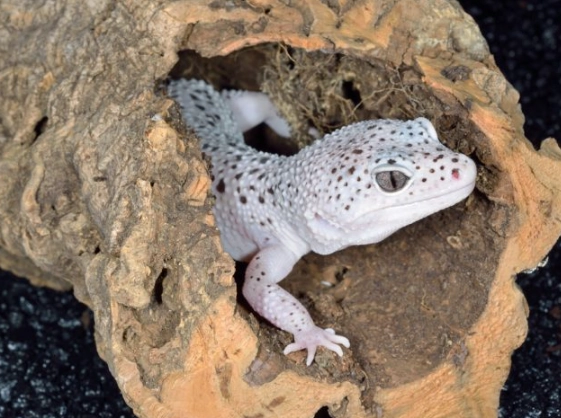
The Day-to-Day: Feeding and Handling Your Pale Friend
Feeding a white leopard gecko is no different from feeding any other leopard gecko, but their appearance sometimes makes people think they're more fragile. They're not. They're insectivores with a healthy appetite.
Staple feeders are dubia roaches and crickets. Mealworms and superworms are good treats or supplements but are fatty and can be hard to digest as a primary diet. For variety, you can offer black soldier fly larvae (nutrigrubs) or the occasional waxworm (like candy – very rare!).
Dusting is critical. You need two supplements:
- A calcium powder WITHOUT D3 (this can be left in a tiny dish in the tank for them to lick as needed).
- A calcium powder WITH D3 and multivitamins. This is used to dust insects 2-3 times a week for adults, more often for juveniles.
Young white leopard geckos need to eat daily, adults every other day. Offer as many appropriately-sized insects (no wider than the space between the gecko's eyes) as they will eat in 10-15 minutes.
Building Trust and Handling
This is the best part. Leopard geckos can become wonderfully tame. The key is patience. Your new white leopard gecko will be stressed for the first week. Leave it alone. Just change water and feed it.
After it's settled, start by just putting your hand in the tank, not moving. Let it get used to your presence. Then, try gently scooping it up from below, supporting its whole body. Never grab from above like a predator. Keep handling sessions short, 5-10 minutes, over a soft surface in case they jump (they do that).
Some individuals are more skittish, others are calm from day one. My oldest Bell albino white leopard gecko, Casper, will now climb onto my hand when I open the tank. It took months to build that trust. It's worth every second.
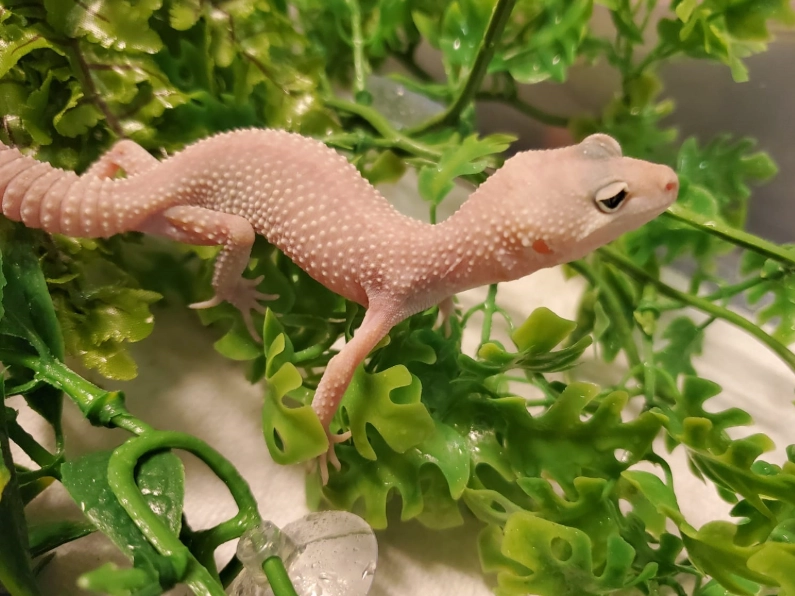 The feeling of a cool, trusting gecko walking calmly across your hands is irreplaceable.
Health Issues to Watch For: A White Gecko's Specific Concerns
All leopard geckos can suffer from similar ailments, but there are a few things to be extra vigilant about with a white or albino leopard gecko.
- Eye Issues: Albino strains, with their reduced pigment, can be more sensitive to light. They may squint or hide more if the lighting is too harsh. In rare cases of poor breeding, eye deformities can occur. Always check a gecko's eyes before buying – they should be clear, open, and free of crust.
- Shedding Problems (Dysecdysis): Their pale skin makes stuck shed less obvious than on a patterned gecko. Check their toes, eyelids, and the tip of their tail meticulously after every shed. A stuck toe cap can become a tourniquet in days.
- Metabolic Bone Disease (MBD): This is a risk for all reptiles, not just white ones. It's caused by improper calcium/D3 balance. Symptoms include rubbery jaw, bowed legs, tremors, and difficulty walking. It's entirely preventable with proper supplementation and heating.
- Tail Loss: Leopard geckos can drop their tails if severely stressed or grabbed by the tail. It will grow back, but it will be stubby and misshapen, never as nice as the original. A fat, plump tail is a sign of a healthy gecko; a skinny tail means they're not eating well or are sick.
Finding a good reptile vet before you have an emergency is one of the smartest things you can do. The American Veterinary Medical Association (AVMA) website has resources to find one. Don't rely on a regular dog-and-cat vet for specialized care.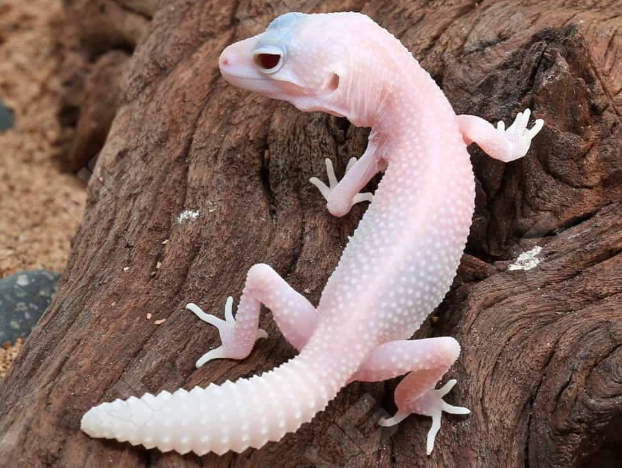
Your White Leopard Gecko Questions, Answered
Are white leopard geckos albino?
Often, yes. But not always. Many are one of the three albino strains (Tremper, Bell, Rainwater). However, morphs like the Blizzard or Patternless can also produce white or near-white animals without being albino (they have black eyes). Always ask the breeder for the specific morph genetics.
How much does a white leopard gecko cost?
Anywhere from $50 to over $500. A standard albino from a pet store might be on the lower end. A high-expression, proven breeder animal from a specialized morph like a Bell Albino Blizzard will be at the top. Remember, the initial cost is the smallest part of the expense. The tank, thermostat, lifetime of food, and potential vet bills are the real investment.
Are they good pets for beginners?
Leopard geckos, in general, are excellent beginner reptiles. Their care requirements are straightforward. A white leopard gecko has the same needs. The only potential added consideration is light sensitivity for albino types, which is easily managed by providing plenty of shade and avoiding intense spotlights.
How long do they live?
With proper care, 15-20 years is common. Some live into their mid-20s. Getting a white leopard gecko is a long-term commitment, not a short-term novelty.
Can I house two white leopard geckos together?
I strongly advise against it. Leopard geckos are solitary in the wild. Co-habitation, especially for males, leads to stress, fighting, injury, and even death. Females can sometimes be housed together in very large, carefully managed enclosures, but there's always a risk. For 99% of keepers, one gecko per tank is the only safe rule.
What's the best place to buy one?
Avoid big chain pet stores for specific morphs. Their genetics are often unknown, and the animals can be stressed or ill. Seek out a reputable breeder. Look at online reptile communities like MorphMarket, where breeders have reviews. Attend a local reptile expo where you can see the animal and talk to the breeder face-to-face. Ask about their feeding routine, hatch date, and genetic lineage. A good breeder will know all this.
For general, species-wide care standards, the Reptiles Magazine website maintains a library of care sheets that are a great starting point for research.
Final Thoughts: Is a White Leopard Gecko Right for You?
Look, I love these animals. A well-cared-for white leopard gecko is a living work of art. But they're not decor. They're a responsibility. They need daily attention, specific environmental controls, and a commitment that spans decades.
If you're willing to invest in the proper setup before bringing the gecko home, if you're okay with handling insects, and if you're prepared for potential vet visits, then yes, you might be ready. The joy of seeing your unique white leopard gecko thrive, watching its personality emerge, and knowing you're providing a fantastic life for it is incredibly rewarding.
Start with the tank, not the animal. Get your thermostat, your hides, your supplements all lined up. Then, find a healthy gecko from someone who cares as much as you do. That's the recipe for success. And maybe, in a few months, you'll be the one sharing stories and pictures of your beautiful, pale companion, helping the next person who falls in love with the idea of a white leopard gecko.
Good luck.
Reader Comments