What You’ll Find Here
Let's be honest, the first time you see a photo of a red eyed green tree frog, it's a bit of a shock. Those huge, crimson eyes staring right at you, set against the brightest green you can imagine. It looks almost unreal, like a cartoon character. I remember scrolling online years ago and stopping dead at a picture. What is that? Is it even real? That's the magic of Agalychnis callidryas, its proper scientific name. It's the frog that launched a thousand dorm room posters.
But here's the thing a lot of care guides gloss over. That stunning photo is usually a wild frog, perched on a leaf in a Costa Rican rainforest at night, caught in a flash. The frog in a terrarium in your living room? It's the same species, but the experience is different. It's quieter, more subtle. You become a observer of delicate, sometimes frustrating, always fascinating behaviors. This guide isn't just about replicating a photo. It's about understanding the creature behind those famous red eyes.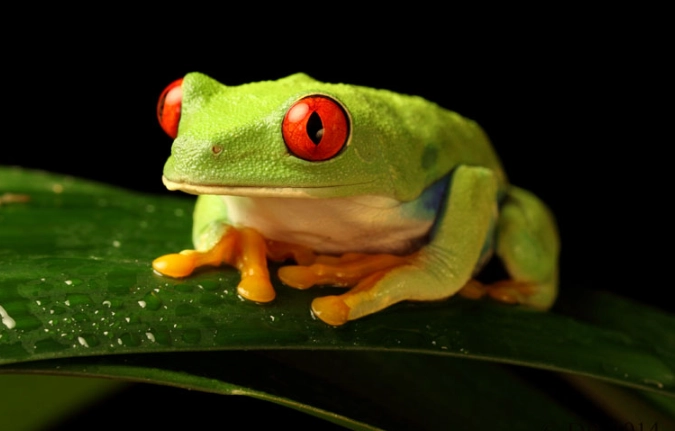
I've kept a small group for about five years now. There have been amazing moments, like the first time I saw one of my frogs use its huge toe pads to walk straight up the glass, or when I spotted a successful hunt under the moonlight. And there have been headaches—figuring out why one suddenly refused to eat (turns out the humidity was off for a few days), or the constant battle to keep the plants in their tank alive. I'll share both sides.
Getting to Know Agalychnis Callidryas: Beyond the Poster
So you want a red eyed tree frog. Great. But do you know what you're really signing up for? They're not a pet you cuddle or interact with like a dog. They're a living piece of art and a lesson in rainforest ecology you host in a glass box.
Their lifestyle dictates everything about their care. A ground-based tank setup is one of the most common beginner mistakes. Think vertical space, not horizontal.
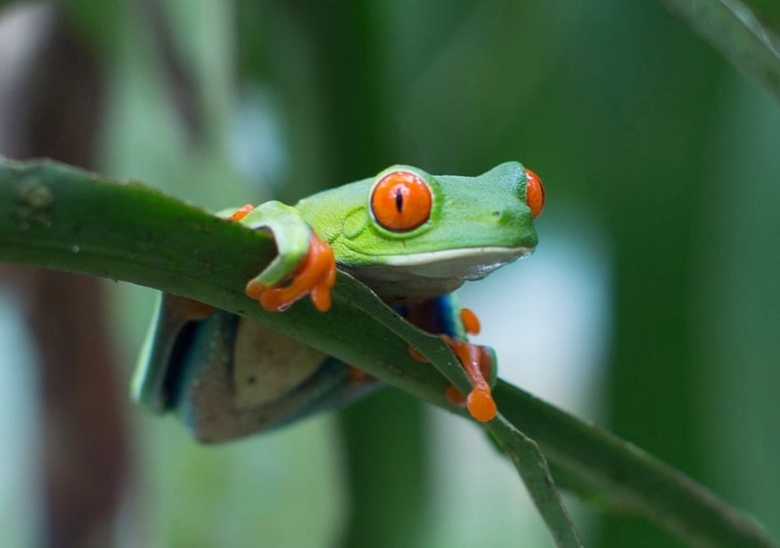
What's their personality like? That's a tough one. They're not "friendly" in a traditional sense. They're cautious, observant, and primarily nocturnal. Your main interactions will be during evening feedings and when you're doing tank maintenance. During the day, they'll pick a favorite leaf or corner of the glass and sleep, perfectly camouflaged with their legs tucked in and their bright colors hidden. It's a peaceful sight, but don't expect activity.
Lifespan and Commitment
This is a big one. With proper care, a red eyed green tree frog can live 5 years, and often up to 8-10 years in captivity. I've heard of some pushing 12. That's a longer commitment than many dogs. They're not a short-term novelty pet. Their long-term health hinges on consistency—consistent temperature, consistent humidity, consistent, high-quality food.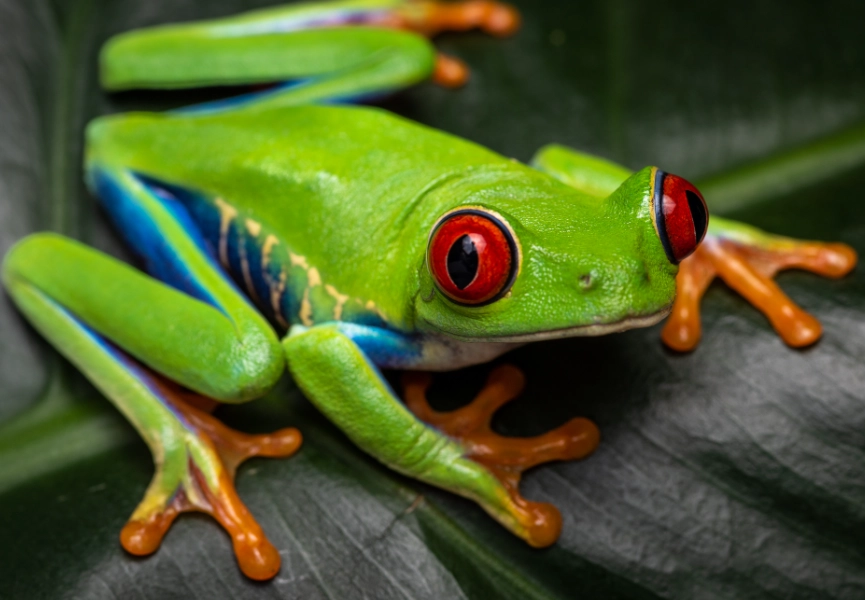
Setting Up the Perfect Red Eyed Tree Frog Habitat
This is where most people either succeed brilliantly or set themselves up for constant problems. The enclosure is everything. You're building a small, functional slice of rainforest.
The Tank: Your Rainforest Canvas
For a single red eyed green tree frog, an 18"x18"x24" tall terrarium is the absolute minimum. I'd argue it's cramped. For a pair or small group, go bigger—24"x18"x24" or, ideally, 24"x18"x36". Height is your best friend. Screen tops are essential for ventilation. Glass is fine, but many keepers (myself included) prefer front-opening terrariums. Trying to reach a skittish frog from the top with a screen lid is a recipe for stress (for you and the frog).
The Non-Negotiables: Heat, Light, and Humidity
This trio is the foundation. Get one wrong, and the frog suffers.
Temperature: They need a gradient. A warm area of 80-85°F (27-29°C) during the day, created by a low-wattage heat bulb or a heat mat on the side of the tank (never underneath), and a cooler area that drops to 70-75°F (21-24°C). Nighttime can drop to 68-72°F (20-22°C). A simple digital thermometer/hygrometer combo is a cheap and vital tool.
Lighting: They don't need special UVB lighting for basking like reptiles, but they do benefit from a gentle, full-spectrum LED light on a 12-hour cycle to support plant growth and regulate their day/night rhythm. No bright, hot lights.
Humidity: This is the trickiest part. Aim for 70-80% humidity, with spikes up to 100% after misting. It should drop slightly between mistings. Stagnant, 100% constant humidity leads to bacterial and fungal infections. You'll need a good misting system (automatic is a lifesaver for consistency) and possibly a fogger for overnight. Manual misting twice a day with a spray bottle can work, but it's easy to forget.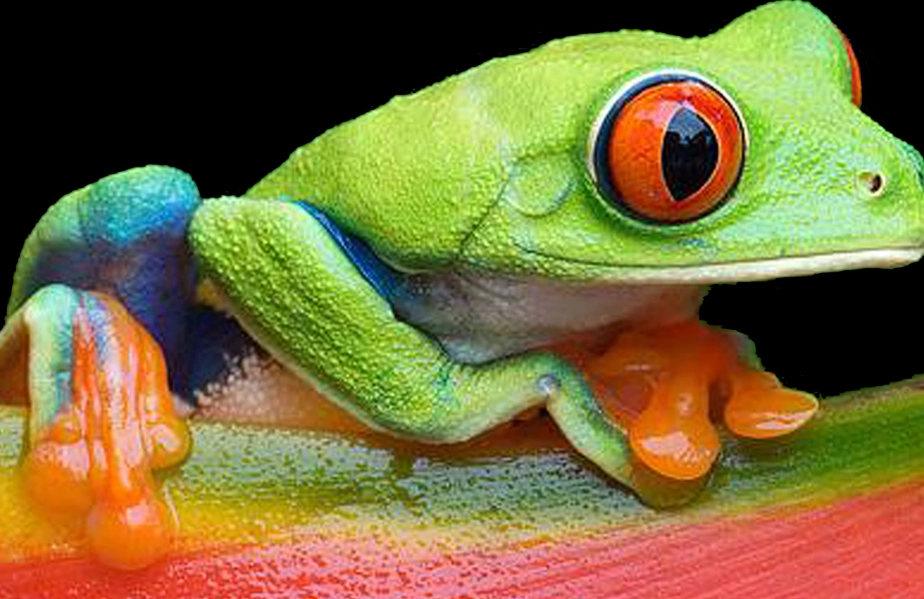
My Humidity Hack:
I struggled with this at first. My tank would be a swamp in the morning and a desert by evening. The game-changer was switching to a substrate that holds moisture better (a mix of coconut fiber, sphagnum moss, and orchid bark) and adding a small computer fan on the top screen, hooked to a timer, to run for 15 minutes every few hours. This created air circulation without drying everything out. It made a world of difference.
Going Bioactive: Is It Worth It?
In my opinion, for red eyed green tree frogs, absolutely. A bioactive setup introduces a clean-up crew (springtails and isopods) that break down waste, mold, and leftover food, and live plants that help process nutrients. It creates a more stable, natural, and lower-maintenance ecosystem. The initial setup is more complex and expensive, but long-term, it's less work and better for the frog. You're not tearing the tank apart every month for a deep clean.
Good plant choices include Pothos (nearly indestructible), Philodendron, Ficus pumila, and various ferns. Avoid anything sharp, spiny, or toxic. The AmphibiaWeb database is a fantastic resource for cross-referencing plant safety, though it's more research-focused.
| Essential Habitat Equipment Checklist | Why It's Important | Budget-Friendly Alternative? |
|---|---|---|
| Tall Glass Terrarium (18x18x24" min) | Provides essential vertical climbing space. | Look for used tanks online. Ensure no cracks. |
| Digital Thermometer/Hygrometer | Accurate monitoring is key. Strip gauges are unreliable. | No. This is a must-have for accurate readings. |
| Low-Wattage Heat Source (lamp/mat) | Creates necessary warm zone. | Ceramic heat emitter bulbs last longer than incandescent. |
| Full-Spectrum LED Grow Light | Supports plants & frog's day/night cycle. | A simple LED strip light can work. |
| Automatic Mister/Fogger System | Maintains consistent humidity, especially overnight. | Hand misting 2-3x daily, but consistency is hard. |
| Substrate (Coco fiber, moss, bark mix) | Holds moisture, supports plants & clean-up crew. | Pre-mixed bioactive substrates save time. |
| Abundant Climbing Structures | Branches, vines, cork bark rounds. | Collect and sanitize safe hardwood branches outdoors. |
| Live Plants | Provides hiding spots, improves air quality, looks great. | Start with easy plants like Pothos. |
Feeding Your Red Eyed Green Tree Frog: It's Not Just Crickets
Feeding time is when you'll see the most action. They're insectivores, and variety is the cornerstone of good health. A diet of only crickets is like a human eating only white bread.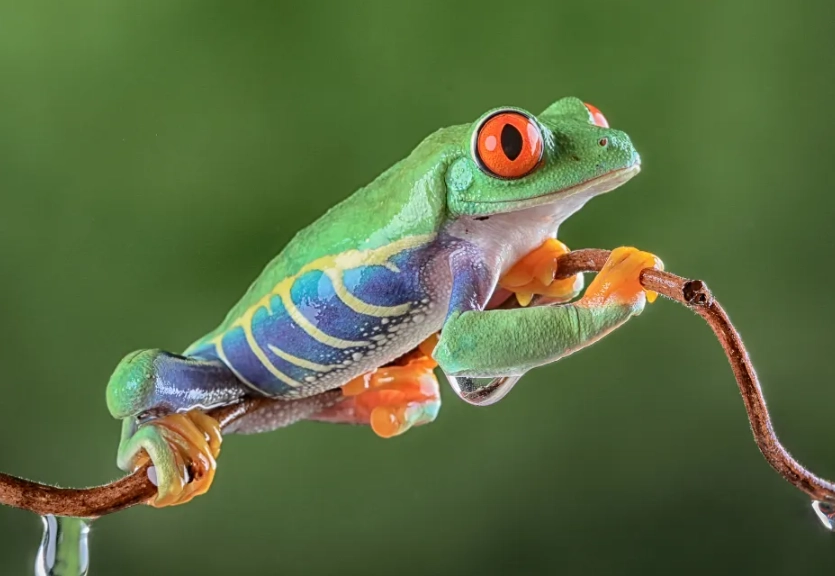
Gut-loading is a term you must know. It means feeding your feeder insects highly nutritious foods (like sweet potato, carrots, commercial gut-load) 24-48 hours before you feed them to your frog. You are what you eat, and your frog is what its food eats. Dusting is the other key practice. This means lightly coating the insects with vitamin and calcium powder supplements right before feeding. Young, growing frogs need calcium almost every feeding; adults 2-3 times a week.
Here's a rotation I've had success with:
- Staple: Gut-loaded crickets (appropriately sized—no wider than the space between the frog's eyes).
- Weekly Treats: Dubia roaches (more meat, less chitin), black soldier fly larvae (high calcium).
- Occasional Treats: Silkworms, hornworms (great for hydration), flightless fruit flies (for younger frogs).
How much and how often? A healthy adult red eyed green tree frog will eat 3-6 appropriately sized insects every 2-3 days. Juveniles may eat daily. Don't leave uneaten live prey in the tank overnight—crickets can nibble on a sleeping frog.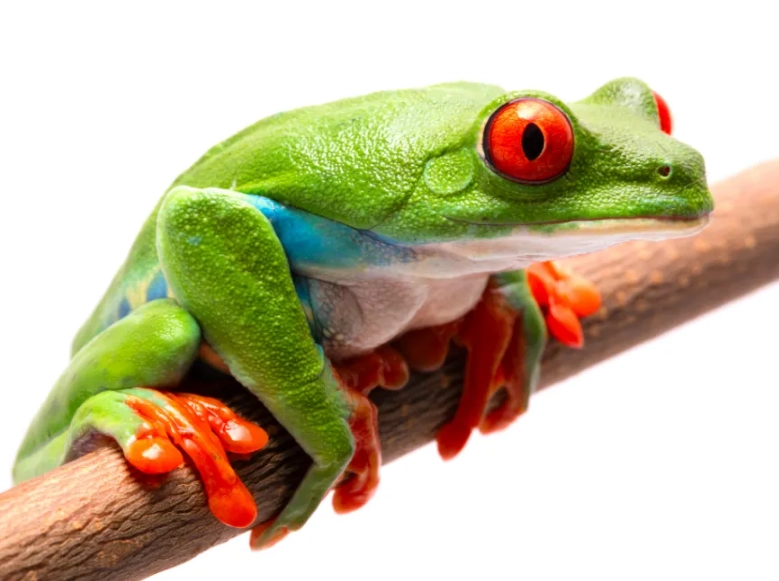
A Feeding Story: My frog, Kermit (yes, I know), went on a hunger strike for almost two weeks. I was panicking. I tried different insects, different dusting schedules. Nothing. Finally, I realized I'd moved the tank's main feeding branch during a cleaning. I moved it back to its original, more sheltered spot. That night, he ate like a champ. Sometimes it's the smallest environmental change that throws them off. They're creatures of habit.
Health and Common Problems: What to Watch For
A healthy red eyed green tree frog is alert (at night), has clear, bright skin and eyes, a well-rounded body (but not obese), and eats readily. Problems often stem from the environment.
Red Flags
- Weight Loss: A prominent backbone or hip bones is a major concern.
- Lethargy During Active Hours: Being inactive during the day is normal. Being limp and unresponsive at night is not.
- Discolored Patches, Sloughing Skin: Can indicate a bacterial or fungal infection, often from poor water quality or incorrect humidity.
- Swollen Joints or Limbs: A potential sign of Metabolic Bone Disease (MBD) from calcium deficiency.
- Refusal to Eat: Beyond a few days, this warrants a close look at husbandry and potentially a vet.
The single best piece of health advice? Find an exotic vet who sees amphibians before you have an emergency. Regular check-ups aren't really a thing for frogs, but knowing who to call is priceless. The Association of Reptilian and Amphibian Veterinarians (ARAV) has a useful find-a-vet tool.
Another critical resource for understanding disease and conservation status is the IUCN Red List. While the red eyed tree frog is currently listed as "Least Concern," its populations are affected by habitat loss, and it's a great reminder of the ecosystem they come from.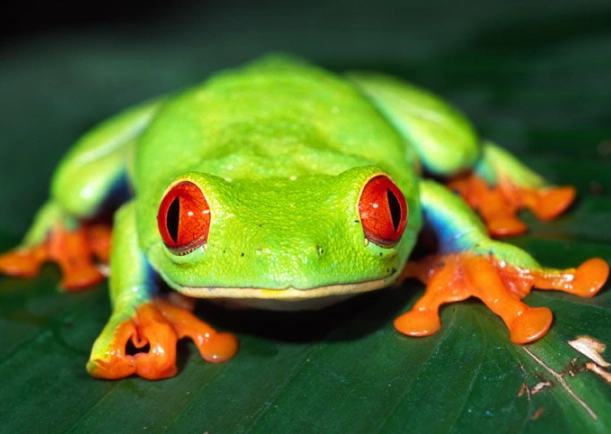
Frequently Asked Questions (The Real Ones)
These are questions I've actually been asked, or wondered myself.
The Big Picture: Is This Frog Right For You?
Let's wrap this up honestly. The red eyed green tree frog is a spectacular animal, but it's not an "easy" or "beginner" pet in the traditional sense. It's a commitment to maintaining a complex environment. The initial setup cost can be several hundred dollars for a proper bioactive terrarium. The daily maintenance is low (mostly checking gauges and auto-misters), but it's constant.
They're perfect for someone who enjoys creating a living ecosystem as much as keeping the animal itself. They're for the patient observer, not the hands-on interactor. If you want a pet you can hold and play with, look elsewhere. If you are fascinated by creating a tiny, thriving world and watching a beautiful, elusive creature thrive within it, then you might just have found your perfect match.
That iconic image of the red eyed green tree frog? In your home, it becomes something better. It becomes real.
Reader Comments