Quick Navigation
- What Exactly Is a Jarisco Axolotl? Biology 101 (The Cool Stuff)
- Setting Up Your Tank: Getting It Right From Day One
- The Axolotl Pantry: What to Feed Your Jarisco Axolotl
- Health & Common Problems: Reading the Signs
- Morphs and Colors: Beyond the Wild Type
- The Big Questions: Your Jarisco Axolotl FAQ
- The Ethical Dimension: Conservation and Captive Care
Let's be real, you probably saw a picture or a video online. Maybe it was that adorable face with the feathery gills, looking like a permanent smiley aquatic dinosaur. That's what got me, years ago. I stumbled upon an image and fell down a rabbit hole, ending up with a tank in my living room. But here's the thing – and I wish someone had told me this bluntly at the start – a Jarisco axolotl (or any axolotl, really) is not a "beginner" pet. It's not a goldfish. It's a fascinating, delicate, and frankly, weirdly wonderful creature that needs very specific care.
The term "Jarisco axolotl" itself is a bit of a common mix-up. Most people are looking for information on the Mexican axolotl (Ambystoma mexicanum). "Jalisco" is a state in Mexico, but the axolotl's native habitat is specifically the lake system of Xochimilco near Mexico City. So, when folks search for "Jarisco axolotl," they're often one letter off from the geographic reference or encountering a common misspelling. But the care needs are identical. Throughout this guide, when I say Jarisco axolotl, I'm talking about the pet-trade axolotl everyone knows and loves.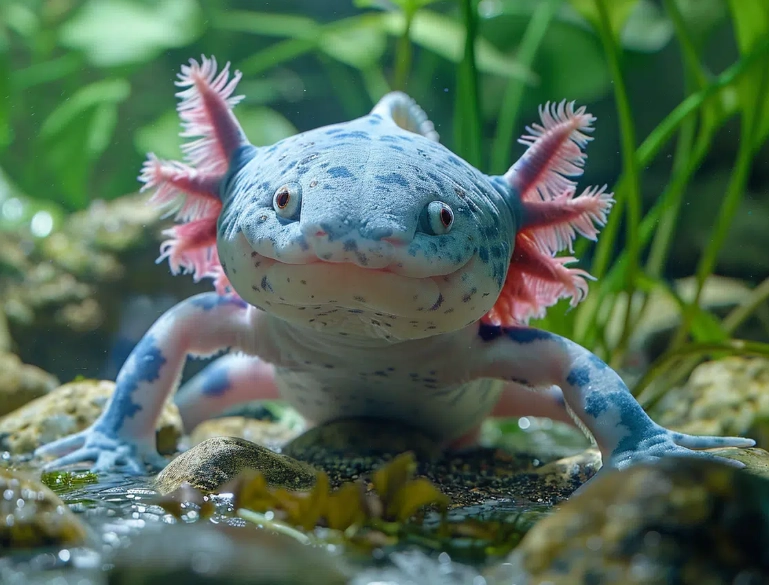
What Exactly Is a Jarisco Axolotl? Biology 101 (The Cool Stuff)
Forget everything you know about typical amphibians. This is where the axolotl, sometimes called the Mexican walking fish (it's not a fish!), blows your mind. Its scientific name is Ambystoma mexicanum. The most mind-bending feature? Neoteny.
Most salamanders go through metamorphosis – tadpole to land-dwelling adult. Axolotls? They hit the pause button. Permanently. They reach sexual maturity and live their entire lives in their larval, aquatic form. They keep their feathery external gills, their finned tail, and live entirely underwater. It's like they decided being a cute, aquatic teenager was the perfect lifestyle. This isn't a defect; it's their natural, evolved state.
And then there's the regeneration. It's not just about growing back a tail tip. We're talking full limbs, jaws, spinal cord segments, even parts of their heart and brain. Scientists study Jarisco axolotl genetics intensely for this superpower. For us keepers, it means they can recover from injuries, but it also means stress or poor water quality can lead to weird, stumpy regrowth instead of proper healing.
Setting Up Your Tank: Getting It Right From Day One
This is where most first-timers fail. They get a cute axolotl, put it in a small tank with some gravel, and wonder why it gets sick. Don't be that person. The tank is everything.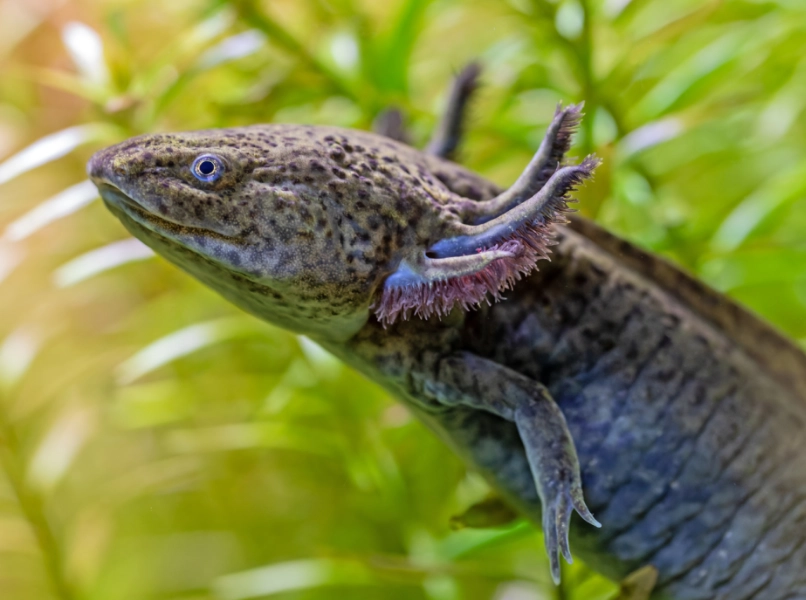
The Non-Negotiable Basics
Tank Size: The old "20-gallon minimum" is, in my opinion, the bare, cramped minimum for one. I'd argue for a 30-gallon long tank as a better starting point for a single Jarisco axolotl. They aren't active swimmers, but they are big waste producers and need stable water. More water volume = more stability. For two? Start at 40 gallons. Really.
Substrate: This is critical. NO GRAVEL, NO SMALL STONES. Ever. Axolotls are vacuum feeders and will ingest anything smaller than their head, leading to fatal impaction. Your safe options are:
- Bare bottom: Easiest to clean, but some axolotls get stressed sliding around. Not the prettiest.
- Fine sand: The best compromise. Use very fine aquarium sand (like pool filter sand). It's heavy enough to pass through them if ingested.
- Large, smooth stones: Each stone must be significantly larger than the axolotl's head. The downside? Waste collects underneath.
Filtration: They need clean water but hate strong currents. A canister filter is the gold standard – powerful filtration with adjustable flow, spray bars to diffuse the current. Sponge filters are also excellent, providing gentle filtration and biological surface area. Hang-on-back filters often create too much water movement; if you use one, baffle the output.
Chilling: This is the big one. Jarisco axolotls are cold-water animals. Ideal temperature is 60-64°F (16-18°C). They can tolerate up to 68°F (20°C) for short periods, but anything consistently above 70°F (21°C) causes immense stress, suppresses their immune system, and can be fatal.
If your room is warmer than this (and most homes are), you need a cooling solution. Aquarium chillers are expensive but the most reliable. Fans blowing across the water surface can drop the temp a few degrees. In a pinch, frozen water bottles rotated regularly can work, but it's a hassle and not stable long-term.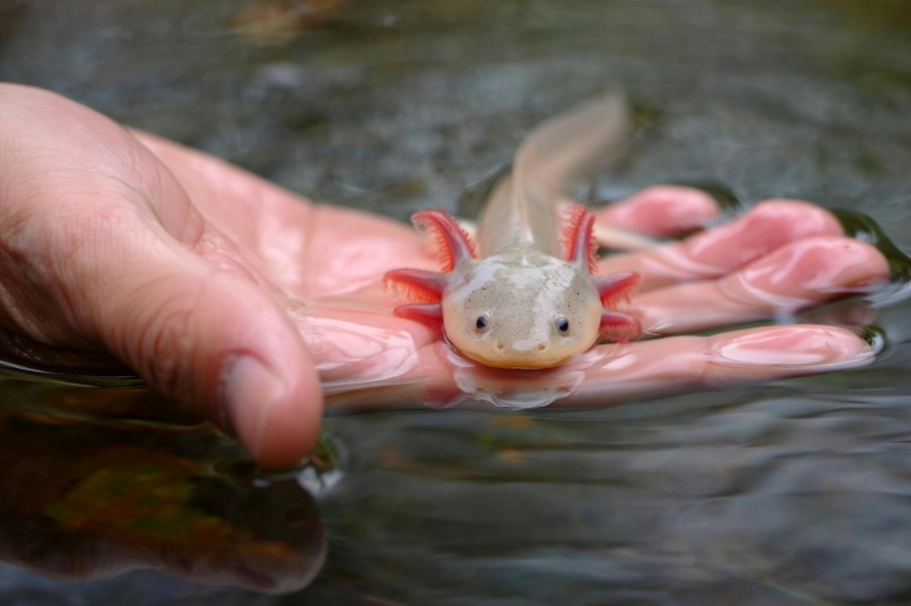
The Axolotl Pantry: What to Feed Your Jarisco Axolotl
They are carnivores. Pure and simple. Their diet in captivity needs to be protein-rich and varied.
| Food Type | Pros | Cons & Notes | Frequency |
|---|---|---|---|
| Earthworms/Nightcrawlers | Nutritionally complete, natural, encourages hunting behavior. | Source from pesticide-free areas or buy from bait shops/vendors. Rinse well. Cut if too large. | Staple diet, 2-3 times a week for adults. |
| Salmon Pellets | Sinking pellets formulated for axolotls or carnivorous fish. Convenient, balanced. | Some individuals ignore them. Can foul water if not eaten quickly. Ensure high protein content. | Can be a staple or supplement, 2-3 times a week. |
| Bloodworms (Frozen) | Readily eaten, good for tempting picky eaters. | Not nutritionally complete for long-term feeding. Think of it as junk food. | Treat only, once a week max. |
| Repashy Grub Pie | Excellent balanced diet, can be made into gel cubes. Clean. | Requires preparation. Some axolotls need time to recognize it as food. | Can be a staple, 2-3 times a week. |
| Feeder Fish (Guppies, etc.) | Provides enrichment. | High risk! Can introduce parasites/disease. Nutritionally poor unless gut-loaded. I generally avoid it. | Not recommended as a routine. |
How do you feed them? I use long, soft aquarium tweezers. It's less messy, lets me target feed, and ensures I know exactly how much each one eats. Drop the food in front of their face. They'll snap at it with a surprisingly quick vacuum-like suck.
A hungry axolotl is a healthy axolotl, but a fat axolotl is an unhealthy one.
Their belly should be about as wide as their head. If it's wider, cut back. If it's narrower, feed more. Juveniles need daily feeding; adults do perfectly fine every other day or even three times a week.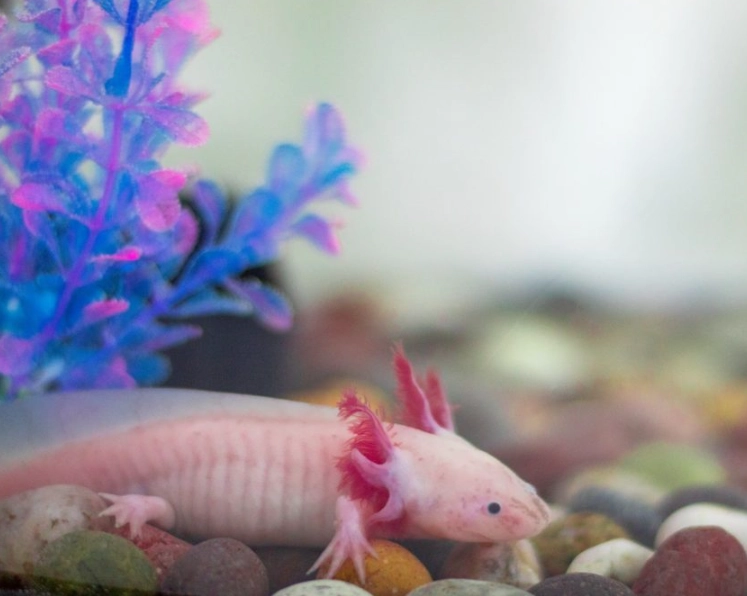
Health & Common Problems: Reading the Signs
Axolotls are stoic. They don't show illness until it's often quite advanced. You need to be a detective.
- Curled Gill Filaments: The feathery parts of the gills curling forward sharply. This is a classic sign of stress, often from poor water quality (check ammonia/nitrite immediately) or an incorrect water parameter.
- Floating/Unable to Submerge: Usually a sign of constipation or gas. This is common. Often, a "fridge treatment" (placing them in a container of dechlorinated water in the fridge at ~40°F/5°C for a few days) can help them pass the blockage and rebalance.
- Fungus: Appears as white, cottony patches on the gills or body. It's a secondary infection that takes hold when the immune system is down, usually due to stress from temperature or water quality. Salt baths or tea baths are common treatments, but identifying and fixing the root cause (the stress) is more important.
- Skin Lesions or Red Spots: Can be bacterial. Requires pristine water and possibly veterinary-prescribed antibiotics.
Which brings me to a sore point: finding a vet. You need an exotics veterinarian with experience in amphibians. Call ahead before you get an axolotl and find one in your area. A regular cat-and-dog vet will likely not be able to help.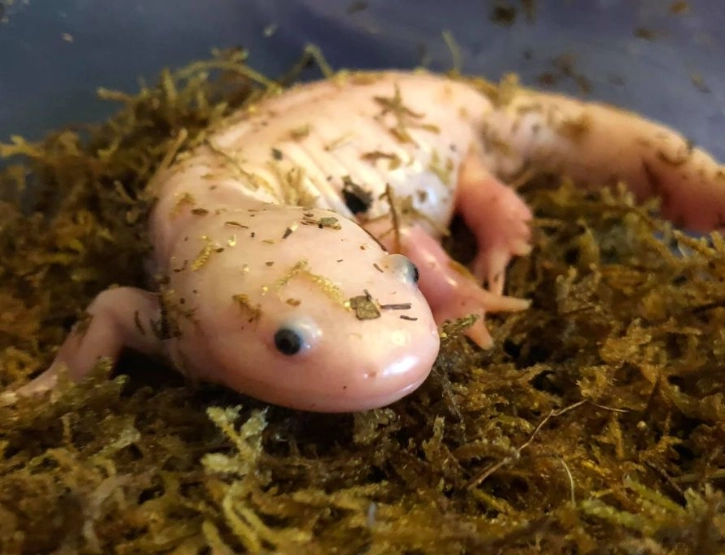
Morphs and Colors: Beyond the Wild Type
Wild-type axolotls are dark with speckles. But captive breeding has produced stunning varieties. When choosing a Jarisco axolotl, remember color doesn't affect care, but some morphs are associated with genetic traits.
- Leucistic: The classic "pink" with black eyes. Very common.
- Golden Albino: Gold/yellow body with pink/red gills and eyes.
- Melanoid: All black, no shiny speckles (iridophores).
- Axanthic: Lacks yellow pigment, appearing grayish.
- Piebald: Patches of pigmentation on a white body.
Be cautious with "copper" or "GFP" (Green Fluorescent Protein) axolotls. GFP axolotls are genetically modified to glow under blue light for research purposes, and that gene has entered the pet trade. Some people love it, others have ethical concerns. Just know what you're buying.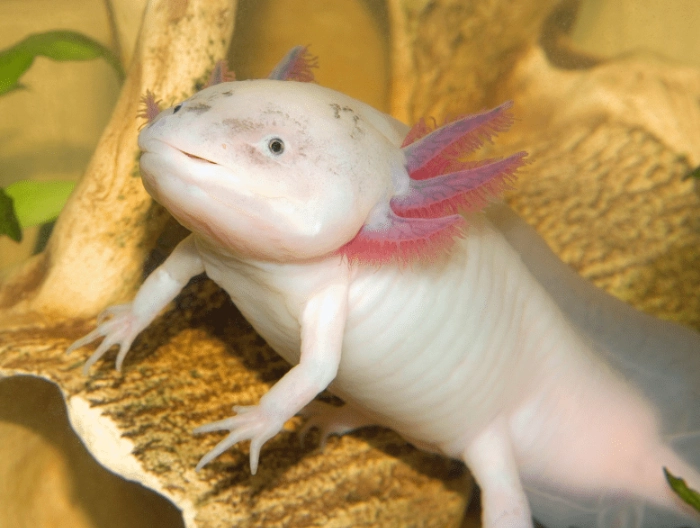
The Big Questions: Your Jarisco Axolotl FAQ
The Ethical Dimension: Conservation and Captive Care
Owning a critically endangered species is a privilege. Their wild population in Lake Xochimilco is decimated by pollution, urbanization, and introduced fish. Projects like Axolotl.org and efforts by the Mexican government focus on conservation and habitat restoration.
By keeping a captive-bred Jarisco axolotl correctly, you're creating an ambassador. You learn about its biology, its needs, and you can share that knowledge. You contribute to a population that is safe from extinction in the wild, at least in captivity. Organizations like AmphibiaWeb are great resources for broader amphibian conservation context.
But it's a double-edged sword. Poor care in the pet trade creates suffering. Impulse buys lead to dead axolotls. My hope is that this guide filters out the unprepared and empowers the committed.
So, is a Jarisco axolotl for you? If you've read this far, tested your tap water's pH and hardness, researched tank chillers, found a vet, and are still excited, then maybe. Just maybe. Start with the tank. Get it cycled, get it cold, get it stable. Then find a reputable breeder who cares about health, not just color. It's a journey, not a purchase. Good luck.
Reader Comments