Quick Guide to Southern Brown Tree Frogs
- Spotting the Difference: How to Identify a Southern Brown Tree Frog
- Where Do These Frogs Call Home? Habitat and Distribution
- From Egg to Frog: The Life Cycle of Litoria ewingii
- Behavior, Diet, and That Famous Call
- Your Garden as a Frog Haven: How to Attract Them
- Considering a Southern Brown Tree Frog as a Pet? Read This First.
- Frequently Asked Questions (The Stuff You Actually Search)
- Final Thoughts
You know that sound on a warm, humid evening? That repetitive, chirping call that seems to come from every damp corner of the garden after rain? Chances are, you’re listening to the Southern Brown Tree Frog. I’ve spent countless nights trying to spot the little musician responsible, only to have it fall silent the moment I get close with a torch.
It’s a familiar soundtrack across southeastern Australia, but how much do you really know about the frog making all that noise? This isn’t just another green tree frog. The Southern Brown Tree Frog (Litoria ewingii) is a master of disguise, a survivor in urban backyards, and a fascinating little amphibian that’s often overlooked. Let’s clear up the confusion. Is it brown? Is it green? Where does it actually live? And if you’ve ever been tempted to keep one, what does that really involve?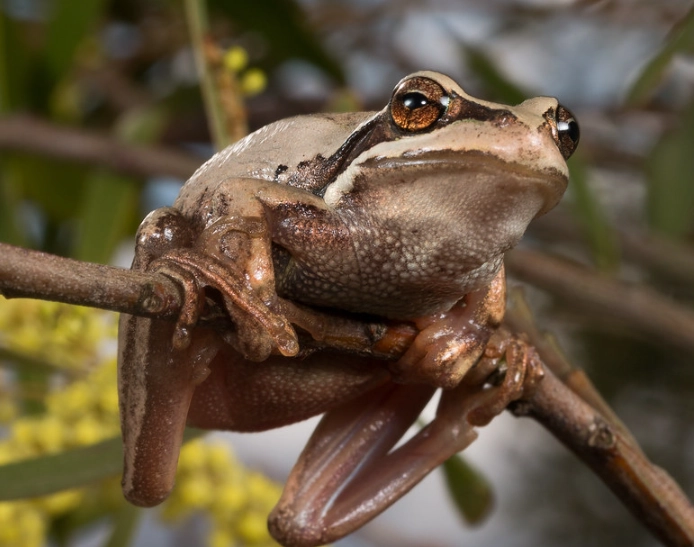
This guide is for the curious backyard observer, the aspiring wildlife gardener, and the responsible pet keeper. We’re going deep on everything southern brown tree frog – no scientific jargon, just practical details and honest insights from years of paying attention to these little guys.
Spotting the Difference: How to Identify a Southern Brown Tree Frog
This is where most people get tripped up. The name is misleading. You’d expect a brown frog, right? Well, sometimes. The southern brown tree frog is a champion of color change. It can shift from a pale, creamy grey to a rich, dark chocolate brown, and even into shades of green or olive. It all depends on the temperature, humidity, and its surroundings. I’ve seen one look like a dead leaf on soil and another look almost vibrant on a mossy stone.
The key isn’t the color, but the pattern. Look for these consistent features:
- A dark band or stripe: This runs from the nostril, through the eye, and all the way back to the shoulder. It’s like a classic robber’s mask. This is their most reliable ID card.
- A pale upper lip: Contrasting with that dark mask, the lip is usually a clean, light color.
- Skin texture: It’s mostly smooth, but if you look closely (or better yet, feel gently), the back has small, scattered bumps. The belly is granular, almost like fine sandpaper.
- Size: They’re not huge. Adults typically sit between 3 to 4.5 cm from snout to vent. Fits comfortably on a tablespoon.
- Toe pads: Like all tree frogs, they have distinct, rounded pads on the tips of their fingers and toes for climbing. Not as pronounced as the White’s Tree Frog, but definitely there.
Now, the confusion usually comes from its look-alikes. The main one is the Verreaux's Tree Frog (Litoria verreauxii). It’s a nightmare to tell apart by looks alone for a beginner. The most reliable difference is the call. The Southern Brown Tree Frog’s call is a series of rapid, high-pitched chirps or creaks – “cree-cree-cree-cree”. Verreaux’s has a slower, deeper, more grating “wraaaak… wraaaak”. If it’s silent, you’re often left guessing unless you’re an expert.
Pro Tip: Don’t rely on color. That dark eye stripe is the southern brown tree frog's signature. If the frog lacks a clear, continuous stripe from nose to shoulder, you’re probably looking at a different species.
Southern Brown Tree Frog vs. Common Lookalikes
To save you the headache, here’s a quick comparison table. It’s not exhaustive, but it covers the main culprits you might confuse in their range.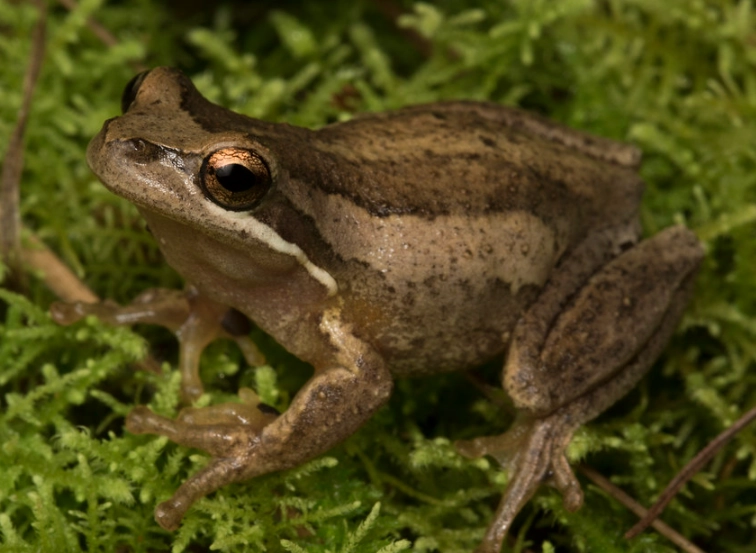
| Feature | Southern Brown Tree Frog (Litoria ewingii) | Verreaux's Tree Frog (Litoria verreauxii) | Common Eastern Froglet (Crinia signifera) |
|---|---|---|---|
| Primary Coloration | Highly variable: brown, grey, green, olive. | Similar variability: brown, grey, sometimes green. | Usually grey or brown with darker markings. |
| Key Marking | Prominent dark brown stripe from nostril, through eye, to shoulder. | Dark stripe often broken or less distinct behind eye. | No consistent head stripe. Often has a rough, warty back. |
| Call | Series of high-pitched, rapid chirps: “cree-cree-cree-cree”. | Slower, deeper, grating repeated note: “wraaaak… wraaaak”. | A repetitive, clicking “crick-crick-crick”. |
| Typical Habitat | Grasslands, forests, suburban gardens, often far from permanent water. | Similar, but often more associated with damp grasslands. | Very small; lives in and around slow-moving or still water bodies. |
| Size | Medium (3-4.5 cm). | Similar size. | Very small (1.8-3 cm). |
See? The stripe and the call are your best bets. When in doubt, the fantastic FrogID app by the Australian Museum is a lifesaver. Record the call, upload it, and experts will help identify it. It’s a brilliant citizen science project that’s also solved many of my backyard mysteries.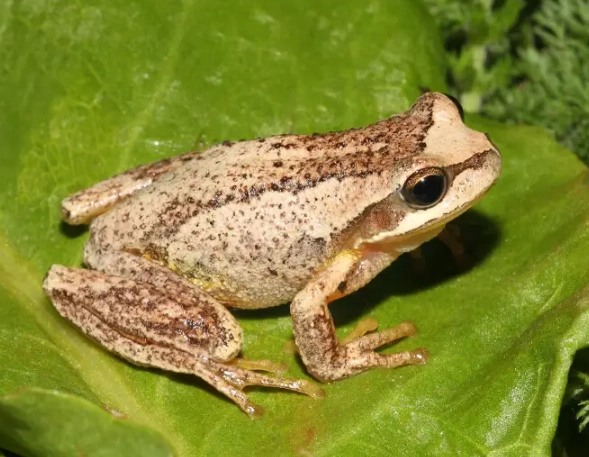
Where Do These Frogs Call Home? Habitat and Distribution
Forget the idea of frogs needing a permanent pond. The southern brown tree frog is a bit of a nomad. It’s adapted to a life where water comes and goes. Its official range is huge: all of Tasmania, most of Victoria, southeastern South Australia, the southern half of New South Wales, and even a tiny bit of southeastern Queensland. It’s been introduced to New Zealand, too, where it’s now quite common (and considered an invasive species, which is a whole other conversation).
They’re not picky about real estate. You’ll find them in:
- Native forests and woodlands: Their original home, hiding under bark or in tree hollows during the day.
- Grasslands and heathlands: Burrowing into moist soil or hiding in thick tussocks.
- Suburban and urban gardens: This is where most of us meet them. They love the messy, damp bits we often overlook.
What are they looking for? It’s not a specific plant, but specific conditions:
- Moisture: Not necessarily a pond, but damp soil, a dripping tap, a clogged gutter, or a dense, shaded garden bed that holds humidity.
- Shelter: Daytime hiding spots are crucial. This could be under a loose piece of timber, a stack of pots, a rock pile, deep inside a clumping plant, or under thick mulch.
- Breeding sites: Temporary water! They prefer shallow, still, often vegetated water that fills after rain: flooded grasslands, ditches, dam edges, garden ponds, or even large puddles that last a few weeks. They generally avoid large, permanent lakes with fish (fish eat tadpoles).
I’ve found them in my compost bin, behind the garden shed, and once, memorably, tucked inside a rolled-up hose. They’re survivors, making the most of what our human landscapes offer.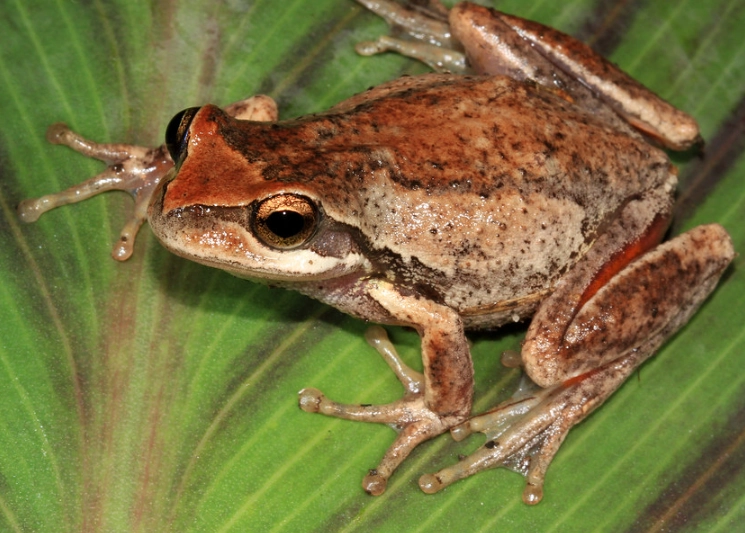
From Egg to Frog: The Life Cycle of Litoria ewingii
Their life story is a race against time and evaporation. Breeding is triggered by heavy rain, usually from late winter through to early autumn. That’s when the males start their relentless chirping, trying to attract a mate to their chosen puddle or pond edge.
The female lays small clumps of eggs, maybe a few hundred at a time, attached to vegetation just below the water’s surface. The tiny, dark tadpoles hatch within days. Here’s the tricky part: their nursery is a temporary puddle. They have to develop from a tadpole to a froglet before the water dries up. This usually takes 2 to 4 months, but if it’s warm and food is plentiful, they can speed it up.
The transformation is something else. The tadpoles are a mottled brown and gold, perfect camouflage in a muddy puddle. As they develop legs and absorb their tail, they start to venture out of the water. The final product is a perfect miniature brown tree frog, ready to hop off into the undergrowth.
It’s a precarious existence. A hot, dry week can wipe out an entire brood. This is why they breed repeatedly over the season – it’s a numbers game.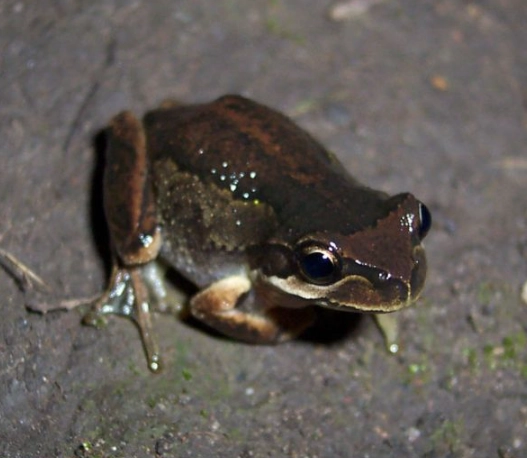
Behavior, Diet, and That Famous Call
By day, they’re secretive and still. By night, they’re active hunters. Their diet is your standard small frog fare: any insect or arthropod they can overpower. We’re talking moths, flies, spiders, beetles, ants. They’re a natural pest control service in your garden, and a pretty effective one at that.
Now, the call. It’s not a deep croak. It’s a high-pitched, cricket-like series of chirps. On a still night, a chorus of them can be almost deafening. Males call to attract females and to establish little territories near prime breeding spots. They inflate a single, large vocal sac under their chin. When you see one calling, that sac looks like a clear, quivering bubble.
One thing I’ve noticed is they seem to call more enthusiastically on humid nights, even without recent rain. It’s like they’re testing the air, getting ready for the next big downpour.
Your Garden as a Frog Haven: How to Attract Them
Want to encourage these little pest controllers? It’s not about buying a fancy frog hotel. It’s about thoughtful neglect. Here’s what actually works, based on trying (and failing) with different approaches:
- Provide shelter, not trinkets. Forget the cute ceramic frog house. A piece of old, untreated timber laid on the soil in a shady spot is a palace. A loose stack of rocks or bricks in a damp corner works. A thick layer of leaf litter or mulch in garden beds is ideal.
- Create a frog-friendly pond. The key is shallow edges. A steep, deep pond is useless. Create a gently sloping beach area or use pebbles to make a shallow zone. Plant dense, native sedges and rushes around the edges for cover. Do not add fish. Fish will eat eggs and tadpoles. If you must have fish, have a separate, deep section they can’t access from the breeding zone.
- Go chemical-free. This is non-negotiable. Pesticides, herbicides, and fungicides can be absorbed through their permeable skin and are often deadly. If you want frogs, you commit to organic gardening. Snail pellets are a particular menace.
- Leave some mess. A perfectly manicured, sprayed, and tidy garden is a desert to a frog. Let a corner go wild. Allow leaves to accumulate. Don’t clean up every fallen branch immediately.
- Provide a water source beyond the pond. A shallow dish of water sunk into the ground, a dripping tap over a rocky basin, or even just consistently watering a section of garden can create the damp microclimate they seek.
A Reality Check: Attracting frogs also means attracting their predators. You might see more snakes, particularly the harmless Common Garden Snake. This freaks some people out. You need to be okay with the whole ecosystem, not just the cute parts.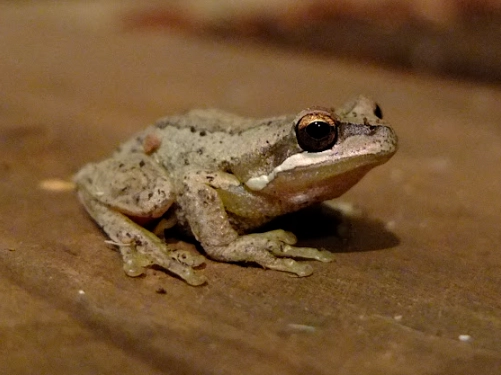
Considering a Southern Brown Tree Frog as a Pet? Read This First.
I get it. They’re charming, small, and have those big, curious eyes. But keeping a native Australian frog as a pet is a significant commitment and comes with legal and ethical strings. Let’s be brutally honest.
First, the law. In Australia, you generally cannot take a southern brown tree frog from the wild to keep as a pet. They are protected under various state wildlife acts. To keep one legally, you usually need to acquire it from a licensed breeder and may require a wildlife carer or exhibition license, depending on your state. The rules are strict, and for good reason. Always check with your state’s environment department (like the NSW Environment Protection Authority or Victoria's DEECA) for the exact regulations. This isn’t a grey area.
Second, the reality of care. They are not beginner pets. They are more delicate and stress-prone than the common White’s Tree Frog often sold in pet shops.
The Big Question: Why do you want one? If it’s to watch natural behavior, consider setting up a wildlife-friendly garden and observing them outside. It’s more rewarding and less work. If you’re dedicated to providing expert care, then read on.
The Honest Pet Care Guide
If you’re legally set up and committed, here’s what a southern brown tree frog needs to thrive in captivity:
The Enclosure: A tall glass terrarium is best, as they do climb. A minimum for a pair would be 45cm x 45cm x 60cm (height). Ventilation is crucial to prevent stagnant, moldy air, but so is maintaining humidity.
Substrate: Something that holds moisture but doesn’t stay soggy. A mix of coconut fiber, sphagnum moss, and leaf litter works well. Avoid gravel or small bark they could accidentally ingest.
Temperature & Humidity: This is where people mess up. They need a gradient. A daytime warm spot of 22-25°C, with a cooler end around 18-20°C. Nighttime can drop a few degrees. They do not like sustained heat above 28°C. Humidity should be maintained at 60-80%. This requires daily misting with dechlorinated water and likely an automated misting system or fogger for consistency. A hygrometer and thermometer are essential investments.
Lighting: They don’t need special UVB lighting like reptiles, but a gentle, low-output full-spectrum light on a 12-hour cycle helps regulate their day/night rhythm and benefits any live plants.
Decor: Plenty of hiding places! Cork bark tubes, PVC pipes, hollow logs, and dense, live plants like Pothos or Philodendron. Provide branches and vines for climbing. The more cluttered and natural it looks, the safer they’ll feel.
Diet: A variety of gut-loaded insects: small crickets, flightless fruit flies, small roaches, and occasional treats like waxworms or calci-worms. Dust food with a calcium supplement 2-3 times a week and a multivitamin once a week. They won’t eat dead insects; prey must move.
Water: A shallow, easy-to-exit water dish filled with dechlorinated water (use aquarium water conditioner) must always be available. Change it daily.
Here’s a quick-reference table for the core setup parameters:
| Aspect | Requirement | Why It Matters |
|---|---|---|
| Enclosure Type | Tall glass terrarium with secure, ventilated lid. | Provides climbing space and contains humidity. |
| Temperature Gradient | Warm end: 22-25°C, Cool end: 18-20°C. | Allows frog to thermoregulate; prevents stress from constant heat. |
| Substrate | Moisture-retentive mix (coco fiber, moss). | Helps maintain humidity and allows for natural burrowing behavior. |
| Humidity Level | 60-80% consistently. | Critical for skin health and hydration; prevents fatal dehydration. |
| Diet | Live, gut-loaded insects, dusted with supplements. | Provides complete nutrition; prevents metabolic bone disease. |
| Water Source | Shallow dish, dechlorinated, changed daily. | For drinking and soaking; chlorine/chloramines are toxic. |
The biggest challenge? The humidity-temperature balance. In summer, keeping the temp down while keeping humidity up is a constant battle with fans and misters. It’s expensive and fiddly. And they’re shy. You might go days without seeing your pet, which for some defeats the purpose. Honestly, for most people, creating a good habitat outside is more rewarding and less of a daily chore.
Frequently Asked Questions (The Stuff You Actually Search)
Are southern brown tree frogs poisonous?
No. They are completely harmless to humans and pets. They do not produce any significant toxins through their skin. Always wash your hands after handling any amphibian (to protect them from your oils and salts), but you have nothing to fear from a bite or touch.
How long do they live?
In the wild, their life is tough, and most probably don’t make it past 2-3 years due to predation and drought. In a protected, well-maintained captive environment, they can live 5 years or more.
Why is my backyard southern brown tree frog always brown, never green?
It’s likely sitting on brown substrates most of the time (soil, mulch, wood). To trigger a greener phase, it needs to be on green vegetation for an extended period in the right conditions. It’s not an instant change, and some individuals may have a stronger tendency toward one color palette. The one that lives in my fern pot is almost always a pale olive-green.
I found one in my house! What do I do?
Don’t panic. It’s probably dehydrated and lost. Gently catch it using wet hands (dry hands can damage their skin) or guide it into a container. Don’t use chemicals or soaps. Release it at dusk in a damp, sheltered spot in your garden, near some cover. Provide a shallow dish of water nearby to help it out.
What are the main threats to wild populations?
Habitat loss is number one. Draining wetlands, clearing vegetation, and over-tidying gardens. Climate change leading to longer droughts affects their breeding cycles. The deadly Chytrid fungus is also a major threat to amphibians worldwide, including this species. Road mortality is also significant during wet weather when they are moving. Using the FrogID app helps scientists track populations and understand these threats.
Final Thoughts
The Southern Brown Tree Frog is a resilient little character. It’s not the flashiest frog, but it’s a vital part of the ecosystem and a sign of a healthy, chemical-free environment. Whether you’re listening to its chirping chorus on a summer night, carefully creating a pond for it to breed in, or undertaking the serious responsibility of keeping one legally in captivity, understanding its real needs is key.
Forget the generic pet care sheets. This frog needs specific conditions to thrive—cool temperatures, high humidity, and a deep respect for its wild nature. My take? The best way to enjoy Litoria ewingii is to foster a space for it in your own backyard. It’s cheaper, easier, and you get the satisfaction of supporting local wildlife. You’ll learn more by observing them in a semi-natural setting than you ever will from a glass box.
Next time you hear that familiar “cree-cree-cree” in the dark, you’ll know exactly who’s singing, what they look like, and maybe even how to make your garden a better home for them. And that’s a pretty good outcome.
Reader Comments