Quick Guide to Axolotl Care
- What Exactly Is a Mexican Axolotl?
- Why Keep One? The Good, The Bad, The Messy.
- The Non-Negotiable Tank Setup
- Feeding Your Mexican Axolotl: What's on the Menu?
- Common Health Issues: What to Watch For
- Frequently Asked Questions (The Real Ones)
- Finding a Healthy Mexican Axolotl
- Final Thoughts: Is the Mexican Axolotl Right for You?
You've seen the pictures. That cute, smiling face with the feathery gills floating like a crown. The Mexican axolotl (pronounced ACK-suh-LAH-tuhl) is having a major moment online, and it's easy to see why. They look like permanent baby dragons, right? But before you rush to order one because that TikTok video was adorable, let's have a real talk. Owning an axolotl isn't like having a goldfish. It's a commitment to a fascinating, sensitive, and frankly, pretty weird creature that needs very specific care. I've kept them for years, made my share of mistakes, and learned what truly makes them thrive. This guide is that conversation—no fluff, just the stuff you need to know to decide if a Mexican axolotl is for you and how to give it a great life if it is.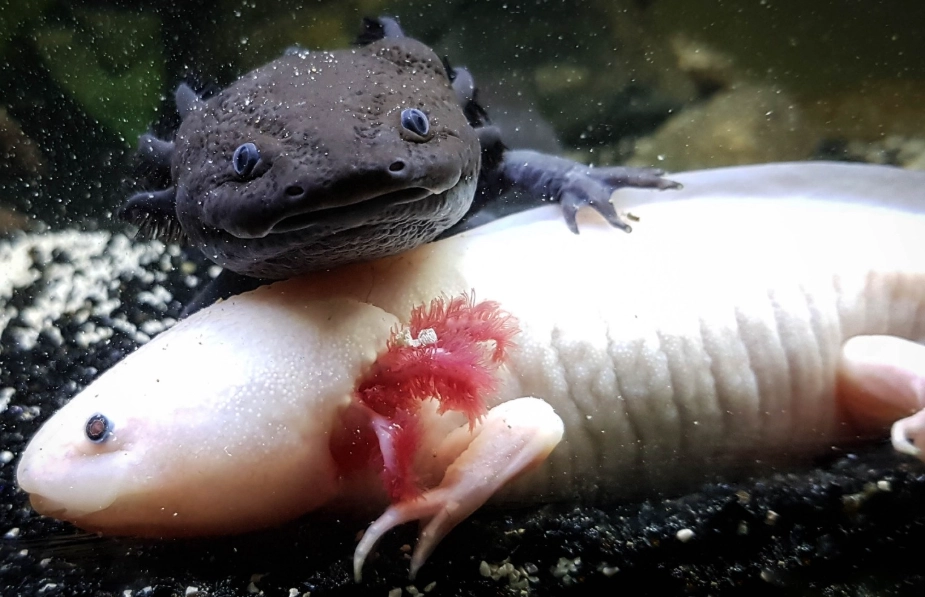
What Exactly Is a Mexican Axolotl?
Let's clear up the basics first. The Mexican axolotl, scientific name Ambystoma mexicanum, is not a fish. It's a salamander. But it's a salamander that decided evolution was overrated. While most amphibians metamorphose from water-breathing larvae to land-living adults, the axolotl does something called neoteny. It stays in its larval form its entire life, keeping its gills and living permanently underwater. Think of it as a Peter Pan salamander that never grows up.
They're native to only one place in the world: the lake complex of Xochimilco near Mexico City. And here's the sad part—they are critically endangered in the wild. The IUCN Red List has them listed as critically endangered, mainly due to habitat loss and pollution. Every pet axolotl is almost certainly captive-bred, which is a good thing. It takes pressure off wild populations.
Their fame in science is massive. They can regenerate lost limbs, tails, spinal cords, even parts of their heart and brain. Researchers are obsessed with them. The National Institutes of Health (NIH) has extensive research on their regenerative abilities. So, you're not just getting a pet; you're caring for a living scientific marvel.
Why Keep One? The Good, The Bad, The Messy.
Let's be balanced. I love my axolotls, but I'm not here to sell you on them. I want you to know what you're in for.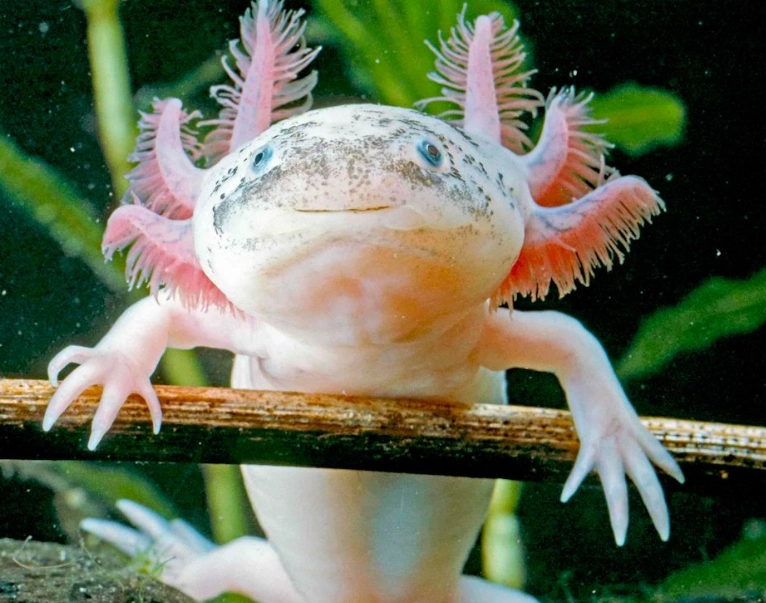
The Good Stuff (The Pros)
They are incredibly low-energy and peaceful. You won't see them zooming around. They're more like laid-back, aquatic couch potatoes. Watching them slowly patrol their tank or curiously sniff at the glass is strangely meditative. They have individual personalities too. One of mine is a brave explorer, the other is a shy guy who hides behind the filter. They're also relatively low-maintenance once the tank is set up correctly. You don't need to walk them, and you can leave them for a weekend with an automatic feeder without too much worry. And, of course, they're utterly unique. You won't find another pet that looks like it.
The Not-So-Good Stuff (The Cons)
They are messy eaters. They suck in food like a vacuum, and bits go everywhere. This means you need a strong filter, but one that doesn't create a strong current (they hate fast water). Finding that balance is tricky for beginners. Their diet is primarily protein-based—earthworms, pellets, sometimes feeder fish (with risks). You need to be comfortable handling worms.
They have delicate, permeable skin. You can't handle them unless absolutely necessary. No taking them out for cuddles. And finding a vet who knows about axolotls can be a real challenge and expensive if they get sick.
See what I mean? It's a specific lifestyle for a specific pet owner.
The Non-Negotiable Tank Setup
This is where most first-timers fail. You can't just plop a Mexican axolotl in a goldfish bowl. Their home is everything.
Tank Size and Shape
Bigger is always better. The absolute minimum for one adult axolotl is a 20-gallon long tank. Not a tall one. They walk on the bottom, they don't swim up and down much. A long tank gives them floor space. I personally started with a 20-long and quickly upgraded to a 40-gallon breeder for two. It made water quality management so much easier. More water dilutes waste better. For two axolotls, start with a 40-gallon breeder. Don't crowd them.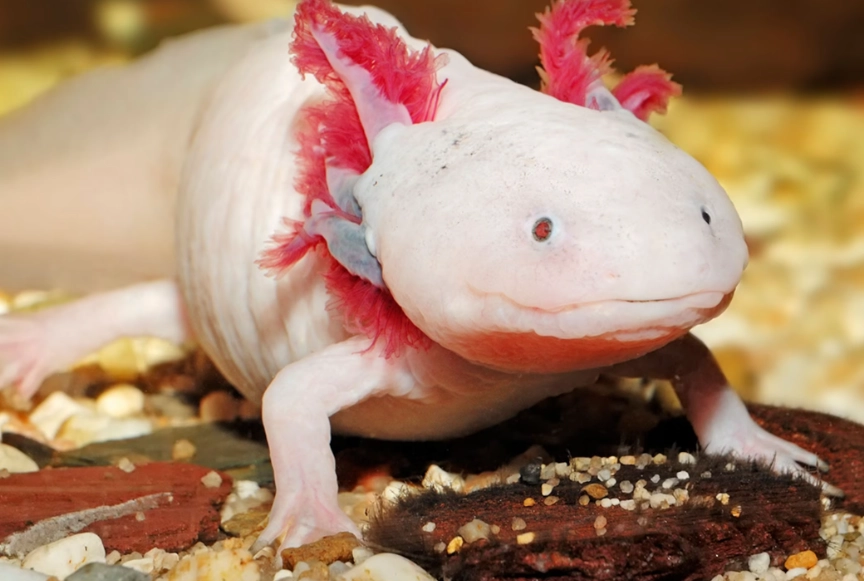
The Filtration Dilemma
You need a filter that cleans well but flows gently. Sponge filters are a popular, cheap, and safe choice because they provide biological filtration with almost no current. The downside? They aren't the best at mechanical filtration (pulling out gunk). Canister filters are the gold standard—they hold lots of media and you can adjust the flow. I use a canister filter with a spray bar pointed at the wall to diffuse the current. Hang-on-back filters often create too much waterfall current. You'll likely need to baffle the output.
Substrate: The Great Debate
Bare bottom, fine sand, or large tiles? This is a hot topic. Gravel or small stones are a DEATH TRAP. They will ingest them and become impacted.
- Bare Bottom: Easiest to clean, no risk of ingestion. But it can stress them out because they can't grip well, and it doesn't look natural.
- Fine Sand: My preferred choice. Use aquarium sand so fine it passes through them if swallowed. It looks natural, they can grip it, and they enjoy sifting through it. But you have to vacuum it carefully.
- Large Slate Tiles/Rocks: A great middle ground. Provides grip and a natural look, with no ingestion risk as long as the rocks are much bigger than their head.
I started bare-bottom, switched to sand, and will never go back. They just seem happier.
Cooling the Tank
If your room stays below 68°F year-round, you might be okay with just a fan blowing across the water surface. For most people, especially in summer, an aquarium chiller is necessary. They're pricey, but a non-negotiable investment for your axolotl's health. Alternatively, some people use computer fans rigged to the tank or keep the tank in a cool basement.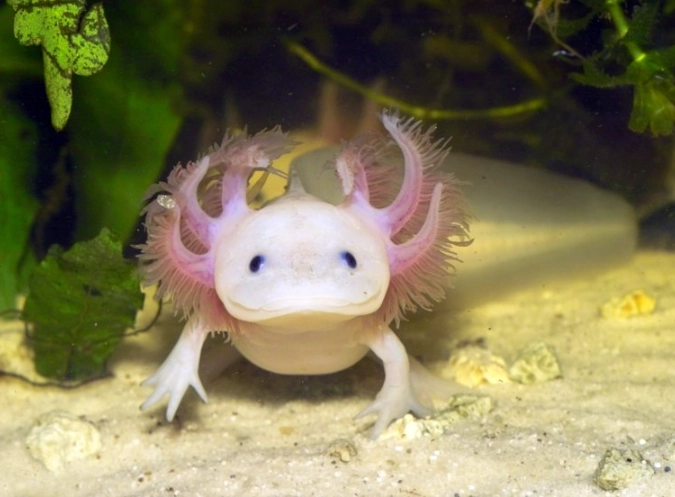
Hides and Decor
Mexican axolotls are ambush predators and feel secure in hides. Provide at least two hides per axolotl. Use PVC pipes (cheap and easy), ceramic caves, or aquarium-safe resin hides. Avoid anything with sharp edges. Live plants like Java Fern and Anubias are great (they don't need to be planted in substrate) but be prepared for them to be uprooted by a clumsy axolotl. They provide nice cover and help with water quality.
Feeding Your Mexican Axolotl: What's on the Menu?
In the wild, they eat worms, insects, small fish—anything that fits in their mouth. In captivity, we need to replicate that protein-rich diet.
| Food Type | Pros | Cons | Feeding Frequency (Adult) |
|---|---|---|---|
| Earthworms/Nightcrawlers | Nutritionally complete, natural, encourages hunting behavior. | You have to buy/breed them. Some axolotls are initially hesitant. | 2-3 times a week |
| Axolotl Pellets | Balanced, sink to the bottom, less messy than some foods. | Can be less stimulating. Quality varies by brand. | Every other day |
| Bloodworms (Frozen) | Readily accepted, good for picky eaters or juveniles. | Not a complete staple for adults; more like a treat. Messy. | As a treat, 1-2 times a week |
| Repashy Grub Pie (Gel Food) | Very clean, highly nutritious, customizable. | Requires preparation. Some individuals ignore it. | 2-3 times a week |
I feed a varied diet: earthworms as the staple, with high-quality pellets and the occasional Repashy cube. Variety seems to keep them healthiest. How much to feed? A good rule is to offer an amount roughly the size of their head. Juveniles need to be fed daily.
A word on feeder fish: I avoid them. They can carry parasites and diseases, and they offer little nutritional value unless gut-loaded. It's an unnecessary risk.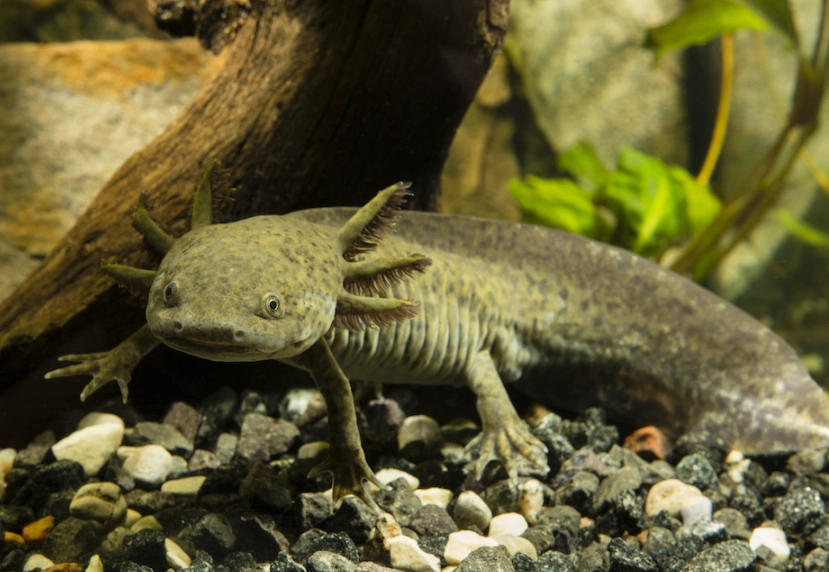
Common Health Issues: What to Watch For
Most health problems stem from poor water quality, incorrect temperature, or diet. Prevention is 90% of the battle.
- Ammonia/Nitrite Poisoning: Gills curled forward, red streaking on skin, lethargy. Test your water weekly! This is an emergency requiring immediate water changes.
- Fungal Infections: White, cotton-like growths, usually on gills or wounds. Often appears after injury or stress. Can be treated with salt baths or tea baths (using Indian Almond Leaves).
- Impaction: Swallowed gravel or a large piece of food blocks the gut. The axolotl stops eating, may float, and its cloaca may look swollen. Prevention is key—use correct substrate and cut food appropriately.
- Gill Shrinkage: If their fluffy gills start to recede, it's often a sign of poor water quality (high nitrates) or insufficient oxygen. Fix the water, and they usually grow back.
I learned about fungus the hard way when a new decoration scratched one of mine. A few tea baths (cooled, brewed black tea) did the trick, but it was a stressful week. Having a hospital tub ready is a good idea.
Frequently Asked Questions (The Real Ones)
Can my axolotl live with fish or other axolotls?
With other Mexican axolotls, yes, if the tank is large enough and they are similar in size. Never house a small one with a much larger one—it might become lunch. With fish, it's very tricky. Most tropical fish need warmer water. The only semi-reliable tank mates are small, fast, cold-water fish like White Cloud Mountain Minnows, and even then, they might get eaten. Honestly, most experienced keepers recommend a species-only tank. It's safer and simpler.
Why is my axolotl floating or not eating?
Floating can be normal (a bit of gas) or a sign of impaction or stress. If it's occasional and they can swim down, monitor. If they're stuck at the top, check for impaction. Not eating is a major red flag. The top causes are stress (from water parameters, temperature, or current), illness, or impaction. Test your water first. Always.
How do I tell if my Mexican axolotl is male or female?
You usually can't until they are sexually mature, around 12-18 months old. Males have a noticeably swollen cloaca, while females have a smaller cloaca and a wider, rounder body when viewed from above, especially if gravid (full of eggs). The Smithsonian Magazine has some great features on their biology if you're curious about the science behind them.
Do they make noise? Do they bite?
No, they are silent. A bite feels like a gentle pinch if you're feeding by hand—they have small teeth for gripping, not tearing. They might accidentally nip a tank mate's gill during feeding frenzy, which is why some people feed separately.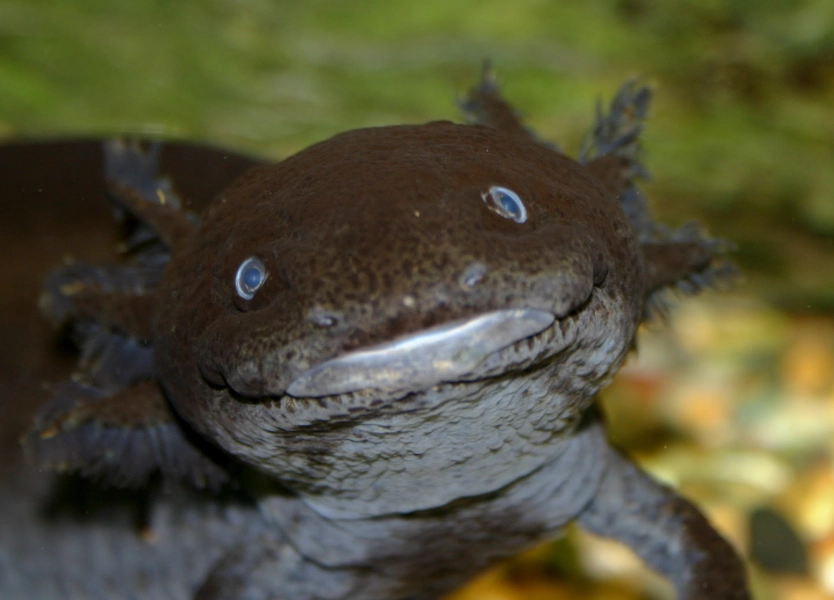
Finding a Healthy Mexican Axolotl
Please, do not buy from a general pet store that keeps them in tiny, warm tanks. Look for a reputable breeder. Online breeders who ship are common. Look for reviews, ask to see pictures of the parents and setup. A good breeder will ask YOU questions about your tank setup. A healthy juvenile axolotl should have fluffy, full gills, clear eyes, a plump body, and be active (for an axolotl). Avoid any that look skinny, have missing gill filaments, or have sores.
Consider adopting! There are axolotl rescue groups and rehoming forums where people need to find new homes for their pets. It's a wonderful option.
Final Thoughts: Is the Mexican Axolotl Right for You?
If you're a detail-oriented person who enjoys the "aquarium keeper" side of things—testing water, maintaining equipment, observing behavior—then yes, you might find a Mexican axolotl incredibly rewarding. They are a pet you care *for*, not so much a pet you interact *with*. It's a different kind of pet relationship.
If you want a hands-on, cuddly companion, or if the idea of maintaining a cold, clean aquatic environment sounds like a chore, then this probably isn't the pet for you. And that's perfectly okay. The worst thing is getting one on a whim and having it suffer because its needs weren't met.
Got more questions? The community on dedicated axolotl forums is generally fantastic and helpful. Just remember, always double-check advice, because even well-meaning people can be wrong. Your axolotl's health depends on you being its advocate.
Reader Comments