Red Tree Frog Essentials
So you're thinking about getting a red tree frog. Maybe you saw a picture online, one of those incredible shots where the frog looks like a living jewel with huge red eyes. I get it. I was in the same spot a few years back, completely captivated. But let me tell you, there's a big gap between admiring a photo and actually keeping one of these amphibians healthy and happy.
This isn't just another generic care sheet. We're going to dig into the real stuff—the things I learned the hard way, the questions that kept me up at night, and the details that make all the difference between a frog that merely survives and one that truly thrives. Whether you're a complete beginner or have some experience with other frogs, there's something here for you.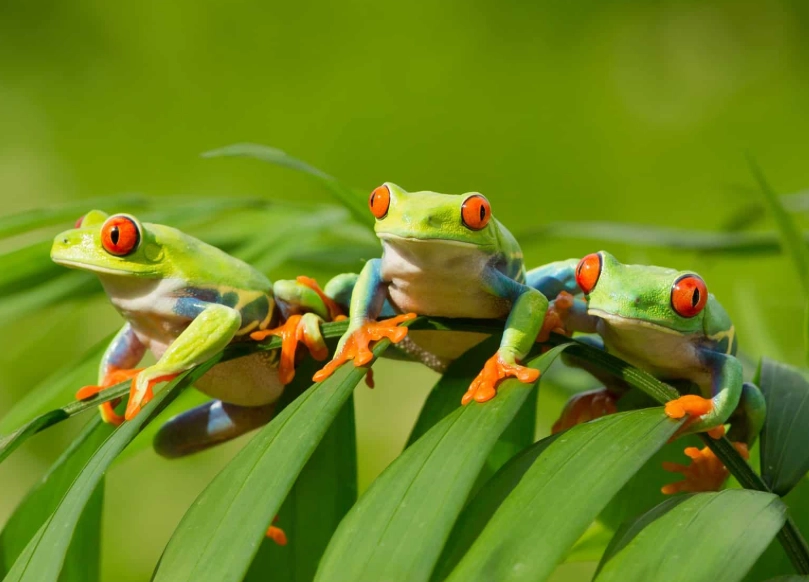
Wait, Which Red Tree Frog Are We Talking About?
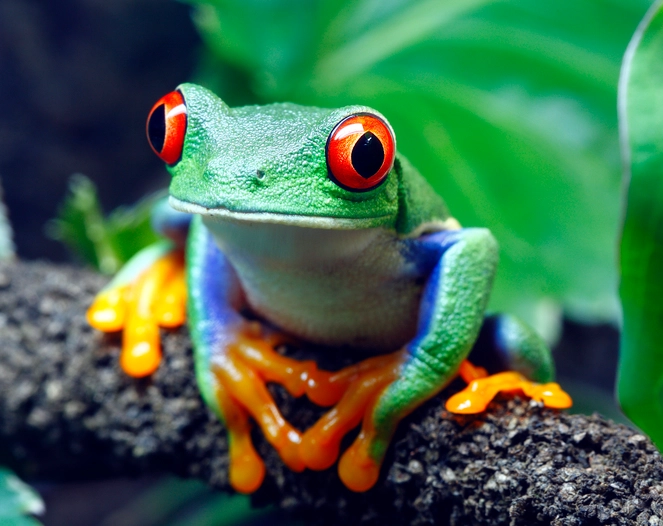
This is where things get interesting, and frankly, where a lot of confusion starts. You search for "red tree frog" and you get a mix of results. Are they all the same? Absolutely not. The celebrity of the group, the one you're probably picturing, is the Agalychnis callidryas, commonly known as the red-eyed tree frog. Those iconic red eyes, the vibrant green body, the blue and yellow stripes—it's a showstopper.
But the name "red tree frog" can also refer to others. There's the Australian red-eyed tree frog (Litoria chloris), which is beautiful in its own right but a different animal altogether. Sometimes people even use it for certain color morphs of white's tree frogs that lean reddish. For the sake of clarity and because it's the most sought-after, this guide will primarily focus on the Central American red-eyed tree frog (Agalychnis callidryas). Most of your care questions will revolve around this species anyway.
Why does this distinction matter? Because their needs can differ. An Australian frog's requirements won't perfectly match a Central American frog's. Assuming they do is a fast track to problems. Always, always confirm the scientific name when you're buying or researching. It's the only way to be sure.
Setting Up the Perfect Red Tree Frog Palace
Think of their enclosure not as a cage, but as a slice of rainforest. That's the mindset. These are arboreal frogs, meaning they live in trees. They climb, they jump, they lounge on leaves. A tank that's wider than it is tall is basically a prison for them.
The Tank: Go Vertical or Go Home
A tall terrarium is non-negotiable. For a single red-eyed tree frog, a 20-gallon tall is the absolute bare minimum starting point. I'd argue it's still too small. They use every inch of vertical space. For a pair or a small group, you're looking at a 30-gallon tall or larger. Screen tops are great for ventilation, which is crucial to prevent stagnant, moldy air—a big killer in poorly set-up tanks.
Glass is standard, but some keepers swear by front-opening enclosures. They're less intrusive when you need to do maintenance. Your frog is less likely to see your hand coming from above as a predator attack.
Climate Control: Nailing Humidity and Heat
This is the trickiest part for most beginners. Their native habitat is warm and dripping with moisture, but also has airflow.
- Temperature: Aim for a gradient. The warm spot should be around 78-82°F (25-28°C) during the day, created by a low-wattage heat bulb or a heat pad on one side of the tank. The rest of the tank can drop to 72-75°F (22-24°C). At night, it's okay for temps to dip into the high 60s°F (around 20°C). A sudden, drastic drop is bad, but a natural nighttime cooldown is fine.
- Humidity: This needs to spike high (80-100%) and then fall back down. Constant 100% humidity is a recipe for bacterial and fungal infections. Mist the tank heavily once or twice a day with dechlorinated water to create those spikes. A fogger can help, but don't let it run 24/7. A good digital hygrometer is your best friend—don't rely on guesswork.
Making it a Home: Substrate and Decor
The floor of the tank matters more than you think. It holds moisture and affects the overall humidity.
| Substrate Type | Pros | Cons | Best For |
|---|---|---|---|
| Coco Fiber / Eco Earth | Holds moisture well, natural look, safe if ingested. | Can be messy, may need frequent replacement. | Most bioactive and planted setups. |
| Sphagnum Moss | Excellent humidity retention, soft. | Can be expensive for large areas, may mold if too wet. | Topping other substrates or for specific humid hides. |
| Drainage Layer (Bioactive) | Prevents waterlogging, supports clean-up crew. | More complex initial setup. | Advanced keepers wanting a self-sustaining ecosystem. |
| Paper Towel | Sterile, easy to clean, cheap. | Unsightly, doesn't hold humidity, not enriching. | Quarantine tanks or temporary hospital setups. |
Now for the fun part: the furniture. You need climbing structures. Lots of them. Driftwood, bamboo poles, and vine-like plants (real or sturdy artificial) are essential. Live plants like pothos, philodendron, and bromeliads are fantastic. They help with humidity, air quality, and provide natural hiding spots. A bromeliad's central cup can even hold a bit of water, which some frogs will use.
Don't forget a shallow water dish. It should be big enough for the frog to sit in if it wants, but not so deep it could drown. Change this water daily.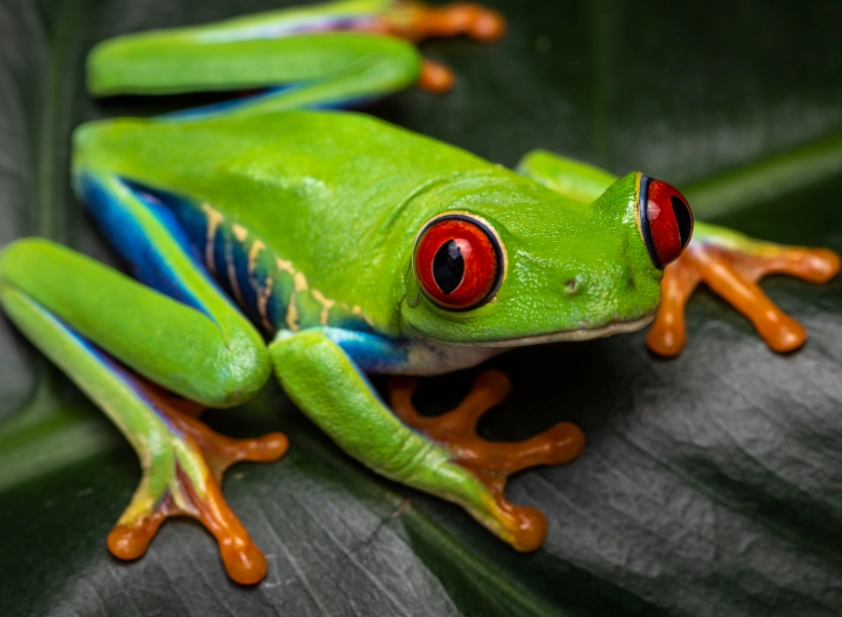
What's on the Menu? Feeding Your Red Tree Frog
In the wild, a red tree frog's diet is varied. We need to replicate that variety in captivity. They are primarily insectivores.
The staple feeders are crickets and dubia roaches. They're nutritious, readily available, and the right size. But feeding only crickets is like you eating only plain rice. You need to "gut load" the insects 24-48 hours before feeding. This means feeding the crickets high-quality veggies (carrots, sweet potato, leafy greens) and commercial gut-load food so they become a nutritious meal for your frog.
Then, right before you offer them to the frog, you need to dust them with a vitamin and mineral powder. Calcium powder is crucial for preventing metabolic bone disease (MBD), a common and fatal condition in captive amphibians. A multivitamin powder should be used once or twice a week. I use a simple schedule: calcium dust at every feeding, multivitamin dust every other feeding.
How much and how often? A good rule for adults is 3-6 appropriately sized insects every 2-3 days. Appropriately sized means no bigger than the space between the frog's eyes. Juveniles need daily feeding. Watch your frog's body condition. If it starts looking overly round, cut back. If the hip bones start to show, feed more.
Treat foods are great for enrichment. Flightless fruit flies, small hornworms, and black soldier fly larvae are all exciting options. Waxworms are like candy—very fatty, so only offer one as a rare treat.
Keeping Your Frog Healthy: Spotting Trouble Early
Frogs are masters at hiding illness. By the time they show obvious signs, they're often very sick. You have to be a detective.
- Skin Problems: Red flags include persistent redness (not their normal color), sores, a slimy or cloudy film, or excessive shedding. Bacterial or fungal infections often start due to poor water quality, dirty substrate, or constant excessive humidity.
- Weight Loss: A skinny frog is a major concern. Can you see the outline of the pelvis or ribs? This points to parasites, inability to catch food, or internal illness.
- Lethargy & Abnormal Posture: A healthy red tree frog should be alert and agile when active at night. Sitting on the ground all day, struggling to climb, or holding limbs in a weird, stiff way can indicate metabolic bone disease (MBD) or other systemic issues.
- Loss of Appetite: Skipping a meal or two isn't panic-worthy. Refusing food for a week or more is.
The best medicine is prevention. Clean water, proper diet with supplements, and a clean, well-ventilated enclosure prevent 90% of issues. Having a veterinarian who sees exotic pets before you have an emergency is critical. Regular vet checks aren't really a thing for frogs, but knowing who to call is priceless. Resources like the Association of Reptilian and Amphibian Veterinarians (ARAV) directory can help you find a qualified pro.
Your Red Tree Frog Questions, Answered
I've gotten a ton of questions over the years. Here are the ones that pop up again and again.
Are red-eyed tree frogs good for beginners?
This is a tough one. They're not the hardest frog to keep, but they're not the easiest either. I'd put them at an intermediate level. A true beginner frog is something like a dumpy tree frog (White's tree frog), which is more forgiving of humidity fluctuations and has a sturdier constitution. A red-eyed tree frog requires more precise humidity control and can be more sensitive to stress. If you're a dedicated beginner willing to do a ton of research and invest in the right equipment from day one, you can succeed. If you want something more plug-and-play, start with an easier species.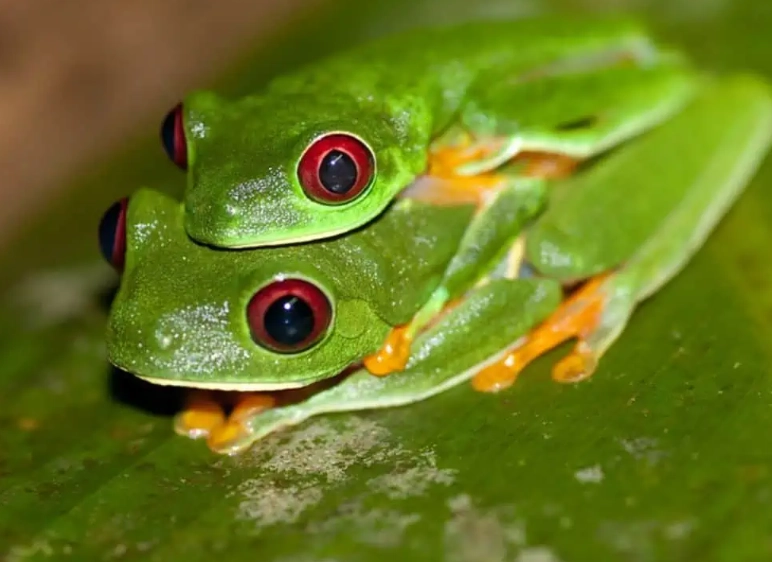
How long do they live?
With excellent care, a red-eyed tree frog can live 5-8 years in captivity, sometimes even longer. I've heard of some hitting 10. Their lifespan is directly tied to the quality of their environment and diet. Poor care drastically shortens it.
Can I handle my red tree frog?
You can, but you really shouldn't make a habit of it. They are not cuddly pets. Handling causes them significant stress. Their skin is also semi-permeable and absorbs oils, salts, and chemicals from your hands, which can make them sick. Any handling should be brief, necessary (like for tank cleaning or health checks), and with thoroughly washed, wet hands to minimize contamination. Enjoy them with your eyes, not your hands.
Do they make noise?
Males do, especially during the rainy season or if they hear other frogs (even recordings). It's not a loud "ribbit." It's more of a quick, chattering vibration or a soft, repeated "chack-chack-chack" sound. It's actually pretty cool. Females are generally quiet.
Where should I buy one?
Please, avoid chain pet stores. Their amphibians often come from questionable sources and may arrive stressed or ill. Seek out a reputable breeder. Breeder frogs are usually healthier, better acclimated to captivity, and you're not impacting wild populations. Look at expos or online from well-reviewed breeders. Ask questions about the frog's age, feeding habits, and health history. A good breeder will be happy to answer. Websites like Reptiles Magazine often have breeder directories and care articles that can point you in the right direction.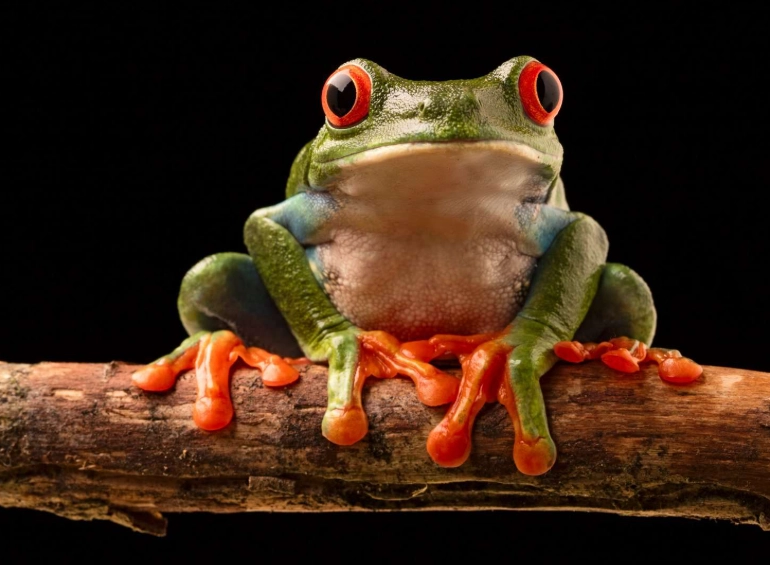
Final Thoughts: Is a Red Tree Frog Right for You?
Let's be real, though.
Caring for a red tree frog is a commitment. It's not just about the initial cost of the tank and the frog. It's the daily misting, the weekly cleaning, the constant cricket runs, the worry when they look at you funny. It's a slice of a complex ecosystem in your living room that depends entirely on you.
But.
When you get it right, there's nothing like it. Turning on a faint light at night and seeing that vibrant green shape perched perfectly on a leaf, those huge red eyes watching the world. It's a living piece of art. The quiet satisfaction of knowing you're providing a good life for a delicate creature is profound.
If you've read this far, you're probably the right kind of person for the job—someone who cares enough to research deeply. Do your homework, set up the tank perfectly in advance, and source your frog responsibly. You'll be rewarded with one of the most captivating pets you can imagine.
Good luck.
Reader Comments