So you're thinking about getting a milk tree frog. Good choice. Or maybe you just stumbled upon a picture of this gorgeous, bug-eyed frog and fell down a research rabbit hole. Either way, you've landed in the right spot. I've kept a few of these guys over the years, and let me tell you, they're fascinating. But they're not your average beginner frog, despite what some pet store tags might imply. Let's cut through the noise and talk about what it really takes to keep a milk tree frog (Trachycephalus resinifictrix) healthy and, dare I say, happy.
First things first, let's clear up the name. "Milk frog" is a common name shared by a few species, but when herp enthusiasts say "milk tree frog," they're almost always talking about Trachycephalus resinifictrix. Sometimes you'll see "Amazon milk frog," which is the same animal. They get the "milk" part from the milky, mildly toxic secretion they can release when stressed. It's a defense mechanism. It's not going to hurt you, but wash your hands after handling and for heaven's sake, don't rub your eyes. I learned that the slightly uncomfortable way once. Not fun.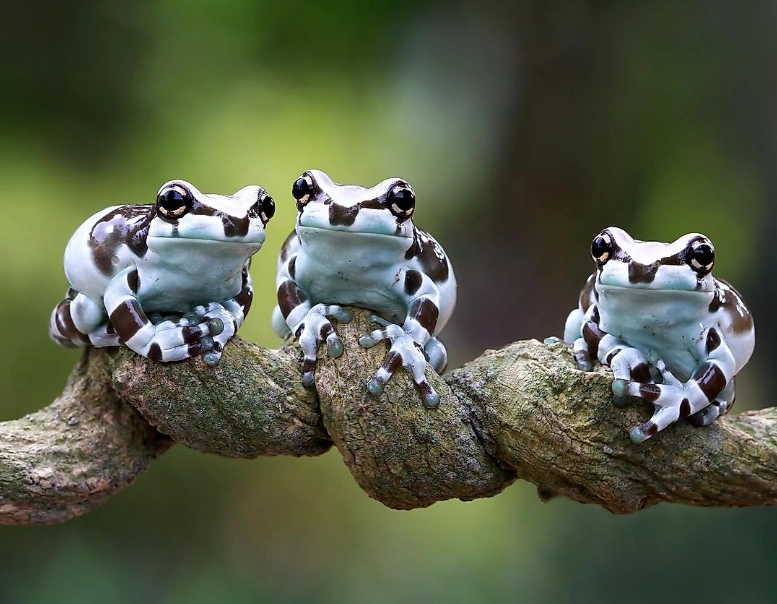
In This Guide
- What Does a Milk Tree Frog Look and Act Like?
- Setting Up the Perfect Milk Tree Frog Habitat
- Feeding Your Milk Tree Frog: The Bug Buffet
- Common Health Issues and How to Spot Them
- Handling and Temperament: Should You?
- Milk Tree Frog Breeding: A Foamy Affair
- Frequently Asked Questions (The Real Ones People Ask)
- Final Thoughts: Is the Milk Tree Frog Right for You?
What Does a Milk Tree Frog Look and Act Like?
If you're picturing a small, delicate frog, think again. These are robust, substantial amphibians. Adults can reach a solid 3 to 4 inches (7.5 to 10 cm) in length. Their base color is a beautiful gray or light brown, but the real show is the pattern: bold bands or spots of chocolate brown, often outlined in white or cream. Their skin has a slightly bumpy, almost granular texture. And those eyes! Large, golden, with a distinctive cross-shaped pupil. It gives them a perpetually surprised, almost cartoonish look that I find utterly charming.
Behavior-wise, they're classic nocturnal tree frogs. Your days will be quiet, with them usually tucked away in a hide or perched behind a leaf. Come dusk, they turn into acrobats. They're strong jumpers and climbers, thanks to their large, sticky toe pads. They can be a bit shy at first, but in a well-planted enclosure, they often become quite bold, especially at feeding time. You'll hear them too. The male milk tree frog's call is a loud, repetitive series of clucks and chirps. Some people find it endearing. My spouse, during the first breeding season, found it... less so. It's not overly loud, but it's persistent. Just a heads-up.
Setting Up the Perfect Milk Tree Frog Habitat
This is where most beginners slip up. You can't just throw a milk tree frog in a tank with a bowl of water. Their environment needs to be just right. Think about where they come from: the Amazonian canopy. It's warm, humid, and full of nooks to hide in.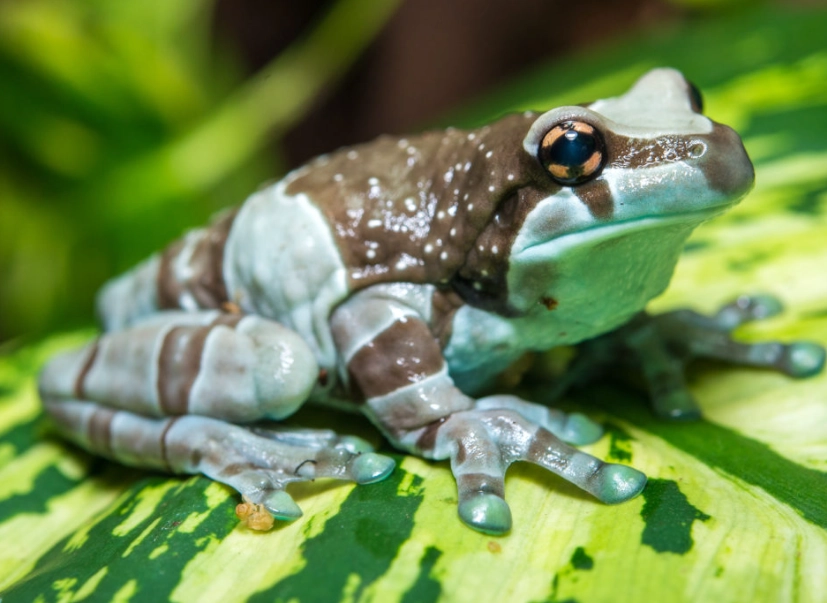
The Enclosure: Size and Type
A pair or trio of milk tree frogs needs a minimum of a 20-gallon tall (24"x12"x16") tank. Honestly, bigger is always better. A 30-gallon tall or an 18x18x24" Exo Terra is fantastic. They need height more than floor space. Screen tops are great for ventilation, but you'll need to cover part of it with glass or plastic to maintain humidity. A front-opening terrarium is a game-changer for maintenance and reduces the chance of an escape artist making a break for it when you lift the lid.
Heating and Lighting
They don't need special UVB lighting like reptiles, but they do need a consistent day/night cycle. A simple LED plant light on a 12-hour timer works wonders for your plants and their rhythm. Temperature is crucial. Aim for a gradient: 75-80°F (24-27°C) on the warm side during the day, dropping to 70-75°F (21-24°C) at night. An under-tank heater on one side or a low-wattage ceramic heat emitter above the screen can achieve this. Never use heat rocks. They cause terrible burns. Use a reliable digital thermometer. The old stick-on ones are garbage.
Substrate and Decor: Building a Frog Jungle
The floor of your tank is an ecosystem. You want something that holds moisture and supports plant life. A drainage layer of clay balls or mesh, followed by a separator, then a substrate mix is the pro method. A simpler, effective mix is organic topsoil, coconut coir, and a bit of sphagnum moss. Avoid small gravel or bark chips they could accidentally swallow.
Now for the fun part: decorating. You're building a vertical playground.
- Branches & Vines: Use plenty of sturdy branches, cork bark tubes, and vines. Spiderwood and ghost wood are great. Arrange them at different heights and angles.
- Live Plants: This is what transforms a tank from a cage to a home. Pothos is the immortal champion—it grows anywhere, roots in water, and provides perfect cover. Philodendron, bromeliads (they hold water in their cups!), and snake plants are also excellent. They boost humidity and give your frogs security.
- Hides: Cork bark rounds or commercial reptile hides placed at various levels. They love to squeeze into tight, dark spaces during the day.
- Water Feature: A large, shallow water dish is mandatory. They will soak in it. Make sure it's easy to climb in and out of. Change the water daily. Seriously, it's that important.
Feeding Your Milk Tree Frog: The Bug Buffet
Milk tree frogs are insectivores with healthy appetites. A varied diet is the absolute key to health. Feeding just crickets is like you eating only plain rice every day.
What to feed: Crickets, dubia roaches, and discoid roaches (where legal) are fantastic staples. Nightcrawlers (cut to appropriate size for younger frogs) are a nutritious treat. Silkworms and black soldier fly larvae are also top-tier. The occasional waxworm or butterworm is like candy—fine as a rare treat, but fattening.
How often: Juveniles should be fed daily, as much as they'll eat in 15-20 minutes. Adults do well every other day, or 3-4 times a week. Watch their body condition. A healthy milk tree frog should be robust but not round. If you see folds of skin bulging over the legs, it's time to cut back.
Feeding time is entertainment. They have a great feeding response. They'll often launch themselves at a fat roach with impressive accuracy. It's one of the real joys of keeping them.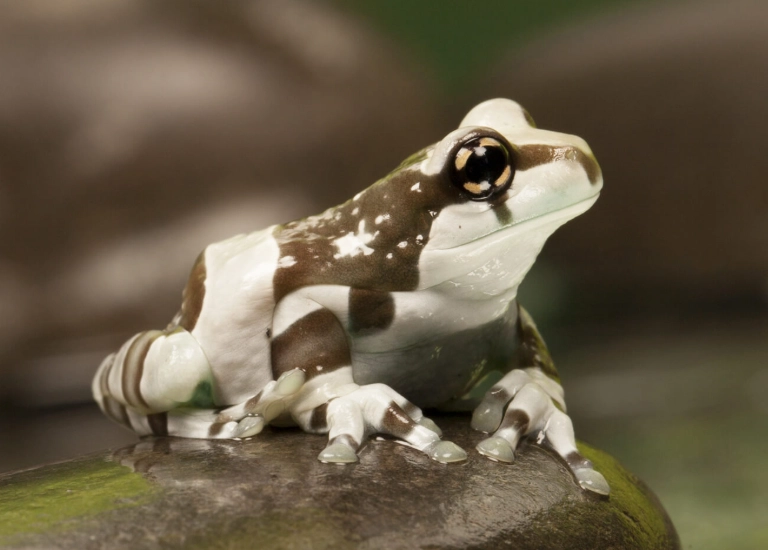
Common Health Issues and How to Spot Them
Even with perfect care, things can happen. Knowing what to look for is half the battle.
| Issue | Symptoms | Likely Cause & Action |
|---|---|---|
| Red-Leg Disease | Reddening of the skin on the belly and legs, lethargy, loss of appetite. | Bacterial infection, often from poor water quality or dirty substrate. Urgent: Requires an exotic vet for antibiotics. Isolate frog, clean entire enclosure. |
| Metabolic Bone Disease (MBD) | Soft, rubbery jaw; difficulty climbing; lethargy; deformed limbs or spine. | Chronic lack of calcium and/or Vitamin D3. Preventable! Ensure proper dusting and gut-loading. Advanced cases need vet care. |
| Chytridiomycosis | Shedding problems, lethargy, loss of righting reflex, thick skin. | Fungal pathogen. A major global threat. Any new frog should be quarantined. Vet diagnosis and treatment essential. |
| Dehydration | Sunken eyes, dry, flaky skin, hiding in water dish for long periods. | Low humidity or lack of access to water. Increase misting, check water dish, evaluate enclosure setup. |
| Impaction | Bloating, lack of droppings, loss of appetite. | Ingested indigestible substrate (like small gravel). Ensure feeders are an appropriate size and substrate is safe. A warm, shallow soak may help mild cases; severe cases need a vet. |
My biggest piece of advice? Find an exotic vet before you get the frog. Not all vets see amphibians. Having one lined up saves panic in an emergency. Websites for associations like the Association of Reptilian and Amphibian Veterinarians (ARAV) have searchable directories.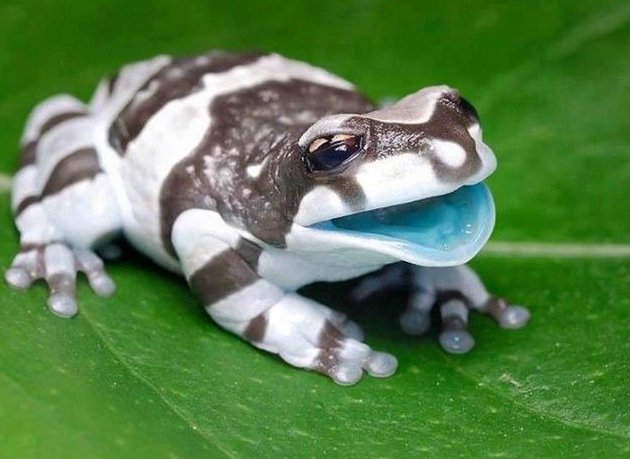
Handling and Temperament: Should You?
Let's be real. Milk tree frogs are pets you observe, not cuddle. They have delicate, permeable skin that absorbs chemicals from your hands (lotions, soap residues, oils). Handling causes them stress. That said, occasional, brief handling for tank maintenance is okay if necessary.
If you must handle:
- Thoroughly wash and rinse your hands with warm water (no soap right before).
- Wet your hands with dechlorinated water first.
- Gently coax the frog onto your hand; never grab or squeeze.
- Keep handling sessions under a minute or two.
- Never handle over hard surfaces—a fall can be fatal.
The best interaction is at feeding time. Watching them hunt is far more rewarding than holding them.
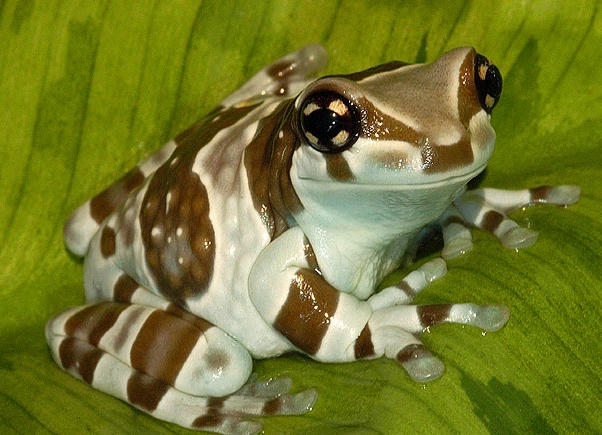 They're living art, not toys.
Milk Tree Frog Breeding: A Foamy Affair
Breeding milk tree frogs in captivity is achievable but requires mimicking seasonal changes. It's not for the faint of heart, and you need a plan for the hundreds of tadpoles you might get.
The process is fascinating. After a courtship involving the male's calls and some amplexus (the male clasping the female), the female will lay eggs in a water-filled cavity—often a film canister or coconut shell you provide above water. Then, the pair kicks their legs to whip the water, eggs, and seminal fluid into a foam nest. This nest protects the eggs from drying out and predators. The tadpoles develop in the foam and eventually wash down into the water below.
Tadpole care is a whole other chapter. They need clean, gently filtered water and are typically fed a diet of high-quality fish flakes, algae wafers, and blanched greens. The metamorphosis from tadpole to tiny froglet is a miracle to watch, but it's a massive commitment of time and resources. Reputable sources like Reptiles Magazine often have detailed breeding accounts from experienced hobbyists.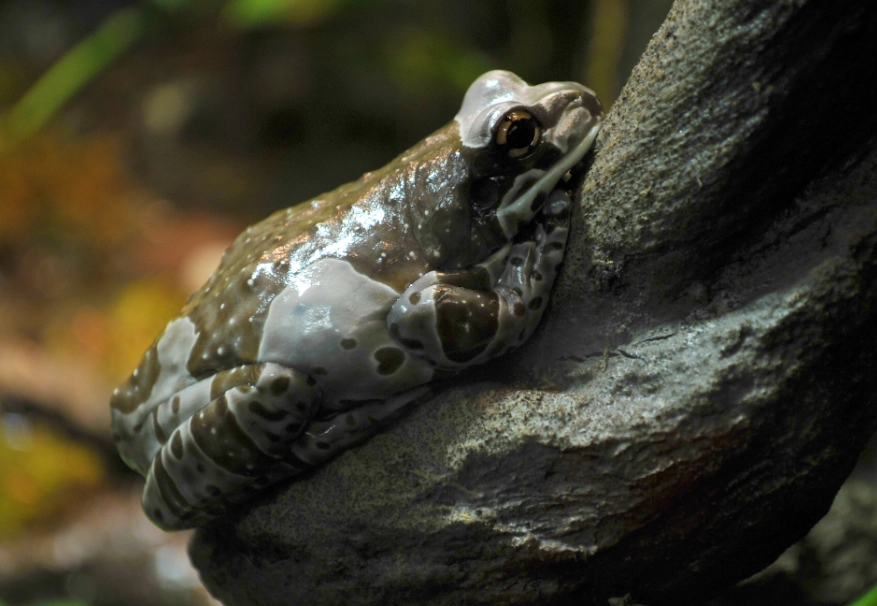
Frequently Asked Questions (The Real Ones People Ask)
Are milk tree frogs poisonous?
They are mildly toxic (technically, poisonous if ingested). Their skin secretion can irritate mucous membranes (eyes, mouth). It's a defense against predators, not an active attack. With basic hygiene, they pose no risk to humans.
Can I keep a milk tree frog with other frogs?
Generally, no. The practice of mixing species (communities) is risky. They can stress each other, compete for food, or spread disease. Different species have different care requirements. It's best to keep milk tree frogs in a species-only tank. You can keep a small group of them together, provided the tank is large enough.
How long do milk tree frogs live?
With excellent care, they can live 8-10 years, sometimes longer. That's a decade-long commitment. Please think about that before buying one on impulse.
Why is my milk tree frog always hiding?
Because it's a nocturnal, prey animal. Hiding is what keeps it alive in the wild. If it's hiding all the time, even at night, check your setup. Not enough foliage or hides? Is the tank in a high-traffic, noisy area? Give it more cover and a quiet location.
What's the biggest mistake new owners make?
Two tie for first: 1) Skimping on enclosure size and complexity, leading to a bored, stressed frog. 2) Neglecting proper supplementation (calcium/D3 dusting), which leads to Metabolic Bone Disease and a slow, painful death. Don't be that person.
Final Thoughts: Is the Milk Tree Frog Right for You?
Look, the milk tree frog is an incredible animal. They're beautiful, active, and have great personalities for a frog. But they are an intermediate-level pet. They require a specific, consistently maintained environment and a commitment to providing a varied, supplemented diet.
They're perfect for you if: You're fascinated by amphibian behavior, you enjoy creating and maintaining a miniature ecosystem (a "bioactive" setup is a great goal), you're ready for a 5-10 year commitment, and you don't need a pet to hold.
You should reconsider if: You want a low-maintenance pet, you're on a tight budget (tanks, supplies, vet bills add up), you want to handle your pet frequently, or you're not ready to deal with live insects.
Do your homework. Set up the tank completely and let it stabilize for a week before you bring a frog home. Source your frog from a reputable breeder, not a big-box pet store if you can help it. Breeders often have healthier, well-started animals and can give you specific advice.
Caring for a milk tree frog is a rewarding hobby. There's a deep satisfaction in seeing your frog thrive in an environment you built. Just go into it with your eyes open, respect the animal's needs, and you'll have a fantastic experience with one of the most distinctive frogs in the hobby.
Reader Comments