Quick Guide to Axolotl Care
- What Exactly Is an American Axolotl? Let's Get the Facts Straight
- The Real Deal on American Axolotl Care: It's More Than a Fish Tank
- Feeding Your American Axolotl: They're Not Picky, But You Should Be
- Common American Axolotl Colors (Morphs)
- Health Issues: What to Watch For
- Frequently Asked Questions (The Real Ones People Ask)
- The Bigger Picture: Conservation and Ethics
You've seen the pictures. That adorable, smiling face with feathery gills floating around its head. The "Mexican walking fish" that's not really a fish at all. In the world of exotic pets, the popularity of the American axolotl has exploded. But here's the thing – a lot of what you read online is, frankly, too good to be true. It's not just about dropping one in a tank and watching it be cute. I've kept these animals for years, and I've made my share of mistakes. This guide is the one I wish I had when I started.
Why "American" axolotl? That's a common question. They're native to the lake complex around Mexico City. But in the pet trade, especially in the US and Canada, captive-bred populations are so widespread that the term "American axolotl" has stuck. It generally refers to the common, captive-bred animals you'll find from breeders here, as opposed to the critically endangered wild ones in Mexico.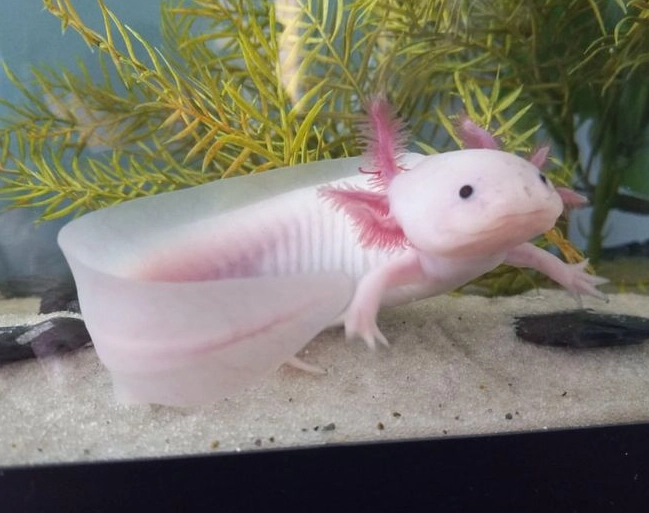
What Exactly Is an American Axolotl? Let's Get the Facts Straight
First off, calling it a fish is the first big mistake. Ambystoma mexicanum is a salamander, an amphibian. The most mind-blowing thing about them? They exhibit something called neoteny. In simple terms, they reach sexual maturity and reproduce without ever undergoing the typical salamander metamorphosis from a larval form (with gills) to a terrestrial adult (with lungs). They stay in their cute, aquatic, juvenile form for their entire life. It's like they never grow up, and that's their superpower.
Their other superpower is regeneration. We're not just talking about healing a cut. An American axolotl can regrow entire limbs, parts of its heart, brain, and spinal cord with near-perfect precision. Scientists are studying them intensely for this reason. For us as keepers, it means they're resilient in some ways, but don't let that fool you into thinking they're indestructible.
The Real Deal on American Axolotl Care: It's More Than a Fish Tank
This is where most blogs gloss over the details. Keeping an axolotl happy and healthy is about mastering their environment. Get this part wrong, and nothing else matters.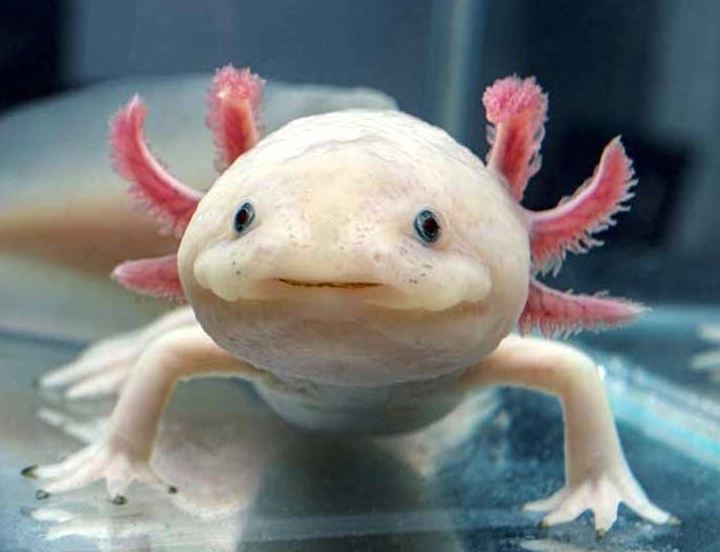
The Tank: Your Number One Priority
Forget the tiny 10-gallon tank you see in some pet stores. A single adult American axolotl needs a minimum of a 20-gallon long tank. Why long? Because they walk on the bottom; they need floor space, not height. For two, I wouldn't go smaller than 40 gallons. More water volume also means waste gets diluted more, making your life easier.
The substrate question is a hot topic.
Bare bottom tanks are easiest to clean, but they offer no traction and can stress the animal out. Fine sand is the best compromise – it's natural, allows for digging, and if ingested, it can usually pass through safely (unlike gravel, which is a deadly impaction risk). I use pool filter sand, rinsed about a thousand times until the water runs clear.
The Cold Water Conundrum
This is the biggest hurdle for many. Axolotls are cold-water animals. Their ideal temperature range is 60-64°F (16-18°C). They can tolerate 58-68°F for short periods, but let the water creep into the 70s, and you're asking for stress, fungal infections, and a loss of appetite.
So, how do you keep it cool? For many, a simple tank fan can drop the temp a few degrees. For others, especially in warmer climates or apartments, a dedicated aquarium chiller is non-negotiable. It's a big upfront cost, but it's the single best thing I bought for my axolotl's welfare.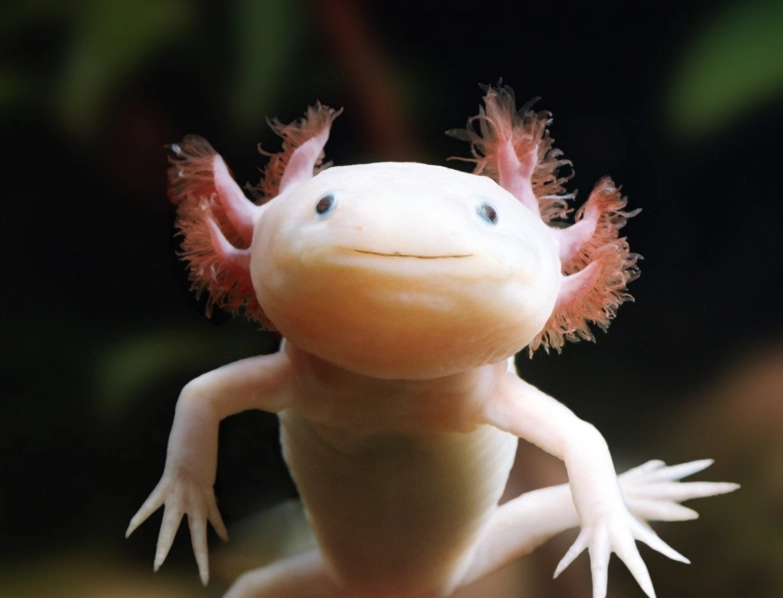
Filtration and the Art of Clean, Calm Water
They produce a lot of waste, so you need strong filtration. But they hate strong currents. It's a balancing act. A canister filter is the gold standard – lots of media for beneficial bacteria, and you can direct the outflow against the glass to diffuse the current. Sponge filters are great for biological filtration and are very gentle, but they might need to be paired with more frequent water changes to handle the waste load.
Which brings me to water changes. Get a gravel vacuum. You'll be siphoning out waste from the sand every week. A 20-25% weekly water change is my routine. Test your water parameters religiously with a liquid test kit (not strips – they're often inaccurate). You're aiming for:
- Ammonia: 0 ppm (This is toxic, always.)
- Nitrite: 0 ppm (Also toxic.)
- Nitrate: Under 20 ppm (The less, the better.)
- pH: Around 7.4-7.6 is fine, stability is key.
Feeding Your American Axolotl: They're Not Picky, But You Should Be
In the wild, they're opportunistic carnivores. In your tank, you need to provide a varied, nutritious diet. The staple for most keepers is earthworms (nightcrawlers). They're nutritionally complete. You can chop them to size for younger axolotls.
Other good options include:
- Salmon Pellets: High-quality, sinking pellets made for carnivorous fish or axolotls specifically.
- Frozen Bloodworms or Brine Shrimp: Good as a treat or for variety, not a staple.
- Live Blackworms: A great option, but can be messy.
How much to feed? An adult axolotl typically eats 2-3 times a week. A good rule of thumb is to offer food until its belly is about the same width as its head. Juveniles need daily feeding. Watch for a healthy, plump body. A skinny axolotl with its ribs showing is underfed; a bloated one is overfed.
Common American Axolotl Colors (Morphs)
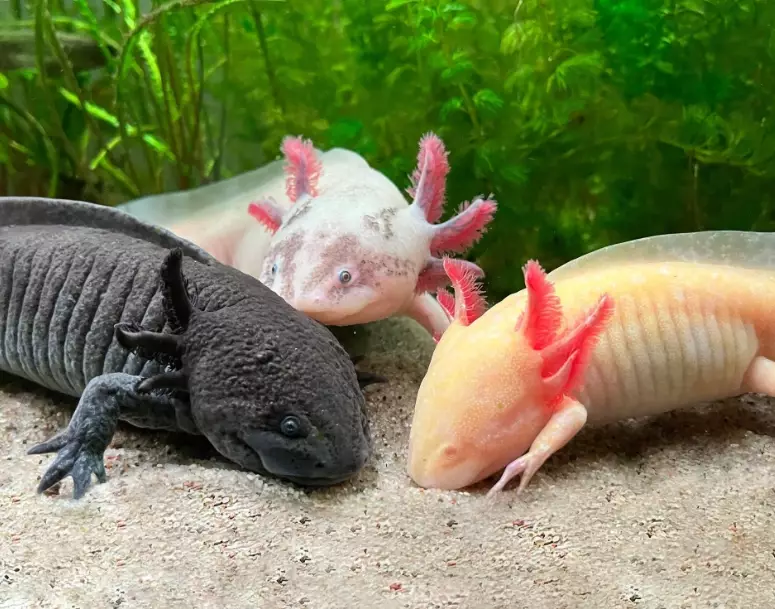
One of the joys of the American axolotl hobby is the variety of colors, or morphs. Here's a quick look at the most common ones you'll find from breeders.
| Morph Name | Appearance | Eyes | Notes |
|---|---|---|---|
| Leucistic (The "Pink" One) | Pinkish-white body, dark eyes, often with shiny gold or silver flecks (iridophores). | Dark | The most popular and iconic. Not albino. |
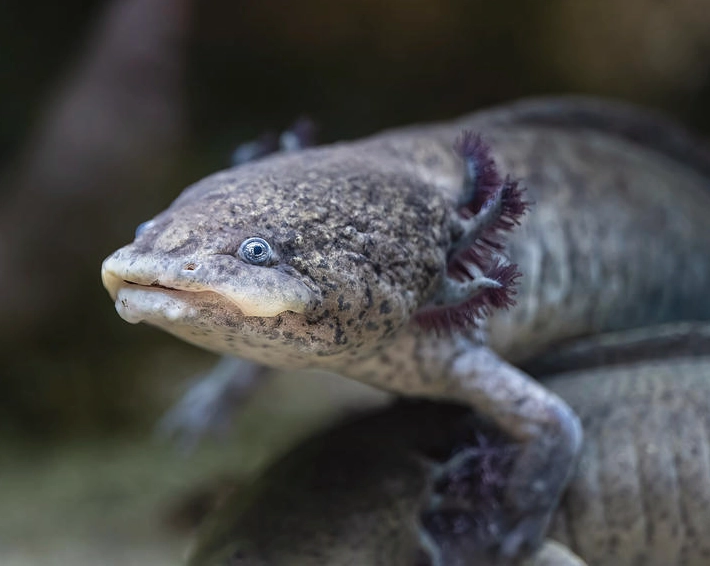
| Wild Type | Dark greenish-black, brown, or gray with speckles and a lighter underside. | Dark | Closest to the natural coloration. Often very hardy. |
| Albino | Golden, white, or pinkish body with no dark pigment. | Pink/Red | True albino (lacks melanin). Can be more light-sensitive. |
| Melanoid | Jet black, velvety appearance with no shiny spots. | Dark | A type of black axolotl. Gills often appear dark red. |
| Copper | Light gray or tan with olive/yellow tones and copper-colored eyes. | Copper/Light | A unique and beautiful morph. A type of albino. |
There are also fancy types like mosaics and chimera, but those are rare and expensive. When choosing, remember that color doesn't affect care requirements. Pick one you love looking at!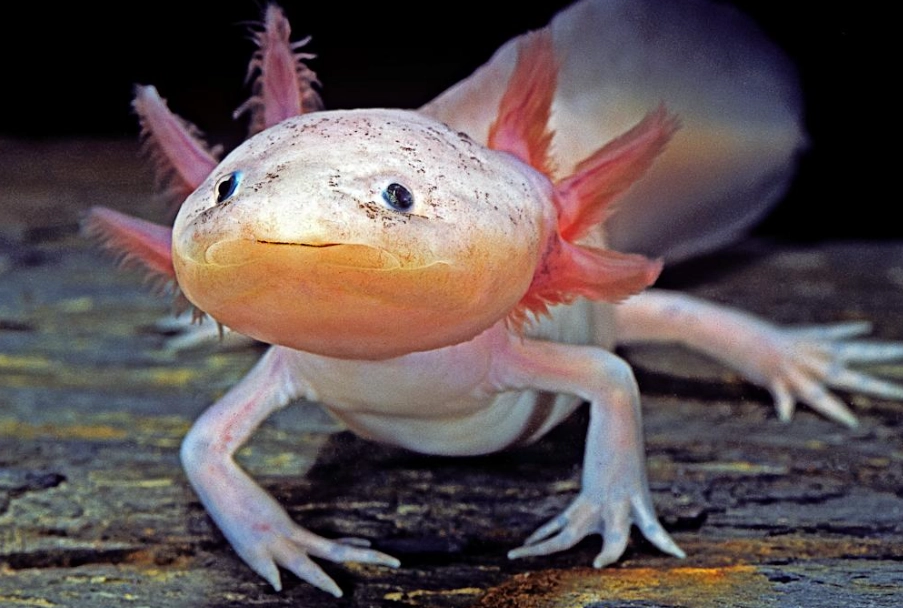
Health Issues: What to Watch For
A healthy American axolotl is active (well, as active as these laid-back creatures get), has fluffy, bright red gills, a good appetite, and a body width that matches its head. Here are common problems:
- Fungal Infections: Looks like white, cottony fluff on the gills, body, or limbs. Often caused by poor water quality, injury, or stress (like high temperatures). Treatment usually involves "tea baths" (using Indian Almond Leaves) or salt baths in severe cases.
- Impaction: A blockage in the gut from eating gravel or large pieces of substrate. Symptoms include floating, refusing food, and a swollen cloaca. Prevention is key – use fine sand or bare bottom.
- Gill Shrinkage: Their feathery gills shrink and look stubby. This is almost always a sign of poor water quality (high nitrates, etc.) or insufficient oxygen. Fixing the water parameters usually makes them grow back.
- Stress: Curled tail tip, forward-curled gills, refusing food. Stress is a symptom, not a disease. Find the cause – is the current too strong? Is the temperature wrong? Is there a loud noise or vibration?
Frequently Asked Questions (The Real Ones People Ask)
The Bigger Picture: Conservation and Ethics
It's important to remember that while we enjoy our captive American axolotls, their wild cousins are in serious trouble. The species is listed as Critically Endangered on the IUCN Red List. Their native habitat, the Xochimilco lake system near Mexico City, has been almost completely destroyed by urbanization, pollution, and introduced invasive species like tilapia and perch.
As keepers, we have a responsibility. First, only ever buy captive-bred animals from reputable breeders. Never take one from the wild. Second, support conservation efforts. Organizations are working to restore the Xochimilco canals and create protected refuges for wild axolotls. The survival of the species in the wild depends on these efforts. You can learn more about their status on the IUCN Red List website.
Keeping an American axolotl is a fascinating and rewarding experience. But it's not a simple one. It demands attention to detail, a willingness to learn, and a commitment to providing a specific, cool, and clean environment for many years. If you're ready for that, you'll be rewarded with one of the most unique and interesting pets you could ever imagine.
If you're still on the fence, do more research. Join dedicated axolotl forums and Facebook groups. Read the problems people post about – that's where you learn the most. Ask questions. And be honest with yourself about the time, space, and budget you have. A happy, healthy axolotl is a sight to behold, and getting there is the real achievement.
Reader Comments