Quick Navigation
- Getting to Know Your Fat Tailed Gecko
- The Perfect Home: Habitat Setup Deep Dive
- Feeding Your Fat Tailed Gecko: It's Not Just Crickets
- Health & Common Problems: What to Look For
- Behavior, Handling, and Taming
- Breeding Fat Tailed Geckos: A Basic Overview
- Fat Tailed Gecko Morphs: Beyond the Wild Type
- Your Fat Tailed Gecko Questions, Answered
So you're thinking about getting a fat tailed gecko, huh? Good choice. These little guys are like the chill, low-maintenance cousins of the more famous leopard gecko. They've got personality, they're tough, and they don't demand a rainforest in your living room. But here's the thing – "low-maintenance" doesn't mean "no-maintenance." I've seen too many people jump in after watching a cute TikTok video and end up with a stressed, unhealthy gecko because they missed a few key details.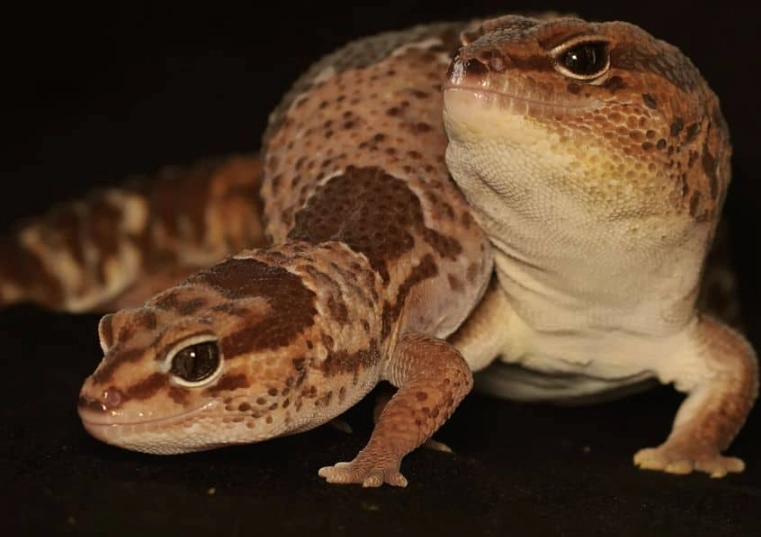
I remember my first pair, years ago. I thought I had it all figured out. Read a couple care sheets, bought a tank, and called it a day. Let's just say the first few months were a learning curve. The humidity was off, one of them was a picky eater, and I learned the hard way that not all heat mats are created equal. That experience taught me more than any generic guide ever could.
This guide is the one I wish I had. We're going to get into the weeds on everything – not just the "what" but the "why." We'll talk about setting up a home they'll actually thrive in, what to feed them (and what to avoid), how to spot health problems before they become emergencies, and even a bit about breeding if you're curious. The goal is to make you confident, not just compliant.
Getting to Know Your Fat Tailed Gecko
Before you even look at a tank, you should know who you're inviting into your home. Hemitheconyx caudicinctus, the African fat-tailed gecko, hails from West Africa's dry savannas and scrublands. They're nocturnal, ground-dwelling, and built for arid environments with occasional humidity spikes. That fat tail isn't just for looks – it's their lunchbox, storing nutrients and water for lean times.
They're often compared to leopard geckos, and while the care is similar, they're not identical twins. Fat tailed geckos tend to be a bit more shy and humidity-sensitive. They also have those gorgeous, velvety bands and a generally more docile temperament. I've found them to be less skittish than some leopard geckos, often content to just sit in your hand once they trust you.
But that docile nature can be a double-edged sword. They won't always make a fuss when something's wrong. A sick fat tailed gecko might just become quieter, hide more, and stop eating. You have to be a good observer.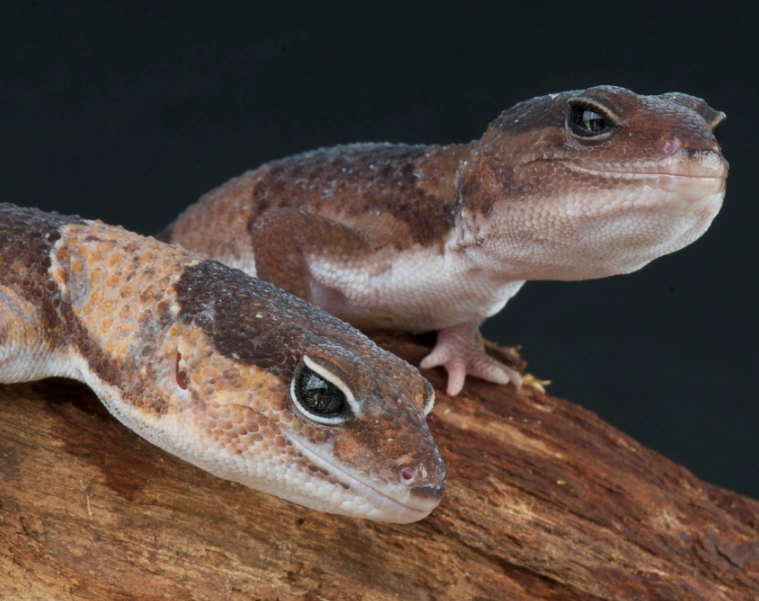
The Perfect Home: Habitat Setup Deep Dive
This is where most beginners slip up. A 10-gallon tank for a baby? Fine. For an adult? Cramped. The absolute minimum for one adult fat tailed gecko is a 20-gallon long tank (30 inches x 12 inches). But if you ask me, going bigger to a 30 or 40-gallon breeder is one of the best things you can do for their wellbeing. More space means better temperature gradients, more room to explore, and less stress.
Heat & Light: Getting the Gradient Right
They don't need special UVB light if their diet is properly supplemented, but they absolutely need a proper heat gradient. One end warm, one end cool. This lets them regulate their body temperature like they would in the wild.
Under-tank heaters (UTH) are the go-to for belly heat, which aids digestion. Stick it on one side of the tank's bottom. You'll need a thermostat – not a dimmer, a thermostat – to control it. Unregulated heat mats can and will cause burns. I learned this after a close call with a faulty mat that spiked to 110°F. Not fun.
The warm hide area should sit at about 88-90°F. The cool side should be around 75-78°F. At night, it can drop to the low 70s. Use a good digital thermometer with a probe; those cheap stick-on dials are notoriously inaccurate.
Substrate: The Great Debate
This topic can start arguments in reptile forums. Loose substrate vs. solid? For fat tailed geckos, especially beginners, I strongly recommend starting with a solid substrate. Paper towel is great for quarantine and monitoring health. Slate tile looks nice and files nails down. Non-adhesive shelf liner is easy to clean.
Why not loose? Impaction risk. If a gecko accidentally eats substrate while hunting, it can cause a fatal blockage. Some experienced keepers use a mix of topsoil and play sand for a more natural look, but you need to be 100% confident in your husbandry and your gecko's health first.
Here’s a quick breakdown of the common options:
| Substrate | Best For | Pros | Cons |
|---|---|---|---|
| Paper Towel | Quarantine, Beginners, Sick Geckos | Cheap, sterile, easy to spot feces/parasites | Unsightly, needs frequent changing, not natural |
| Slate/Rock Tile | Permanent, low-maintenance setup | Natural look, files nails, retains heat well | Heavy, can be cold, requires cutting to fit |
| Shelf Liner | Easy-clean permanent setup | Very easy to clean, cheap, comes in patterns | Can hold odors if not cleaned well, not natural |
| Topsoil/Sand Mix* | Advanced, bio-active setups | Most natural, allows for digging/burrowing | Risk of impaction, can mold, requires more management |
*Only for experienced keepers with perfect husbandry.
Hides, Humidity, and Decor
You need at least three hides. One on the warm end, one on the cool end, and a humid hide in the middle. The humid hide is non-negotiable for fat tailed geckos. It's crucial for proper shedding. Take a small container (like a deli cup), cut a hole in the side, and fill it with damp (not wet) sphagnum moss or paper towels. Check it every other day to make sure it hasn't dried out.
Other than that, give them things to explore. Cork bark flats, fake plants, low branches. They're not big climbers, but they enjoy a bit of clutter. It makes them feel secure. A shallow water dish with fresh water, changed daily, completes the setup.
Feeding Your Fat Tailed Gecko: It's Not Just Crickets
In the wild, these guys are opportunistic insectivores. In your home, variety is the spice of life – and the key to health. A diet of only crickets is like you eating only plain rice. It'll keep you alive, but you won't thrive.
Staple feeders include:
- Dubia Roaches: My personal favorite. Nutritious, can't climb smooth surfaces, don't chirp, and are less likely to carry parasites than crickets.
- Crickets: The classic. But they die easily, smell, and can bite your gecko if left uneaten.
- Black Soldier Fly Larvae (Nutrigrubs/Calciworms): Fantastic calcium content. A bit fatty, so use as part of a rotation.
- Mealworms & Superworms: Higher in fat and chitin. Good as occasional treats or for putting weight on a thin gecko, but not ideal as a daily staple.
How much and how often? Juveniles (under 6 months) should be fed daily, as many appropriately-sized insects as they'll eat in 10-15 minutes. Adults do well eating every other day, or 3-4 times a week. A good rule of thumb? Prey should be no wider than the space between the gecko's eyes.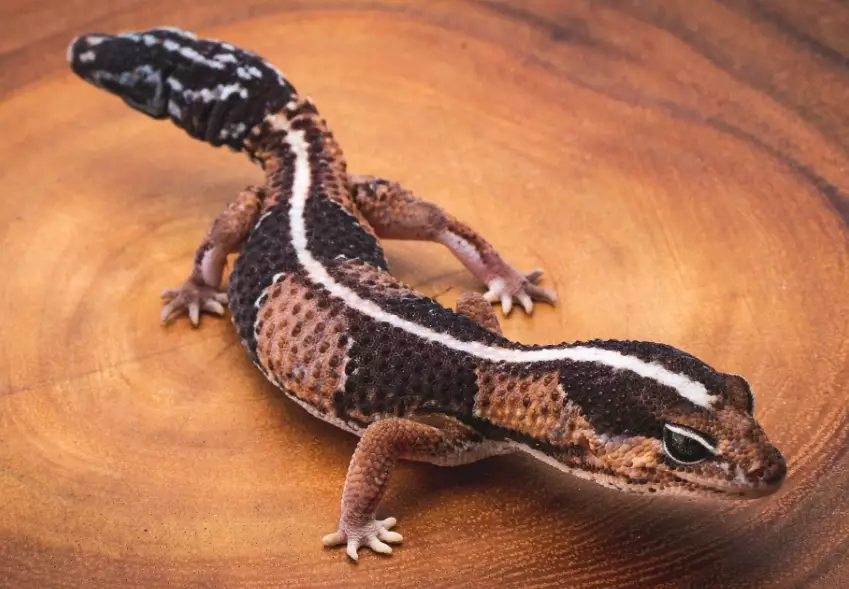
The Supplement Game: Dusting is Everything
This is the most common nutritional mistake. You must dust insects with supplements. There are two main types:
- Calcium with Vitamin D3: Used for most feedings. D3 helps them absorb the calcium, crucial for preventing Metabolic Bone Disease (MBD).
- Multivitamin: Used once or twice a week. Provides other essential vitamins and minerals missing from an insect-only diet.
Some keepers also leave a small bottle cap of pure calcium (without D3) in the tank for the gecko to lick if it feels the need. I've done this for years and it works well.
Gut-loading your insects 24-48 hours before feeding is the other half of the equation. Feed your bugs nutritious veggies (carrots, sweet potato, leafy greens) and commercial gut-load food. A well-fed bug is a nutritious bug. The American Veterinary Medical Association (AVMA) provides general guidelines on reptile nutrition that underscore the importance of a varied, supplemented diet.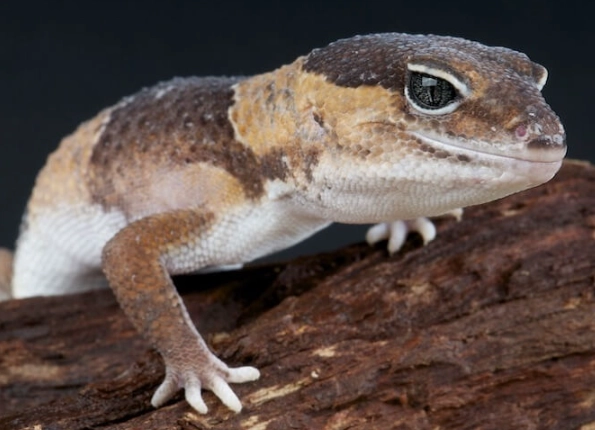
Health & Common Problems: What to Look For
A healthy fat tailed gecko is alert, has clear bright eyes, a plump (but not obese) tail, and sheds cleanly in one piece. They should defecate regularly and have a good appetite.
Here are the big issues to watch for:
Metabolic Bone Disease (MBD): The #1 killer of poorly-kept reptiles. Caused by lack of calcium, vitamin D3, or improper UVB. Symptoms include rubbery jaw, bowed legs, tremors, and difficulty walking. It's preventable with proper supplementation. Once advanced, it's often irreversible.
Stuck Shed: Especially around the toes and eyes. Caused by low humidity. If not removed, it can constrict blood flow and lead to toe loss (a sadly common sight in rescues). Always check toes after a shed. A warm, shallow soak can help loosen it.
Parasites: Internal parasites (like pinworms) can come from feeder insects. Symptoms include weight loss despite eating, runny or smelly stools, and lethargy. A vet visit for a fecal exam is needed for diagnosis and treatment. Resources like Reptiles Magazine often feature articles on identifying common reptile health issues.
Impaction: A blockage in the gut. Symptoms include lack of appetite, bloating, and no droppings. Often caused by eating loose substrate or overly large prey. Prevention is key – proper substrate and prey size.
Respiratory Infections: Bubbling at the nose/mouth, wheezing, open-mouth breathing. Usually caused by temperatures that are too cold and/or humidity that is too high and stagnant.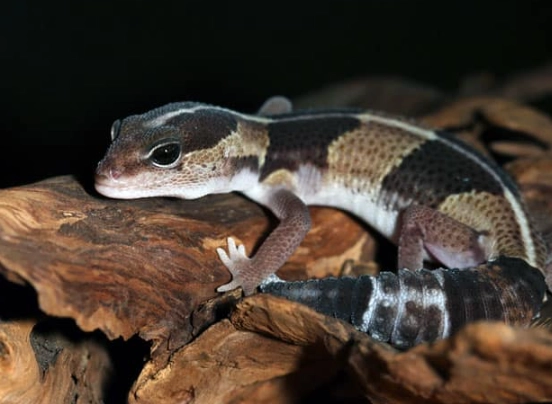
Find a vet before you have an emergency. Look for an exotics vet or a herp vet with actual reptile experience. Your regular cat-and-dog vet likely won't have the specialized knowledge.
Behavior, Handling, and Taming
Fat tailed geckos are generally calm, but they are prey animals. Sudden movements will scare them. Taming is about building trust, not forcing interaction.
Give a new gecko at least a full week to settle in with no handling. Just change water and feed. Let them learn you're not a threat. Then, start by just putting your hand in the tank for a few minutes each day. Don't grab. Let them come to you. Offer food from tweezers.
When you do pick them up, be gentle. Scoop from below; don't grab from above like a predator. Support their whole body. Keep handling sessions short at first – 5-10 minutes. Watch for signs of stress: rapid tail waving (different from a slow, curious wag), trying to jump, or huffing sounds.
Some will never be "cuddly," and that's okay. Respect their personality. The goal is a gecko that is calm and tolerant during necessary handling, not necessarily a lap pet.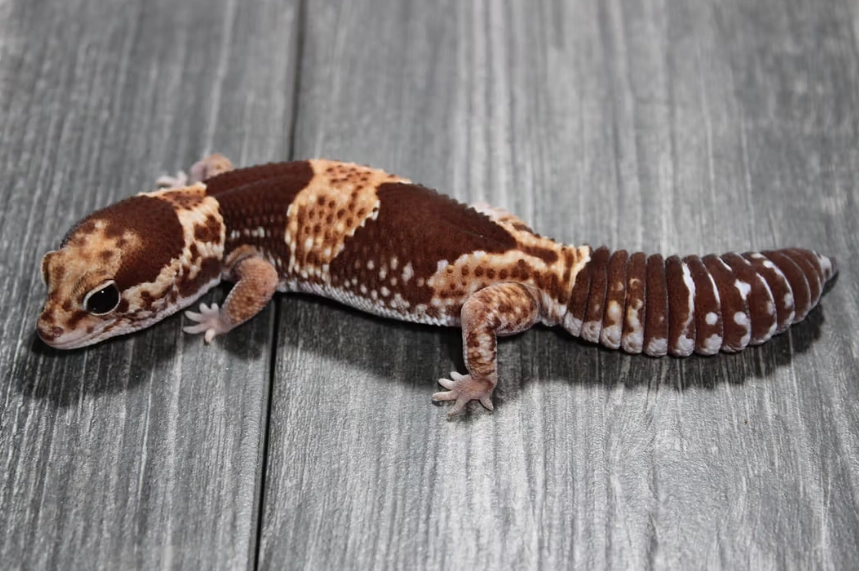
Breeding Fat Tailed Geckos: A Basic Overview
This is an advanced topic, but many owners get curious. You should only breed healthy, mature adults (over 1.5 years old and of good weight) with known genetics. The pet trade doesn't need more poorly-bred animals.
The basics involve a cooling period (brumation) for 6-8 weeks in the winter, where temps are lowered to the mid-70s and feeding is reduced. This simulates seasonal change. After warming them back up, introduce the female to the male's tank. Watch closely – if she's not receptive, she may be aggressive. Remove her if needed.
Gravid (pregnant) females need extra calcium and food. She'll lay 1-2 eggs per clutch, usually in the moist hide, about 4-5 times in a season. Eggs must be incubated in a separate, precise setup at 82-88°F for 45-60 days. Temperature determines the hatch time and, to some degree, the sex. For detailed, ethical breeding guidelines, the The Reptile Report is a reputable hub for advanced care and breeding discussions.
It's a big commitment. You need plans for all the hatchlings. Don't do it on a whim.
Fat Tailed Gecko Morphs: Beyond the Wild Type
The "normal" or wild-type fat tailed gecko has beautiful brown and tan bands. But through selective breeding, several stunning morphs (color and pattern variations) have been developed. Some popular ones include:
- Striped: The bands are replaced by longitudinal stripes running head to tail.
- White Out / Patternless: A reduction or complete absence of pattern, resulting in a mostly solid, often lighter-colored animal.
- Amelanistic: Lacks black pigment, resulting in yellows, oranges, and pinks. Often have red eyes.
- Zebra / Banded: High-contrast, very clean black and white banding.
Morphs can be more expensive, but remember: a morph should never come at the cost of health. Buy from a reputable breeder who prioritizes robust animals, not just color. Some morphs can be linked to genetic issues (though less so in fat tails than in some other reptiles).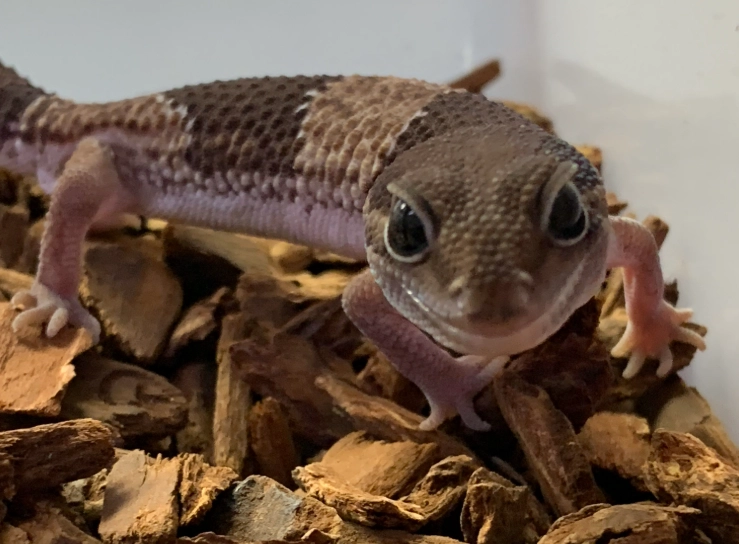
Your Fat Tailed Gecko Questions, Answered
How long do fat tailed geckos live?
With proper care, 15-20 years is common. They are a long-term commitment, not a short-term pet. I know of several pushing 25.
Can I house two fat tailed geckos together?
Generally, no. They are solitary in the wild. Cohabitation, especially with two males, leads to stress, fighting, and injury. Even females together can have dominance issues. The rare exception is a proven breeding pair, and they should only be together for short periods. When in doubt, house alone.
My fat tailed gecko isn't eating. What's wrong?
First, check your temperatures. Low temps are the #1 cause of appetite loss. Is it shedding? They often fast for a few days before a shed. If temps are good, it's not shedding, and the fast lasts more than 10-14 days (for an adult), it's time for a vet visit to rule out parasites or illness.
Are fat tailed geckos good for beginners?
Yes, they are one of the best beginner reptiles – but with a huge caveat. A "beginner reptile" still requires specialized knowledge, consistent care, and financial investment for proper setup and potential vet bills. If you're willing to do the research (which you are, since you're here!), they can be a fantastic first herp.
How can I tell if my fat tailed gecko is a male or female?
Mature males have a very distinct V-shaped row of pre-anal pores in front of the vent (cloaca) and noticeable hemipenal bulges at the base of the tail. Females lack the prominent pores and bulges. It's usually easy to sex them once they're over 6 months old.
At the end of the day, keeping fat tailed geckos is incredibly rewarding. They're not just decorations; they're little individuals with their own quirks. One of mine always comes out when I play certain music. Another will only eat if the roach is wiggled in a specific way. That connection is the real payoff.
The key is to start right. Invest in a proper setup from day one. Don't cut corners on heat or supplements. Observe your gecko daily. Learn what's normal for them. That proactive care is what separates a surviving pet from a truly thriving one. If you give them what they need, you'll have a fascinating, low-key companion for a very long time.
Got more questions? The journey of learning never really stops. Dive into reputable forums, read books, and connect with other keepers. The herp community is full of people who love sharing what they've learned – often the hard way. Welcome to the world of fat tailed geckos.
Reader Comments