Quick Navigation
- What Exactly Is a Snowflake Whites Tree Frog?
- Setting Up the Perfect Home: Habitat & Enclosure
- What Do Snowflake Whites Tree Frogs Eat? The Feeding Guide
- Common Health Issues to Watch For
- Handling and Behavior: What to Expect
- A Note on Breeding
- Your Snowflake Whites Tree Frog Questions Answered (FAQ)
- Wrapping It Up: Is This the Right Frog for You?
I remember the first time I saw a snowflake whites tree frog at a reptile expo. It wasn't the typical bright green frog I expected. This one had these gorgeous, irregular white speckles all over its body and lips, like someone had flicked a paintbrush at it. It was stunning, and I was hooked. But let me tell you, bringing one home taught me there's a lot more to it than just admiring their looks.
If you're here, you're probably in the same boat I was – captivated and curious. Maybe you've seen pictures online, or a friend has one, and you're wondering if a snowflake whites tree frog is the right pet for you. That's a great question to start with.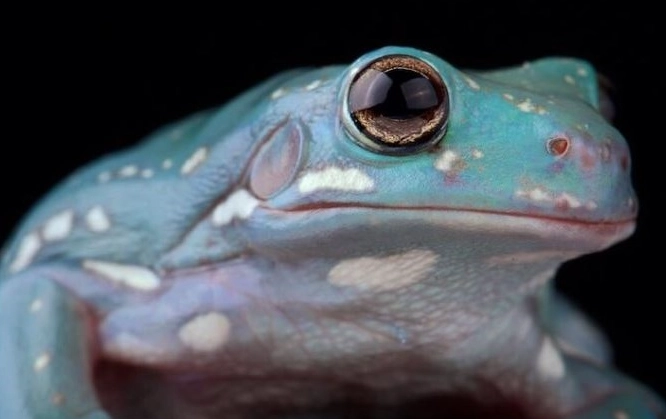
This guide is everything I wish I had when I started. We're going to move past the basic care sheets and dive deep into what it really takes to keep a snowflake whites tree frog (also commonly called a White's tree frog or *Litoria caerulea*) healthy and happy for its full lifespan, which can be a solid 15-20 years. That's a long-term commitment, so let's get it right from the start.
What Exactly Is a Snowflake Whites Tree Frog?
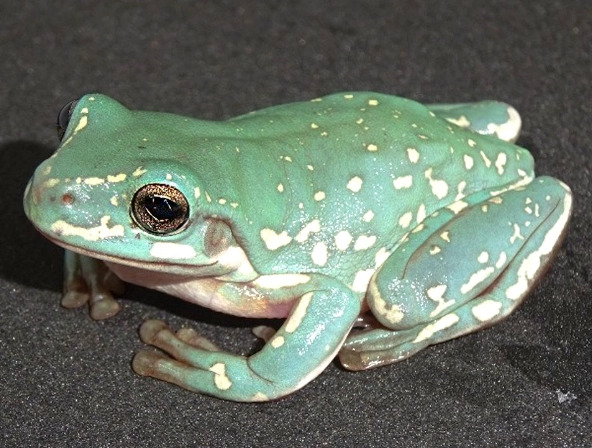
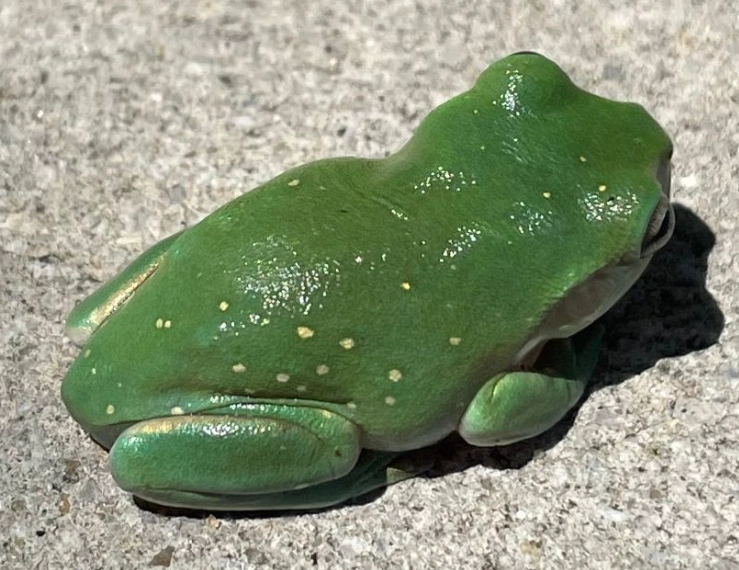
First things first, let's clear up the name. "Snowflake" isn't a separate species. It's a specific morph, or color pattern, of the common White's tree frog. The standard White's is a solid, waxy green or blue-green frog from Australia and New Guinea. The snowflake morph has a genetic mutation that causes those beautiful white spots and flecks to appear. Sometimes they're small dots, sometimes larger blotches – each snowflake whites tree frog is unique, which is part of the appeal.
Scientific Name: *Litoria caerulea*
Common Names: White's tree frog, Dumpy tree frog, Smiling frog.
Snowflake Morph: A selectively bred variant of *Litoria caerulea* characterized by white speckling.
They get the "Dumpy" nickname from their chubby, rounded appearance, and they always seem to have a slight smile. Personality-wise, they're often considered one of the best frog species for beginners because of their generally calm demeanor and hardy nature. But "hardy" doesn't mean you can cut corners. Their skin is surprisingly delicate and acts as a major organ for breathing and hydration, so their environment is everything.
Setting Up the Perfect Home: Habitat & Enclosure
This is where most first-time owners, myself included, can make expensive mistakes. Getting the enclosure wrong doesn't just make your frog uncomfortable; it can make it sick. Let's break down the non-negotiables.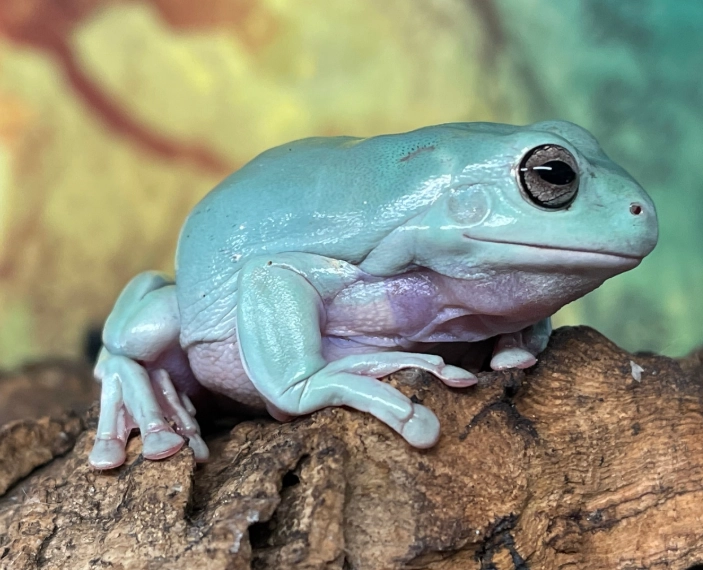
Tank Size and Type
A single adult snowflake whites tree frog needs a minimum of a 20-gallon tall aquarium. I'd honestly recommend starting with a 30-gallon tall if you have the space. They are arboreal, meaning they love to climb. Giving them height is more important than floor space. A long, low tank is useless to them.
For two frogs, you're looking at a 40-gallon breeder or larger. The lid must be secure and well-ventilated—these frogs are escape artists and can stick to glass surprisingly well.
Heating and Lighting: It's Not Just About Warmth
Temperature gradients are crucial. You need a warm side and a cooler side so your frog can thermoregulate.
- Warm Side/Basking Area: 82-85°F (28-29°C) during the day.
- Cool Side: 75-78°F (24-26°C) during the day.
- Nighttime Temp: Can safely drop to 65-75°F (18-24°C).
Use an under-tank heater on one side or a low-wattage ceramic heat emitter above the tank, controlled by a thermostat. Never use heat rocks—they can cause severe burns.
Now, lighting. This is a point of debate. White's tree frogs are nocturnal, so they don't strictly require UVB lighting if they get adequate vitamin D3 from their diet (via supplements). However, more and more amphibian keepers and experts are recommending low-level UVB (like a 5.0 or 2.0 bulb) for 10-12 hours a day. The thinking is that it promotes natural behaviors, better calcium absorption, and overall health. I made the switch a few years ago, and I believe it's worth the investment. Organizations like Amphibian Ark emphasize the importance of replicating natural environmental cycles for captive amphibians.
Humidity and Substrate: Getting the Foundation Right
Humidity should cycle between 50-70%. Spike it to 70-80% by misting heavily once or twice a day, and let it fall back down. Constant, soggy humidity can lead to bacterial infections. Use a digital hygrometer – the analog dial ones are often inaccurate.
For substrate, you want something that holds moisture but isn't a swamp. The top choices are:
- Coconut Fiber (Eco Earth): My personal go-to. Holds moisture well, is natural, and is safe if ingested a little.
- Organic Potting Soil (no fertilizers or perlite): Another excellent choice.
- Moist Paper Towel: The best option for quarantine tanks or if you're dealing with a sick frog. It's boring but sterile and easy to monitor.
Avoid: Gravel, small bark chips, or moss that can be accidentally swallowed and cause impaction. Also, never use pine or cedar shavings—the oils are toxic to amphibians.
Furnishing for Froggy Happiness
Think of the tank as a vertical playground. You need:
- Branches & Vines: Lots of them, at various angles and thicknesses. Driftwood, ghost wood, and bamboo work great.
- Live or Artificial Plants: Broad-leaf plants (like Pothos or Philodendron) provide crucial hiding spots and surfaces for water droplets. Live plants help with humidity but need plant-safe lighting.
- Hides: At least two—one on the warm side, one on the cool side. Cork bark rounds or commercial reptile hides are perfect.
- Water Bowl: A large, shallow, sturdy bowl for soaking. Change the water with dechlorinated water every single day without fail.
What Do Snowflake Whites Tree Frogs Eat? The Feeding Guide
These guys have healthy appetites. They are primarily insectivores, and variety is the absolute key to a balanced diet. Feeding the same thing every time is a recipe for nutritional deficiencies.
Here’s a quick comparison of common feeder insects:
| Insect | Nutritional Value | Feeding Frequency | Notes |
|---|---|---|---|
| Crickets | Good protein, low fat. Fair calcium. | Staple (2-3 times a week) | Gut-load for 24-48 hours before feeding. Can be noisy and smelly. |
| Dubia Roaches | Excellent protein, great calcium-to-phosphorus ratio. | Staple (2-3 times a week) | My preferred staple. Quiet, no smell, can't climb smooth surfaces. |
| Black Soldier Fly Larvae (Calciworms/Phoenix Worms) | Exceptionally high in calcium, low in phosphorus. | Weekly treat or mixer | Great natural calcium source. Don't need dusting with calcium. |
| Mealworms & Superworms | High fat, high chitin (hard shell). | Rare treat only (once a month) | Can cause impaction if fed too often. I avoid them mostly. |
| Hornworms | Very high in moisture, low fat. | Occasional treat/hydration boost | Great for picky eaters or dehydrated frogs. Grow very fast. |
The Supplementation Routine You Can't Skip
This is the most critical part of feeding. Feeder insects alone are not nutritionally complete. You must dust them with supplements.
- Calcium with Vitamin D3: Dust insects at almost every feeding for juveniles (daily), and 2-3 times a week for adults. The D3 helps them use the calcium, which is vital for preventing Metabolic Bone Disease (MBD)—a common, crippling, and fatal condition in captive frogs.
- Multivitamin: Dust insects once a week. This covers the other essential vitamins and minerals.
Pro Tip: Use a dedicated "dusting cup" (a small plastic deli cup works). Put a pinch of powder in, add the insects, swirl gently to coat them lightly, and then feed immediately. Don't pre-dust a bunch of insects and leave them—the powder falls off and the insects ingest it, losing its effectiveness.
How much to feed? For an adult snowflake whites tree frog, offer 3-6 appropriately sized insects (no wider than the space between the frog's eyes) every 2-3 days. Juveniles should be fed daily. Feed at dusk or after lights out, when they are naturally active.
Common Health Issues to Watch For
Even with perfect care, things can happen. Knowing the signs of a sick frog can save its life. They hide illness well, so any obvious symptom is a red flag.
- Red-Leg Disease: A serious bacterial infection. Symptoms include redness on the belly and legs, lethargy, and loss of appetite. Requires immediate veterinary treatment with antibiotics.
- Metabolic Bone Disease (MBD): Caused by calcium/vitamin D3 deficiency. Symptoms include a wobbly gait, soft or rubbery jaw, bowed legs, and difficulty climbing. It's preventable with proper supplementation.
- Chytridiomycosis: A deadly fungal disease threatening amphibians worldwide. Symptoms include lethargy, shedding problems, and loss of righting reflex. It's a global conservation crisis, and you should source your frog from a reputable breeder who tests for it. The IUCN Red List tracks the impact of chytrid on wild amphibian populations.
- Impaction: From eating substrate or overly chitinous insects. Symptoms include a bloated abdomen and no bowel movements. Ensure proper substrate and feeder size.
- Ammonia Burns/Respiratory Infection: From dirty water or filthy substrate. Keep the enclosure clean!
Seriously. Not all vets see exotic pets. Search for an ARAV (Association of Reptilian and Amphibian Veterinarians) certified vet in your area. Having one lined up is part of responsible ownership.
Handling and Behavior: What to Expect
Are snowflake whites tree frogs handleable? Yes, more than most frogs, but with major caveats.
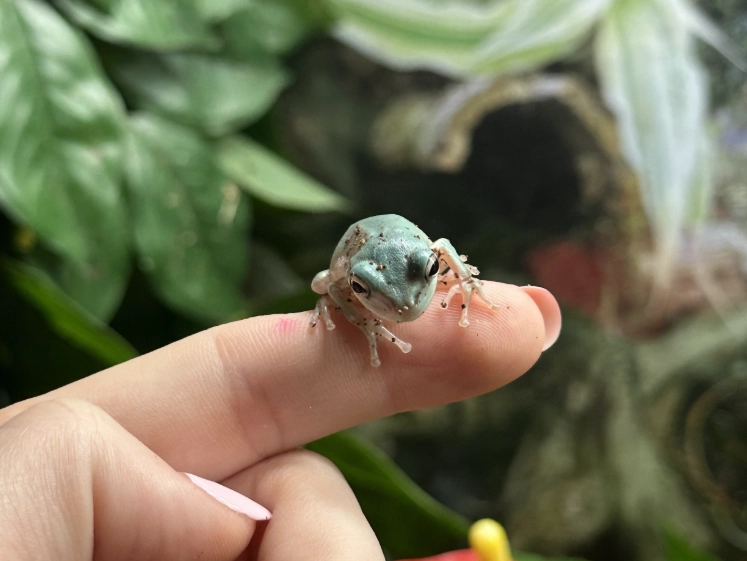
They can tolerate brief, occasional handling. But their skin absorbs everything—oils, lotions, soap residues, insect repellents on your hands are toxic to them. Always wash your hands thoroughly with warm water (no soap right before) and rinse completely before and after handling. Wear moist, clean latex-free gloves for extra safety.
Handle them over a soft surface (like your bed or a towel-covered table) in case they jump. Keep sessions under 5-10 minutes, and don't handle them more than once or twice a week. They are display pets, not cuddle buddies. Stress from over-handling can suppress their immune system.
Behavior-wise, they are mostly nocturnal. Don't be alarmed if your frog sleeps all day stuck to the glass or inside a plant—that's normal. At night, you might see them exploring, soaking in their water bowl, or hunting. They have a distinctive croak, which is a loud, barking sound. Males croak to attract mates or establish territory. It's not constant, but it can be surprisingly loud for their size!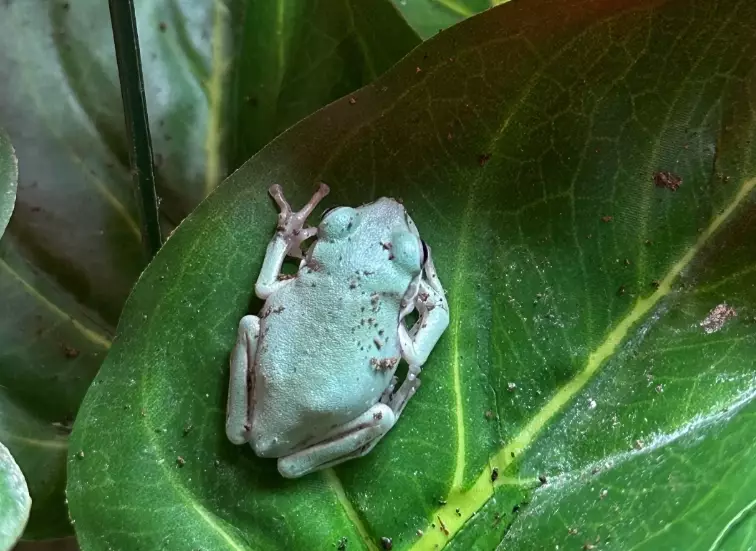
A Note on Breeding
Breeding snowflake whites tree frogs in captivity is possible but requires simulating a rainy season through significant changes in temperature, humidity, and feeding. It's a complex process best left to experienced keepers. The tadpoles are cannibalistic and require separate rearing. If you're interested, focus on mastering general care first for several years.
Your Snowflake Whites Tree Frog Questions Answered (FAQ)
Are they noisy?
Males can be, especially during breeding season or after a misting (simulates rain). The croak is a loud, abrupt "crawk-crawk-crawk." If noise is a major concern in your living space, a male might not be the best choice. Females are generally silent.
How can I tell if my frog is male or female?
It's tricky with juveniles. Adults show some signs: Males are usually slightly smaller, develop a dark nuptial pad (rough patch) on the base of their "thumb," and have looser, darker skin on their throat (the vocal sac). Females tend to be larger and rounder.
Can I house multiple snowflake whites tree frogs together?
Yes, they can be kept in small groups if the enclosure is large enough. A good rule is 10 extra gallons per additional frog. House frogs of similar size together to avoid bullying. Never house different species together.
Why is my frog's color changing?
It's normal! They can change shades from a bright green to a dark olive or even a brownish color based on temperature, humidity, time of day, and mood. Don't panic unless the color change is accompanied by other symptoms like lethargy.
How often should I clean the tank?
Spot clean feces and dead insects daily. Change the water bowl water daily. Do a full substrate change and tank deep-clean every 4-8 weeks, depending on the bio-load. Use only reptile/amphibian-safe cleaners or a vinegar-water solution, rinsed thoroughly.
Are they good pets for kids?
As a display pet supervised by a responsible adult, yes. As a hands-on pet for a young child, no. Their delicate skin, specific care needs, and nocturnal nature make them better for older, patient caregivers who understand the commitment.
Wrapping It Up: Is This the Right Frog for You?
Caring for a snowflake whites tree frog is a deeply rewarding experience. Watching them grow and thrive is a source of genuine joy. But it's not a casual hobby. It requires time, money, and attention to detail.
Before you decide, ask yourself: Can I commit to daily spot-cleaning and misting? Can I budget for proper equipment, quality food, and supplements? Will I remember to change the water every single day? Do I have space for a large, vertical tank? If the answer is yes, then you might just be ready for one of these incredible, smiling amphibians.
The journey with my own snowflake whites tree frog has been a learning curve, but watching him thrive in a habitat I built is worth every bit of effort. Start right, be patient, and you'll have a fascinating companion for many years to come.
Reader Comments