Quick Guide
So you've stumbled across pictures of this stunning, almost mythical-looking creature called the Emperor axolotl. Maybe you saw one on social media, its pale, pearly skin and striking dark eyes stopping your scroll dead in its tracks. I know the feeling. That's exactly how I got hooked. But here's the thing – the term "Emperor axolotl" isn't some official scientific classification you'll find in a textbook. It's a name that bubbled up from the passionate world of aquatic pet hobbyists and breeders, and it's come to represent something quite specific and, frankly, a bit mysterious.
It usually refers to a particularly high-quality, often leucistic axolotl with an exceptionally clean, pale white or pink body and very distinct, jet-black eyes. The "emperor" part implies a sort of regal, pristine quality. But is it just a fancy name for a pretty pet, or is there more to it? If you're thinking about getting one, or just want to understand what all the fuss is about, you've got questions. What makes it different? Is the care harder? Why do they sometimes cost so much more?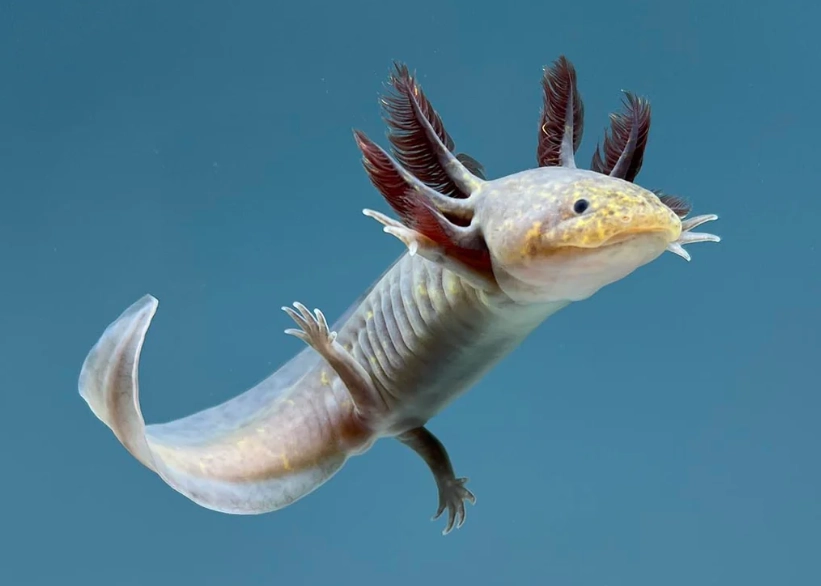
Let's just dive right in and sort the facts from the fancy marketing.
What Is An Emperor Axolotl, Really?
First, let's clear the water. All axolotls are the same species, *Ambystoma mexicanum*. The "Emperor" label is what we call a "morph" or "color morph" – a descriptor for a specific visual appearance created by selective breeding. It's like the difference between a golden retriever and a black lab; same species, different looks governed by genetics.
The Emperor axolotl morph is most closely tied to the leucistic morph. Leucism is a genetic condition that reduces pigmentation. A standard leucistic axolotl has a pale pinkish-white body, dark brown or black eyes, and sometimes might have a few freckles or spots. The "Emperor" takes this and dials it up. Breeders aim for a cleaner, more uniform pale body (think white satin), with those piercing, perfectly dark eyes that really pop. The gills are often a vivid red or pink because the blood vessels show through the clear tissue easily.
Some people also use "Emperor" to describe a specific look within the melanoid albino morph – one with super bright gold or yellow tones. But nine times out of ten, when someone says Emperor axolotl, they're talking about that top-tier leucistic.
It's subjective, though. One breeder's "Emperor" might be another's "high-quality leucistic." There's no governing body handing out the title. This lack of standardization is actually a bit of a pain point for buyers. You really have to trust the breeder's eye and reputation.
The Core of It All: Axolotl Care Fundamentals
Here's the most important thing you need to know: caring for an Emperor axolotl is not fundamentally different from caring for any other axolotl morph. Their needs are identical. The genetics affect their color, not their biology. Anyone trying to sell you special "Emperor-specific" food or equipment is likely pulling your leg. The care guidelines are universal, but they're absolutely critical. Get these wrong, and it doesn't matter how beautiful your axolotl is – it won't thrive.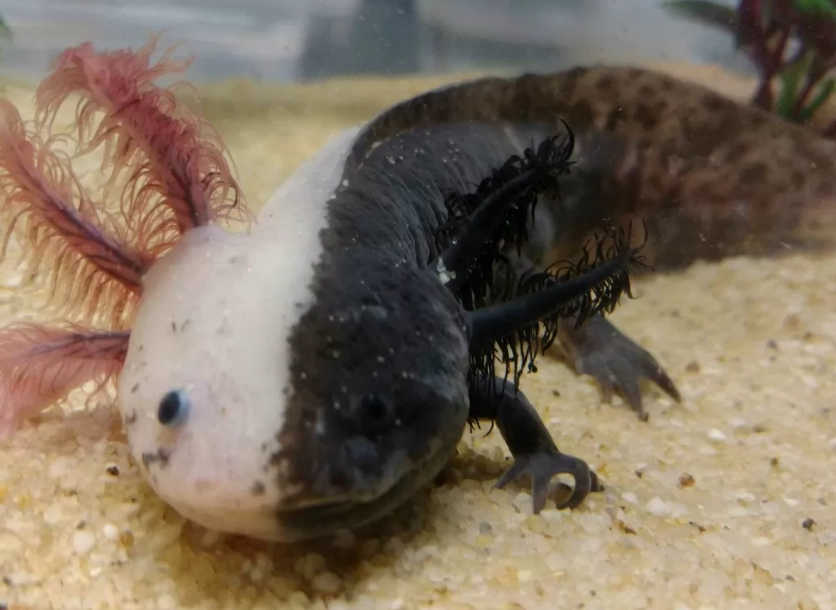
The Tank: It's All About the Water
Axolotls are messy. They're not delicate flowers, but they are incredibly sensitive to poor water quality. This is the number one reason beginners run into trouble.
For a single adult Emperor axolotl, you need an absolute minimum of a 20-gallon long tank. I'd argue 29 or 40 gallons is better. More water volume means waste gets diluted more, and parameters stay stable. The "long" part is key – they walk on the bottom, they don't need height, they need floor space.
Now, the cycle. Not the bicycle, the nitrogen cycle. This is non-negotiable. You must cycle your tank fully before your axolotl comes home. This process grows beneficial bacteria that convert toxic ammonia (from waste) into nitrite, and then into less harmful nitrate. Doing a "fish-in" cycle with an axolotl is cruel and will likely end in a sick or dead animal. There are great guides on the Axolotl Central website that break this down step-by-step.
Filtration is next. You need a filter, but axolotls hate strong currents. A gentle canister filter or a robust sponge filter is perfect. Sponge filters are cheap, provide great biological filtration, and create zero current. I'm a big fan of them for axolotl tanks.
No gravel. Ever. Axolotls are vacuum cleaners. They will ingest small stones, which can cause fatal impaction. Your substrate should either be bare-bottom (easy to clean), very fine sand (like pool filter sand), or large, smooth stones bigger than the axolotl's head.
They don't need heaters. In fact, they require cool water. Ideal temperature is between 60-68°F (16-20°C). If your room is regularly warmer than 70°F, you'll likely need an aquarium chiller, which is a significant investment. This is a major point to consider before buying one.
Feeding Your Underwater Emperor
These guys are carnivores. Pure and simple. Their diet in captivity should be protein-rich and varied.
- Nightcrawlers/Earthworms: The absolute staple diet. Nutritious, and they love them. Chop them to an appropriate size.
- Axolotl Pellets: High-quality, sinking carnivore pellets. Good for variety and convenience.
- Other Treats: Frozen bloodworms, blackworms, or occasional pieces of raw, freshwater fish (like salmon). Avoid feeder goldfish or minnows – they carry disease and are fatty.
Juveniles eat daily. Adults can be fed every other day, or 2-3 times a week. A good rule of thumb is to offer food until the belly is about the same width as the head, but not swollen.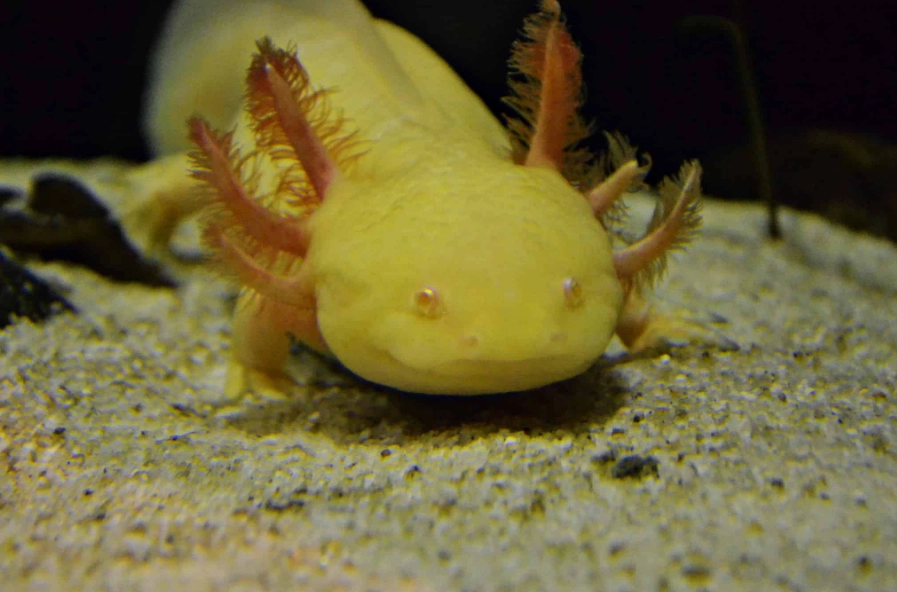
Health & Common Problems: What to Watch For
Even with perfect care, things can happen. Being able to spot trouble early is key. And because an Emperor axolotl is so pale, some issues are actually easier to see.
| Problem | Symptoms | Likely Cause & Action |
|---|---|---|
| Fungal Infection | White, cotton-like fluff on gills, skin, or wounds. | Poor water quality or injury. Improve water params. Can treat with salt baths or tea baths (using pure black tea). |
| Ammonia/Nitrite Poisoning | Red, inflamed skin or gills; curling gill filaments; lethargy; floating. | Tank not cycled or cycle crashed. Test water immediately! Large water change with conditioned water. Prime water conditioner can help detoxify. |
| Impacted Constipation | Floating abnormally, refusing food, swollen cloaca. | Ingested substrate or overfeeding. Fridge the axolotl in dechlorinated water (not too cold!) for a few days to help it pass. |
| Gill Shrinkage | Fluffy gill filaments recede, look stubby. | Consistently high water temperature or poor oxygen. Lower temp, ensure good surface agitation. |
On a pale Emperor axolotl, red skin from ammonia burns or little white fungus spots will stand out like a beacon. That's one advantage. Their gills are also a fantastic health indicator. Bright, red, and fluffy means happy. Pale, shriveled, or curled forward means something's wrong, usually with the water.
Always have a liquid test kit (API Freshwater Master Test Kit is the gold standard) and know your numbers: Ammonia 0ppm, Nitrite 0ppm, Nitrate
The Genetics Behind the Crown
This is where it gets interesting for the hobbyists. To understand why an Emperor axolotl looks the way it does, you need a tiny bit of Genetics 101. Don't worry, I'll keep it simple.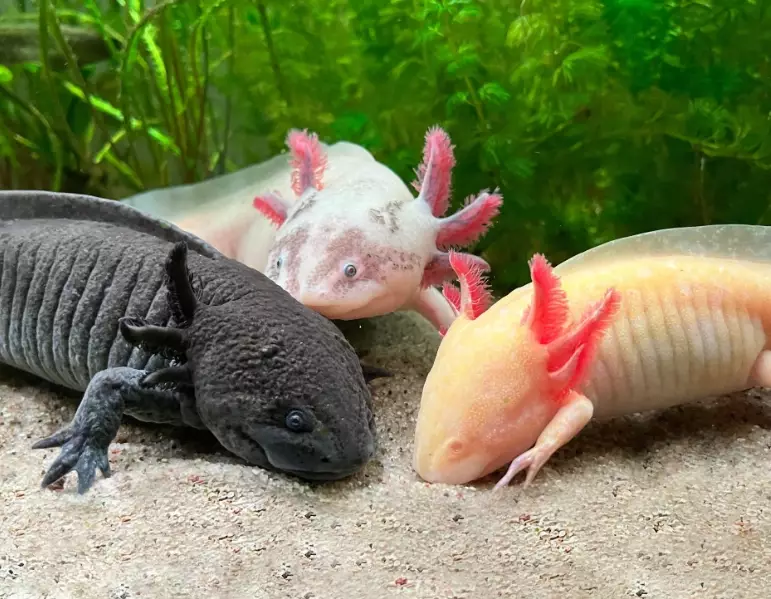
Axolotl color is controlled by several genes. The two big ones for our discussion are:
- The Albino Gene (a): This removes black/brown melanin pigment. An axolotl needs two copies (a/a) to be albino. Albinos have pink eyes.
- The Melanoid Gene (m): This removes the shiny, iridescent pigment cells (iridophores). A melanoid axolotl has two copies (m/m). This gives them a more matte, uniform appearance and often darker, more solid colors.
A standard leucistic axolotl is (d/d) for the leucistic gene, and is not melanoid (M/m or M/M), so it has those iridophores that can give a slight sheen. It also has pigment in its eyes.
The "clean" look of a premium Emperor axolotl often comes from breeders selecting for animals that are not only leucistic but also possibly heterozygous or homozygous for the melanoid gene. Combining leucism with melanoid (d/d, m/m) creates an axolotl with no dark pigment, no shiny pigment, just the pinkish-white from blood vessels and possibly some yellow from other pigments. This can yield that flawless, satiny white appearance.
Breeding for this specific combination, and then further selecting the "best" looking offspring over many generations, is what creates the lineage some call Emperor. Reputable breeders track these genetics. When you pay a premium for an Emperor axolotl from a good breeder, you're partly paying for their years of selective work to stabilize those desirable traits.
Finding and Choosing Your Emperor Axolotl
This is the tricky part. Because "Emperor" isn't standardized, you have to be a smart shopper.
Avoid big chain pet stores. Just don't. Their axolotls are often mass-bred, stressed, kept in poor conditions, and mislabeled. You have no idea of their genetics or health history.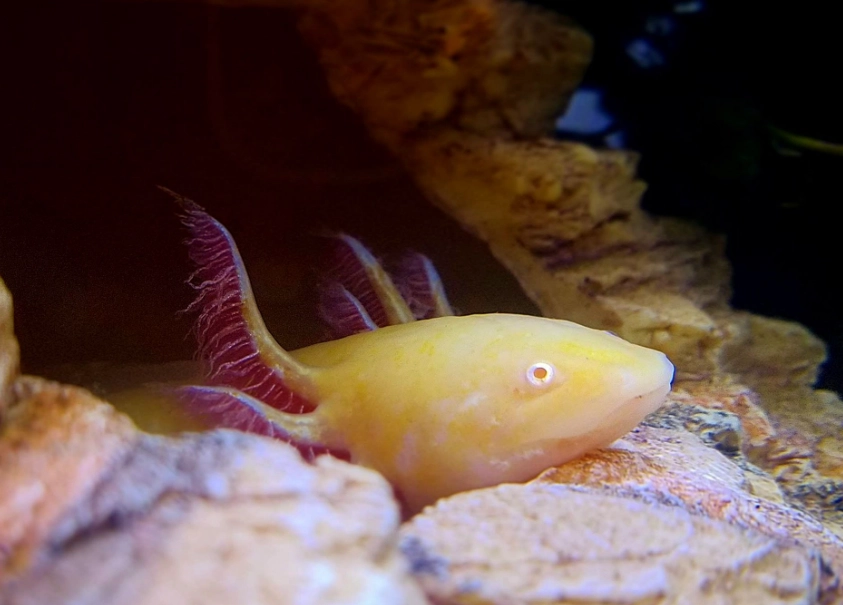
Seek out dedicated, reputable breeders. Look for breeders who:
- Can explain the genetics of their animals.
- Show you pictures of the parents.
- Keep their juveniles in clean, individual containers.
- Ask you questions about your tank setup to ensure you're ready.
- Have positive reviews in axolotl communities.
Websites like Caudata.org have forums with breeder directories and reviews. It's an invaluable resource from the International Association of Astacology (which covers amphibians and reptiles).
What to look for in the animal itself:
- Full, fluffy gills. This is a top sign of health.
- A thick, rounded body. Not skinny or pinched behind the head.
- Active movement, or at least responsive to stimulus.
- Clean skin with no sores, red patches, or fuzzy spots.
- All limbs present and toes intact (they can regenerate, but it's a sign of good care).
Price? A standard leucistic might be $40-$60. A high-quality animal from a proven Emperor lineage can easily be $100-$250 or more. Is it worth it? That's entirely subjective. For a pet you might have for 10-15 years, paying extra for an animal you find breathtakingly beautiful from a breeder who supports you might be worth every penny.
Big Picture: Conservation and Ethics
We can't talk about axolotls without acknowledging their wild cousins. In their only native home, the lake complex of Xochimilco near Mexico City, wild axolotls are critically endangered. Pollution, habitat loss, and invasive species have decimated their numbers. It's a sad situation.
The vibrant pet trade we have is for captive-bred animals. Not a single pet axolotl should be taken from the wild. Responsible breeding in captivity serves a purpose—it takes pressure off wild populations and creates a community of people who care about the species. Some breeders even contribute to scientific knowledge.
When you get an axolotl, you're becoming a steward for an incredible creature. It's a commitment. Do your research, set up properly, and enjoy one of the most fascinating pets you could ever own. Seeing my own Emperor axolotl, with its almost glow-in-the-dark pallor, cruise around its tank is a daily dose of wonder. It's not just a pet; it's a living piece of biological magic.
But it's also a responsibility. A dirty tank, the wrong food, a too-warm room—these things matter. The beauty of the Emperor morph is a bonus, but the health and welfare of the animal underneath always, always comes first.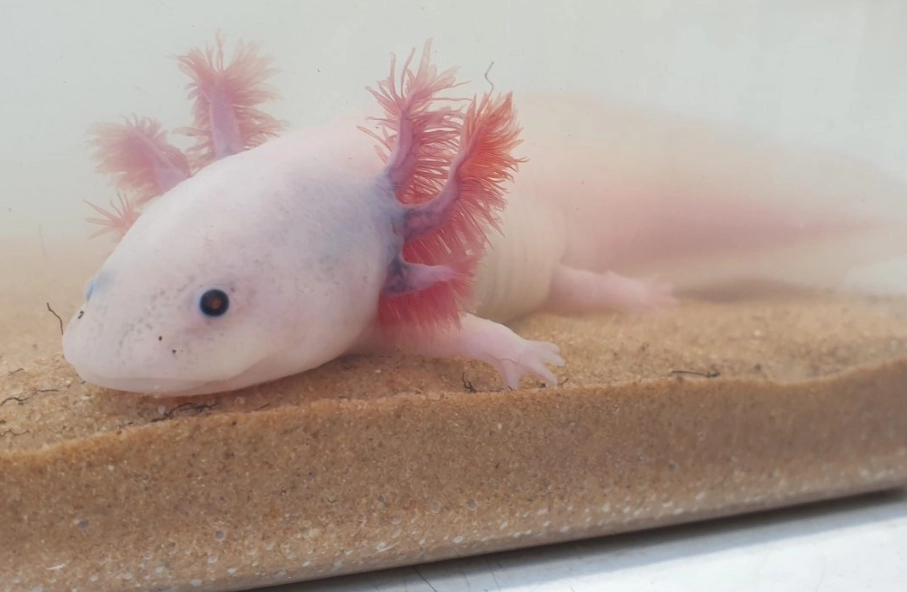
Reader Comments