In This Guide
- What Exactly Is a Red-Spotted Axolotl? Breaking Down the Biology
- The Non-Negotiables: Setting Up the Perfect Red-Spotted Axolotl Tank
- Feeding Your Red-Spotted Axolotl: From Juveniles to Adults
- Common Health Issues: What to Watch For
- The Cost of Ownership: The Real Numbers
- Finding a Healthy Red-Spotted Axolotl and Bringing It Home
Let's be honest, the first time you see a picture of a red-spotted axolotl, it stops you in your tracks. That pale, almost luminous body dotted with what looks like tiny droplets of rust or wine… it's otherworldly. It looks like a creature from a Miyazaki film, not something you could keep in a tank in your living room. I remember scrolling through forums years ago, completely captivated, thinking it must be some rare, photoshopped fantasy. Turns out, they're very real, and their care, while specific, is absolutely within reach for a dedicated beginner. But there's a heap of confusion out there. Is it a separate species? A sick axolotl? Just a fancy name for the common leucistic type? We're going to untangle all of that.
This isn't just a care sheet. If you're considering bringing one of these smiling amphibians home, or if you're just fascinated by them, you need the full picture. The charming looks, the sometimes frustrating realities of their needs, the costs they don't tell you about upfront, and the sheer joy of watching them snuffle around their tank. We'll cover it all, from the genetics behind those iconic red spots to the nitty-gritty of keeping your water pristine enough for their sensitive skin.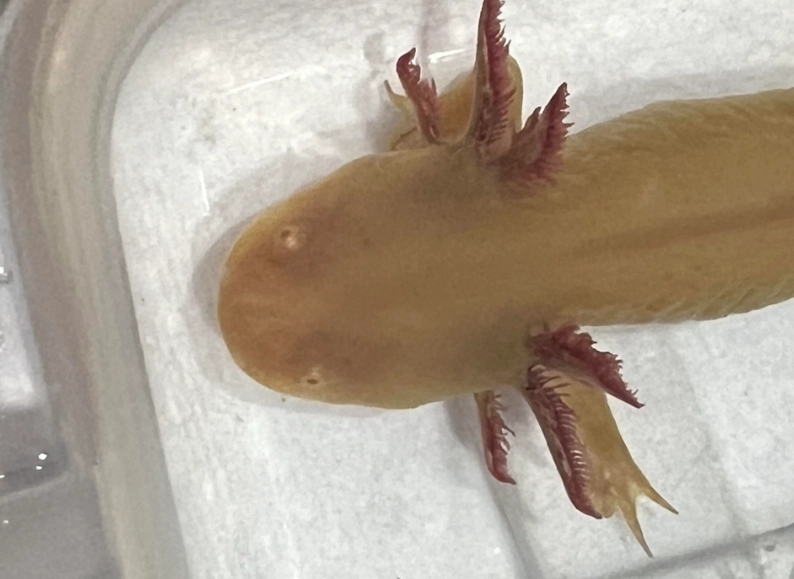
Key Takeaway Right Up Front: A "red-spotted axolotl" is almost always a color morph of the common axolotl (Ambystoma mexicanum), specifically a leucistic or albino individual where specialized pigment cells called chromatophores create the spot pattern. It's not a separate species, but it is a stunning and popular variation with the same core care requirements as any other axolotl.
What Exactly Is a Red-Spotted Axolotl? Breaking Down the Biology
So, you're searching for info on the red-spotted axolotl. The first thing to get straight is what you're actually looking at. The name is descriptive, not scientific. In the pet trade, it's used pretty loosely, but it usually points to one of two main genetic types displaying those lovely speckles.
The Genetics Behind the Spots
The spots themselves are clusters of erythrophores and melanophores. Fancy words, simple idea: erythrophores contain red/orange pigments (like carotenoids), and melanophores contain dark brown/black pigments. In a standard wild-type axolotl, these cells are spread all over, giving them a muddy, dark appearance. The magic happens when you remove the base layer.
In a leucistic axolotl, the genes suppress most of the dark melanin pigment across the body, leaving the skin pale pinkish-white and the eyes dark. But those red-pigment cells? They often remain, clustering in specific areas like the face, gills, and along the back and sides, creating the classic "red-spotted" look. This is the most common version you'll see labeled as such.
Then you have the albino axolotl. Albinism knocks out all melanin production, resulting in a golden, white, or pink body with pink eyes. In some albino lines, erythrophores (the red cells) are still very active and prominent, creating bright red or pink spots on a light background. Some folks call these "golden albinos with spots," but they often get lumped into the red-spotted category too.
I've seen some real stunners where the spots are a deep, almost burgundy red, and others where they're a soft peach. It varies wildly, which is part of the fun. No two are exactly alike. But here's a personal gripe: some sellers online will photoshop or use intense lighting to make the spots pop way more than they do in your dimly lit home tank. Manage your expectations—they're beautiful, but often more subtle in person.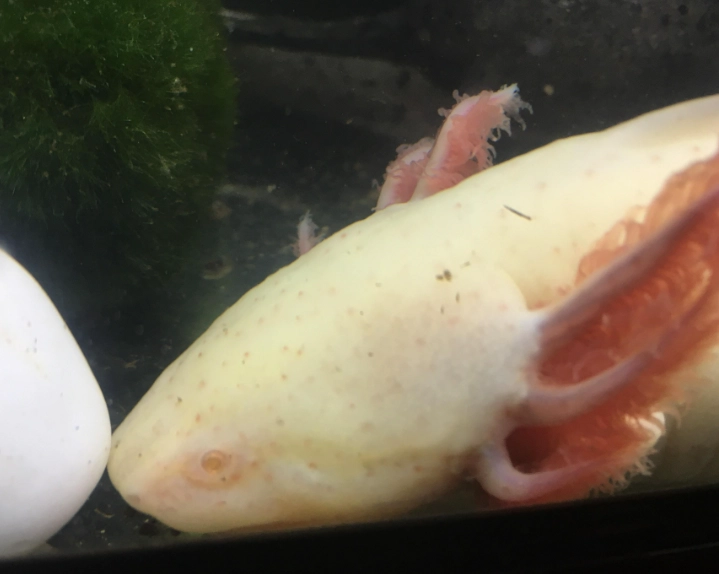
How This Morph Compares to Other Popular Types
It helps to see where the red-spotted axolotl fits in the family. They're not the only show in town.
| Color Morph | Base Color | Markings | Eye Color | Notes |
|---|---|---|---|---|
| Wild Type | Dark brown, black, greenish | Speckled or mottled pattern | Dark | The natural coloration, often hardier. |
| Leucistic (Lucy) | Pinkish-white, pale pink | Usually none, but can have red/gold spots | Dark | The "pink axolotl." A spotted Lucy = common red-spotted. |
| Golden Albino | Yellow, gold, pale pink | Can have faint spots | Pink/Red | Light-sensitive. A spotted version is sometimes called red-spotted. |
| Melanoid | Jet black, dark gray | Solid, no shiny iris | Dark | Lacks shiny pigment, velvety appearance. |
| Copper | Light gray with olive/copper hue | Sometimes faint spots | Light | A newer, less common morph. |
| Piebald | Patches of leucistic and wild-type | High-contrast patches | Dark (on dark patches) | Striking, but pattern is unpredictable. |
See? The red-spotted axolotl isn't in its own row. It's a subset, a special edition of the leucistic or albino models. This matters because care guides for "leucistic axolotls" apply 100% to your spotted friend.
Health Check: Those red spots should look like freckles or dapples, not like raw, raised, or inflamed patches. If a "spot" looks fuzzy, swollen, or more like an ulcer, it's likely a bacterial or fungal infection, not pigmentation. A healthy red-spotted axolotl has smooth skin with integrated color.
The Non-Negotiables: Setting Up the Perfect Red-Spotted Axolotl Tank
This is where many first-timers slip up. Axolotls, red-spotted or otherwise, are cold-water, messy creatures that need pristine water. They're not like a tropical fish where you can just wing it. Getting the tank right from day one is 90% of the battle for a healthy pet.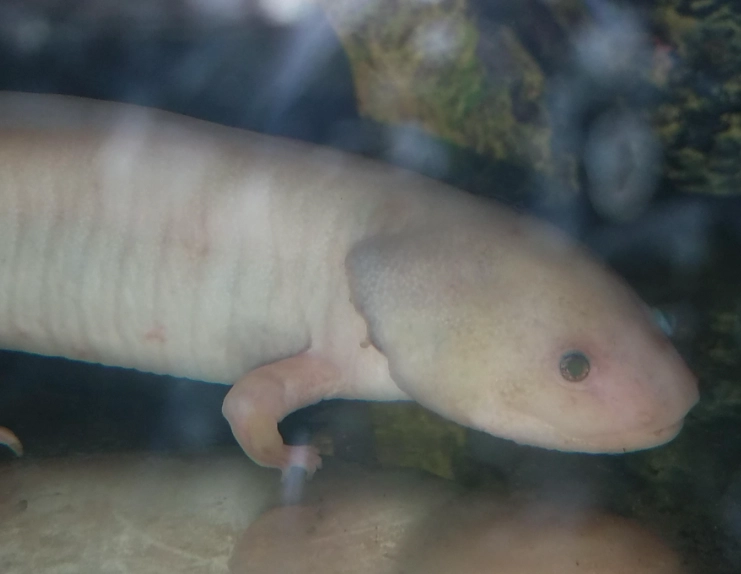
Tank Size and Parameters: Go Big or Go Home
The old "10-gallon minimum" advice is, in my opinion, borderline cruel for an adult. These guys can grow to 9-12 inches long. They need floor space, not height. A standard 20-gallon long tank is the absolute bare minimum for one adult, and I'd argue it still feels cramped. A 29-gallon or, better yet, a 40-gallon breeder tank is ideal. It gives them room to roam, helps dilute their waste, and makes water quality more stable. For a pair, start at 40 gallons. Trust me, the extra cost upfront saves you headaches (and vet bills) later.
Water parameters are the holy grail. Axolotls breathe through their skin and gills, so poor water burns them, literally.
- Temperature: This is critical. 60-68°F (16-20°C) is perfect. They are cold-water animals. Sustained temperatures above 74°F (23°C) cause immense stress, suppress their immune system, and can be fatal. In summer, you will likely need a aquarium chiller, which is a pricey but essential investment. Fans blowing across the surface can help a degree or two, but often aren't enough.
- pH: 6.5 to 8.0 is acceptable, but stability is key. Aim for around 7.4-7.6.
- Ammonia & Nitrite: Must always be 0 ppm. Any detectable level is toxic.
- Nitrate: Keep it below 20 ppm, ideally under 10 ppm. This is managed through weekly partial water changes.
- Hardness: Moderate hardness is fine. They're not super picky here.
You need a liquid test kit, like the API Freshwater Master Test Kit. Strips are notoriously inaccurate. Test weekly, without fail.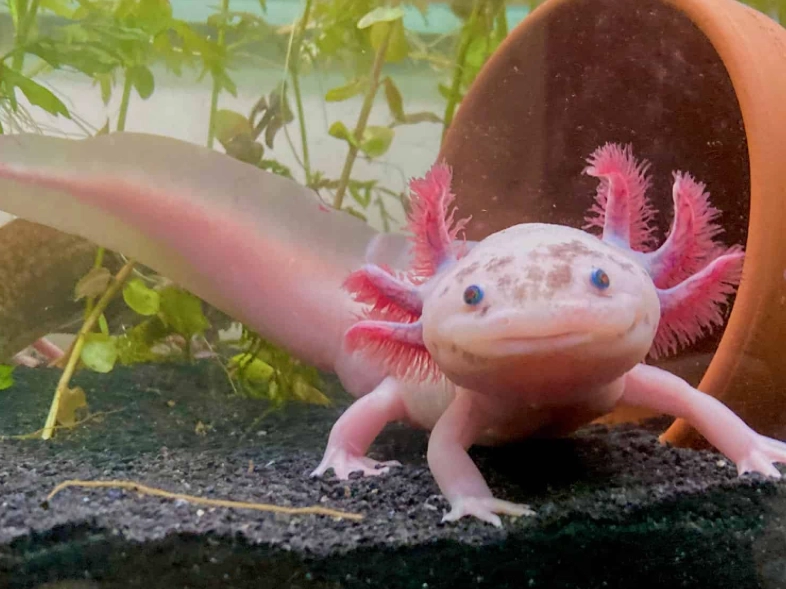
Filtration and Substrate: The Devil's in the Details
Filtration needs to be strong enough to handle their bio-load but gentle in flow. Axolotls hate current—it stresses them out. A canister filter (like a Fluval 207 for a 40-gallon) is often the best choice. You can pack it with mechanical and biological media and use a spray bar to diffuse the output. Hang-on-back filters can work if you baffle the outflow with a sponge or point it at the glass.
Substrate is a huge debate. Bare bottom is safest for juveniles under 5 inches, as they are prone to impaction. It's also easiest to clean. But it looks sterile and can stress some axolotls who can't grip well. Fine sand (like pool filter sand or specially branded aquarium sand) is the best compromise for adults. The grains are so small they pass through if ingested. Never use gravel or large stones. They will be swallowed, causing a fatal blockage. I learned this the hard way years ago with a wild-type who thankfully passed the stone after a stressful week.
Cycling your tank is not optional. You must establish a colony of beneficial bacteria in your filter before you add your axolotl. This process, called the nitrogen cycle, takes 4-8 weeks. Adding a red-spotted axolotl to an uncycled tank is a one-way ticket to ammonia poisoning. Use pure ammonia or fish food to cycle it. Patience here is everything.
Lighting and Decor: Keeping It Simple and Safe
Axolotls have no eyelids and are sensitive to light. They don't need a fancy aquarium light. Ambient room light is often plenty. If you have live plants (more on that later), use low-light species and keep the photoperiod short, or provide lots of shaded areas. They appreciate dim, cave-like environments.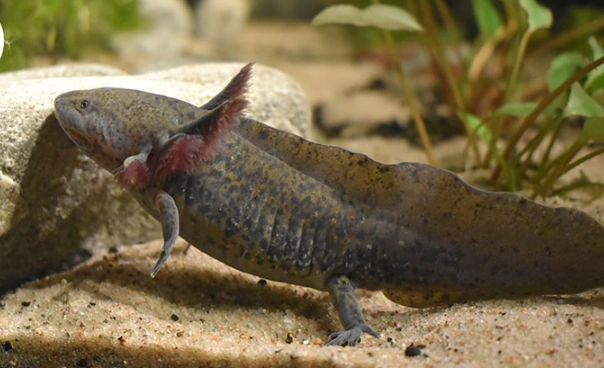
Decor should be about hiding places, not sharp edges. PVC pipes (large diameter), terracotta pots on their sides, and smooth, resin caves are perfect. Sand down any rough ceramic edges. Live plants like Java fern, Anubias, and floating plants like Frogbit are fantastic. They help with water quality and provide cover. Just be prepared for the axolotl to uproot or lounge on them—they're not graceful gardeners.
A stressed axolotl is an unhealthy axolotl. Their gills will curl forward sharply. If you see that, check your water parameters and flow immediately.
Feeding Your Red-Spotted Axolotl: From Juveniles to Adults
These guys are carnivores. Pure and simple. Their diet in the wild is worms, insects, small fish—anything they can suck into their mouths. In captivity, we have some great staple options.
- Earthworms/Nightcrawlers: The absolute best staple food. Nutritious, easy to digest, and promote good growth. You can buy them from bait shops or breed your own. Just rinse them off. Chop them up for smaller axolotls.
- Salmon Pellets: High-quality, sinking carnivore pellets (like those from Rangen or Hikari) are a great convenient staple or supplement. Ensure they are soft and appropriately sized.
- Bloodworms (Frozen): Good for variety or tempting a picky eater, but not a complete diet for adults. Think of them as junk food.
- Blackworms: Excellent for juveniles and stimulating a feeding response.
- Occasional Treats: Pieces of thawed frozen shrimp, very occasional feeder fish (from a trusted source to avoid parasites).
Feed juveniles daily, adults every other day or 2-3 times a week. A good rule of thumb is to feed an amount roughly the size of their head. They can be surprisingly voracious, but overfeeding leads to obesity and foul water. Remove uneaten food after 15 minutes.
I've found my red-spotted axolotl to be a particularly enthusiastic eater—she comes racing to the front glass when she sees the worm tub. But some can be shy. Use feeding tongs to place food right in front of them to avoid leaving rotting food in the tank.
Common Health Issues: What to Watch For
Most axolotl health problems stem from poor water quality (see a theme here?) or improper temperature. But a few specific things to monitor:
- Fungal Infections: Appear as white, cottony patches on the gills, body, or limbs. Often secondary to stress or injury. Salt baths or tea baths are common first-line treatments, but severe cases need veterinary-prescribed antifungal meds.
- Bacterial Infections: Red sores, ulcers, or bloating. Requires prompt attention, often with antibiotics from an exotic vet.
- Impaction: From ingesting gravel or large pieces of substrate. The axolotl stops eating, may float oddly, and may not pass waste. Prevention is key—use sand or bare bottom.
- Gill Shrinkage: If the fluffy gill filaments recede, it's often due to high nitrates, high temperature, or low oxygen. Fixing the water condition usually allows them to regrow, as axolotls have legendary regenerative abilities.
- Skin Shedding or Slime Coat Issues: Excess mucus or peeling skin indicates water parameter stress or chemical irritation (from soap, perfume, etc.).
Having a quarantine/hospital tank set up is a lifesaver. A simple 10-gallon with an established sponge filter and no substrate allows you to isolate and treat a sick axolotl without medicating your main tank.
Vet Reality Check: Before you get an axolotl, find an exotic veterinarian near you who sees them. Call and ask. Many standard vets have no experience with amphibians. Emergency care for a red-spotted axolotl can be expensive and hard to find. This is a major part of responsible ownership.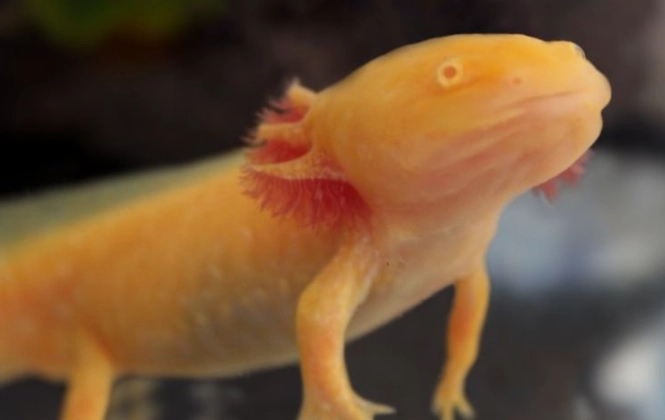
Frequently Asked Questions (The Real Stuff People Ask)
Frequently Asked Questions (The Real Stuff People Ask)
Not particularly rare, but often in higher demand due to their striking looks, which can drive up price. A standard leucistic might be $30-$50, while a beautifully spotted one from a dedicated breeder could be $60-$100. True "firefly" or other complex designer morphs with spots cost much more. Always buy from a reputable breeder, not a large-scale pet store where health is a gamble.
Yes, with caveats. They must be similar in size—a larger one will likely nip at or even try to eat a smaller one. Provide ample space (at least 20 gallons per additional axolotl) and tons of hiding spots to reduce territorial stress. Be prepared to separate them if aggression occurs. And never, ever house them with fish or other tank mates. Fish will nip their gills, and the axolotl will eventually try to eat anything that fits in its mouth.
With excellent care, 10-15 years is common. There are reports of some living over 20 years. Getting a red-spotted axolotl is a long-term commitment, not a short-term novelty.
The axolotl is critically endangered in its only native habitat, the lake complex of Xochimilco near Mexico City. The primary threats are habitat loss, pollution, and the introduction of invasive fish species like tilapia and perch that eat their eggs and young. Conservation efforts are ongoing. When you buy a captive-bred red-spotted axolotl, you are not impacting wild populations. Supporting conservation organizations is a great way to help. You can learn more about their wild status from authoritative sources like the IUCN Red List.
They can! Spot density and intensity can change as the axolotl grows. Some may develop more spots with age, while others might see them become less distinct. Stress and water quality can also temporarily affect their vibrancy. It's a living animal, not a static painting.
The Cost of Ownership: The Real Numbers
Let's talk money, because surprise costs are the worst. The axolotl itself is often the cheapest part.
- Startup: Tank ($100-$300), Lid ($30), Filter ($80-$150), Chiller ($250-$500+), Sand/Decor ($50-$100), Test Kit ($35), Water Dechlorinator ($15). You're easily looking at $500-$1000+ to start correctly.
- Ongoing: Food ($10-$20/month), Electricity for filter/chiller, Replacement filter media, Water for changes.
- Unexpected: Vet bills (can be $100-$500+ per visit).
If the startup cost makes you gulp, this might not be the pet for you right now. A betta fish is a far cheaper and easier alternative.
Finding a Healthy Red-Spotted Axolotl and Bringing It Home
Do your homework on breeders. Look for reviews, ask to see pictures of the parents and setup. A good breeder will ask you questions about your tank setup. Avoid buying from sources that ship in extreme temperatures. When you bring it home, drip acclimate it slowly over an hour or more to avoid shock from differences in water chemistry. Just floating the bag is not enough.
Don't be alarmed if it hides and doesn't eat for the first few days. This is normal relocation stress. Keep the lights off and just let it settle.
So, is a red-spotted axolotl the right pet for you?
If you're a detail-oriented person who finds joy in maintaining a stable ecosystem, who doesn't mind a pet you mostly observe rather than cuddle, and who is prepared for the costs and long commitment, then absolutely. The reward is a fascinating, prehistoric-looking creature with a perpetual smile that will captivate you for years. They have personality—some are bold, some are shy, all are intriguing.
But if you want a low-maintenance, hands-on, cheap pet, look elsewhere. The red-spotted axolotl's beauty comes with a strict set of requirements. Respect those, and you'll have a healthy, thriving aquatic oddity that never fails to amaze. Just remember, those stunning red spots are a badge of its unique genetics, not an indicator of its care needs. Meet those needs, and you'll both be happy.
Reader Comments