Let's be honest, the first thing that grabs you is the look. Those little horns above the eyes, the stout body, the almost permanent smile. Horned geckos (often sold as "Pacman frogs," though they're not frogs at all) have a prehistoric charm that's hard to resist. I've been keeping reptiles for over a decade, and I still think they're one of the most characterful beginner pets you can get. But here's the thing most care sheets miss: their charm is directly tied to how well you set up their world. Get it right, and you have a fascinating, low-maintenance companion that can live over 10 years. Get it wrong, and you're dealing with a stressed, hidden, or unhealthy animal. This guide cuts through the generic advice and gives you the specifics you need, from picking the right one at the store to spotting subtle health issues before they become big problems.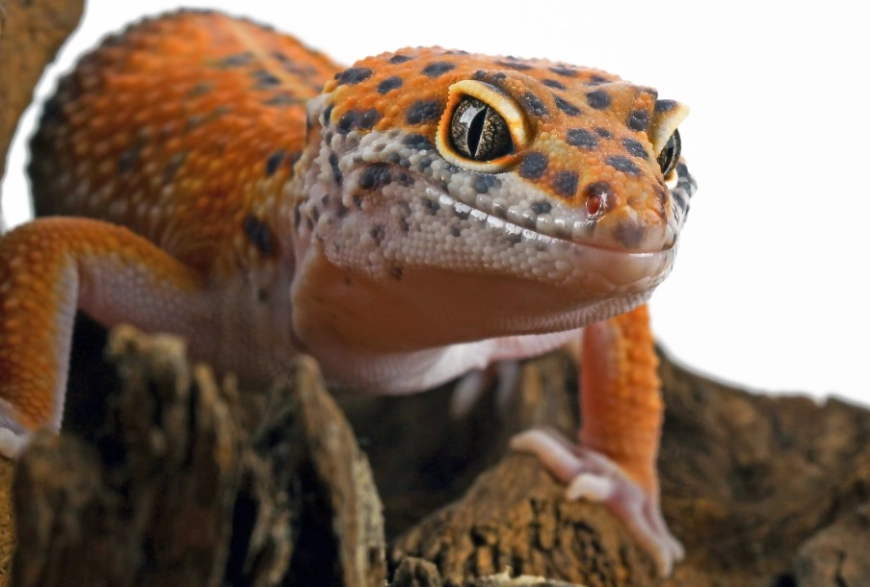
What You'll Find in This Guide
- Why a Horned Gecko Might Be Your Perfect Pet
- Setting Up the Perfect Home: A Step-by-Step Tank Guide
- Feeding and Nutrition: It's Not Just Crickets
- Daily Care, Handling, and Reading Their Mood
- Spotting Trouble: Common Health Issues Explained
- Your Questions, Answered (By Someone Who's Messed Up So You Don't Have To)
Key Takeaway First: Horned geckos (Ceratophrys species) are terrestrial, ambush predators from South America. They don't climb, they burrow. They don't need massive space, but they need precise heat and humidity. Their care is simple but specific. Think of them as the "set it and mostly forget it" pet, but only after you've dialed in that initial setup perfectly.
Why a Horned Gecko Might Be Your Perfect Pet
If you're tired of hearing about leopard geckos and bearded dragons, the horned gecko offers a different vibe. They're for the person who appreciates a pet that's more of a living display piece with a big personality. They're incredibly low-energy—most of their day is spent semi-buried, waiting. But when it's feeding time, the transformation is explosive and fascinating to watch.
I recommend them for beginners who are detail-oriented. You don't need to handle them daily (in fact, it's better if you don't). Your job is to be a habitat architect and a reliable food service. If that sounds appealing, you'll get along great.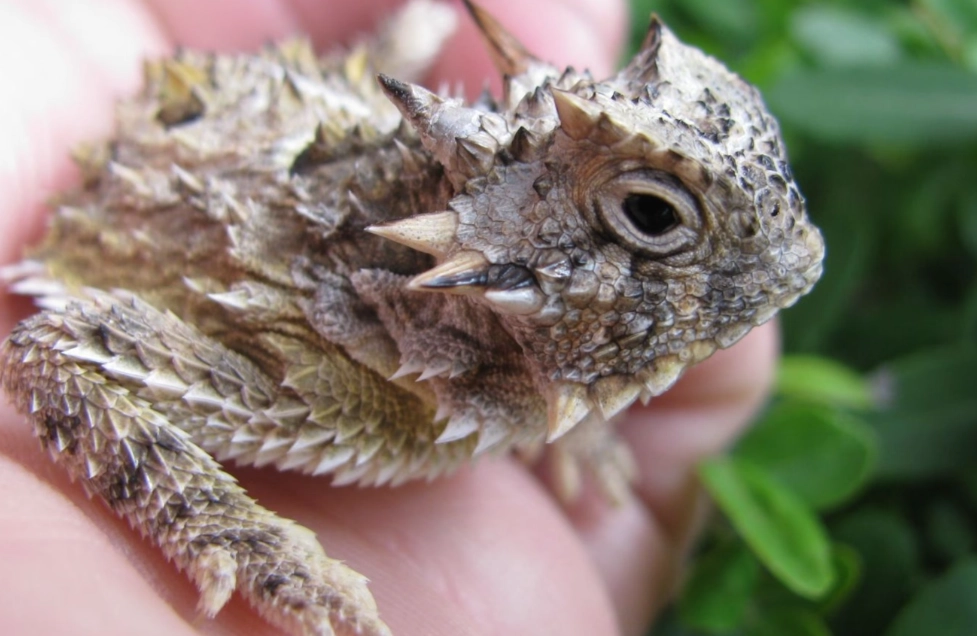
The One Big Mistake New Owners Make
They treat them like a desert species. I've seen it a hundred times: someone puts a horned gecko on sand or reptile carpet with a hot rock and a tiny water dish. The gecko becomes lethargic, stops eating, and eventually develops skin or impaction issues. The truth is, while they need warmth, they are from regions with high humidity and moist soil. They need to be able to dig into slightly damp substrate to regulate their moisture. Ignoring this burrowing and humidity need is the fastest way to a sick gecko.
Setting Up the Perfect Home: A Step-by-Step Tank Guide
You can't just throw things in a tank and hope. Order matters. Here's how I set up every new horned gecko enclosure, a process refined after many, many iterations.
1. The Tank Itself: Size and Type
A 10-gallon tank is the absolute minimum for an adult, but a 20-gallon long (30" x 12" x 12") is the sweet spot. It gives them room to establish a proper temperature gradient. Go for a front-opening tank if you can—it's less disruptive than reaching in from above, where you look like a giant predator. Screen tops are fine, but you'll need to cover part of it with plastic or foil to retain humidity.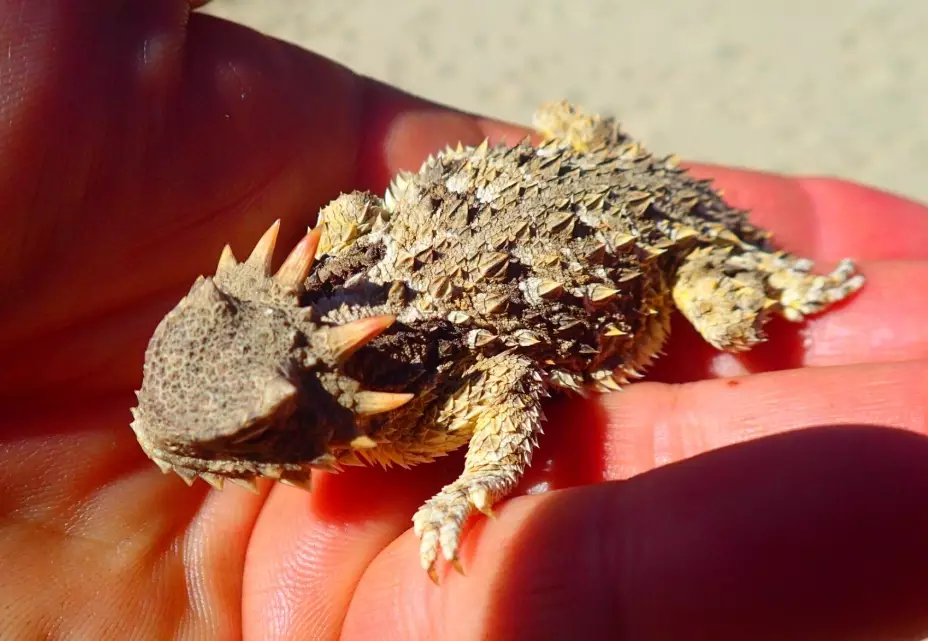
2. The Non-Negotiables: Heat and Humidity
This is where you need digital gauges. The stick-on analog ones are notoriously inaccurate.
- Temperature: Create a gradient. One end (the "warm side") should be 82-85°F (28-29°C) during the day. The other end ("cool side") should be 72-75°F (22-24°C). Night temps can drop to 68-70°F (20-21°C). How to achieve this: Use an under-tank heater (UTH) placed under ONE THIRD of the tank's bottom, on the outside, connected to a thermostat. This is crucial. An unregulated UTH can cause severe burns. Do not use heat lamps as a primary heat source; they dry out the air too much.
- Humidity: Aim for 60-80%. Mist the tank heavily in the evening to simulate dewfall. The substrate should feel moist to the touch a few inches down, but not soggy on the surface. A humidity hide (a small plastic container filled with damp sphagnum moss) is an excellent addition.
3. Substrate and Decor: Building a World
Forget sand, gravel, or wood chips. You want something that holds moisture and allows for burrowing.
- Best Option (My Personal Mix): 60% organic, fertilizer-free topsoil or coconut coir, 40% play sand. This holds burrows perfectly and maintains humidity. It's also digestible if a little is ingested during feeding.
- Simple Option: Pre-mixed reptile soils designed for forest or tropical species work well.
- Decor: Keep it simple. A couple of broad, flat pieces of cork bark or half-logs for hides. Live or artificial plants (silk is best, plastic can be sharp) to provide cover and help with humidity. A shallow, sturdy water dish big enough for the gecko to sit in, but not so deep it could drown.
Set everything up, get your heat and humidity stable for at least 48 hours before you bring your gecko home.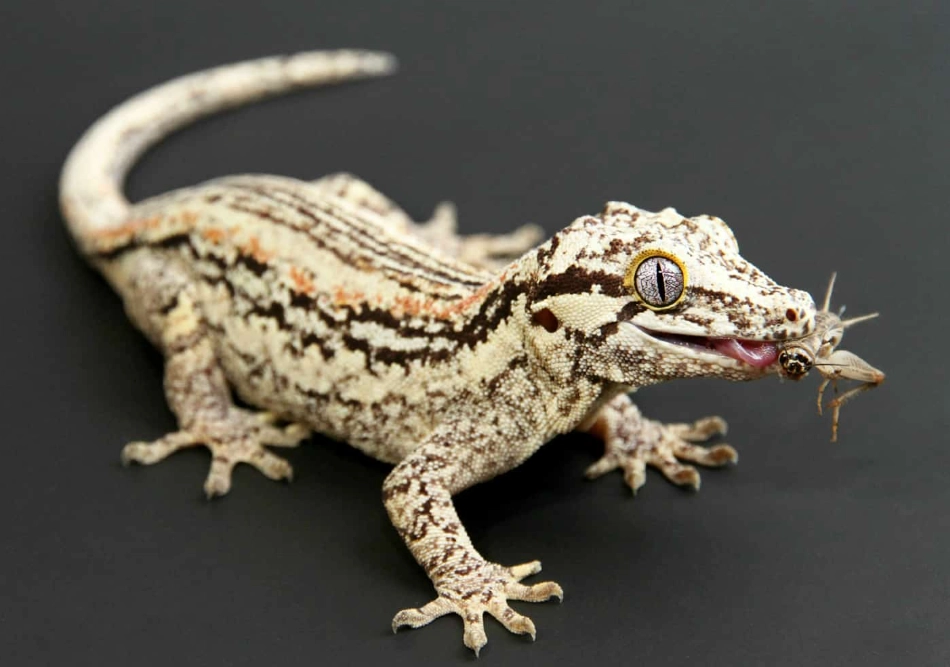
Feeding and Nutrition: It's Not Just Crickets
Horned geckos are eating machines with a hilarious lack of aim. Their primary diet is insects. Variety is the key to health.
| Feeder Insect | Nutritional Value | Feeding Frequency | Key Notes |
|---|---|---|---|
| Gut-Loaded Crickets | Good protein, staple | 2-3 times per week | Size: no wider than gecko's head. "Gut-load" with veggies 24h before feeding. |
| Dubia Roaches | Excellent protein, low fat | 1-2 times per week | Superior to crickets, less noisy, don't climb smooth surfaces. |
| Nightcrawler Earthworms | High moisture, good variety | Once a week | Cut to appropriate size. A messy but enriching meal. |
| Silkworms/Hornworms | High moisture, treat | Occasionally (treat) | Great for hydration. Hornworms grow fast, buy small. |
Dusting is Non-Optional: Every other feeding, dust insects with a high-quality calcium powder (with vitamin D3 if you don't use UVB lighting). Once a week, use a multivitamin powder. A common sign of calcium deficiency is a wobbly, weak jaw—it's heartbreaking and preventable.
Juveniles should be fed daily, adults every 2-3 days. Offer as many appropriately-sized insects as they will eat in a 10-15 minute sitting. An adult might eat 3-4 large crickets in a meal.
Daily Care, Handling, and Reading Their Mood
Daily care is minimal: check temperatures, mist the enclosure, ensure fresh water. Spot clean feces. A full substrate change is only needed every 4-6 months.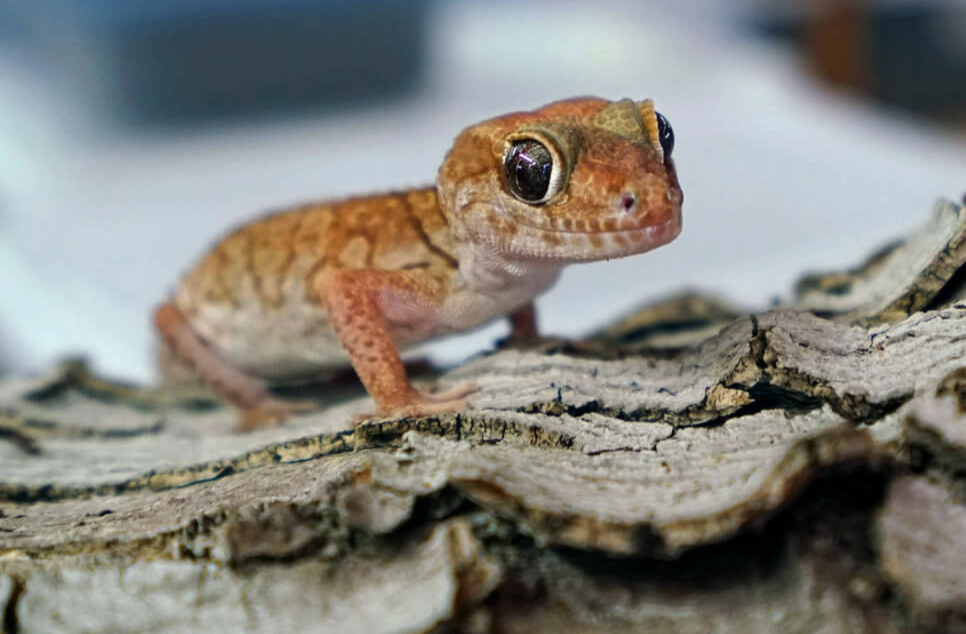
To Handle or Not to Handle?
Horned geckos tolerate handling but don't seek it out. They are observation pets. If you do handle:
- Always approach from the side or front, never from above.
- Scoop them up gently, supporting their whole body.
- Keep sessions short (5-10 minutes), a couple of times a week max.
- Never handle after feeding (wait 48 hours) or if they are shedding.
How do you know their mood? A content gecko is often half-buried, eyes open, breathing slowly. A stressed gecko will try to burrow completely, may hiss (a faint, airy sound), or even jump/leap away. If they do this, just put them back. Respect the grump.
Spotting Trouble: Common Health Issues Explained
Catching problems early is everything. Here are the big three:
- Impaction (Bowel Blockage): Caused by eating substrate, too-large prey, or low temperatures. Signs: No defecation, bloated abdomen, lethargy. Prevention: Correct substrate, proper temps, feed in a bare dish or separate container if needed.
- Skin Infections (Blister Disease): Caused by persistently wet, filthy substrate. Signs: Red spots, blisters, especially on the belly. Prevention: Substrate should be moist, not wet. Spot clean regularly.
- Metabolic Bone Disease (MBD): Caused by lack of calcium/vitamin D3. Signs: Soft, rubbery jaw, curved limbs, tremors, difficulty lifting body. Prevention: Consistent dusting with proper supplements.
If you suspect any illness, find a veterinarian who specializes in reptiles (an exotics vet). Don't wait.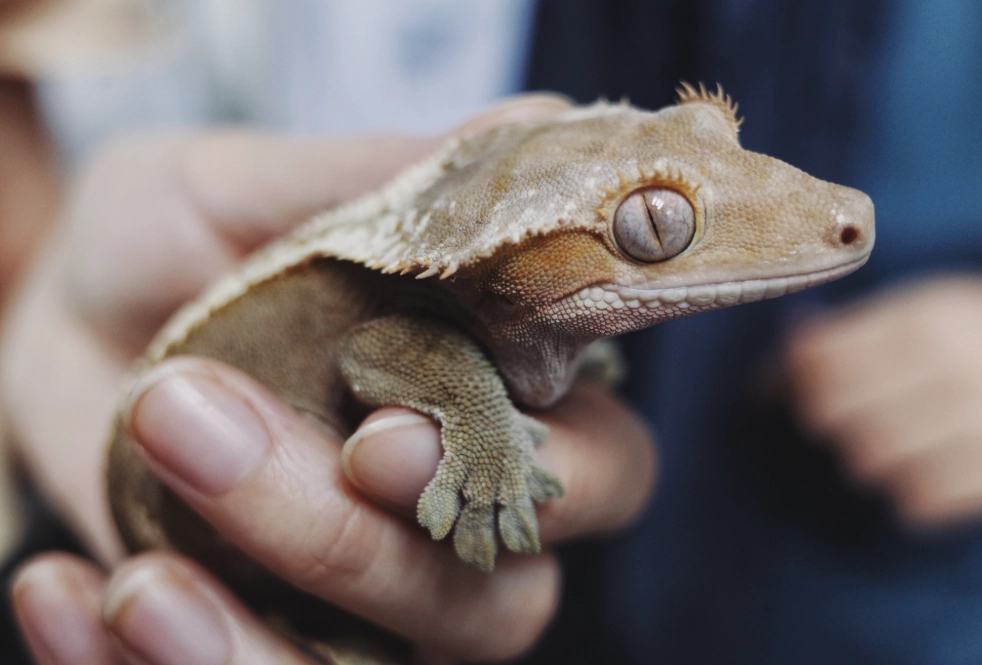 a
a
Your Questions, Answered (By Someone Who's Messed Up So You Don't Have To)
My horned gecko isn't eating, what's wrong?
Check the temperature first. Low temps are the #1 cause of appetite loss. Is the warm side actually 82-85°F? Next, stress. Did you just move them or change the tank? They might fast for a week or two. Finally, they might be going into a shed (their skin will look dull). If temps are perfect, they're not shedding, and it's been over 3 weeks, consult a vet. Parasites are a possibility.
Do horned geckos need UVB lighting like other reptiles?
This is a hot topic. The old school says no, they're nocturnal. The newer school, backed by research from places like Reptiles Magazine, suggests low-level UVB (a 5.0 or 2% bulb) can be beneficial for their overall metabolism, calcium absorption, and immune system, even if they aren't basking directly. I've used low-output UVB on a 12-hour cycle for years and noticed more consistent activity and feeding responses. It's not strictly necessary if you dust with D3, but it's a layer of insurance for their long-term health.
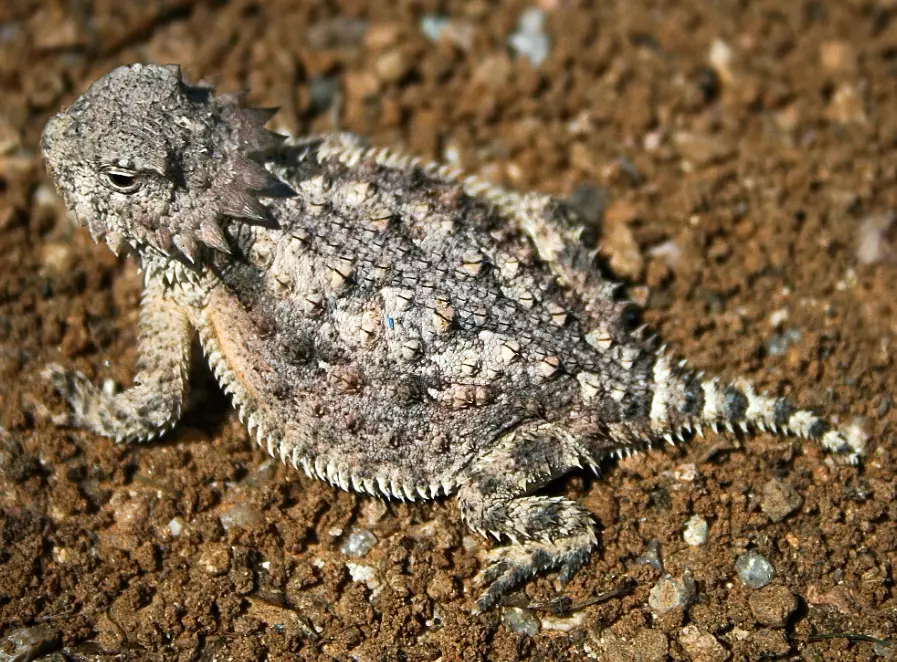 How do I know if my gecko is a healthy weight?
Look from above. You should see a gentle taper from the head to the hips, with slight bulges at the hips where fat is stored. If the spine is protruding, it's underweight. If the sides bulge out so much you can't see any taper and the legs seem to splay, it's overweight. An obese gecko is common from overfeeding and lack of exercise—yes, even in a tank. Adjust feeding frequency accordingly.
Can I house two horned geckos together?
Don't. Just don't. They are not social. Cohabitation almost always leads to stress, competition for food, and eventually, one gecko becoming much larger and potentially injuring or eating the smaller one. The only exception is for experienced breeders with a very specific, temporary setup. For a pet owner, it's a recipe for problems.
My gecko's skin looks cloudy and milky. Is it sick?
That's a good sign! It means they're about to shed. Increase misting slightly to help the old skin come off. Do not try to peel it off. They will often eat the shed skin afterward for the nutrients. The whole process should be complete within a day or two. If patches of old skin stick, especially on toes or the tip of the nose, that's a sign humidity was too low during the shed.
Reader Comments