Your Quick Guide
- What Exactly Is a Fancy Leopard Gecko? Breaking Down the Label
- The Main Attraction: A Tour of Popular Fancy Leopard Gecko Morphs
- No Compromises: Fancy Leopard Gecko Care Essentials
- Choosing Your Fancy Leopard Gecko: A Buyer's Guide
- Health and Common Issues: Keeping Your Fancy Friend Thriving
- The Final Word: Is a Fancy Leopard Gecko Right for You?
Let's be honest, the first time you see a picture of a bright yellow leopard gecko with bold black spots, or a pure white one with red eyes, it's hard not to be intrigued. That's the "fancy" effect. It pulls you in. I remember walking into a reptile expo years ago, completely unprepared for the rainbow of lizards labeled as fancy leopard geckos. I left with more questions than answers. What makes them "fancy"? Are they harder to care for? Is that high price tag worth it?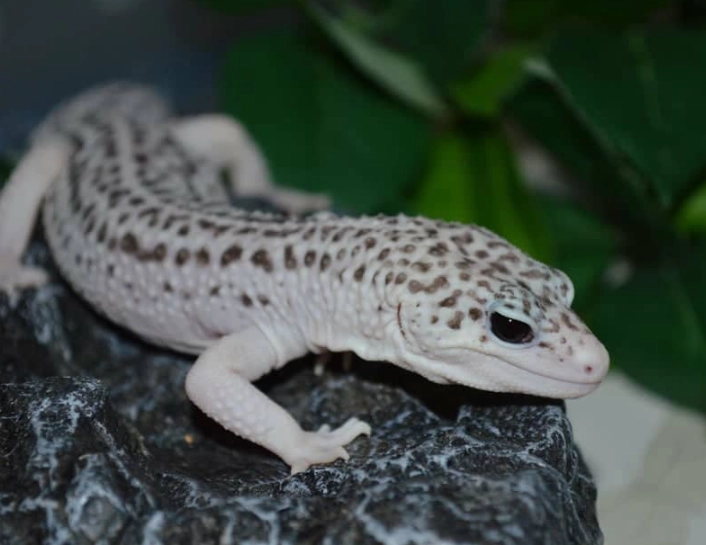
This guide is the one I wish I had back then. We're going to strip away the marketing fluff and dive deep into what a fancy leopard gecko really is. It's not just a pet; it's a fascinating hobby centered around genetics, color, and pattern. But before you get swept up in the beauty of a fancy leopard gecko, you need the full picture—the stunning looks, the straightforward care, and the few quirks you should know about.
Quick Reality Check: "Fancy" is primarily a pet store term. In the dedicated reptile community, we talk about "morphs." A morph is a genetic mutation that affects the animal's color, pattern, or scale structure. So, your fancy leopard gecko is almost certainly a specific morph or a combination of several morphs. Knowing this is your first step to becoming a savvy owner.
What Exactly Is a Fancy Leopard Gecko? Breaking Down the Label
If you ask a breeder, they might chuckle at the term. But for a new owner, it's the gateway. Essentially, any leopard gecko (Eublepharis macularius) that doesn't look like the standard wild-type (yellow body with black spots) gets called fancy. The wild-type is beautiful in its own right, but the fancy ones have had their genetics tweaked, often over decades of selective breeding.
The key difference? Visual appeal driven by genetics. It's not about the gecko being fancier in personality or needing a gold-plated cage. Their core care—temperature, diet, handling—is identical to a normal leopard gecko. The magic (and the cost) is in their appearance.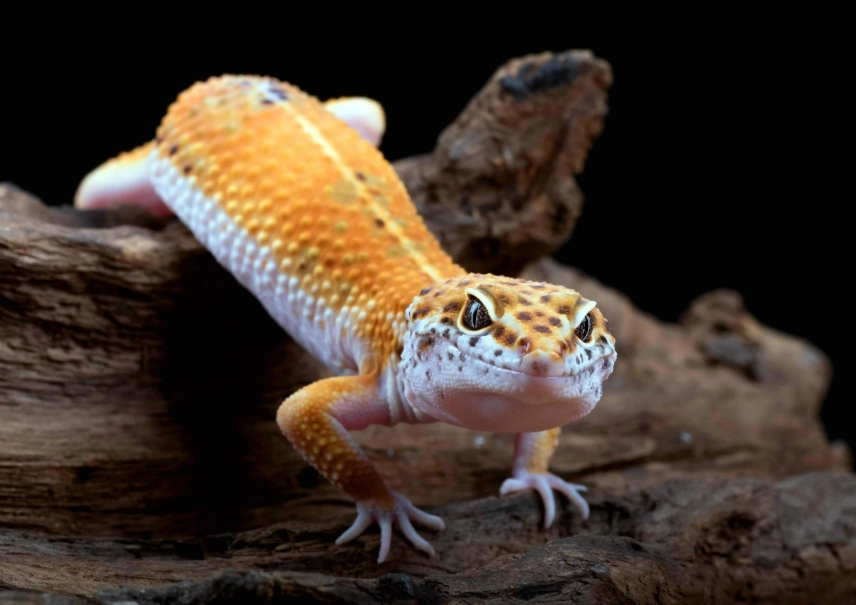
Think of it like dogs. All dogs are Canis familiaris. A wild-type leopard gecko is like a wolf—the original blueprint. A fancy leopard gecko is like a Poodle, a Dalmatian, or a Chihuahua. Same species, wildly different looks because we've selected for specific traits. This is a crucial point that isn't always made clear.
I made the mistake early on of assuming a more expensive morph meant a "better" or healthier gecko. Not true. I've seen stunning, expensive morphs from poor breeders with health issues, and perfect, vibrant "normal" geckos from passionate hobbyists. The price tag often reflects rarity and demand, not quality of life.
The Main Attraction: A Tour of Popular Fancy Leopard Gecko Morphs
This is where it gets fun. The variety is staggering. To make sense of it, let's group some of the most common and eye-catching morphs you'll see labeled as fancy leopard geckos. Remember, many geckos are combos of two or more of these morphs!
| Morph Name | Key Visual Characteristics | Notes & My Experience |
|---|---|---|
| High Yellow | Intense, saturated yellow background color with reduced black spotting. | The classic "starter" fancy morph. Relatively common and affordable. Really makes the yellow pop. |
| Mack Snow | Black-and-white or grey-and-white pattern. Babies are banded, often changing as they age. | Extremely popular. I find their contrast stunning. The "Super" form is almost pure white. |
| Tangerine | Vibrant orange coloration, especially on the body and head. | The intensity varies wildly. A high-quality tangerine can look like a living ember. Poor ones look washed out. |
| Blizzard | No pattern. Colors range from pure white to grey to yellow. Often have solid black eyes. | The minimalist's choice. Can be prone to "blizzarding out" (turning darker) with age, which some dislike. |
| Rainwater Albino | One of the three albino strains. Peach, pink, and lavender hues with red/pink eyes. | Critical: Albinos are light-sensitive. They need shaded hides and less bright light. A common oversight. |
| Enigma | Unique, asymmetrical splotching and speckling. Often have "patternless" areas. | Comes with a serious health warning: many suffer from Enigma Syndrome, a neurological issue. I advise caution. |
| RAPTOR | (Red-eyed Patternless Tremper Orange) Striking patternless orange body with solid red eyes. | A designer combo morph. Shows how breeders mix traits. Usually pricey but a real showstopper. |
See what I mean? The world of fancy leopard gecko morphs is deep. And this table just scratches the surface. There are also morphs that affect texture, like the scaleless "Silkback," which I personally don't recommend for beginners due to specific shed-related care needs.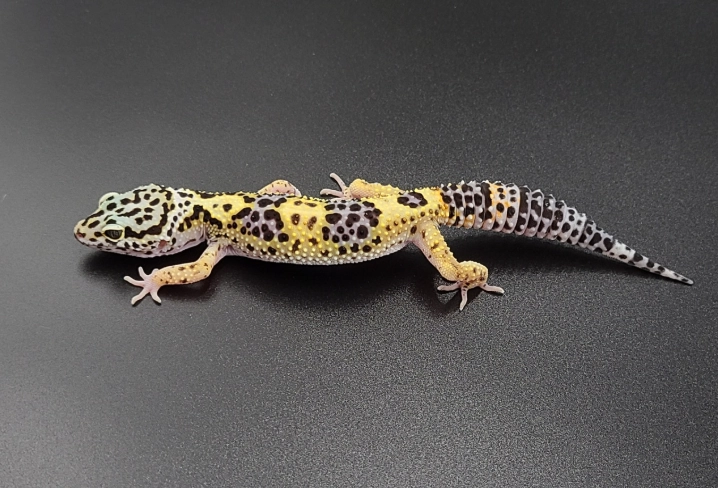
The morph is the fun part. But the care is what keeps them thriving.
No Compromises: Fancy Leopard Gecko Care Essentials
Here's the good news: caring for a fancy leopard gecko is no harder than caring for a normal one. They have the same needs. The bad news? Many sellers gloss over these needs, focusing only on the color. Don't be that owner. Get the basics rock solid.
Setting Up the Perfect Home
A 20-gallon long tank is the minimum for one adult. Bigger is always better. They are terrestrial, so floor space beats height. The single most important thing in that tank is the temperature gradient.
- Warm side: 88-92°F (31-33°C) via an under-tank heater on a thermostat. This is non-negotiable for digestion.
- Cool side: 70-77°F (21-25°C).
- Nighttime: Can drop to the low 70s. No colored "night" bulbs needed.
You'll need at least three hides: one on the warm side (over the heat mat), one on the cool side, and one humid hide in the middle to help with shedding. For substrate, paper towel is the safest for beginners. I'm not a fan of loose sand, especially for juveniles—impaction risk is real.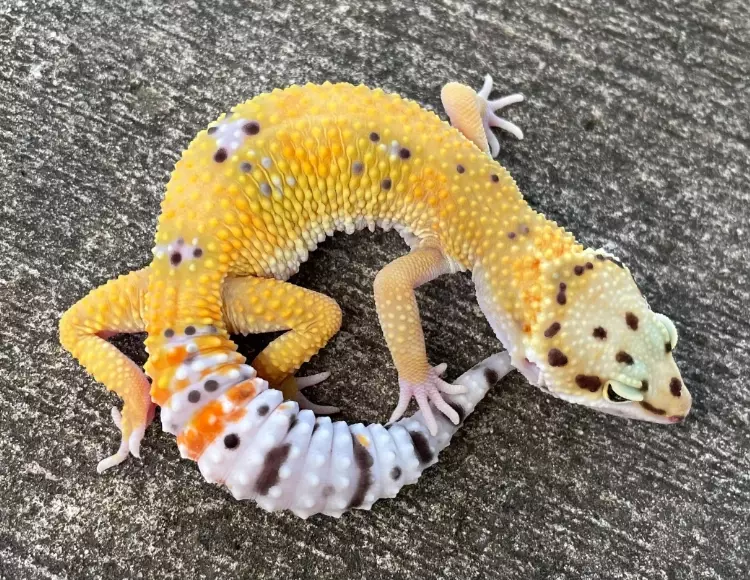
What's on the Menu?
They are insectivores. Crickets, dubia roaches, mealworms, and black soldier fly larvae are all great staples. The golden rule? Gut-load the insects with healthy veggies 24 hours before feeding, and dust them with supplements.
- Calcium (without D3): A small dish left in the enclosure at all times.
- Calcium (with D3): Dusted on food once a week.
- Multivitamin: Dusted on food once a week (on a different day than D3).
Young geckos eat daily, adults every other day. A common mistake is overfeeding. A fat leopard gecko isn't a healthy one; it's a gecko at risk for fatty liver disease.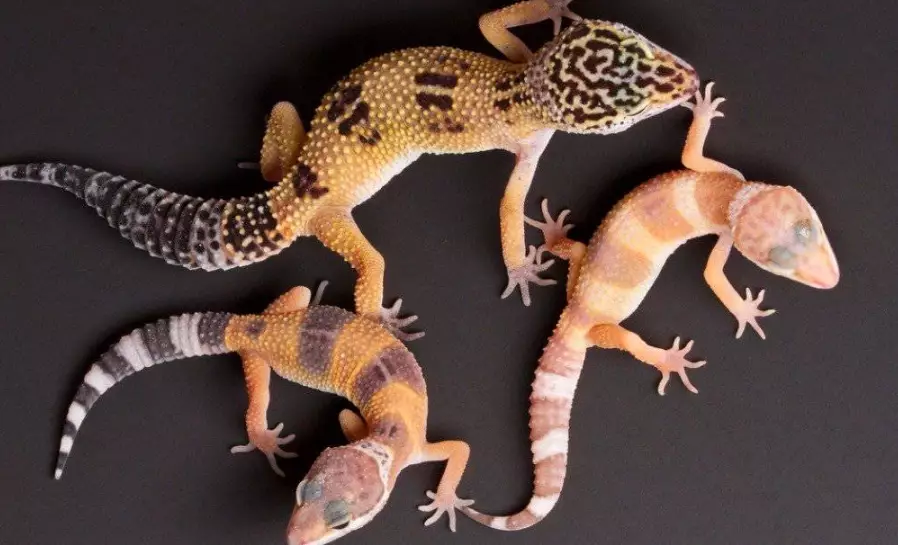
Watch Out For: Albinos and other light-sensitive morphs. Their eyes are more sensitive. Avoid bright, white basking lights and opt for gentle under-tank heating as the primary heat source. I learned this the hard way when my first albino spent all its time hiding.
Choosing Your Fancy Leopard Gecko: A Buyer's Guide
So you're ready to bring one home. Where do you look? Pet stores, reptile expos, and online breeders. I strongly lean towards specialized breeders or expos. Why? Health and knowledge.
A good breeder can tell you the exact morph genetics (is it heterozygous for something?), the gecko's hatch date, and its feeding history. A big-box pet store often can't. At an expo, you can see the animal in person. Look for these signs of a healthy fancy leopard gecko:
- Alert and bright-eyed: Should be curious, not lethargic.
- Full tail: The tail is the fat store. A plump, rounded tail is a sign of good health. A skinny, pinched tail is a major red flag.
- Clear skin and vents: No stuck shed, especially on toes. The vent (cloaca) should be clean.
- Straight limbs: No signs of Metabolic Bone Disease (MBD), like bent arms or a wobbly jaw.
Don't be shy. Ask questions. "What have you been feeding it?" "Can I see it move?" "Are there any known health issues in this morph line?" A responsible seller welcomes these questions.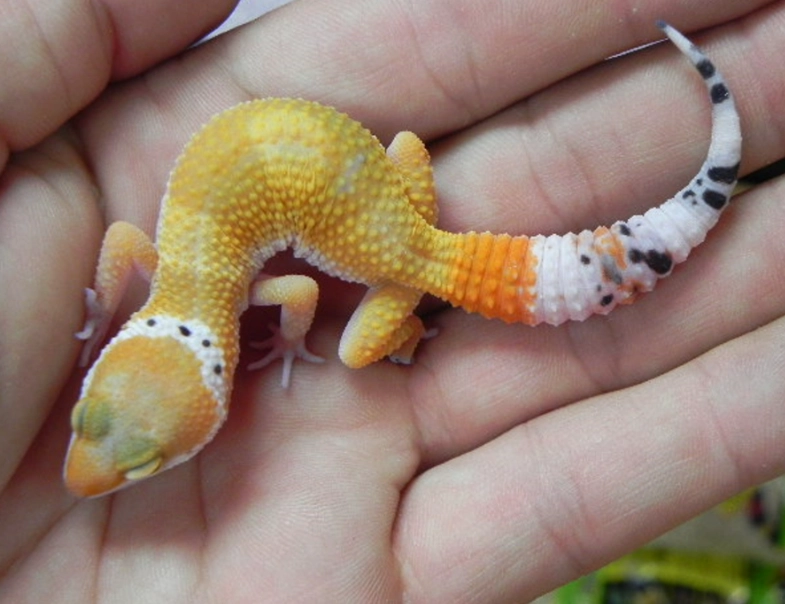
Health and Common Issues: Keeping Your Fancy Friend Thriving
Leopard geckos are generally hardy, but problems can arise. Most are preventable with proper care.
Shedding Problems (Dysecdysis): Low humidity is the usual culprit. That's why the humid hide is critical. If shed gets stuck, especially on toes, a warm soak can help. Never pull it off.
Impaction: Caused by eating substrate or overly large insects. Symptoms include lethargy and a lack of bowel movements. Prevent it with proper substrate and prey size.
Metabolic Bone Disease (MBD): A heartbreaking, crippling disease from lack of calcium and/or D3. Symptoms include rubbery jaw, bowed legs, and tremors. It's 100% preventable with proper supplementation. Please, don't skip the calcium dust.
Enigma Syndrome (ES): Specific to the Enigma morph. It's a neurological disorder causing star-gazing, circling, and loss of coordination. Severity varies. It's a big reason I'm hesitant about that morph for casual keepers.
For any serious health concern, find a vet who specializes in reptiles. The Association of Reptilian and Amphibian Veterinarians (ARAV.org) has a find-a-vet tool. Bookmark it now.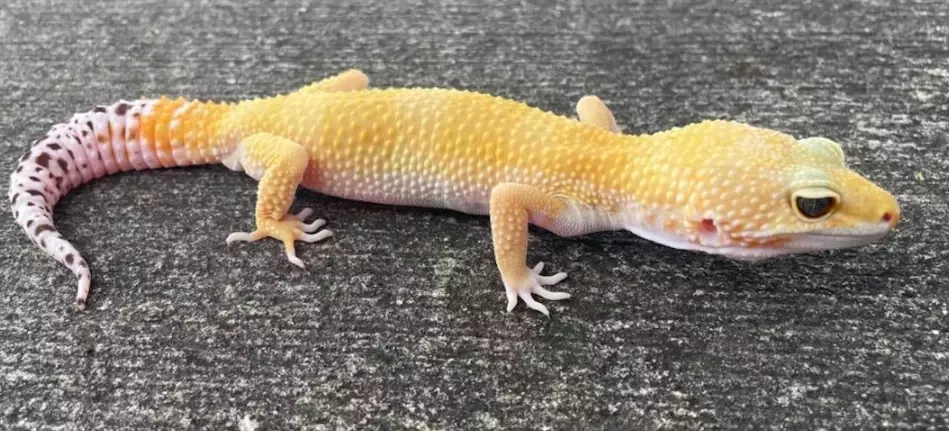
The Final Word: Is a Fancy Leopard Gecko Right for You?
If you're prepared for a 15+ year commitment, can provide the specific heat and diet they need, and have done your homework on the morph you love, then absolutely. The joy of watching a healthy gecko hunt, explore, and eventually settle comfortably in your hand is special.
But don't get the morph just because it's rare or expensive. Get it because you love how it looks and you understand its needs. The most rewarding part of this hobby isn't owning the rarest fancy leopard gecko; it's providing such excellent care that your gecko thrives and shows its full, beautiful color for years to come.
Start with a healthy animal from a good source. Nail the basics—heat, humidity, food, supplements. Everything else, including the awe you'll feel every time you see your unique pet, will follow.
My first gecko was a "cheap" normal. I loved her to bits. My current one is a fancy tangerine. I love him just as much, not for his color, but for his personality. The fancy part is just a bonus. Focus on the health and the husbandry first. The color is the reward for getting everything else right.
For ongoing care tips and community support, reputable sources like Reptiles Magazine and the care sheets on the American Veterinary Medical Association site offer science-backed advice to complement your journey.
Reader Comments