In This Guide
- What Exactly Is a Ghost Spider?
- Spotting a Ghost Spider: A Quick Identification Checklist
- Ghost Spider vs. The Usual Suspects: Don't Get It Twisted
- Why You Might Want to Keep Them Around
- Addressing the Elephant in the Room: Are They Dangerous?
- Living With (or Gently Relocating) Your Ghost Spiders
- Digging Deeper: The Fascinating Biology of Ghost Spiders
- Your Ghost Spider Questions, Answered
- A Final, Personal Thought
Let's be honest, the name "ghost spider" sounds way cooler than it looks. You're probably picturing something spectral, maybe floating through walls. The reality? It's that pale, impossibly leggy spider you've seen a hundred times in your basement, garage, or that forgotten corner of the bathroom. It hangs upside down in a messy, chaotic web that looks like it was built in a hurry. For years, I just called them "daddy long-legs," like everyone else, until I learned that was wrong and a whole can of arachnid confusion. That's the thing about ghost spiders – they're everywhere, but most of us know nothing about them.
And that's a shame. Because once you get past the initial creep factor (admit it, those legs are something else), they're one of the most harmless and downright useful roommates you could ask for. This isn't just some feel-good spin. I used to be the person who'd panic and grab a shoe. Now? I point them out to my kids as our tiny, in-house pest control squad. This guide is everything I wish I'd known back then.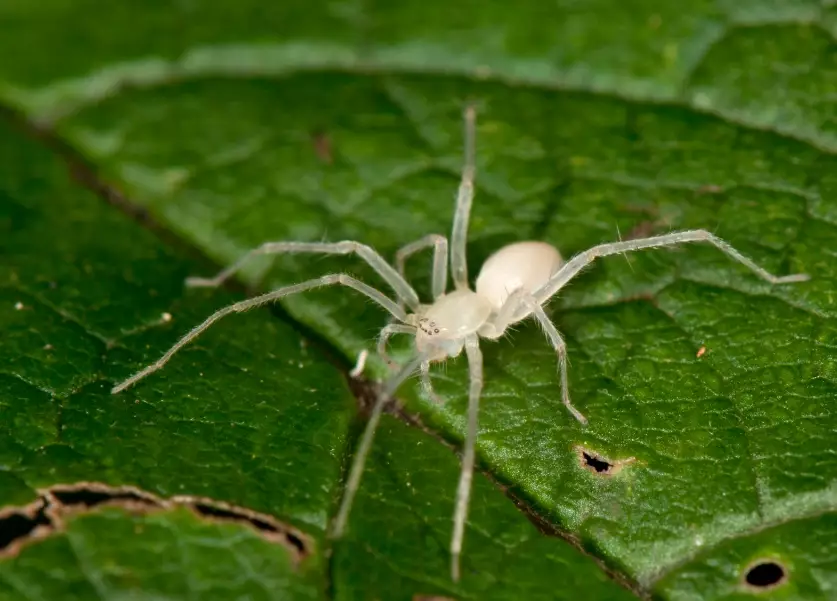
What Exactly Is a Ghost Spider?
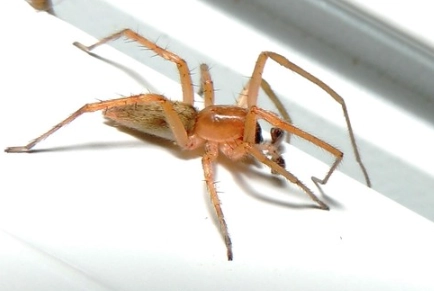
First, let's clear up the major mix-up. When people say "ghost spider," they're almost always talking about spiders from the family Pholcidae. The most famous, global traveler of the bunch is Pholcus phalangioides, the long-bodied cellar spider. But here's where it gets messy. The true common name "ghost spider" actually belongs to a different family altogether (Anyphaenidae), which are hunting spiders that don't build webs to catch prey. They're also pale, hence the name. But language is about what people use, and for 99% of folks searching online, "ghost spider" means that wispy web-weaver in the cellar.
So for this guide, we're going with the common usage. We're talking about Pholcid spiders, the masters of the messy web. They've hitched rides with humans across the planet, so whether you're in New York, London, or Sydney, you've probably got a few as neighbors.
Spotting a Ghost Spider: A Quick Identification Checklist
How do you know it's a ghost spider and not something else? Look for these giveaways:
- The Body: Small, cylindrical, and peanut-shaped. It's a pale beige, grey, or light brown color – that's the "ghost" part. It almost looks translucent.
- The Legs (The Main Event): This is their signature feature. Extremely, almost comically long and thin. They can be 5-6 times the length of the body. When disturbed, they'll often vibrate rapidly in their web, becoming a blurry, hard-to-target smudge. Clever, right?
- The Web: Forget the elegant, spiral orb webs. A ghost spider's web is an irregular, three-dimensional tangle. It's haphazard, loose, and often has bits of dust and debris caught in it. They build them in quiet, undisturbed corners.
- Posture: They hang upside-down in the center of their web, body close to the ceiling or wall.
I remember trying to describe one to a friend: "It looks like someone drew a spider with a pencil, then smudged it with an eraser." Not the most scientific description, but it gets the point across.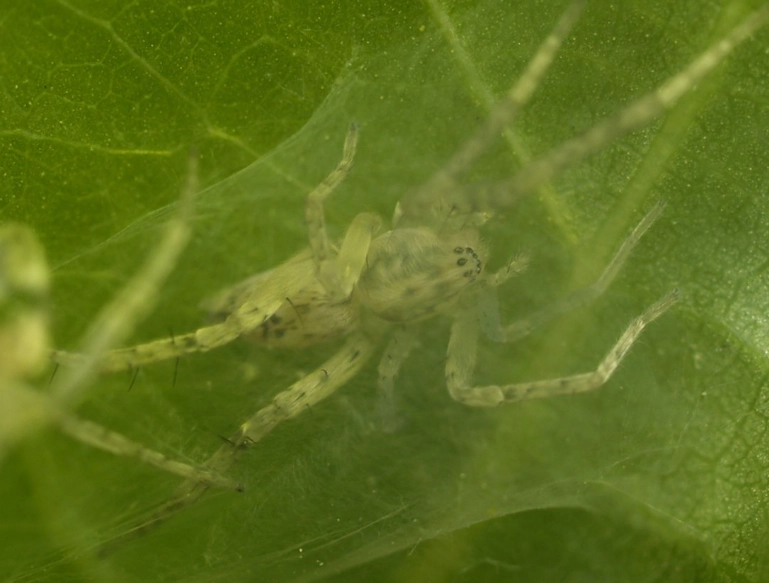
Ghost Spider vs. The Usual Suspects: Don't Get It Twisted
This is crucial. Misidentifying spiders causes unnecessary fear. Let's break down the common confusions.
The Daddy Long-Legs Debacle
This is the big one. "Daddy long-legs" can refer to three different creatures: Harvestmen (Order Opiliones, which aren't spiders), Crane Flies (insects that look like giant mosquitoes), and yes, Cellar Spiders (ghost spiders). Harvestmen have one oval body segment, no silk, and are often found walking on walls. Ghost spiders have two body parts and live in webs. Totally different.
The Brown Recluse Scare
This is the mix-up that causes the most panic. In areas where brown recluses live, people often mistake long-legged cellar spiders for them. It's a bad mistake. Here’s a quick comparison to keep on hand:
| Feature | Ghost Spider (Cellar Spider) | Brown Recluse Spider |
|---|---|---|
| Color | Pale beige, grey, almost translucent | Uniform tan to dark brown |
| Legs | Extremely long and thin, delicate | Long, but sturdy and hairy |
| Body Marking | No distinct markings | Dark, violin-shaped marking on head |
| Eyes | 8 eyes in two small groups | 6 eyes in three pairs (unique!) |
| Web | Messy, loose, tangled cobweb | Irregular, off-white, sheet-like |
| Behavior | Hangs in web, vibrates when scared | Shy, hides in dark, undisturbed spots |
See? Not even close. If your spider is pale with gangly legs in a dusty web, it's a harmless ghost spider. The University of Minnesota's Entomology Department has excellent resources debunking common brown recluse misidentifications.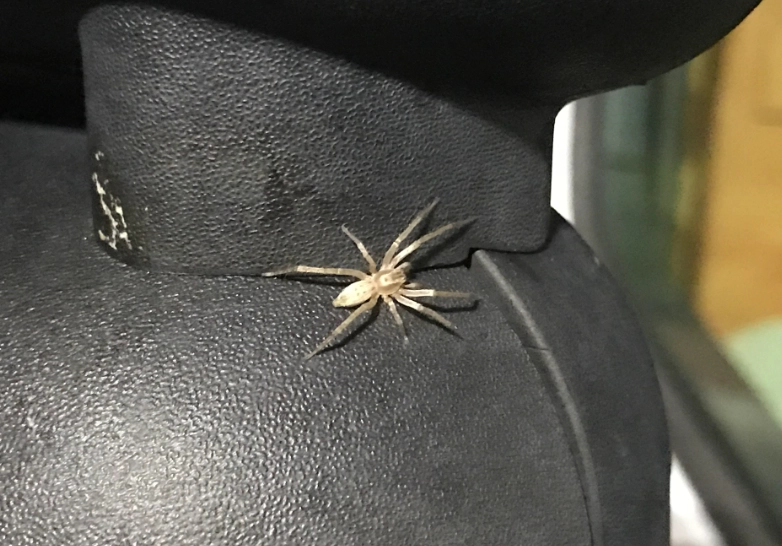
Why You Might Want to Keep Them Around
This is the part that changed my mind. Ghost spiders aren't just passive squatters; they're active, voracious predators. Think of them as a free, non-toxic pest control service.
Their diet is a rogues' gallery of household pests:
- Mosquitoes: Yes, really. A spider hanging near a window or light can snag these buzzing nuisances.
- Moths: Clothes moths and pantry moths are on the menu.
- Ants: Foraging worker ants can wander into the wrong neighborhood.
- Earwigs, Silverfish, and Small Beetles: All fair game.
- Other Spiders: This is the wild part. Ghost spiders are known to hunt and eat other spiders, including black widows, house spiders, and even other ghost spiders. They're the mob bosses of the corner cobweb world.
Their hunting technique is pretty clever. That loose, messy web isn't a design flaw. It's a trap designed to be almost invisible to flying and crawling insects. When something gets entangled, the ghost spider quickly wraps it in silk with those long legs, keeping a safe distance, before delivering the final bite.
I had a persistent problem with small, annoying flies in my kitchen one summer. I noticed a ghost spider had set up shop in the top corner of the window. I decided to leave it alone as an experiment. Within a week, the fly population dropped noticeably, and the spider looked…plumper. It was hard to argue with results.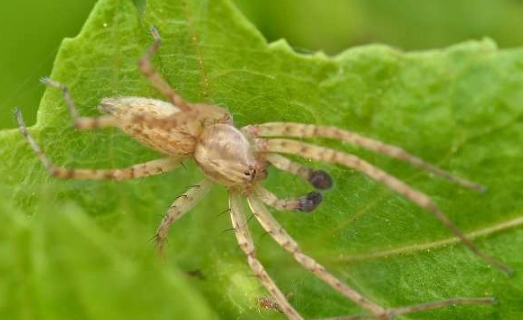
Addressing the Elephant in the Room: Are They Dangerous?
Short answer: No. Not to humans or pets.
Longer answer: They are physically capable of biting if you literally squeeze them against your skin, but it's astronomically rare. Their fangs are small. Even if a bite occurred, their venom is not medically significant to humans. You might feel a tiny, fleeting pinprick at most. There are no verified cases of a Pholcus spider causing a medically important reaction. The real risk from ghost spiders is the heart attack you might give your significant other when they see one dangling over the bathtub.
Their defense mechanism is that frantic vibrating I mentioned. It's meant to make them a blurry, confusing target for predators. For us, it just makes them look even spookier.
Living With (or Gently Relocating) Your Ghost Spiders
Okay, so you appreciate their pest control skills, but you don't want a colony in your living room. Fair enough. The goal is management, not eradication.
If You Want to Coexist:
- Choose Your Battles: Let them be in low-traffic areas like basements, garages, crawl spaces, and shed corners. They're quiet tenants that pay rent in dead bugs.
- Dusting: Regularly dusting and vacuuming corners, ceilings, and behind furniture removes webs and encourages them to set up shop elsewhere (like the garage you never clean).
If You Need to Relocate One:
The cup-and-card method is the gold standard. It's simple:
- Take a clear cup and a stiff piece of paper or card.
- Slowly place the cup over the spider on the wall/ceiling.
- Slide the card carefully between the wall and the cup's rim, trapping the spider inside.
- Carry it outside to a sheltered spot (like a porch, shed, or dense shrub) and release it.
I find they're less jumpy than other spiders. Those long legs are more for sensing than for sprinting. Just go slow and be gentle.
What NOT to Do:
- Don't use broad-spectrum insecticide sprays on them. It's overkill, introduces unnecessary chemicals into your home, and kills all the beneficial insects too.
- Don't smash them. It's messy (that long body) and, honestly, a bit cruel when relocation is so easy.
Digging Deeper: The Fascinating Biology of Ghost Spiders
If you're still reading, you might be getting oddly interested in these creatures. I get it. Once you start looking, they're pretty cool.
Family Life and Baby Ghost Spiders
The female carries her round, pale egg sac in her jaws. She doesn't leave it in the web; she holds it constantly. When the spiderlings hatch, they stay in the mother's web for a short time before dispersing. You might see what looks like one big spider surrounded by dozens of tiny specks – that's the family. It's a vulnerable time for her, which is why she's so protective.
That Crazy Vibration Behavior
Scientists call it "whirling" or "gyrating." The purpose is debated, but the main theories are: 1) To blur their image and confuse predators (like a bird or a wasp). 2) To entangle potential threats (like a larger, dangerous spider) in their web. Imagine trying to fight in a room full of invisible rubber bands. Pretty smart defense for such a fragile-looking animal.
Global Citizens
Pholcus phalangioides is believed to be native to the Mediterranean or Asia but has spread worldwide through human trade. They thrive in the stable climates of our homes. The Australian Museum's species profile notes its successful colonization of that continent as well.
From a niche cave-dweller to a global apartment dweller. Not a bad success story.
Your Ghost Spider Questions, Answered
A Final, Personal Thought
Writing this made me look at the ghost spider in my own boiler room differently. I went down and checked on him. Still there, hanging in his shabby little web. I used to see something creepy. Now I see a sophisticated little predator, a master of vibration, a global hitchhiker, and a free exterminator for the moths that try to eat my sweaters.
Are they beautiful in the classic sense? No. Their design is more "functional minimalist." But they are fascinating. The next time you see one of these pale, long-legged ghosts in the corner, maybe give a little nod of appreciation instead of reaching for the vacuum. They've earned their keep in the ecosystem of our homes, doing a dirty job we'd otherwise have to use chemicals for. That's a roommate worth keeping, even if the rent they pay is in dead mosquitoes.
And if you absolutely can't stand the sight, just use the cup. It's easier for everyone.
Reader Comments