Explore the Guide
So you're thinking about getting a blue whites tree frog. Or maybe you just saw a picture of that big, smiling, bright green frog online and fell down a rabbit hole. I get it. That's exactly how it started for me, years ago. I walked into a reptile expo, saw a tank full of what the vendor called "dumpy frogs," and was completely hooked by their calm, almost dopey expression. But here's the thing – that common name, "blue whites tree frog," is actually a bit of a misnomer that pops up all the time. It's usually a misspelling or mishearing of their proper common name, the White's tree frog (or the Australian green tree frog). Scientifically, they're Litoria caerulea. The "blue" might come from a rare color morph or just a persistent typo online, but it's led to a lot of confusion for new owners.
Let's clear that up right from the start. When you search for "blue whites tree frog," you're almost certainly looking for information on the classic White's tree frog. And if you're considering one as a pet, you've come to the right place. This isn't just a list of dry facts. I've kept these frogs for a long time, made my share of mistakes (like thinking a smaller tank would be fine... it wasn't), and learned what truly makes them thrive. This guide is for anyone who wants to skip the guesswork and give one of these amazing amphibians the best life possible.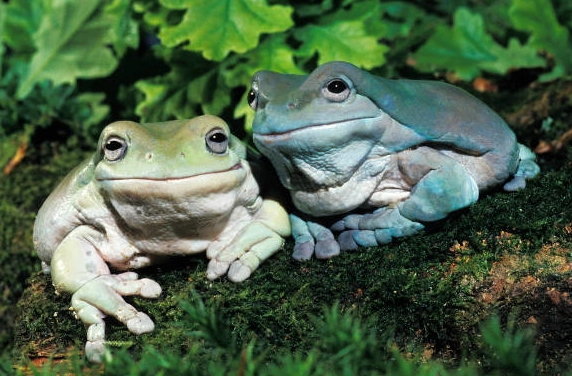
What Exactly Is a Blue Whites Tree Frog? Getting the Facts Straight
Before we dive into tanks and temperatures, let's really understand the animal. Knowing its natural history isn't just trivia; it tells you exactly what it needs to be happy in your home.
The Look: More Than Just Green
The classic White's tree frog is that iconic apple or lime green. But their color can change based on temperature, humidity, and even mood, ranging from a dark olive brown to a very bright, almost yellow-green. They have a distinctive fatty ridge over each eye that makes them look sleepy or wise, depending on your perspective. Their skin has a slightly waxy texture, which helps them retain moisture. And their toes? Perfect little suction cups for climbing glass and leaves. You'll rarely see the "blue" version – it's an exceptionally rare genetic morph, not the standard. So if a seller is advertising a "blue whites tree frog" at a standard price, be skeptical.
Personality and Behavior (Yes, Frogs Have Personality)
This is where they shine compared to many other amphibians. White's tree frogs are known for being remarkably calm and tolerant of handling (though it should still be minimal). They are nocturnal, so your main interaction will be in the evening when they become active – hunting, climbing, and sometimes just sitting in their favorite spot. I've found them to be curious. One of my frogs, which I uncreatively named Buddy, would always move to the front of the tank to watch me work at my desk in the evenings. They aren't social in a mammalian sense, but they often do well in small groups if the space is large enough. Just don't mix sizes – a larger frog will see a smaller one as food.
Size and Lifespan: A Long-Term Commitment
These are substantial frogs. Females get larger than males. A well-cared-for White's tree frog can easily live 15 to 20 years in captivity. That's a longer commitment than many dogs. I mention this first because it's the most important thing to consider. Are you ready for a pet that might still be with you in two decades?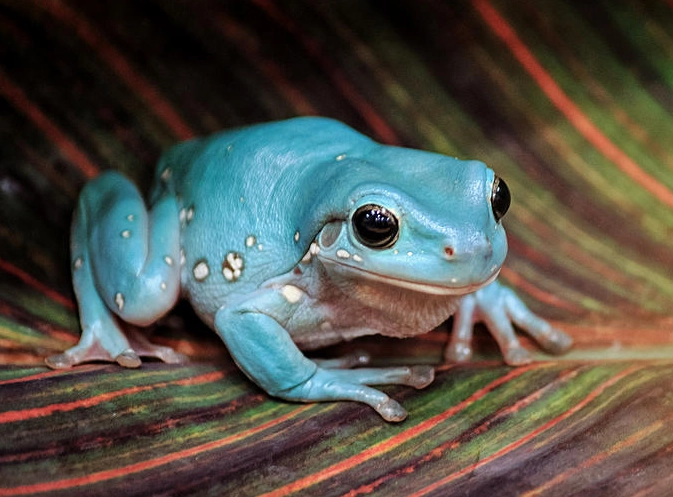
| Life Stage | Typical Size | Notes |
|---|---|---|
| Froglet (newly morphed) | 1 - 1.5 inches | Extremely delicate, requires tiny food (fruit flies). |
| Juvenile | 1.5 - 2.5 inches | Growing rapidly, needs frequent feeding. |
| Adult Male | 3 - 4 inches | Generally more slender, develops a dark nuptial pad on the "thumb." |
| Adult Female | 4 - 5 inches | Larger and rounder, especially when gravid (full of eggs). |
Setting Up the Perfect Home: Your Frog's Palace
This is where most first-time owners, myself included, either cut corners or overcomplicate things. The goal is to replicate the key parts of their Australian and New Guinean rainforest habitats: warmth, humidity, climbing space, and security.
The Tank: Go Vertical
White's tree frogs are arboreal. They live in trees. A tall tank is non-negotiable. A standard 20-gallon tank is the absolute minimum for one frog, but it feels cramped. For one or two frogs, I strongly recommend starting with a 30-gallon tall (24" x 12" x 24") or larger. More space means better temperature gradients, more enrichment, and a happier frog. The front-opening terrarium styles are fantastic because you don't disturb the environment from above, which they can perceive as a predator. Screen tops are essential for ventilation to prevent stagnant, moldy air.
Heat and Light: Creating a Comfortable Climate
They don't need blazing heat, but they do need a gradient.
- Temperature: Aim for a daytime ambient temperature of 75-85°F (24-29°C) with a slight drop at night to 70-75°F (21-24°C). You achieve this with a low-wattage heat bulb or a ceramic heat emitter on one side of the tank, controlled by a thermostat. Never use hot rocks.
- Lighting: They don't have strict UVB requirements like reptiles, but studies and many advanced keepers (including resources from the AmphibiaWeb database) suggest low-level UVB lighting (like a 5.0 or 2.0 bulb) can be beneficial for calcium metabolism and overall health. At the very least, provide a regular day/night cycle with a simple LED plant light or room ambient light.
Humidity and Water: The Moisture Balance
This was my biggest learning curve. Too dry, and they struggle to shed. Too wet with poor ventilation, and you get bacterial or fungal infections. Target a humidity range of 50-70%. It should spike higher after misting and then gradually fall.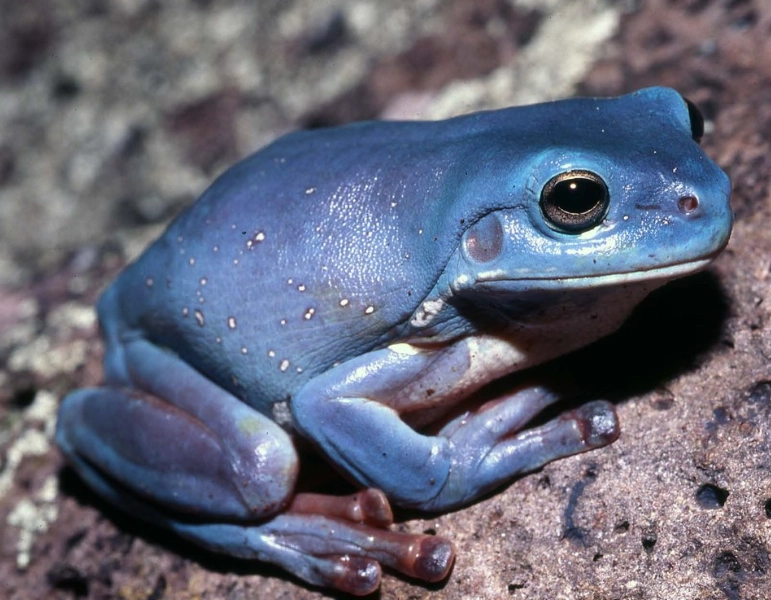
- Use a digital hygrometer (the analog dial ones are often inaccurate).
- Mist the tank heavily once or twice daily with dechlorinated water. A misting system is a great investment if you travel.
- Provide a large, shallow water bowl for soaking. Change it daily. They absorb water through their skin and will often poop in it, so cleanliness is crucial.
Substrate and Decor: Building a Jungle Gym
The floor and walls of the tank need to be functional and safe.
Substrate Options:
- Top Choice: A bioactive mix (coconut fiber, orchid bark, sphagnum moss) with a clean-up crew (springtails, isopods). This manages waste and looks fantastic.
- Simple Choice: Plain coconut fiber or reptile soil. Avoid gravel, sand, or small bark chips that can be accidentally ingested.
- Easy-Clean Choice: Reptile carpet or paper towel. Boring but safe, especially for quarantine or sick frogs.
Climbing Decor: This is critical. Use plenty of branches, cork bark rounds/tubes, and sturdy live or artificial plants (like Pothos or Philodendron, which are hardy and safe). Create multiple levels and hiding spots. A background (cork or foam) gives the frog more surface area and makes them feel secure.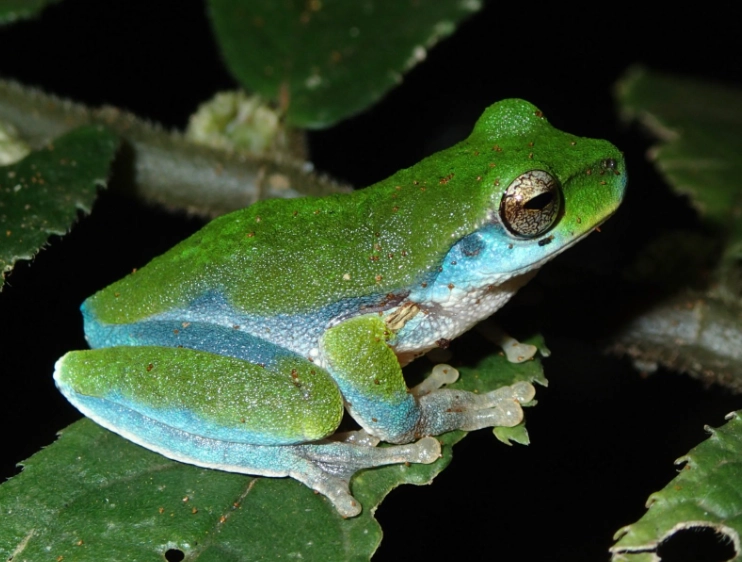
The Day-to-Day: Feeding and Maintenance
Okay, the palace is built. Now, how do you keep the king or queen happy and healthy?
What to Feed Your Blue Whites Tree Frog
They are insectivores with big appetites. The key is variety and proper nutrition.
- Staple Diet: Gut-loaded crickets, dubia roaches, and discoid roaches are excellent staples. "Gut-loading" means feeding the insects nutritious foods (like carrots, sweet potato, commercial bug food) 24-48 hours before feeding them to your frog.
- Treats: Hornworms (great for hydration), silkworms, and the occasional waxworm or butterworm (these are fatty, like candy).
- Size Matters: Food should be no wider than the space between the frog's eyes.
The Critical Supplementation Schedule
Insiders alone aren't enough. You must dust the insects with supplements to prevent Metabolic Bone Disease (MBD), a common and fatal condition in captive frogs.
| Supplement Type | Frequency (for Adults) | Purpose |
|---|---|---|
| Calcium (with Vitamin D3) | Once a week | Bone health, prevents MBD. |
| Multivitamin | Once every other week | Provides essential vitamins and minerals not found in insects. |
| Calcium (without D3) | Can be used on other feedings if using UVB light | Safer option if the frog is synthesizing its own D3 from UVB. |
For growing juveniles, dust with calcium more frequently, like 2-3 times a week and multivitamins once a week.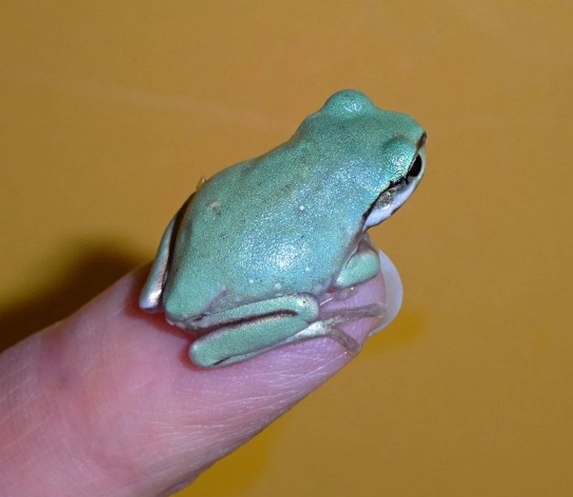
Cleaning Routine
Spot clean feces and dead insects daily. Change the water bowl daily. Every 2-4 weeks, do a deeper clean: remove all decor and substrate (if not bioactive), wash the tank and decor with a reptile-safe disinfectant or a dilute vinegar solution, rinse extremely well, and replace with fresh substrate. A bioactive setup drastically reduces this deep cleaning frequency.
Keeping Your Frog Healthy: Spotting Trouble Early
White's tree frogs are stoic. They hide illness very well until it's advanced. Regular, quiet observation is your best tool.
Common Health Issues
- Red-Leg (Bacterial Dermatosepticemia): A serious bacterial infection. Symptoms include pink/red discoloration on the belly and legs, lethargy, and loss of appetite. Requires immediate veterinary care. Often caused by dirty conditions or stress.
- Metabolic Bone Disease (MBD): Caused by lack of calcium/D3. Symptoms include a soft, rubbery jaw, difficulty climbing, bowed limbs, and tremors. It is preventable with proper supplementation.
- Chytridiomycosis: A deadly fungal disease. Symptoms include lethargy, shedding problems, and loss of appetite. It's a global amphibian crisis. Always quarantine new animals for at least 30-60 days and buy from reputable breeders. Organizations like Amphibian Ark have extensive resources on this threat.
- Impaction: From eating substrate or oversized food. Symptoms include bloating and not defecating. Prevent by feeding in a clean area or using tongs.
- Skin Issues: Retained shed (looks like patches of dry, gray skin) is usually a humidity issue. Abrasions can get infected.
Quarantine is Non-Negotiable
If you ever get a new frog, reptile, or even plants from an unknown source, they must go into a separate, simple quarantine tank for a minimum of 30 days, with separate tools for cleaning. This is the single best practice to prevent introducing disease to your established pets. It's boring but essential.
Finding and Choosing Your Frog
Don't just buy the first blue whites tree frog you see. A healthy start is everything.
- Source: Seek out reputable breeders at reptile expos or online. Breeder frogs are generally healthier, acclimated to captivity, and less stressed than wild-caught imports. Ask the breeder about the frog's history, age, and feeding routine.
- Wild-Caught: I advise against it. They often carry parasites, are highly stressed, and their collection can impact wild populations.
- What to Look For: Clear, bright eyes. Smooth, moist skin without cuts or red patches. Alert and responsive (not listless). A rounded body (not emaciated). Able to climb without difficulty. Clear nostrils.
Your Blue Whites Tree Frog Questions, Answered
Here are the questions I've been asked most often over the years, the ones that keep popping up in forums and search engines.
Look, keeping a White's tree frog – the animal often mistakenly searched as the blue whites tree frog – is a genuinely enjoyable hobby. It connects you to a fascinating part of the natural world right in your living room. The initial setup takes effort and some investment, but once that ecosystem is humming, there's nothing quite like seeing your frog content, well-fed, and exploring its little jungle. They are resilient, personable, and beautiful creatures. Do your research, set up the right home first, and you'll have a companion for many, many years. Just remember, that "beginner" label comes with real responsibility. Treat it seriously, and the rewards are immense.
Got more questions? The community is great. Check out dedicated amphibian forums and the care sheets from trusted zoos, which often have the most scientifically sound and practical advice out there. Happy frog keeping!
Reader Comments