Your Quick Guide to Axolotl Care
Let's be honest, the first time you saw a picture of an axolotl, you probably did a double-take. That goofy, permanent smile. Those feathery, pink gills waving like a little crown. It looks like a Pokémon that decided to become real. I get it. I was there too, scrolling through pet forums a few years back, completely captivated. But here's the thing everyone selling you on the "easy pet" idea doesn't always mention: keeping an axolotl happy and healthy isn't just about dumping it in a fish tank. It's a commitment to understanding a truly unique creature. This isn't a hamster. It's an ancient, neotenic salamander with very specific needs. If you're thinking about getting one, or you just got one and are feeling a bit lost, stick around. This guide is the result of my own trial, error, and a lot of late-night research. We're going to cut through the cute memes and get into the nitty-gritty of what it really means to care for an axolotl.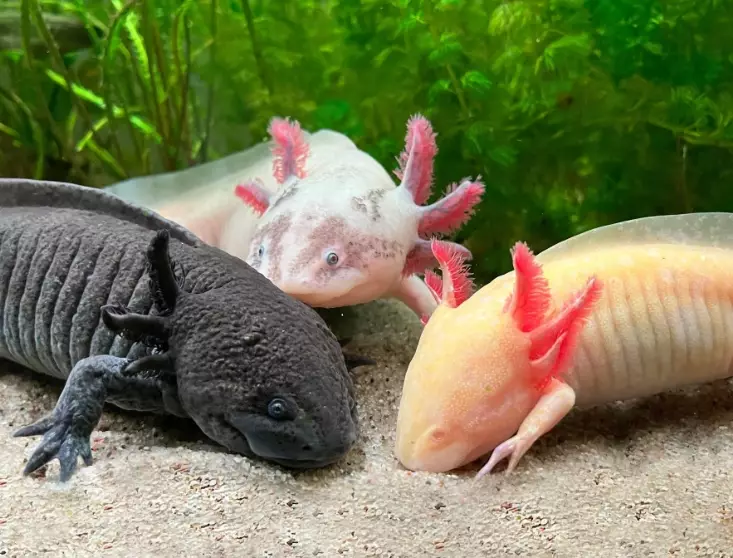
What Exactly Is an Axolotl, Anyway?
Before we talk about care, let's talk about the star of the show. The axolotl (pronounced ACK-suh-LAH-tuhl) is one of nature's great mysteries. Scientifically known as Ambystoma mexicanum, it's a type of salamander. But unlike most amphibians that go through metamorphosis—tadpole to frog, for example—the axolotl hits the pause button. It spends its entire life in its larval, aquatic form. This phenomenon is called neoteny. They keep their gills, their finned tail, and live permanently underwater. They never develop the lungs or leave the water to live on land like their tiger salamander cousins. Wild axolotls are native to only one place in the entire world: the lake complex of Xochimilco near Mexico City. And I say "are" cautiously, because in the wild, they are critically endangered. The ones we keep as pets are almost exclusively bred in captivity, which is a good thing. It means the pet trade isn't putting further pressure on the wild populations, whose struggles are detailed in sobering reports by the IUCN Red List of Threatened Species.
Fun (and Important) Fact: The axolotl's most famous superpower is its insane regenerative ability. Lose a leg? It'll grow back. Sustain damage to its heart or brain? It can repair significant portions. Scientists are intensely studying these creatures for clues that could advance human medicine. So, you're not just keeping a pet; you're hosting a tiny, smiling medical marvel.
The Non-Negotiables: Setting Up Your Axolotl's Home
This is where most first-timers slip up. You can't just use your old goldfish bowl. An axolotl's tank is its entire universe, and getting the environment wrong is the fastest route to a sick pet. I learned this the hard way when my first axolotl, Gilly, got stressed from water that was just a few degrees too warm. Let's break it down.
Tank Size and Layout
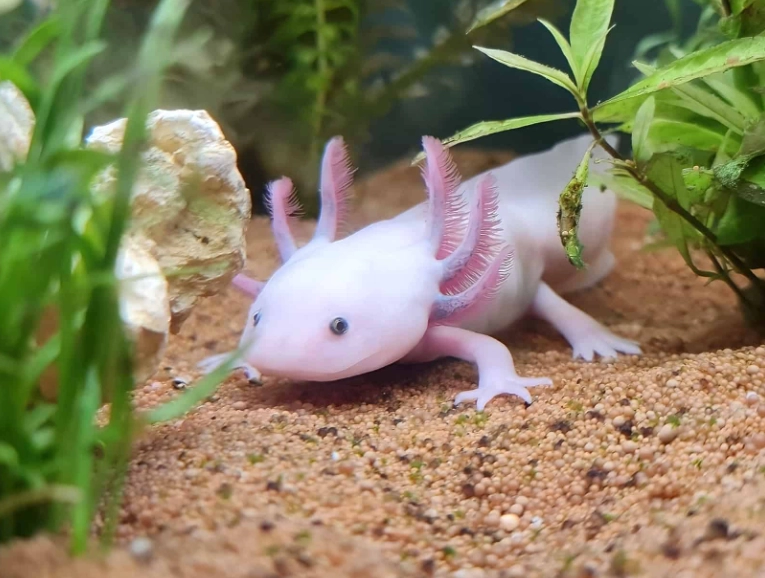
Bigger is always better. The absolute minimum for one adult axolotl is a 20-gallon long tank. I'd argue for 29 or 40 gallons as a better starting point. They aren't active swimmers, but they produce a lot of waste, and a larger water volume is more stable and easier to keep clean. The "long" part is crucial—they need floor space to walk around, not height to swim up and down. For substrate, you have two safe choices: bare bottom (easy to clean) or very fine, smooth sand. Never use gravel or small stones. Axolotls are vacuum feeders and will ingest them, leading to fatal impaction. I use super-fine pool filter sand, and it works great.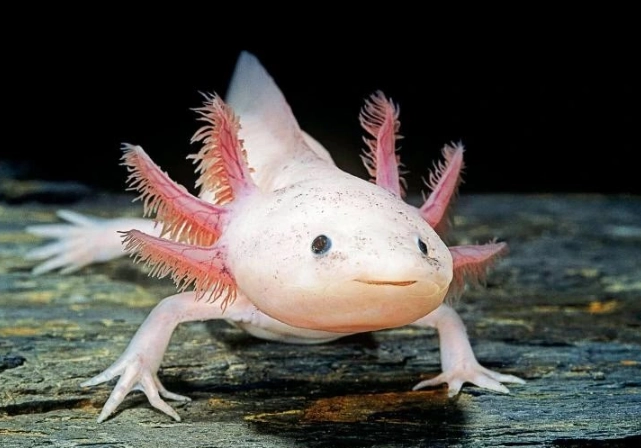
The Holy Trinity: Filtration, Temperature, and Water Quality
If you remember nothing else, remember these three things.
Filtration: You need a filter, but axolotls hate strong currents. They are lake-bottom creatures used to still water. A canister filter is the gold standard because it offers powerful mechanical and biological filtration without creating a torrent in the tank. Sponge filters are a fantastic, low-flow, and inexpensive option, especially for beginners. I started with a sponge filter and it kept the water crystal clear.
Temperature: This is the big one. Axolotls are cold-water animals. Their ideal temperature range is 60-64°F (16-18°C). They can tolerate up to about 68°F (20°C) for short periods, but anything consistently over 70°F (21°C) causes immense stress, suppresses their immune system, and can be lethal. In most homes, you will likely need a chiller, which is an expensive but essential piece of equipment. Fans blowing across the water surface can drop the temp a few degrees, but in summer, a chiller is non-negotiable. My biggest ongoing expense isn't food; it's the electricity for the chiller.
Water Quality: Axolotls are messy. You must cycle your tank (establish beneficial bacteria) before adding one. This process can take 4-8 weeks. Once cycled, you need to test the water weekly with a liquid test kit (not strips—they're inaccurate). Your targets: Ammonia 0ppm, Nitrite 0ppm, Nitrate under 20ppm. High nitrates will poison them. Regular partial water changes (20-30% weekly) are your best friend.
| Parameter | Ideal Range | Why It Matters | My Personal Tip |
|---|---|---|---|
| Temperature | 60-64°F (16-18°C) | Metabolism, immune function, stress levels. Too warm is the #1 killer. | Invest in a good aquarium thermometer. Don't guess. |
| pH Level | 6.5 - 8.0 | Stable pH is more important than a "perfect" number. Wild swings are harmful. | My tap water is 7.6, and my axies are fine. I don't mess with it. |
| Ammonia/Nitrite | 0 ppm | Highly toxic. Any reading above zero indicates an uncycled or crashed cycle. | If you see this, do a partial water change immediately and check your filter. |
| Nitrate | The end product of the cycle. Buildup is managed by water changes. | I do a water change whenever nitrates hit 20ppm. It's my weekly ritual. | |
| Water Flow | Very Low / Gentle | Strong currents stress them out, making them refuse food and hide. | Point filter outlets at the tank wall or use a spray bar to diffuse flow. |
Keeping Your Axolotl Fed and Happy
What do axolotls eat? In the wild, they're opportunistic bottom-feeders, eating worms, insect larvae, small fish, really anything that fits in their mouths. In captivity, we need to provide a balanced, nutritious diet. The good news is they're not picky eaters. The bad news is you have to be okay with handling live or frozen food.
Top Food Choices (Ranked from Best to Okay)
- Earthworms/Nightcrawlers: The absolute best staple diet. They're nutritionally complete, easy to digest, and promote good growth. You can buy them at bait shops or breed your own. Rinse them off before feeding. If they're too big, you can cut them. Yeah, it's a bit gross, but you get used to it.
- Axolotl Pellets: High-quality, sinking carnivore pellets are a great convenience food and good for variety. Make sure they are specifically formulated for axolotls or other carnivorous amphibians. Brands like Hikari have good options.
- Frozen Bloodworms & Brine Shrimp: Good as occasional treats or for young axolotls, but they're like junk food—not a complete diet for adults. Thaw a cube in tank water before feeding.
- Live Blackworms & Ghost Shrimp: Can be offered. Ghost shrimp can also act as tank cleaners. Just ensure any live food is from a safe source to avoid parasites.
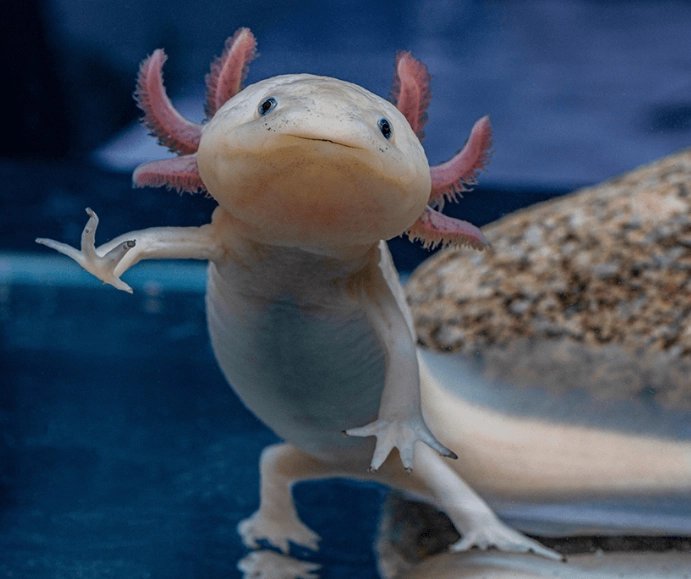
What NOT to feed: Avoid feeder goldfish or minnows. They are fatty, not nutritious, and can carry diseases or parasites that will attack your axolotl. I made this mistake once, and it led to a nasty parasite scare that required medication.
Feeding Tip: Use feeding tongs! It's cleaner, lets you place the food right in front of them, and prevents you from accidentally getting nipped (their teeth are tiny, but it can startle you). Feed adults 2-3 times a week. Juveniles need daily feeding. A good rule of thumb is to feed an amount roughly the size of their head.
Health Issues: What to Watch For
Even with perfect care, things can happen. Knowing the signs of a sick axolotl is crucial. Their regenerative powers are amazing, but they're not invincible.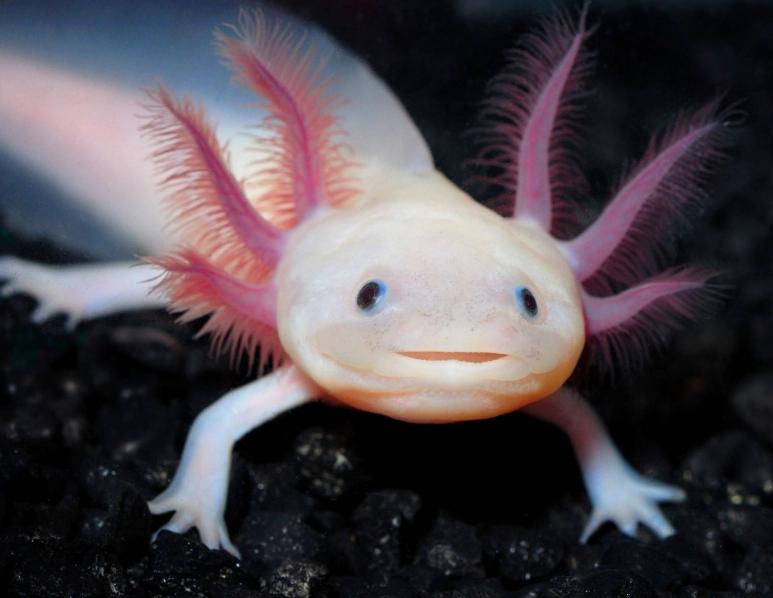
Stress: This is the root of most problems. Signs include curled gills (the feathery parts are bent sharply forward), a curled tail tip, loss of appetite, and frantic swimming. Check your water parameters and temperature first. Always.
Fungal Infections: Looks like white, cottony fluff on the gills, limbs, or body. It often sets in after an injury or in poor water conditions. It can be treated with salt baths or tea baths (using Indian Almond Leaves).
Impaction: If your axolotl is floating oddly, refusing food, and hasn't pooped, it might be impacted from swallowing gravel or a large piece of substrate. This is a veterinary emergency. Prevention (using sand or bare bottom) is key.
Ammonia/Nitrate Poisoning: Red, inflamed skin or gills, gasping at the surface, lethargy. Test your water and perform a large, immediate water change with dechlorinated water.
For serious or persistent health issues, you need a veterinarian who specializes in exotic pets or amphibians. A regular dog-and-cat vet won't have the expertise. It's worth finding one before you have an emergency. Resources like the Association of Reptilian and Amphibian Veterinarians (ARAV) can help you locate one.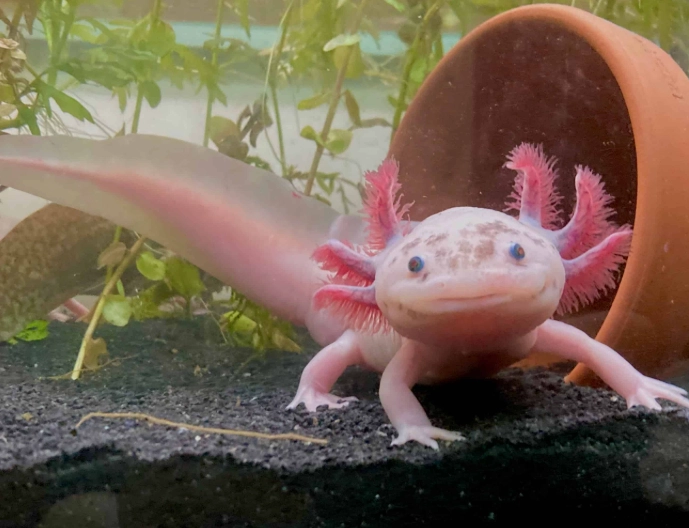
Common Axolotl Questions (The Stuff You're Actually Searching For)
- Leucistic: Pink/white body with black eyes (the classic pink one).
- Wild Type: Dark greenish-black with speckles.
- Golden Albino: Gold/Yellow body with pinkish eyes.
- Melanoid: All black, no shiny speckles.
- Axanthic: Grey body with black eyes. Care is identical for all.
The Bottom Line: Is an Axolotl the Right Pet for You?
Let's get real for a second. Axolotls are incredible, but they are not low-maintenance "beginner" pets. They are intermediate-level aquatic pets with very specific, non-negotiable requirements. The initial setup cost is significant (tank, filter, chiller, test kits, etc.). They require consistent, weekly maintenance. You have to be comfortable with handling live worms.
But if you're willing to put in the work, the reward is unique. There's something incredibly peaceful about watching them slowly patrol their tank, their gills waving softly. They have distinct personalities—some are bold and come to the front for food, others are shy. Watching them "yawn" or clumsily snap at a worm never gets old.
If you're committed, start by researching reputable breeders. Avoid pet chains if possible. A healthy, captive-bred axolotl from a good breeder is your best bet for a long-lived pet. Ask questions, see pictures of the parents and setup. A good breeder cares where their animals go.
My journey with axolotls started with a blurry online photo and has turned into a deeply rewarding hobby. It forced me to learn about water chemistry, biology, and patience. If your goal is to provide a proper home for one of these smiling amphibians, I hope this guide gives you the honest, detailed roadmap I wish I'd had. Do your homework, set up the tank correctly from day one, and you'll be rewarded with years of fascination from one of nature's most resilient and curious creatures. Just remember, that cute face comes with a big responsibility.
Reader Comments