Your Essential Guide to Golden Axolotl Care
- What Exactly Is a Golden Axolotl, Biologically Speaking?
- Your Golden Axolotl Shopping Guide: What to Look For and What to Avoid
- The Non-Negotiable Tank Setup: Building a Golden Palace
- Feeding Your Golden Axolotl: From Worm to Gourmet
- Common Health Issues: Spotting Trouble Early
- Breeding Golden Axolotls: Not For The Faint of Heart
- Frequently Asked Questions (The Real-World Stuff)
- Final Thoughts: Is a Golden Axolotl Right For You?
You've seen the pictures, right? Those adorable, frilly-gilled, permanently smiling aquatic creatures that look like they walked straight out of a cartoon. And the golden ones, with their pale, almost luminous skin and pinkish-gold gills, they really catch the eye. I remember the first time I saw one in a local aquarium store, just floating there looking curiously at me. I was hooked. But between that moment and actually bringing one home, there was a lot to learn. A golden axolotl isn't your typical goldfish. Getting their care wrong isn't just disappointing; it can be fatal for them. So let's talk about everything you need to know, from what they actually are to how to give them the best life possible. No fluff, just the real stuff you need.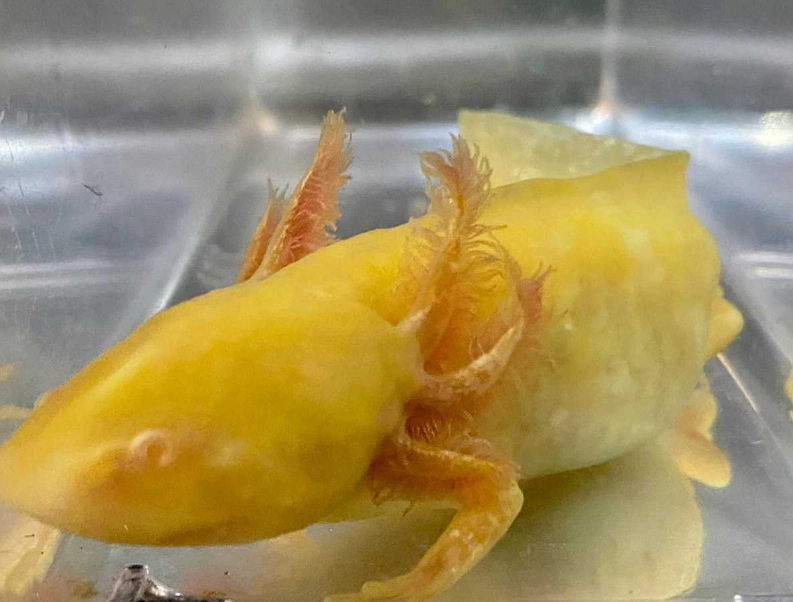
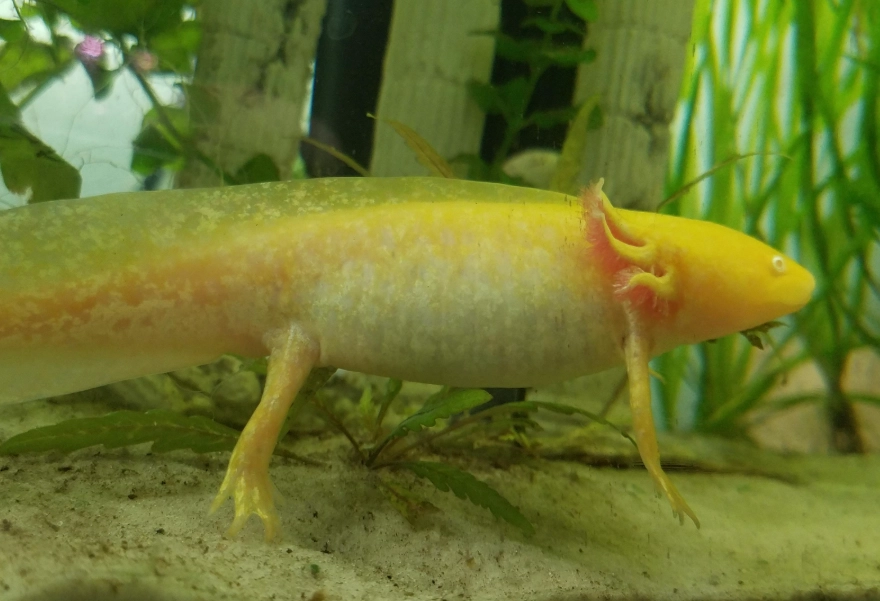
First things first, let's clear up a big point of confusion. Is a golden axolotl a different species? Nope. It's just a color variant of the regular old axolotl (Ambystoma mexicanum). Think of it like blonde hair in humans. It's a specific genetic makeup that affects their pigment. The technical term for their color is "leucistic" – they have reduced dark pigment but keep their other colors, which gives them that pale body with golden or pinkish tones and those stunning, often dark-eyed, features. It's what makes a golden axolotl so visually striking compared to the wild-type dark ones.
What Exactly Is a Golden Axolotl, Biologically Speaking?
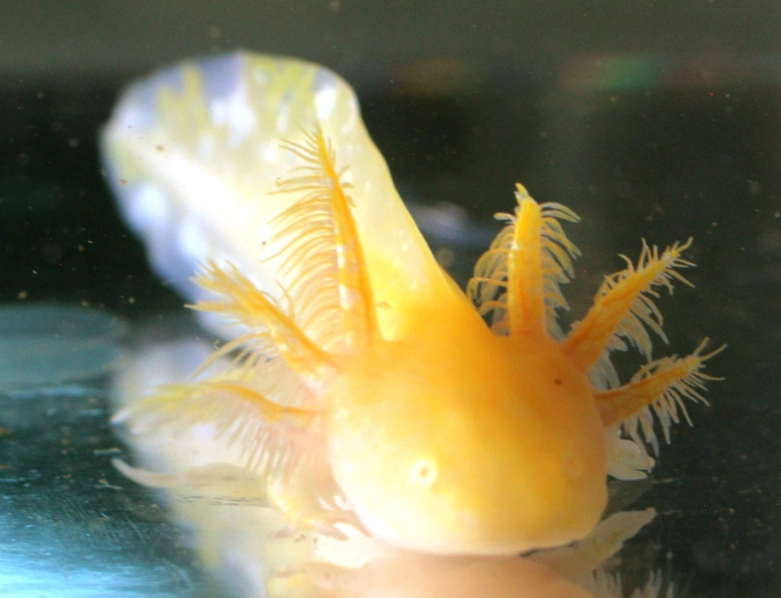
Okay, science time, but I'll keep it painless. Axolotls are neotenic. That's a fancy word meaning they reach sexual maturity and spend their entire lives in their larval, aquatic form. They never undergo the typical metamorphosis that other salamanders do to become land-dwellers. That's why they keep their feathery external gills and remain fully aquatic. It's a super cool evolutionary trick. The golden color comes from a recessive genetic mutation. Both parents need to carry the gene for a baby to come out golden. This is why they're less common than the wild types and can sometimes carry a slightly higher price tag.
Fun fact: Because of their incredible ability to regenerate lost limbs, tails, jaws, and even parts of their heart and brain, axolotls are studied extensively in scientific research. The golden axolotl, with its lighter pigment, can make internal structures slightly easier to observe in some studies.
Their native home is a tiny, specific place: the lake complex of Xochimilco near Mexico City. And I say "is" loosely, because wild axolotls are critically endangered due to pollution, habitat loss, and introduced fish species. Pretty much every golden axolotl you'll ever see for sale is captive-bred, which is a good thing. It takes pressure off the wild populations. You can read more about their wild habitat and conservation status on the Mexican Ministry of Environment and Natural Resources (SEMARNAT) website, or check the IUCN Red List entry for Ambystoma mexicanum for the sobering details. It really puts responsible pet ownership into perspective.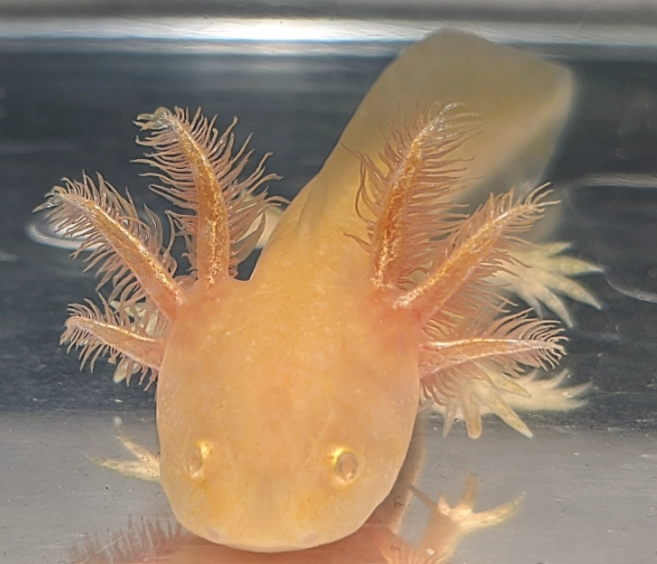
Your Golden Axolotl Shopping Guide: What to Look For and What to Avoid
So you're decided. You want one of these golden guys. Where do you start? The source matters a lot. A healthy start is everything.
Red Flags in a Seller or Axolotl: Fluffy white stuff on gills or body (fungus), missing gills that look shredded, a very skinny body (the belly should be about as wide as the head), lethargy, floating uncontrollably, or any visible sores. A good seller will answer all your questions about water parameters and diet without hesitation.
You have a few options for where to buy. Reputable specialty aquarium stores sometimes have them. Online breeders are a huge source; just do your homework, read reviews, and ask for recent pictures or videos of the actual animal. I made the mistake of buying from a generic pet store once, early on. The axolotl was stressed, the water was warm, and it didn't end well. Never again. I now only go to dedicated breeders I've vetted.
Price. Let's talk money. A standard golden axolotl can range from $30 to $70 for a juvenile, depending on size and lineage. Fancy morphs with extra sparkle or specific traits cost more. But here's the real talk: the animal is the cheapest part of this hobby. The tank, filter, chiller (you'll likely need one), food, and decor will cost several times more. Budget for the setup first.
The Non-Negotiable Tank Setup: Building a Golden Palace
This is where most beginners slip up. You can't just plop them in a fish bowl. Their environment needs to be just right.
Tank Size and Water Fundamentals
Bigger is always better. A single adult golden axolotl needs a minimum of a 20-gallon long tank. Not a tall one, a long one. They walk on the bottom, they don't swim up and down much. A 29-gallon or 40-gallon breeder is even better, gives them room to roam and makes water quality easier to manage. For two, start at 40 gallons minimum. They produce a lot of waste.
Now, the golden rules of axolotl water:
- Temperature: This is the #1 killer. Cold. Water. Aim for 60-64°F (16-18°C). 68°F (20°C) is the absolute max for long-term health. Higher temps stress them, suppress their immune system, and can lead to fungal infections. In most homes, you will need an aquarium chiller. Fans over the tank can drop it a few degrees, but a chiller is the only reliable way. My first summer without one was a constant battle with ice bottles. Never again.
- Filtration: They need clean water but hate strong currents. A canister filter is the gold standard—powerful filtration with adjustable flow. Sponge filters are a great, gentle option too, especially in smaller tanks. The filter should be rated for a tank larger than yours to handle their bio-load.
- Substrate: Controversial topic! Bare bottom is safest and easiest to clean. But it looks sterile and can stress them if they can't grip. The best compromise? Very fine sand (like pool filter sand). Anything they can accidentally swallow must be smaller than their head. Never use gravel. It's a deadly impaction risk.
- Hiding Places: Axolotls are ambush predators but also get stressed by too much light. They need caves, PVC pipes, terracotta pots, or commercial hides to feel secure. A stressed golden axolotl is an unhealthy one.
Warning on Tankmates: The general rule is: don't. Fish can nip their gills, and axolotls will try to eat anything that fits in their mouth, often with messy results. The only semi-reliable tankmates are other axolotls of similar size and temperament, and even then, you need a huge tank and backup plans for separation.
The Essential Equipment Checklist
Here’s a quick table to break down what you need to buy before your golden axolotl arrives. Trust me, doing a "fish-in" cycle with an axolotl is a nightmare.
| Item | Why It's Critical | Personal Recommendation / Note |
|---|---|---|
| Tank (20L min.) | Living space. More water = more stable parameters. | Go for the 40-gallon breeder if you have space. You won't regret it. |
| Lid / Cover | Axolotls can, and will, jump. Especially during feeding. | Mesh lids are great for gas exchange. |
| Filter (Canister or Sponge) | Removes waste, hosts beneficial bacteria. | I love the quietness of canisters, but sponges are cheaper and simpler. |
| Aquarium Chiller | Maintains safe, cool temperatures year-round. | This is non-optional for most people. It's a big upfront cost but saves vet bills. |
| Water Test Kit (Liquid, not strips) | To monitor Ammonia, Nitrite, Nitrate, pH. | API Freshwater Master Kit is the community standard. Strips are inaccurate. |
| Water Conditioner | Removes Chlorine/Chloramine from tap water. | Any brand that neutralizes chloramine is fine. |
| Sand Substrate (Optional) | Provides grip and a more natural look. | CaribSea Super Naturals Moonlight Sand is a popular, safe choice. |
| Hides & Decor | Security and enrichment. No sharp edges. | Terracotta pots (sealed holes) are cheap and perfect. |
| Turkey Baster | The #1 tool for spot-cleaning poop. | Seriously, get one. It's a lifesaver. |
Feeding Your Golden Axolotl: From Worm to Gourmet
Axolotls are carnivores. They don't eat flakes or pellets as a primary diet. You need to offer them meaty, nutritious foods.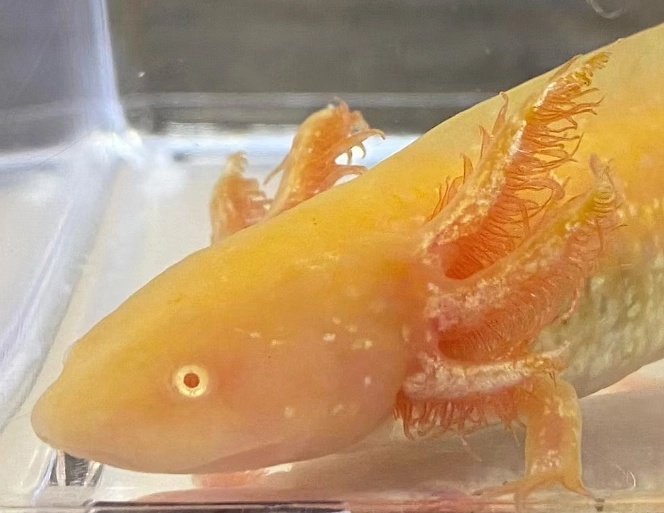
Here's the menu for a healthy golden axolotl:
- Earthworms/Nightcrawlers: The absolute best staple food. Nutritious and they love them. Rinse them off first.
- Axolotl Pellets: High-quality, sinking carnivore pellets are a good staple or supplement. Ensure they are soft enough.
- Salmon Pellets: Often used for trout/salmon farming, they are a good, cheap alternative.
- Frozen Bloodworms: A tasty treat, but not a staple. Like feeding candy.
- Occasional Treats: Small pieces of raw shrimp, lean chicken heart (rarely).
How much? Feed juveniles daily, adults every other day. A good rule is to offer food until the belly is slightly rounded, but not distended. Remove uneaten food after 15 minutes. Feeding is also a great time to bond with your pet. They learn to recognize you!
Common Health Issues: Spotting Trouble Early
Even with perfect care, things can go wrong. Knowing the signs is half the battle.
The Big Three Problems:
1. Fungus: Looks like cotton growing on gills or body. Often caused by stress or poor water quality (usually warm water).
2. Impaction: They stop eating, may float oddly, and can't poop. Caused by swallowing gravel, large stones, or sometimes just a big piece of food.
3. Ammonia/Nitrite Poisoning: Red, inflamed gills, lethargy, curling of gill filaments. A sign of a crashed cycle or overfeeding.
Most health problems are linked to water quality or temperature. Fix the environment first. For fungus, many keepers use tea baths (pure black tea, no additives) as a gentle antifungal. For serious impaction, a fridge method (cooling them to slow metabolism) can help, but a vet visit is often needed. Speaking of vets, find an exotic vet who has experience with amphibians before you have an emergency. They are rare.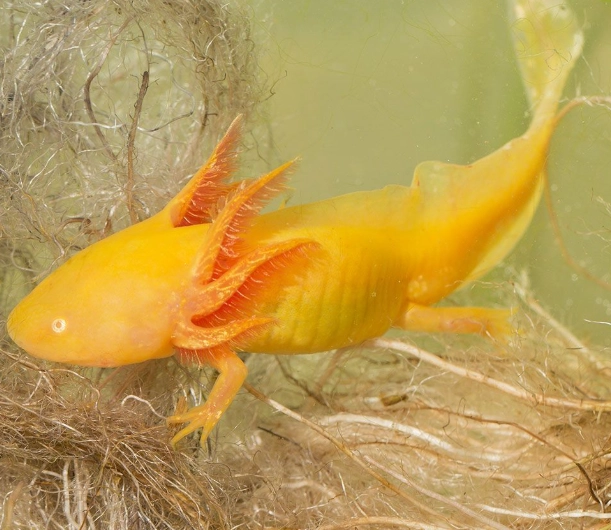
Breeding Golden Axolotls: Not For The Faint of Heart
I'm not going to sugarcoat it: breeding axolotls is a massive commitment. You need separate, cycled tanks for the male and female, a breeding tank, and then hundreds of gallons of space and thousands of live baby brine shrimp for the resulting hundreds (or thousands) of larvae. It's a full-time job for weeks. Do it for the right reasons (conservation, improving a line), not just to make a quick buck. The golden axolotl morph is recessive, so breeding two goldens will yield all golden babies, which is a neat genetic lesson.
Frequently Asked Questions (The Real-World Stuff)
Final Thoughts: Is a Golden Axolotl Right For You?
Look, a golden axolotl is an incredible, fascinating pet. Watching mine explore its tank, "smile" at me during feeding, and just be its weird, wonderful self is a daily joy. But it's not a low-maintenance pet. It's a commitment to cold, clean water and a specific lifestyle for over a decade.
If you're willing to invest in the proper setup (especially that chiller), commit to regular water testing and maintenance, and feed a proper diet, you'll be rewarded with a truly unique and engaging companion. If you're looking for a pet you can cuddle or put in a small tank on a whim, this isn't it.
Do your research beyond this article. The Caudata.org forums are an invaluable resource packed with experienced keepers. Start with a fully cycled tank, buy from a good breeder, and be prepared to learn as you go. Good luck with your journey into the world of the golden axolotl!
Reader Comments