So you've seen pictures of a Chinese scrub axolotl. That pale, almost ghostly body with those incredible, feathery "scrub brush" gills. It's mesmerizing. I get it. I've been keeping axolotls for over a decade, and the allure of unique morphs like this never fades. But here's the raw truth most care sheets won't tell you: this isn't just a "white axolotl." Its specific traits demand a more nuanced approach. This guide cuts through the generic advice. We'll cover exactly what a Chinese scrub axolotl is, how to set up a bulletproof tank, and the subtle mistakes that can make the difference between a thriving pet and a struggling one.
What You'll Learn in This Guide
What Exactly is a Chinese Scrub Axolotl?
Let's clear up the name first. "Chinese scrub" isn't a scientific classification. It's a descriptive term used by breeders and hobbyists. It refers to an axolotl (Ambystoma mexicanum) that displays two key traits: a very light, often leucistic or albino body color, and exceptionally long, densely branched external gills that resemble a bottle brush or scrubber.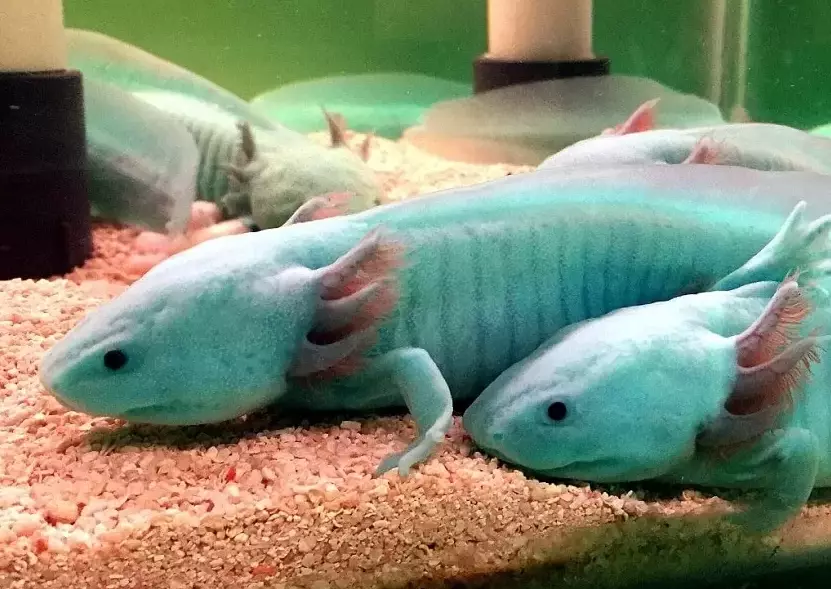
The "Chinese" part is a bit of a mystery—it might reference a specific breeder's line or a stylistic nod. The important part is the "scrub" gills. These aren't just for show. They indicate an animal with highly efficient oxygen uptake, but they're also more delicate. I've noticed my scrub-gilled axolotls are often the first to show signs of irritation if the water flow is too high or if there's any debris in the tank.
Key Takeaway: Think of a Chinese scrub axolotl as a premium leucistic/albino morph with a spotlight on its magnificent gills. Their care is 95% standard axolotl protocol, but that extra 5% is all about protecting those gills and managing their light sensitivity.
Genetically, they're typically leucistic (pinkish-white with dark eyes) or albino (golden-white with red/pink eyes). Their conservation status is the same as all axolotls: critically endangered in the wild in their only native habitat, the lake complex of Xochimilco near Mexico City. Every pet axolotl is part of a captive-bred population, which is why proper care is a form of stewardship. Organizations like the Axolotl Conservation Network work on preserving the wild species.
How to Set Up the Perfect Chinese Scrub Axolotl Tank
Getting the environment right from the start prevents 80% of future problems. I've helped countless newcomers fix tank issues, and it almost always traces back to the initial setup.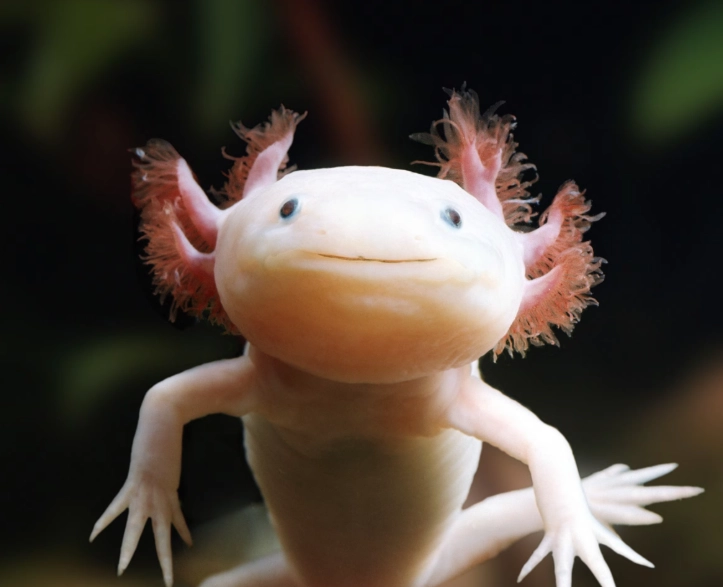
Tank Size and Why Bigger is Safer
Forget the 10-gallon minimum you might read. For a single adult Chinese scrub axolotl, a 20-gallon long tank is the absolute starting point. I strongly recommend 29 or 40-gallon breeders. Why? More water volume dilutes waste, leading to more stable water parameters. These are large, messy amphibians. A bigger tank is more forgiving of minor mistakes, and it gives them ample floor space to roam. For two axolotls, you need at least a 40-gallon tank, no debate.
The Non-Negotiables: Filtration and Temperature
This is where I see the most failures. Axolotls produce a lot of waste but hate strong currents. Their gills get battered.
Filtration: You need a filter rated for at least twice your tank's volume. A canister filter is the gold standard (like a Fluval 307 for a 40-gallon). Sponge filters are excellent, too, especially for smaller tanks, but you may need two. The goal is powerful biological filtration with minimal outflow current. I always attach a spray bar to my canister output and point it at the tank wall to diffuse the flow.
Temperature: This is the silent killer. Chinese scrub axolotls, like all axolotls, are cold-water animals. The ideal range is 60-64°F (16-18°C). They can tolerate 58-68°F for short periods. Anything consistently above 70°F (21°C) causes immense stress, suppresses their immune system, and promotes bacterial growth. In most homes, you will need an aquarium chiller. Fans can drop the temp a few degrees, but a chiller is the only reliable tool for summer months. I learned this the hard way with my first axolotl years ago before chillers were common—it's not a risk worth taking.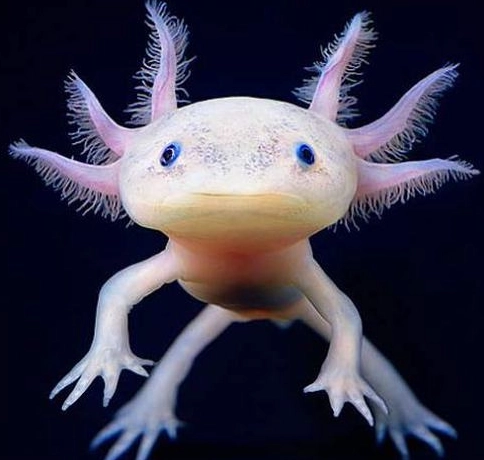
| Equipment | Recommendation for a 40-Gallon Tank | Why It's Critical |
|---|---|---|
| Filter | Canister Filter (e.g., Fluval 407) or Dual Sponge Filters | Handles high bioload without creating harmful currents that damage delicate "scrub" gills. |
| Cooling | Aquarium Chiller (e.g., 1/10 HP model) | Maintains a safe, stable temperature year-round. Non-negotiable in warm climates or heated homes. |
| Substrate | Fine Sand or Bare Bottom | Prevents impaction. Gravel or large stones are a severe ingestion hazard. |
| Lighting | Very Low-LED or Ambient Room Light | Axolotls are nocturnal and have no eyelids. The light color of "scrub" morphs makes them more light-sensitive. |
| Hiding Places | 2-3 Large PVC pipes, Ceramic caves, Smooth terracotta pots | Reduces stress by providing secure, shaded cover. Essential for their wellbeing. |
Substrate and Decor: Safety First
Bare bottom tanks are easiest to clean, but fine sand (like pool filter sand) is safe and allows natural foraging. The sand particles must be so fine they pass through the axolotl if ingested. Never use gravel, pebbles, or any substrate larger than 1mm. Impaction is a common, preventable cause of death. Decor must be smooth—no sharp edges that can tear their delicate skin or gills. Live plants like Java Fern or Anubias are great (attach them to decor), but be prepared for some digging.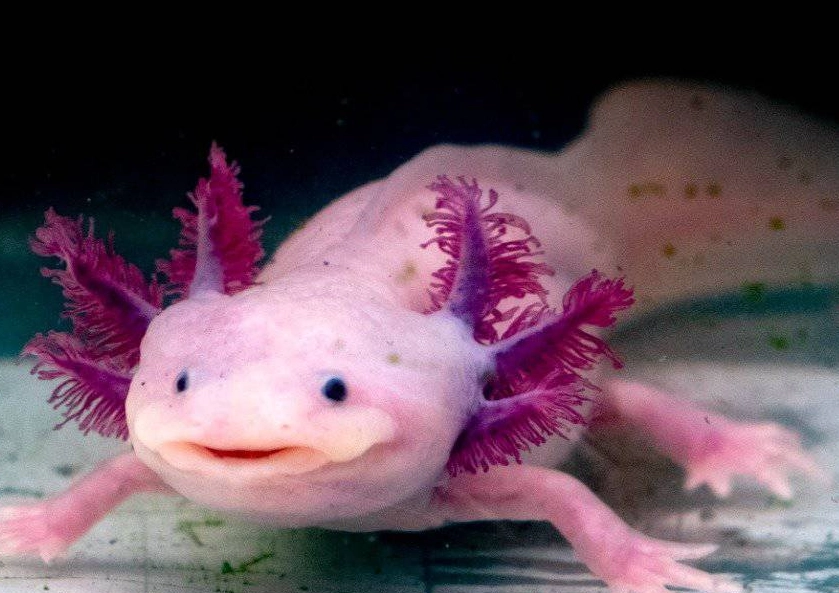
Mastering Water Quality (The #1 Priority)
If you remember one thing, let it be this: water quality is everything. An axolotl lives in its waste. Their skin and gills are directly exposed to everything in the water. For a Chinese scrub axolotl, with its light coloration and elaborate gills, poor water quality shows up fast as redness, gill shrinkage, or fungal growth.
You must cycle your tank completely before adding the animal. This means establishing colonies of beneficial bacteria that convert toxic ammonia (from waste) into nitrite, and then into less harmful nitrate. This process takes 4-8 weeks. Use a liquid test kit (API Freshwater Master Test Kit is the standard) to track it.
Once cycled, here are your target parameters:
- Ammonia (NH3): 0 ppm. Any detectable level is an emergency.
- Nitrite (NO2): 0 ppm. Also highly toxic.
- Nitrate (NO3): Under 20 ppm. Managed through weekly partial water changes (20-30%).
- pH: Stable between 6.5 and 8.0. Rapid pH swings are dangerous.
- GH/KH (Hardness): Moderate hardness is beneficial for osmoregulation.
The biggest mistake I see? People doing massive, infrequent water changes. This shocks the system. Smaller, consistent weekly changes are far better. Always treat tap water with a dechlorinator that also neutralizes chloramines (like Seachem Prime).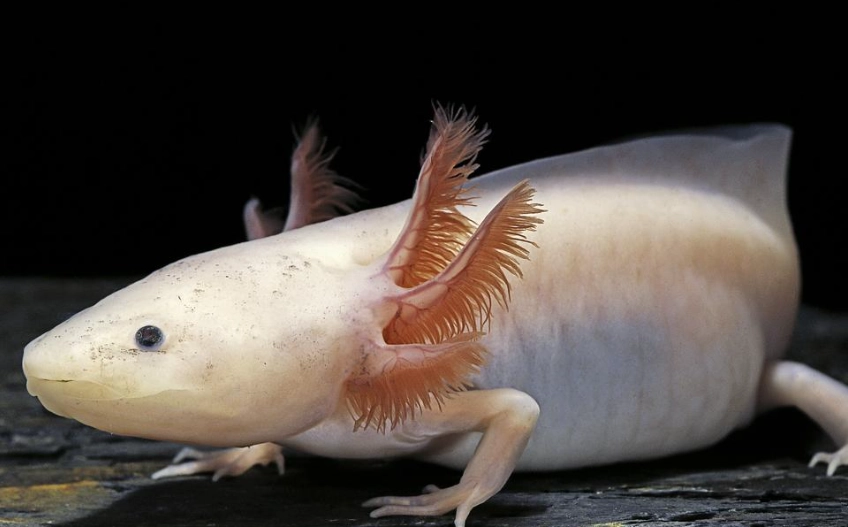
How do I feed my Chinese scrub axolotl?
They're carnivorous bottom-feeders with a surprisingly strong bite. Variety is key to nutrition.
Staple Diet: Earthworms (nightcrawlers) are the perfect food. They're nutritious, easy to digest, and encourage natural hunting. For juveniles, you can chop them. Pellets specifically formulated for axolotls or carnivorous fish are a good secondary staple.
Occasional Treats: Frozen bloodworms, brine shrimp, or small pieces of raw, unseasoned salmon or tilapia. Avoid feeder fish like goldfish—they're fatty and can carry parasites.
Feeding Schedule: Adults (over 18 months) eat 2-3 times per week. Juveniles need daily feeding. A good rule is to offer an amount of food roughly equal to the size of the axolotl's head. Remove any uneaten food after 15 minutes.
A quirky tip: mine often respond better to food wiggled in front of them with long aquarium tweezers rather than just dropped in. It stimulates their prey drive.
Health, Regeneration, and Common Issues
The famed regeneration ability is real. They can regrow limbs, gills, even parts of their heart and brain. But regeneration is a stress response and a huge energy drain. A healthy axolotl shouldn't be losing body parts.
Common Problems:
- Gill Shrinkage/Fungus: Almost always a water quality issue. Improve parameters. Salt baths can treat fungal infections, but correct the root cause first.
- Floating/Bladder Issues: Often caused by swallowing air or constipation. A fridge method (cooling them in dechlorinated water in the fridge at 5°C for a few days) can help reset their system. This is a veteran keeper technique that works surprisingly often.
- Skin Lesions/Red Patches: Bacterial infection, often secondary to stress or injury. Requires pristine water and sometimes antibiotic treatment from an exotics vet.
Find a vet who sees exotics before you have an emergency. Not all vets are familiar with axolotls.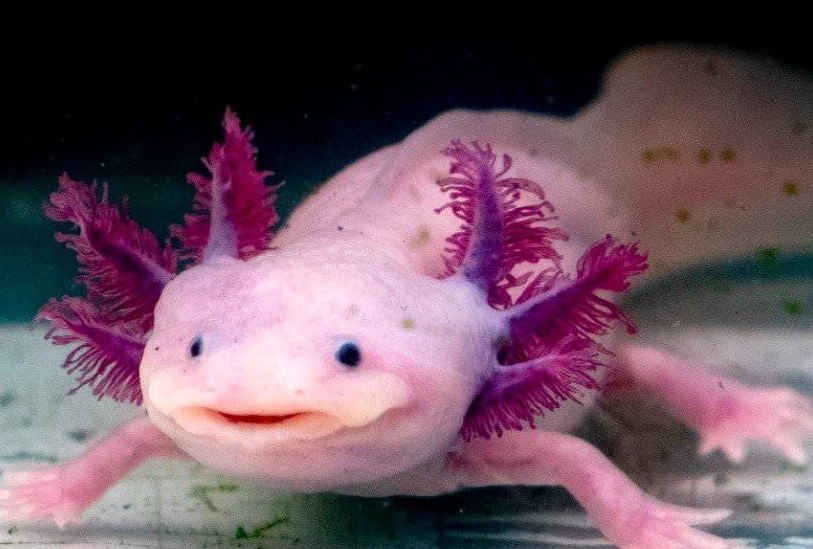
Your Top Questions Answered
Caring for a Chinese scrub axolotl is a deeply rewarding commitment. It's about creating a stable, cold, clean world for a creature that is both incredibly hardy and surprisingly delicate. Focus on the fundamentals—a big, cold, cycled tank with gentle filtration—and you'll be rewarded with years of watching one of nature's most fascinating animals thrive. Do your research, set up the tank right the first time, and always put water quality above all else. Good luck.
Reader Comments