Quick Navigation
- What Exactly Is a Box Turtle, Anyway?
- Building the Perfect Box Turtle Home: Habitat is Everything
- What's on the Menu? The Box Turtle Diet Deep Dive
- Keeping Your Box Turtle Healthy: Spotting Trouble Early
- The Big Questions: Your Box Turtle FAQs Answered
- The Ethical Side: Conservation and Captive Breeding
So, you're thinking about a box turtle. Maybe you saw one slowly crossing a path, or a friend has one, and you were struck by its patterned shell and calm demeanor. Let's be honest, they look like little living jewels. But here's the thing I wish someone had told me years ago: a box turtle turtle is a decades-long commitment, not a casual pet. I've learned this through trial, error, and a few panicked vet visits. This isn't just another generic care sheet. We're going to dig into the nitty-gritty of what makes these creatures tick, from setting up a proper home to understanding their weird and wonderful behaviors. My goal? To give you the real, practical info you need so your box turtle thrives, not just survives.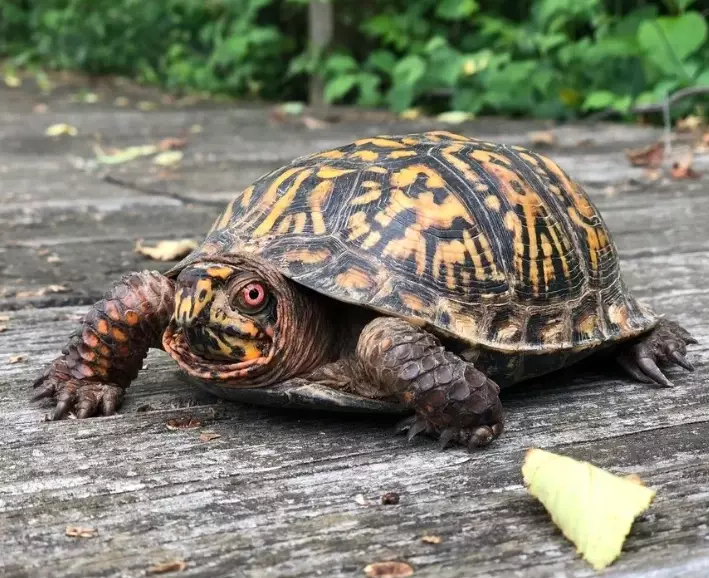
Key Takeaway Right Up Front: The single biggest mistake new owners make is treating a box turtle like a simple, low-maintenance reptile. They have complex needs for space, humidity, diet, and mental stimulation. Getting it right from the start is everything.
What Exactly Is a Box Turtle, Anyway?
First, let's clear up a common point of confusion. "Box turtle" isn't just one thing. It's a common name for several species of terrestrial turtles in the genus Terrapene, native to North America. The "box" part of their name comes from their fantastic hinged plastron (the bottom part of the shell). When they get scared, they can completely close up their shell, like a box, protecting themselves from predators. It's their signature move.
They're not aquatic turtles, though they do need access to fresh water for drinking and soaking. Think of them more as forest or meadow dwellers who enjoy a humid environment. Their lifespan is where the commitment really hits home. A well-cared-for box turtle in captivity can easily live for 30, 40, even 50 years or more. That's potentially a lifelong companion.
I remember picking up my first eastern box turtle, thinking it would be simpler than a dog. I was so wrong, but in the best way. It forced me to learn about microclimates, nutrition, and animal behavior in a whole new light.
Popular Box Turtle Species You Might Encounter
Not all box turtles are the same. Their care can vary slightly based on where they originally evolved. Here’s a quick rundown of the most common ones you'll see in the pet trade or in the wild (though remember, wild collection is often illegal and harmful—always seek captive-bred!).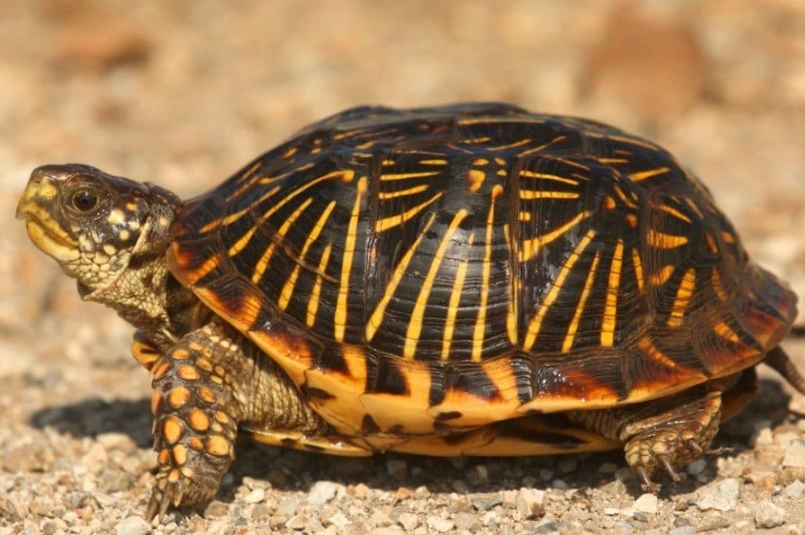
| Common Name | Scientific Name | Key Identifying Features | Native Range | Notes on Care |
|---|---|---|---|---|
| Eastern Box Turtle | Terrapene carolina carolina | Highly domed shell, vibrant orange/yellow markings on dark background. | Eastern US, from Maine to Florida | The most common pet species. Needs higher humidity than some realize. |
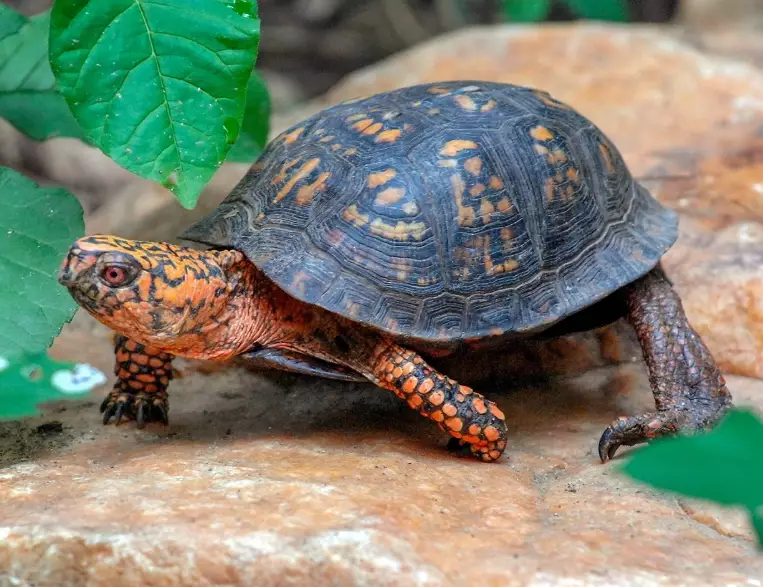
| Three-Toed Box Turtle | Terrapene carolina triunguis | Often more subdued olive/brown coloring, typically has three toes on hind feet. | Central US (Mississippi valley region) | Considered one of the more adaptable and "beginner-friendly" subspecies. |
| Ornate Box Turtle | Terrapene ornata ornata | Flatter shell than Eastern, with radiating yellow lines on a dark background. | Great Plains, from South Dakota to Texas | Prefers drier conditions than Eastern cousins. More insect-focused in diet. |
| Gulf Coast Box Turtle | Terrapene carolina major | Largest subspecies, often with less prominent patterning. | Gulf Coast region (Florida to Louisiana) | Requires very warm, humid conditions year-round. |
See, even among box turtles, there's variety. An ornate box turtle turtle from the plains has different expectations than an eastern box turtle from a deciduous forest. Assuming they all want the same thing is a recipe for problems.
Building the Perfect Box Turtle Home: Habitat is Everything
This is where most guides skim over the details, but it's the absolute foundation of good health. A small aquarium with a heat lamp and a water dish is a prison, not a home. A box turtle needs room to explore, dig, hide, and thermoregulate.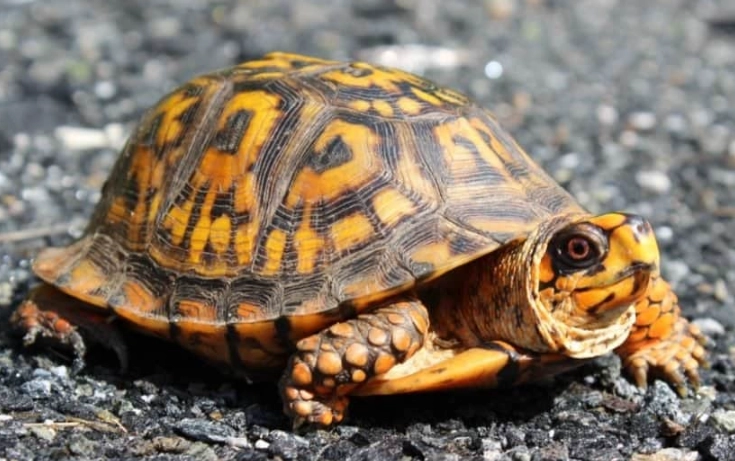
Let's get this out of the way: The classic 40-gallon breeder tank is the bare minimum for a single adult box turtle, and honestly, it's cramped. I started with one and upgraded within a year because my turtle just seemed... bored. If you can go bigger from the start, do it. Think floor space, not gallon capacity.
Indoor Enclosure Essentials (The Vivarium)
For most people, an indoor setup is the reality. You can create a fantastic environment with some planning. The key components aren't optional—they're mandatory.
- Enclosure: A large plastic stock tank (the kind used for watering livestock), a custom-built wooden tortoise table (sealed for moisture!), or a very large commercial reptile terrarium. Aim for at least 4 feet by 2 feet of floor space for one adult.
- Substrate: This is your turtle's flooring. It needs to hold moisture for humidity and allow for digging. My go-to mix is 40% organic topsoil (no fertilizers/pesticides!), 40% coconut coir, and 20% cypress mulch. It's cheap, holds tunnels well, and is safe if ingested a little. Avoid sand, gravel, or pure bark chips.
- Heat & Lighting: This is a two-part system that many get wrong.
- Basking Spot: You need a focused heat lamp at one end to create a basking area of 85-90°F (29-32°C). The other end should be room temperature, around 70-75°F (21-24°C). This gradient lets them choose their comfort.
- UVB Lighting: This is non-negotiable. Box turtles cannot process calcium without UVB light, leading to metabolic bone disease (MBD)—a crippling, fatal condition. You need a high-quality, linear fluorescent UVB tube (like a T5 HO 5.0 or 10.0) spanning most of the enclosure, replaced every 6-12 months as the output decays. A compact coil bulb won't cut it.
- Humidity & Water: Most box turtles need 60-80% humidity. Spray the enclosure daily, and keep a deep layer of moist substrate. Provide a shallow water dish large enough for the turtle to soak its entire body in, but easy to climb in and out of. Change this water daily—they drink it and defecate in it.
- Hides & Enrichment: Multiple hiding spots are crucial for security—cork bark rounds, half-logs, plant pots on their side. Add leaf litter, safe plants (like pothos or spider plants), and flat rocks. They like to investigate.
Setting up the habitat felt overwhelming at first. I spent more on the proper lights and enclosure than I did on the turtle itself. But seeing him actively dig, bask, and explore instead of just hiding made it worth every penny.
The Outdoor Enclosure Dream
If you have a secure yard and live in a suitable climate, an outdoor pen is the best thing you can ever offer a box turtle. Natural sunlight is superior to any bulb, and the space can be much larger.
"An outdoor summer enclosure isn't a luxury; it's a game-changer for a box turtle's physical and mental health. The quality of life difference is visible within weeks."
It must be predator-proof (raccoons, birds, dogs) and escape-proof (they are surprisingly good climbers and diggers). Sink hardware cloth into the ground around the perimeter. Provide shaded areas, plenty of hiding places, a shallow water feature, and a small cold frame or doghouse with substrate for cooler nights. Always monitor the weather—extreme heat or cold means bringing them inside.
I built one a few summers ago, and it transformed my turtle's activity levels. He foraged for real bugs, soaked up real sun, and just seemed more... content.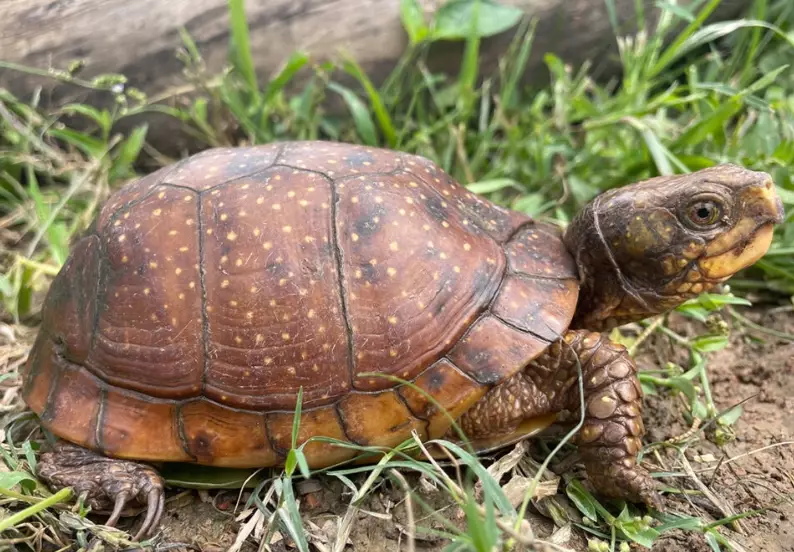
What's on the Menu? The Box Turtle Diet Deep Dive
Feeding a box turtle turtle just lettuce and commercial pellets is a slow path to malnutrition. They are opportunistic omnivores with a varied palate. A good rule of thumb is about 50% plant matter and 50% animal protein for most species, though juveniles need more protein.
My own mistake? I over-relied on mealworms. They're like junk food—high in fat and chitin, low in real nutrition. My vet pointed out my turtle was getting pudgy but not necessarily healthy. Variety is the absolute key.
The Protein Side of Things
Animal protein should be lean and varied. Think of what they'd find crawling in the forest floor.
- Top Picks: Earthworms (nutritional powerhouses!), slugs, snails (from pesticide-free areas), crickets, dubia roaches.
- Occasional Treats: Mealworms, waxworms (very fatty), pinky mice (for large adults only, very rarely).
- Other Sources: Cooked, unseasoned chicken or turkey, low-fat dog food (as a very occasional supplement), hard-boiled egg.
The Plant & Veggie Bounty
Dark, leafy greens should form the base of the vegetable portion. Iceberg lettuce is basically water with no value.
- Greens: Collard greens, mustard greens, dandelion greens (flowers too!), endive, escarole, turnip greens.
- Vegetables: Shredded squash, sweet potato, bell peppers, carrots, mushrooms.
- Fruit (in moderation, as treats): Berries, melon, papaya, mango. Too much fruit can cause digestive upset.
Always dust insects and food with a high-quality calcium supplement (without D3 if using proper UVB, with D3 if not). A multivitamin supplement once or twice a week is also wise.
Keeping Your Box Turtle Healthy: Spotting Trouble Early
A healthy box turtle is alert, has clear bright eyes, a firm shell, and a good appetite. They should be able to move easily without dragging their shell. Health problems often stem from the habitat or diet issues we've already covered.
Common Health Issues to Watch For
- Metabolic Bone Disease (MBD): Soft, rubbery shell, pyramiding of scutes, swollen jaw, lethargy. Caused by lack of UVB and/or calcium. This is an emergency requiring an immediate vet visit and habitat correction.
- Respiratory Infections: Bubbles from nose or mouth, wheezing, lethargy, lack of appetite. Often caused by incorrect temperatures or humidity. Needs antibiotics from a vet.
- Shell Rot: Soft, smelly, discolored patches on the shell, sometimes with pus. A fungal/bacterial infection from unsanitary, chronically wet conditions. Requires veterinary cleaning and topical/oral medication.
- Parasites: Weight loss despite good appetite, abnormal stool. A fecal exam by a vet can identify internal parasites common even in captive-bred animals.
Finding a vet before you have an emergency is crucial.
Not all vets treat reptiles. You need an exotic animal veterinarian with reptile experience. The Association of Reptilian and Amphibian Veterinarians (ARAV) has a great find-a-vet tool on their website. Book a check-up when you first get your turtle to establish a baseline. Trust me, when your turtle is sick at 10 PM, you'll be glad you already know who to call.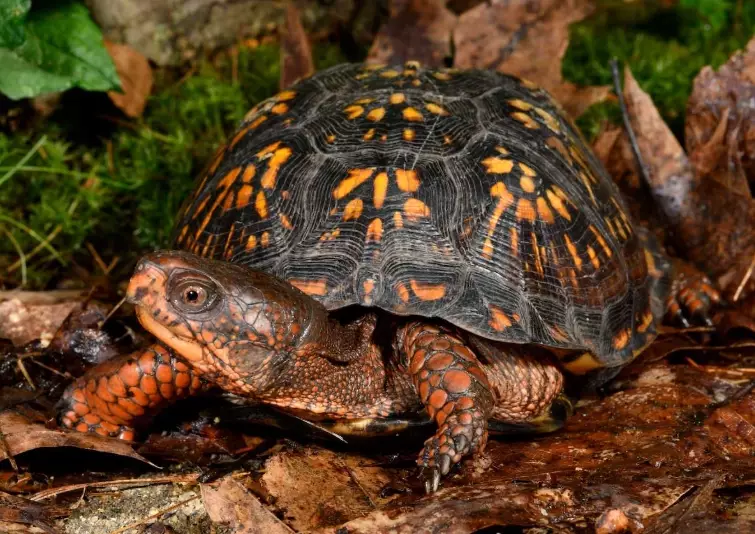
The Big Questions: Your Box Turtle FAQs Answered
Let's tackle some of the specific things people type into Google. These are the real-world questions that keep owners up at night.
The Ethical Side: Conservation and Captive Breeding
This is a topic I feel strongly about. Many box turtle species are in decline in the wild due to habitat loss, road mortality, and the illegal pet trade. The eastern box turtle, for example, is listed as Vulnerable on the IUCN Red List in parts of its range.
"Every wild-caught box turtle sold in a pet shop represents a loss to a struggling wild population and often comes with hidden stress, parasites, and difficulty adapting to captivity."
Always, always seek a captive-bred box turtle turtle from a reputable breeder. They are better acclimated to captivity, healthier, and their purchase doesn't harm wild ecosystems. Check out reptile expos or online breeder networks with good reviews. If you find an injured wild turtle, contact a licensed wildlife rehabilitator—don't assume you can just keep it. The U.S. Fish and Wildlife Service and many state agencies have strict regulations about possessing native wildlife.
Caring for a box turtle is a profound responsibility. It's not about having a cool-looking pet in a tank. It's about stewarding a fascinating, long-lived wild creature and providing an environment that meets all its complex needs. When you get it right, there's nothing like watching your box turtle confidently patrol its domain, dig a perfect burrow, or eagerly chase down a worm. It's a quiet, slow, deeply rewarding hobby. But you have to be in it for the long haul, for the turtle's sake. Do your research, invest in the proper setup from day one, and you'll have a remarkable companion for decades to come.
Got more questions? Your best bet is to connect with experienced keepers on dedicated reptile forums or local herpetological societies. The learning never really stops, and that's part of the fun.
Reader Comments