You're thinking about getting an African fat-tailed gecko, or maybe you just brought one home and the care sheet from the pet store feels... incomplete. I get it. I've kept and bred Hemitheconyx caudicinctus for over a decade, and the internet is full of conflicting, vague, or just plain wrong advice. Let's cut through the noise. This isn't just a list of facts. It's a roadmap based on what actually works, built on years of trial, error, and observing what makes these stocky, gentle geckos thrive.
They're often called the "calmer cousin" of the leopard gecko, and for good reason. But that calmness comes with specific needs, particularly around humidity, that many beginners overlook. Getting those details wrong is the difference between a gecko that survives and one that truly flourishes for its potential 20-year lifespan.
What's Inside This Care Guide?
Getting to Know Your African Fat-Tail
Native to West Africa's dry savannas and rocky outcrops, they experience distinct wet and dry seasons. This is the single most important ecological clue for their care. In captivity, we aim for a stable version of that environment—not too wet, not bone-dry.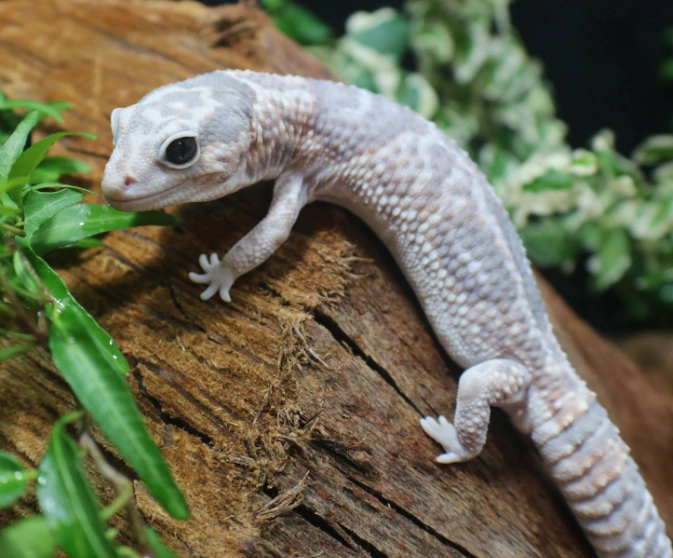
They're nocturnal and terrestrial, spending their days in moist burrows or under rocks. That fat tail isn't just for show; it's a nutrient and fat reservoir. A plump tail is a sign of a healthy gecko. A thin tail is a red flag.
Building the Perfect Enclosure (Habitat Setup)
This is where most mistakes happen. A proper tank isn't just a box with some sand in it. It's a controlled micro-environment.
Tank Size and Type
Forget the 10-gallon tank. A single adult needs a 20-gallon long (30" x 12" x 12") as an absolute minimum. I always push for a 30-gallon breeder (36" x 18" x 12"). The extra floor space is non-negotiable for creating a true thermal gradient. Front-opening enclosures are fantastic for reducing stress during maintenance. Screen tops are fine, but you'll need to cover part of it with plexiglass or foil to maintain humidity.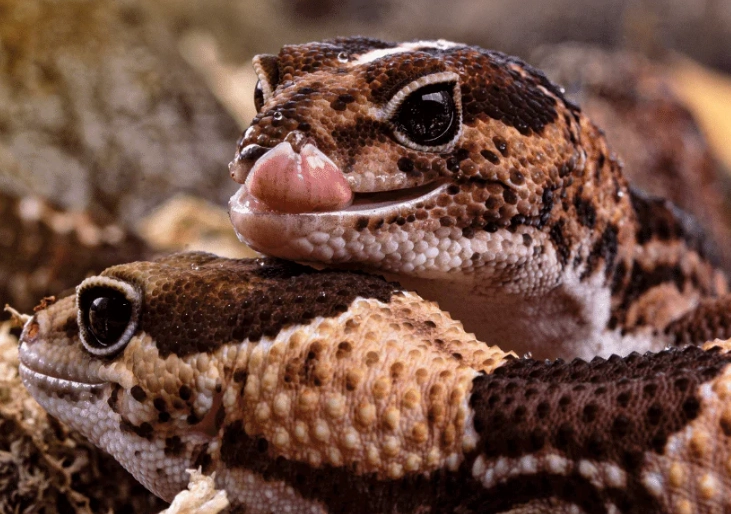
Heating and Lighting: The Subtle Balance
No bright lights. They're nocturnal. Heat should come from an under-tank heater (UTH) or a deep heat projector on a thermostat. The thermostat is not optional. It prevents burns. You need a warm side and a cool side.
| Parameter | Warm Side | Cool Side | Humid Hide |
|---|---|---|---|
| Temperature | 88-90°F (31-32°C) | 75-78°F (24-26°C) | Ambient |
| Humidity | 40-50% | 50-60% | 70-80% |
Measure the floor temperature on the warm side with a digital probe thermometer, not the air temperature. The cool side is where they'll spend most of their time digesting. A low-wattage ceramic heat emitter or deep heat projector can help with ambient temps if your room is cold.
While they don't need UVB like a bearded dragon, emerging research, including papers referenced by the Association of Reptilian and Amphibian Veterinarians, suggests low-level UVB (2-5% output) can benefit their overall metabolism and calcium utilization. It's not a strict requirement with proper supplementation, but it's a best practice I've adopted.
Substrate, Hides, and Decor
My go-to substrate mix is 70% organic topsoil (no fertilizers) and 30% play sand or reptile-safe clay. It holds burrows and maintains humidity pockets. Paper towel is the safest choice for quarantine or sick geckos.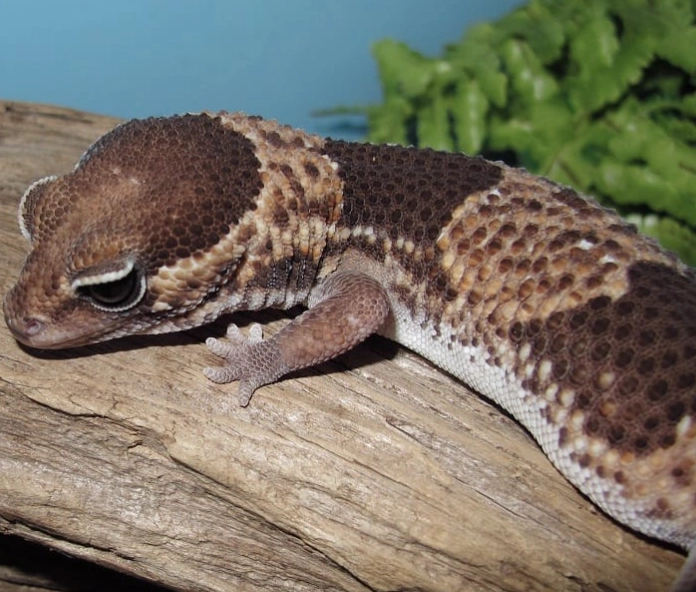
You need at least three hides:
A warm, dry hide on the heated end.
A cool, dry hide on the unheated end.
A humid hide stuffed with damp sphagnum moss or paper towels, placed in the middle or on the cool side. This is essential for clean sheds. My first AFT had chronic shed issues on its toes until I stopped misting the whole tank and just kept a perfect humid hide.
Add clutter: fake plants, cork flats, half logs. It makes them feel secure. A shallow water dish completes the setup.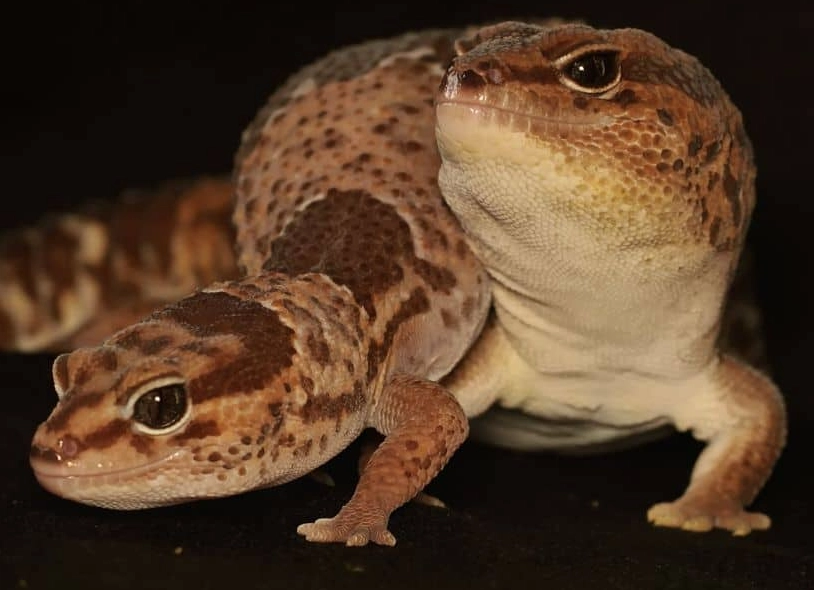
Feeding and Nutrition: More Than Just Crickets
They are insectivores. Variety is the cornerstone of health.
Staple Feeders: Crickets, dubia roaches, discoid roaches. Black soldier fly larvae (nutrigrubs) are excellent for calcium.
Treat Feeders: Mealworms, waxworms (very sparingly, they're like candy).
Gut-load your insects with nutritious veggies (carrots, sweet potato, leafy greens) 24 hours before feeding. This passes nutrients to your gecko.
The Supplementation Schedule That Works
This is the most common point of failure. Dusting "with calcium" is not enough. You need two supplements:
1. A pure calcium powder (without D3). This should be available in a tiny bottle cap in the enclosure at all times. They will self-regulate their intake if they need it.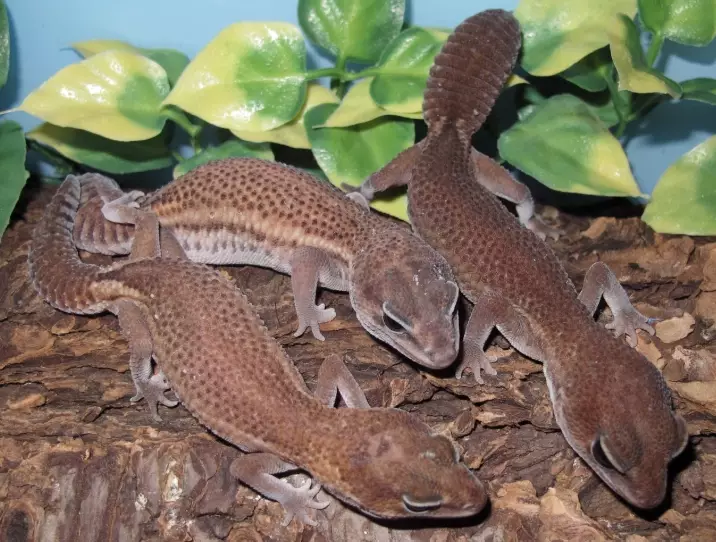
2. A high-quality calcium powder with D3 and multivitamins.
Here's a simple weekly schedule for an adult: Feed every 2-3 days.
- Monday Feed: Dust insects lightly with the Calcium + D3 + Multivitamin powder.
- Thursday Feed: Dust insects lightly with just the Calcium + D3 + Multivitamin powder.
- Sunday Feed: No dusting, or a very light dusting with pure calcium (no D3).
Juveniles should be fed daily with appropriately sized insects, following a similar dusting rotation. Always offer food in the evening.
Spotting and Solving Health Problems
A proactive keeper spots issues early. Here are the big three:
1. Refusal to Eat: Could be stress (new home), incorrect temperatures (too cold = no digestion), illness, or impending shed. Check your temps first. If it lasts more than two weeks for an adult, consult a reptile vet.
2. Shedding Problems (Dysecdysis): Stuck shed, especially on toes and tail tip, is a humidity issue. Don't pull it. Soak the gecko in lukewarm shallow water for 10-15 minutes, then gently rub with a damp q-tip. The humid hide should prevent this 99% of the time.
3. Metabolic Bone Disease (MBD): Soft, rubbery jaw, bowed limbs, tremors. This is caused by incorrect calcium-to-phosphorus ratio and lack of D3. It's entirely preventable with proper supplementation and heating. Once advanced, it's often irreversible. If you see early signs, immediately review your dusting schedule and UVB/heat setup.
Find a reptile-savvy vet before you have an emergency. A resource like the ARAV's Find a Vet tool is invaluable.
Handling and Taming Your Gecko
They can be wonderfully calm pets, but they are not naturally social. You must earn trust.
Step 1: Leave it alone. For the first 1-2 weeks, only interact to change water and feed. Let it acclimate.
Step 2: Presence. Sit by the tank during the evening. Read a book. Let it get used to your shape and scent.
Step 3: Hand in tank. Place your flat hand, palm down, in the tank for a few minutes. No grabbing.
Step 4: Luring. Let it walk onto your hand to get a mealworm. Support its whole body.
Never grab from above (you look like a predator). Always handle over a soft surface like a bed. Keep sessions short (5-10 minutes) and positive. Some will never love it, and that's okay.
Your Top Questions Answered
The joy of keeping African fat-tailed geckos comes from observing their subtle behaviors and providing a slice of West Africa in your home. It's a long-term project. Get the fundamentals right—the spacious tank, the gradient, the humidity, the supplements—and you'll be rewarded with a fascinating, low-drama companion for years to come. Start by nailing the habitat setup. Everything else follows from there.
Reader Comments