Yes, giant leopard geckos are real, but they're not some mythical beast—they're simply larger-than-average variants of the common leopard gecko (Eublepharis macularius). If you've stumbled upon photos online showing massive, foot-long lizards labeled as "giant" leopard geckos, you're probably wondering if it's just clever photography or actual genetics at play. Let's cut to the chase: these oversized reptiles exist, but the term "giant" is often misused, leading to confusion among pet owners and enthusiasts. In the first 100 words here, I'll tell you that while true giant morphs are bred selectively, many so-called giants are just well-fed regular geckos. This article dives deep into what makes a leopard gecko "giant," how to care for them, and debunks the hype you might see on social media.
What You'll Learn in This Guide
Understanding Leopard Geckos: The Basics
Before we get into the giant stuff, let's cover the fundamentals. Leopard geckos are small, ground-dwelling lizards native to arid regions of Afghanistan, Pakistan, and India. They typically grow to about 8 to 10 inches in length, with some individuals reaching up to 11 inches. These reptiles are popular pets due to their docile nature, ease of care, and vibrant color morphs—think of them as the golden retrievers of the lizard world. They're nocturnal, meaning they're active at night, and they have unique features like eyelids (unlike many lizards) and the ability to drop their tails as a defense mechanism.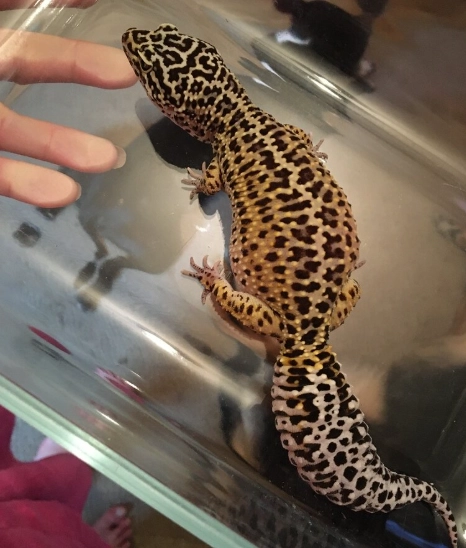
I've kept leopard geckos for over a decade, and one thing I've noticed is that new owners often mistake a chubby gecko for a giant. It's easy to do when you're scrolling through forums filled with exaggerated claims. The reality is, size in leopard geckos is influenced by genetics, diet, and environment. If you're buying from a breeder, ask about the lineage—reputable sources like the Reptile Breeding Association emphasize transparency in morph documentation.
The Giant Leopard Gecko Phenomenon
So, what exactly is a giant leopard gecko? In the reptile community, "giant" refers to specific genetic morphs that have been selectively bred for larger size. These aren't just random big geckos; they're the result of careful breeding programs that target genes associated with growth. The term was popularized by breeders in the early 2000s, and since then, it's become a bit of a buzzword—sometimes overhyped.
Here's a non-consensus point most guides won't tell you: many "giant" leopard geckos sold online are actually just standard geckos that have been overfed or mislabeled. I've seen listings where sellers use angles to make a gecko look huge, but in person, it's barely above average. This isn't to say all giants are fake, but as an experienced keeper, I advise skepticism. True giant morphs, like the Giant and Super Giant lines, can reach 12 inches or more, but they're rarer and more expensive.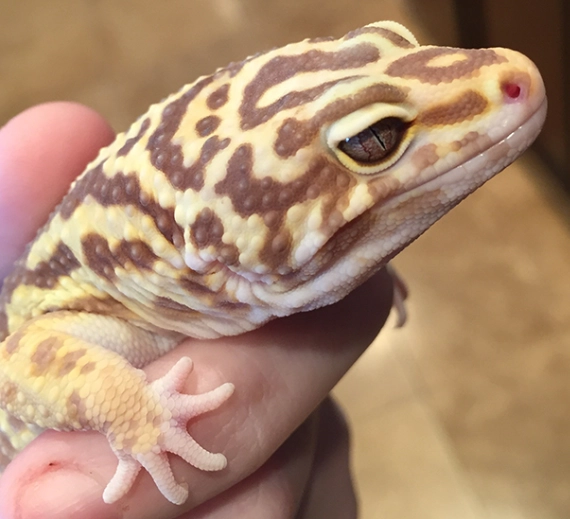
Genetic Morphs vs. Environmental Factors
Size isn't just about genes. A leopard gecko's environment plays a huge role. For instance, a gecko kept in a spacious tank with optimal heating and a protein-rich diet might grow larger than its siblings, even without giant genetics. This is where confusion sets in. I once had a regular leopard gecko that hit 11 inches because I fed it a varied diet of crickets and mealworms, plus occasional waxworms as treats. It wasn't a giant morph, but it outgrew expectations.
To clarify, let's break down the common giant morphs:
- Giant: These geckos are bred from lines that consistently produce larger offspring, often reaching 10-12 inches.
- Super Giant: A step up, with some individuals exceeding 12 inches. They're less common and command higher prices.
- Non-genetic "giants": These are regular geckos that appear large due to overfeeding or poor measurement—a pet peeve of mine in the industry.
If you're looking to buy, always request proof of lineage from the breeder. Organizations like the International Herpetological Society recommend checking for documented breeding records to avoid scams.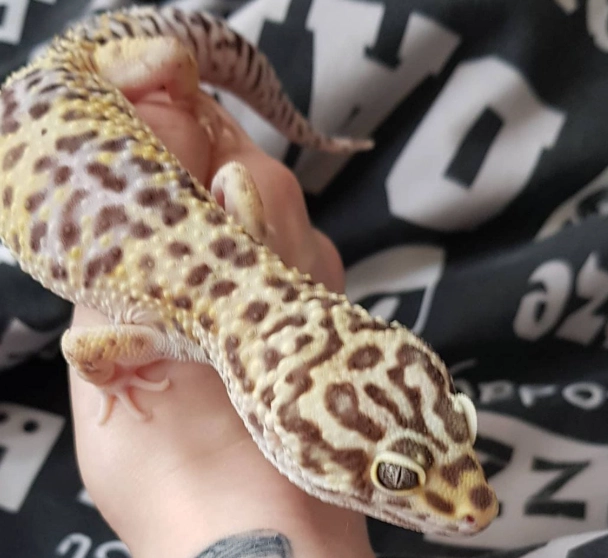
Popular Giant Morphs: A Quick Overview
Not all giant leopard geckos look the same. Color and pattern morphs combine with size genes to create unique varieties. Here's a table summarizing some well-known types—this isn't exhaustive, but it gives you a sense of what's out there.
| Morph Name | Typical Size | Key Features | Average Price Range |
|---|---|---|---|
| Giant Albino | 10-12 inches | Lack of melanin, pinkish eyes, larger body | $150-$300 |
| Super Giant Mack Snow | 12+ inches | Reduced pattern, white base color, robust build | $250-$500 |
| Giant Eclipse | 10-11 inches | Solid black eyes, varied colors, sturdy frame | $200-$400 |
| Non-genetic Large | 9-11 inches | Standard appearance, size from care, not genetics | $50-$100 |
Prices vary based on breeder reputation and location. I've paid around $200 for a genuine Giant Albino from a trusted breeder in California, and it was worth it for the predictable size. But if you're on a budget, a well-cared-for regular gecko can be just as rewarding.
How to Care for a Larger Leopard Gecko
Caring for a giant leopard gecko isn't drastically different from a standard one, but there are nuances. Their larger size means they need more space, food, and attention to health. Let's get into the specifics—this is where many owners slip up, assuming big geckos are just like small ones.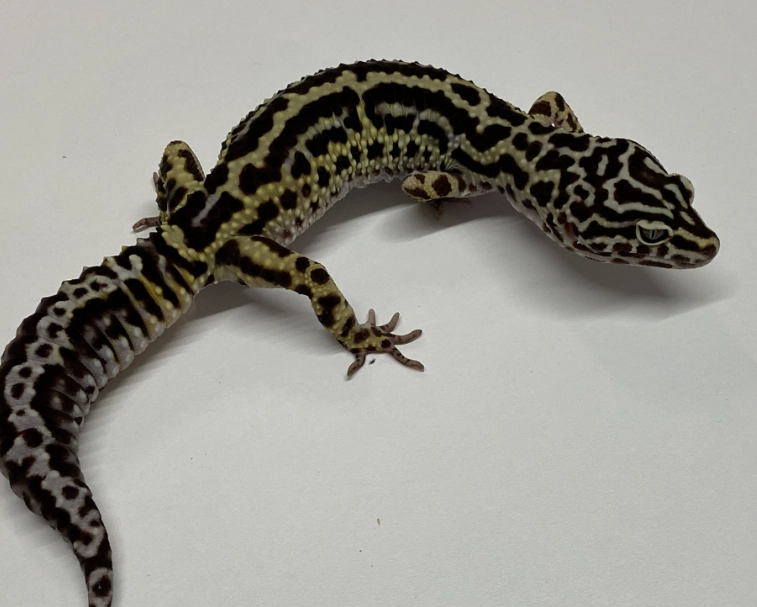
Tank Size and Setup
A common mistake is using a 10-gallon tank for a giant leopard gecko. That's too cramped. For a gecko over 10 inches, I recommend a 20-gallon long tank minimum, preferably 30 gallons if it's a Super Giant. They need room to move, explore, and thermoregulate. Here's a quick setup checklist:
- Substrate: Avoid loose substrates like sand, which can cause impaction. Use reptile carpet, paper towels, or slate tiles.
- Heating: Provide a heat mat under one side of the tank, maintaining a gradient from 88-92°F on the warm side to 75-80°F on the cool side. Giants may need slightly higher basking spots.
- Hides: Include at least two hides—one on the warm side and one on the cool side. Giants appreciate larger hides; I've used plastic containers cut to size.
- LightingLeopard geckos don't require UVB lighting, but a low-level UVB bulb can benefit their overall health, especially for larger individuals who might have higher metabolic needs.
From my experience, giants are more prone to obesity if their tank is too small, leading to lethargy and health issues. I once helped a friend upgrade their gecko's tank from 15 to 30 gallons, and the lizard became noticeably more active within a week.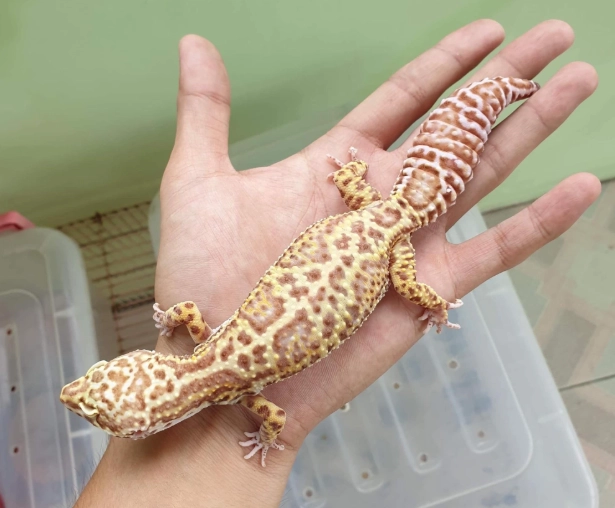
Feeding for Healthy Growth
Diet is critical. Giant leopard geckos have bigger appetites, but overfeeding is a trap. They should be fed every 2-3 days, with a variety of insects. Here's a sample feeding plan based on size:
Pro tip: Don't just dump food in the tank. Hand-feed or use feeding dishes to monitor intake. Giants can become picky eaters if offered the same insects repeatedly.
- For geckos 10-11 inches: Offer 5-7 medium crickets or dubia roaches per feeding, dusted with calcium powder.
- For geckos 12+ inches: Increase to 8-10 insects, but watch for weight gain. Supplement with occasional waxworms or hornworms as treats—no more than once a week.
Hydration matters too. Always provide a shallow water dish, cleaned daily. I've seen giants drink more frequently, possibly due to their larger mass.
Debunking Myths: What's Real and What's Not
The internet is full of myths about giant leopard geckos. Let's tackle a few head-on, based on my observations and expert sources like herpetology journals.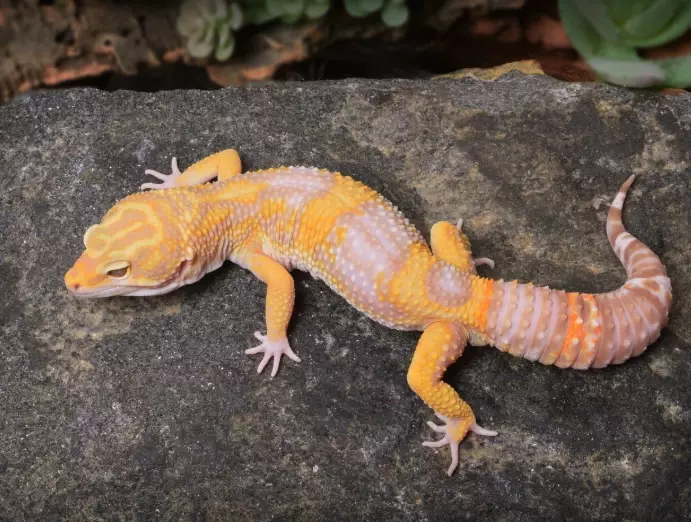
Myth 1: Giant leopard geckos are a separate species. Truth: They're the same species, Eublepharis macularius, just with size-enhancing genes. Calling them a new species is misleading marketing.
Myth 2: All large leopard geckos are giants. Truth: Size alone doesn't define a giant. Genetics do. A gecko from non-giant parents that grows big is just a large individual, not a true giant morph.
Myth 3: Giants are harder to care for. Truth: Their care is similar, but they may require more vigilant monitoring for joint issues or obesity. I've found them to be just as hardy as standards if kept properly.
Myth 4: Giant leopard geckos live longer. Truth: Lifespan is typically 15-20 years for all leopard geckos, regardless of size. There's no evidence giants live longer; in fact, poor breeding can lead to health problems that shorten life.
One personal gripe: some breeders exaggerate size claims to sell geckos faster. I recall a case where a "giant" gecko sold online turned out to be a standard morph with inflated measurements. Always ask for videos or in-person viewing if possible.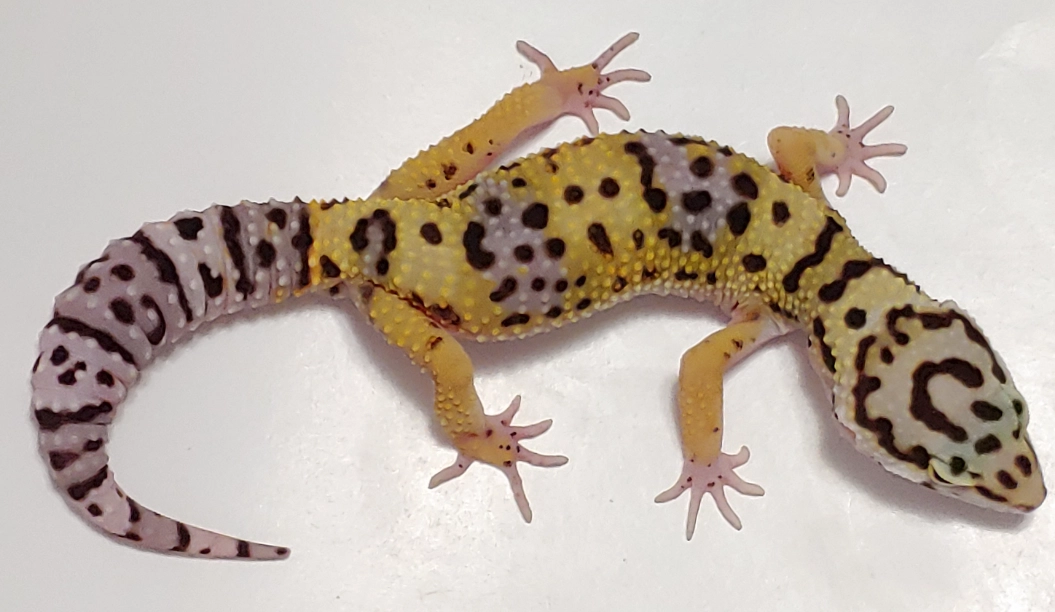
Your Questions Answered: Giant Leopard Gecko FAQ
Wrapping up, giant leopard geckos are real, but they're surrounded by hype. Whether you're a curious newbie or a seasoned keeper, focus on facts over flashy photos. Provide proper care, and any leopard gecko—giant or not—can thrive. If you're still unsure, visit a local reptile store or join online forums to see them in person. Happy herping!
Reader Comments