Quick Navigation
So you've seen a picture online. Maybe on Instagram or a forum. A cute, smiling axolotl, but this one had something extra—a little raised, bumpy ridge running from between its eyes down the back of its head. A crown. And now you're hooked. I get it. The first time I saw one, a beautiful golden albino with that distinct crown, I spent the next three hours down a rabbit hole trying to figure out what it was. Is it a separate species? A special morph? A sign of good health or bad? Let's talk about that.
The truth is, the term "crowned axolotl" isn't some official scientific classification. You won't find it in a biology textbook. It's a descriptive nickname that hobbyists like us use for axolotls that display a pronounced, permanent dorsal ridge. It's not a guarantee of any specific color, though you'll often see it paired with lighter-colored morphs like leucistic or golden albino where it's more visible. My first one was a golden albino, and that crown really popped against its pale yellow skin.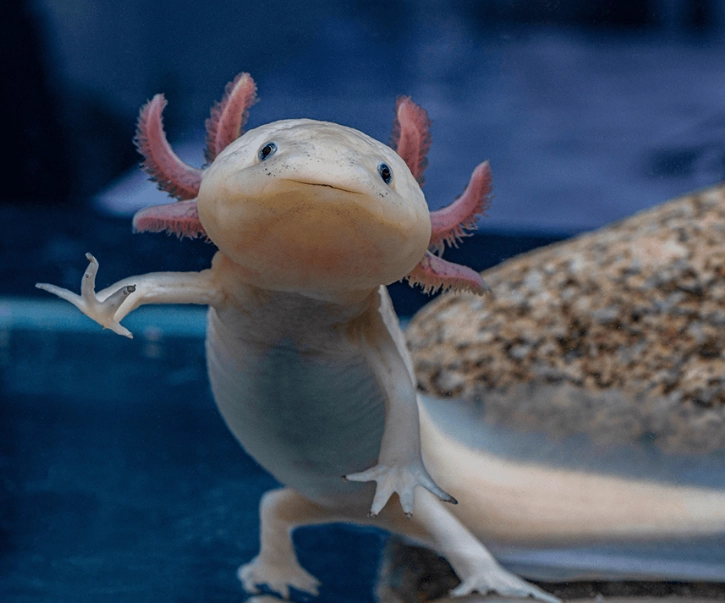
Is a Crowned Axolotl the Right Pet for You?
Let's be real for a second. Axolotls in general aren't the typical "beginner" pet. They're not a goldfish you can plop in a bowl. A crowned axolotl has all the same needs, with the added caveat that you might be paying a premium for that specific look. Before you get lost in the cuteness, ask yourself some hard questions.
Are you ready for a 10-15 year commitment? These guys can live a long time. Are you prepared to deal with a fully aquatic pet that needs cold, clean water, which means investing in a decent-sized tank, a powerful filter, and maybe even a chiller if you live somewhere warm? I made the mistake with my first setup of underestimating the filtration. Let's just say it was a messy, stressful lesson in water chemistry.
If you want a pet you can cuddle and take for walks, look elsewhere. Their charm is in their bizarre, prehistoric appearance and their calm, observational nature. Watching my crowned axolotl slowly patrol its tank, its feathery gills waving, is weirdly meditative. But it's not interactive in a dog-like way.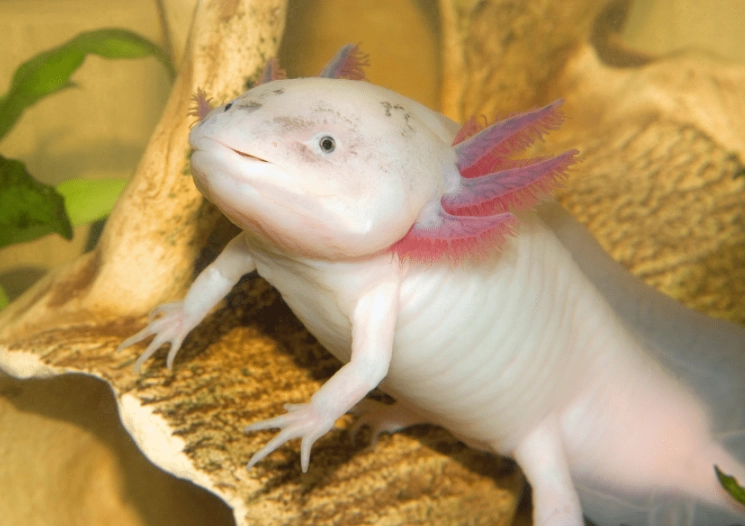
The Real Cost of a Crowned Companion
It's not just the animal itself. The initial setup is where the real cost lies. You're looking at a minimum of a 20-gallon long tank for one adult (bigger is always better), a filter rated for at least double the tank volume (canister filters are king here), substrate (bare bottom or very fine sand ONLY—gravel is a deadly impaction risk), hides, a water test kit (non-negotiable!), water conditioner, and food. For a true crowned axolotl from a reputable breeder focusing on that trait, the animal alone can cost significantly more than a standard wild-type.
Here's a quick breakdown of the bare minimum you're looking at, not including the cost of the axolotl itself:
| Item | Why It's Critical | Estimated Cost (USD) |
|---|---|---|
| 20-29 Gallon Long Tank | Provides essential floor space for walking | $50 - $120 |
| Canister Filter (e.g., rated for 40-70 gal) | Axolotls are messy; needs powerful mechanical & biological filtration | $80 - $200 |
| API Freshwater Master Test Kit | To monitor deadly ammonia, nitrite, and nitrate | $35 - $45 |
| Fine Sand or Bare Bottom | Prevents impaction; safe for their delicate belly | $10 - $30 |
| Hides & Decor (no sharp edges) | Reduces stress; gives them security | $20 - $50 |
| Water Chiller (climate-dependent) | Keeps water between 60-68°F (16-20°C) | $200 - $400+ |
See what I mean? It adds up fast. The chiller is the big optional-but-often-necessary expense that catches people off guard. If your room temperature is consistently above 70°F (21°C), you'll need one. Heat stress is a fast killer.
Setting Up the Perfect Palace for Your Crowned Axolotl
Okay, so you've decided to take the plunge. The single most important thing you will do for your new pet's health is cycle the tank before it arrives. This isn't a suggestion. It's the law of axolotl ownership. Fishless cycling establishes the beneficial bacteria that convert toxic ammonia (from waste) into nitrite, and then into less toxic nitrate. This process can take 4-8 weeks. No shortcuts.
I used Dr. Tim's Ammonium Chloride and followed the guide on the Axolotl.org website, which is an incredible resource run by dedicated hobbyists and researchers. It felt like it took forever, but putting a sensitive animal like a crowned axolotl into an uncycled tank is a guaranteed trip to heartbreak and vet bills.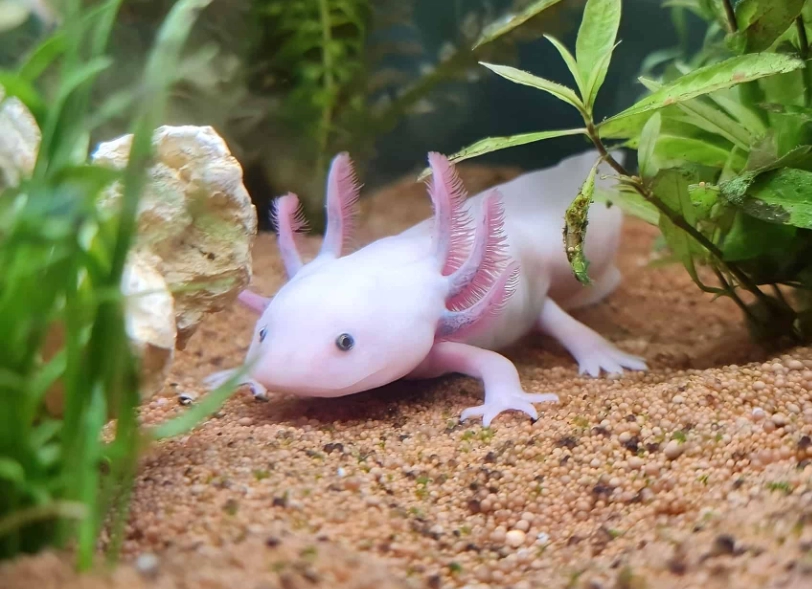
Water Parameters: The Non-Negotiables
Once cycled, you need to keep things stable. Test your water weekly. Here's your bible:
- Temperature: 60-68°F (16-20°C). The cooler end of this range is ideal. I use a simple aquarium fan in the summer to blow across the water surface for evaporation cooling, but my house requires a chiller.
- Ammonia & Nitrite: 0 ppm. Always. Any reading above zero is an emergency partial water change.
- Nitrate: Keep it below 20 ppm. This is managed through weekly partial water changes (about 25-30%).
- pH: A stable pH between 6.5 and 8.0 is fine. Wild swings are the problem.
- Chlorine/Chloramine: MUST be neutralized with a water conditioner like Seachem Prime every single time you add tap water.
Tank Decor: Safety First
Remember, these are clumsy, curious creatures with soft bodies. Anything sharp is a no-go. That gorgeous dragon stone with razor edges? Sand it down meticulously or forget it. PVC pipes, ceramic pots (with holes smoothed), and commercial aquarium hides designed for smooth edges are perfect. Live plants like Java Fern and Anubias are great (they don't need to be planted in substrate) but be prepared for them to be uprooted by a bulldozing axolotl. Mine thinks rearranging his tank is a hobby.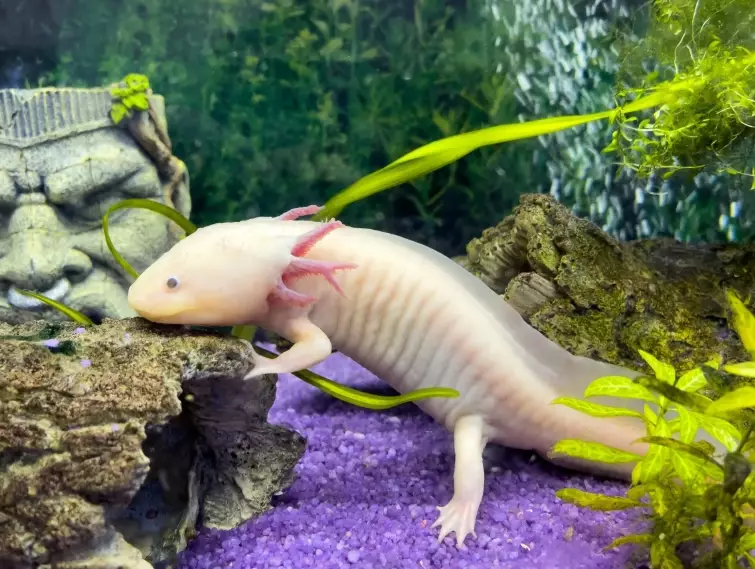
Lighting is another thing.
Axolotls have no eyelids and prefer dim conditions. Bright lights stress them out. Use low-light plants and keep the tank light on for only a few hours a day if you want to view them. They're more active in lower light anyway. I often just use the ambient room light to watch mine.
Feeding Your Crowned Axolotl for Health and Vitality
What you feed directly impacts health, growth, and even the vibrancy of their color and gills. A varied diet is key. The staple for most owners is earthworms (nightcrawlers). They're nutritionally complete. You can buy them at bait shops or breed your own. I cut them into appropriate-sized pieces for my guy.
Other good options include axolotl pellets from reputable brands like Hikari Sinking Carnivore Pellets, and occasional treats of thawed frozen bloodworms or brine shrimp (not as a staple). Avoid feeder fish—they carry disease and can nip at your axolotl's gills. I learned that the hard way years ago with a different amphibian; never again.
How much? A good rule is to feed them as much as they will eat in 15 minutes, every other day for adults. Juveniles need daily feeding. Overfeeding is a common mistake that leads to polluted water and a fat axolotl. A healthy crowned axolotl should have a body width about the same as its head. If it's looking like a little sausage, cut back.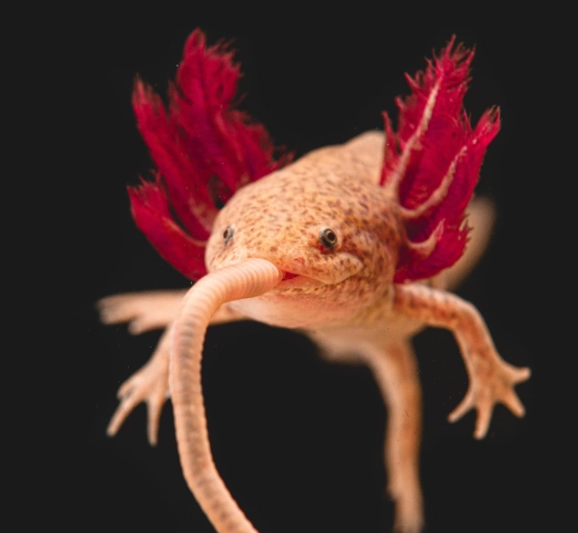
Common Health Issues: What to Watch For
Even with perfect care, things can go wrong. Knowing the signs is half the battle. The crown itself isn't a health issue, but the animal is prone to the same problems as any other axolotl.
- Gill Shrinkage: The most common sign of poor water quality (high nitrates, improper pH) or high temperature. Those fluffy red gills will recede and look stubby. Fix the water, and they usually grow back.
- Fungal Infections: Looks like white, cottony patches on the gills or body. Often follows an injury or stress. Salt baths or tea baths are common first-aid treatments, but research them carefully first. I keep Indian Almond Leaves in my tank as a mild antifungal preventative; they also tint the water a nice tea-color which they seem to like.
- Impaction: From ingesting gravel or large pieces of substrate. The axolotl stops eating, may float oddly, and can't pass waste. This is a severe, often fatal emergency requiring a vet. This is why fine sand or bare bottom is so critical.
- Skin Lesions or Red Spots: Usually a sign of bacterial infection or septicemia, often from poor water quality. Requires veterinary intervention with antibiotics.
Having a vet lined up before you get an axolotl is crucial. Not all exotic vets treat amphibians. Search for one locally and know their contact info. The Association of Reptilian and Amphibian Veterinarians (ARAV) has a find-a-vet tool that can help.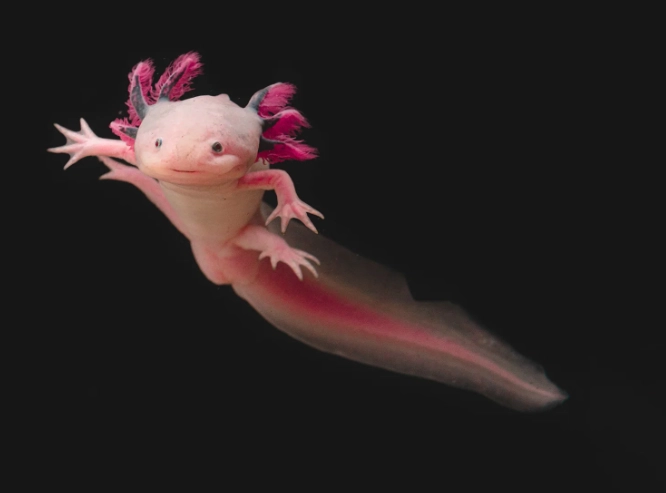
Finding and Choosing Your Crowned Axolotl
This is the exciting part, but don't rush. Avoid pet stores at all costs. They often get axolotls from mass breeders, keep them in poor conditions, and give terrible advice. You want a dedicated breeder.
Look for breeders on axolotl-specific forums, Facebook groups, or sites like MorphMarket. A good breeder will:
- Ask you questions about your setup to ensure you're ready.
- Show you pictures of the parents and the specific animal.
- Guarantee the animal is healthy and eating.
- Ship responsibly (overnight, with proper insulation and cool packs).
When you see pictures, look for clear eyes (unless it's an albino, which will have red/pink eyes), full, fluffy gills, a plump but not bloated body, and smooth, unblemished skin. And of course, look for that distinct crown ridge if that's what you're after. Ask the breeder to confirm it's a permanent dorsal ridge and not just the animal's posture in a photo.
Bringing Your New Pet Home
When it arrives, keep the lights off. Float the sealed bag in the tank for 20-30 minutes to temperature acclimate. Then, open the bag, and gently add small amounts of tank water to the bag every 10 minutes for another 30-60 minutes. Finally, use a soft net to move the axolotl into the tank. Do not pour the bag water into your tank! It's often dirty and can contain shipping medications or waste.
Don't expect it to eat right away. It's stressed. Give it a day or two to settle into its new palace. Just watch and enjoy. Seeing a crowned axolotl explore its new home for the first time is pretty special.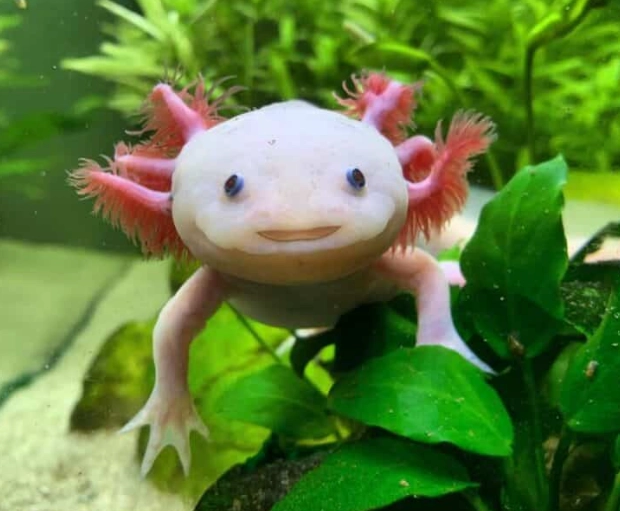
No. It's still Ambystoma mexicanum, the same species as every other pet axolotl. The crown is a physical trait, like hair color in humans.
There's no scientific evidence that a dorsal ridge affects health positively or negatively. A crowned axolotl's lifespan (10-15 years with good care) depends entirely on husbandry, not the presence of a crown.
It's believed to be a heritable trait, but the genetics aren't fully mapped out like color morphs. Breeding two crowned axolotls increases the odds, but it's not a guarantee for every offspring. It's a bit of a roll of the dice.
Yes. Their skin and posture can change slightly. If they are relaxed and stretched out, the ridge might appear more defined. If they are curled up or a bit dehydrated, it might look less obvious. As long as there's no redness, swelling, or fungus on it, it's fine.
Usually, yes. Because it's a sought-after aesthetic trait, breeders who selectively breed for pronounced crowns often charge more than for a standard wild-type or common leucistic without the feature. You're paying for the selective breeding effort.
Final Thoughts: The Joy and Responsibility
Owning a crowned axolotl is a uniquely rewarding experience. They are living pieces of biological wonder, a critically endangered species we have the privilege of caring for in our homes. That crown adds a layer of individual personality that makes yours truly unique.
But it's a responsibility that demands respect for their specific needs. It's about consistent care, vigilance over water quality, and providing a safe, quiet environment. It's not always easy. There will be water changes on days you don't feel like it, and panic moments over a strange spot.
But then there are the good moments.
Watching them snag a worm with a comically quick snap of their head. Seeing them perched on their favorite hide, gills flowing like feathers in the current. The quiet pride of seeing them thrive in an environment you built and maintain. That's the real payoff. If you're ready for the commitment, a crowned axolotl can be an incredible, long-term companion. Just go in with your eyes open, your tank cycled, and your heart ready for a very strange and wonderful little friend.
Reader Comments