So you brought home a crested gecko. Those big, lidless eyes and sticky little toes got you. I get it. I've been keeping and breeding them for over a decade, and I still find them fascinating. But here's the thing nobody tells you at the pet store: a "crested gecko care sheet" is often a gross oversimplification. It's like saying you can raise a child on just cereal and a bed. Technically possible, but not ideal. This guide is different. We're going beyond the basics into the details that actually make the difference between a gecko that merely survives and one that truly thrives.
What You'll Find in This Guide
Getting the Environment Absolutely Right
Think of the enclosure as your gecko's entire world. Get this wrong, and nothing else really matters. The biggest mistake I see? Starting too small. A 12x12x18 inch tank is often marketed as a "starter kit," but it's cramped for an adult. You'll be upgrading in six months.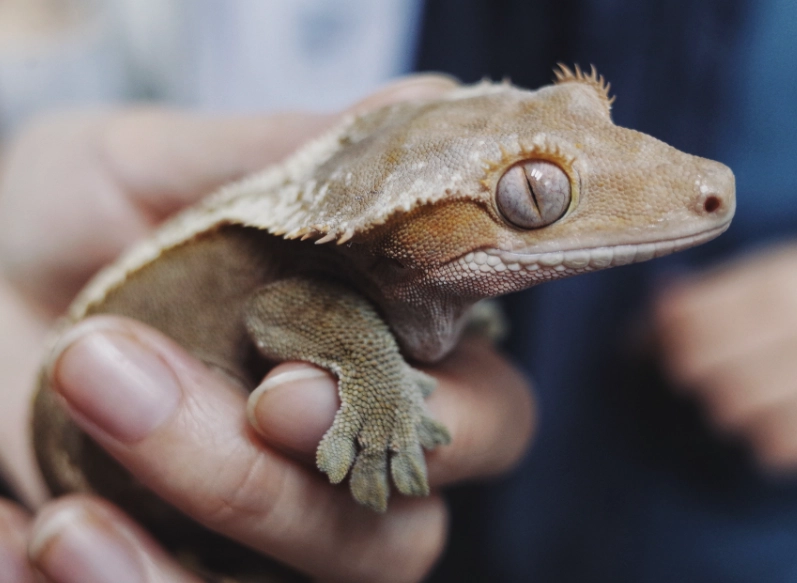
Tank Size and Type: The Vertical Rule
Crested geckos are arboreal. They live in trees. Height is non-negotiable. For a single adult, aim for a minimum of 18x18x24 inches. I personally prefer the 18x18x36 Exo Terra for the extra climbing space. Screen-top glass terrariums are the standard because they allow for cross-ventilation, which is crucial to prevent stagnant, moldy air.
Heating and Lighting: The Delicate Balance
This is where most generic guides fail. Crested geckos do not need a basking spot like a bearded dragon. In fact, too much heat (consistently above 80°F / 27°C) can cause severe stress and even be fatal. Their ideal temperature range is 72-78°F (22-26°C) during the day, with a slight drop at night.
- Heating: Rarely needed if your home is climate-controlled. If your room drops below 68°F (20°C), a low-wattage ceramic heat emitter (CHE) or a deep heat projector on a thermostat is safer than a heat lamp, which can dry out the air.
- Lighting: They don't require UVB to survive, but evidence suggests it's beneficial for long-term health, aiding in calcium metabolism and overall vitality. A low-output UVB bulb like the Arcadia ShadeDweller, running for 10-12 hours a day, is a great addition. It also helps your live plants grow.
Humidity and Substrate: Creating the Rainforest Microclimate
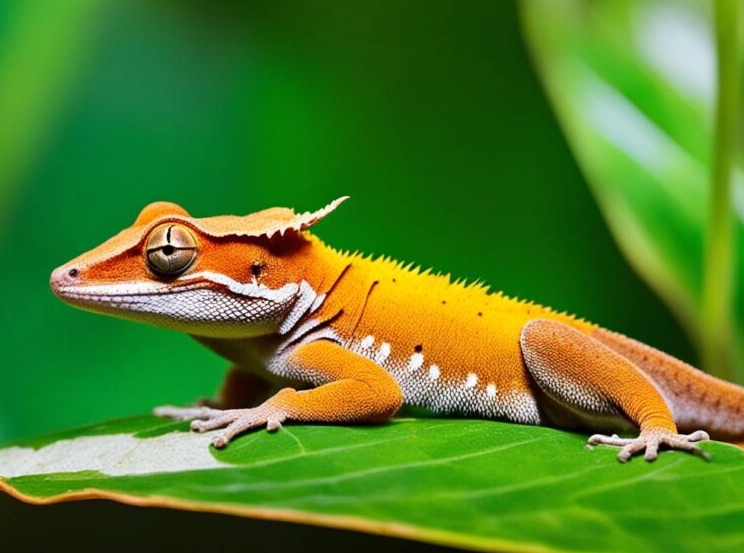
Humidity needs to cycle. It's not about keeping it constantly high. Aim for a spike of 70-80% during evening misting, letting it fall to 50-60% during the day. This mimics their natural New Caledonian environment and prevents respiratory issues.
| Substrate Type | Best For | Considerations |
|---|---|---|
| Paper Towel | Quarantine, sick geckos, hatchlings. | Cheap, sterile, easy to change. Zero aesthetics. |
| Coconut Fiber (Eco Earth) | Most keepers. Holds humidity well. | Can be messy if kicked out. Inexpensive. |
| Bioactive Mix | Advanced, naturalistic setups. | Self-cleaning with cleanup crews (springtails, isopods). Higher startup cost. |
| Bark Chips | Not recommended. | Impaction risk if ingested. Poor humidity retention. |
You must have a digital hygrometer. Those analog dials are notoriously inaccurate. Place it in the middle of the tank, not on the glass.
Furnishing for Fitness and Fun
Empty space is wasted space. Fill the vertical volume with branches (manzanita or ghost wood are great), cork bark tubes for hiding, and plenty of broad-leafed plants—real or artificial. Pothos, snake plants, and bromeliads are hardy live options. The goal is to create a highway of climbable surfaces from the bottom to the top, allowing your gecko to explore and exercise without large, risky jumps.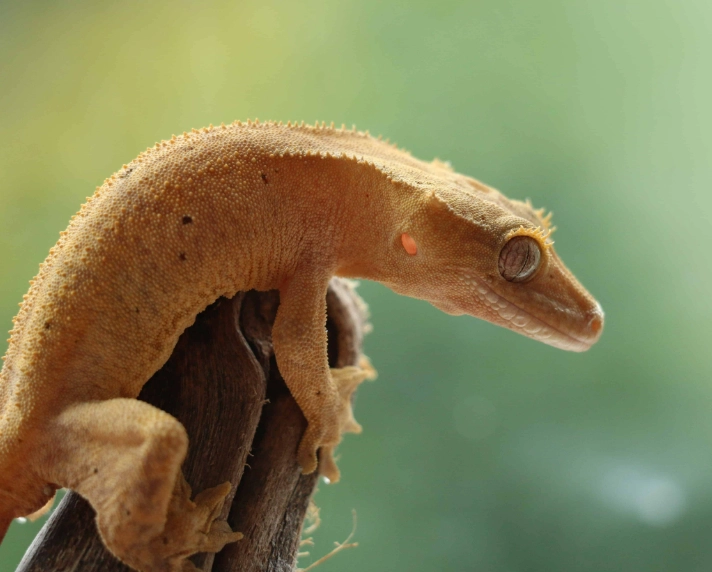
Diet and Nutrition: More Than Just Powder
The commercial powdered diets (like Repashy or Pangea) are a miracle. They're complete nutrition. But treating them as the sole food source is like a human living on meal replacement shakes. It works, but variety is enriching.
Here's my weekly feeding routine for an adult:
- Days 1, 3, 5: A fresh mix of Repashy "Classic" or Pangea "With Insects." I make it the consistency of ketchup.
- Day 7 (Treat Day): A few small, gut-loaded insects. 4-5 small crickets or dubia roaches, dusted lightly with the crested gecko diet powder. This stimulates their hunting instinct. Remove uneaten insects after an hour.
I use bottle caps or small, shallow dishes placed off the ground on a ledge or branch. Clean the dish every time you offer new food. Spoiled, fermented food is a common cause of appetite loss.
What about fruit? Occasional mango or papaya puree (no citrus, ever) is a fun treat, but it's mostly sugar. The commercial diets have better nutrition. I see fruit as the gecko equivalent of ice cream.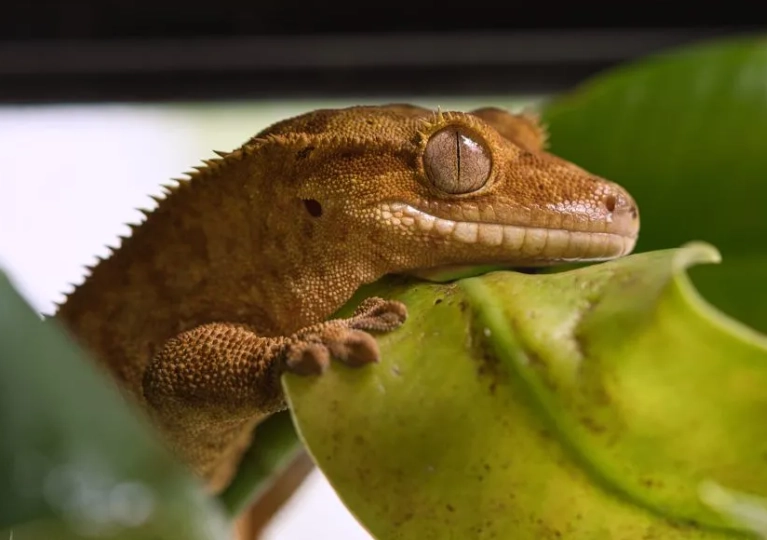
Daily and Weekly Care Routines
Consistency is less stressful for them. Here's what my schedule looks like:
Daily (5 minutes): Check temperatures and humidity on the digital gauges. Glance at the gecko—are they active? Eyes clear? Do a quick spot-check for feces and remove any you see.
Every Evening (10 minutes): This is misting time. I use a hand sprayer with dechlorinated water (I just leave a jug of tap water out for 24 hours). I mist one side of the enclosure heavily until the plants drip and the glass fogs. This triggers their drinking behavior—they'll lick water droplets off leaves and glass, which is how they prefer to drink.
Weekly (20-30 minutes): Replace all food dishes with clean ones. Wipe down the glass with a vinegar-water solution to remove water spots. Check all branches and decor for stability. Do a more thorough substrate spot-clean. For bioactive setups, this is just checking on the clean-up crew and plants.
Monthly (1 hour): Full decor removal and inspection. Deep clean branches and hides with reptile-safe disinfectant. Replace or bake substrate if not bioactive. Weigh your gecko with a small digital gram scale to track growth.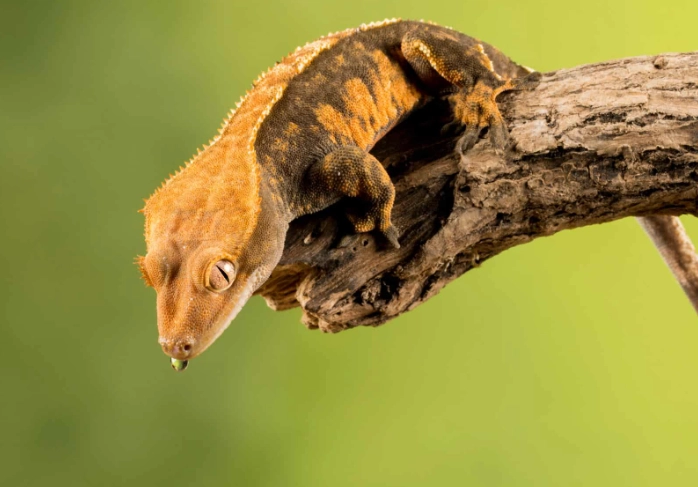
Understanding Their Behavior and Handling
Crested geckos are not cuddly. They are observational pets that can become tolerant of handling. The key is to let them come to you. Never grab them from above—that's a predator move. Scoop them from below or gently encourage them onto your hand.
Start with short, 5-minute sessions a couple of times a week, ideally in the early evening when they're naturally starting to wake up. Handle them over a soft surface like a bed or couch in case they jump. And they will jump. It's what they do. Stay calm, let them walk from hand to hand.
Signs of stress include rapid breathing, freezing, or vocalizing (a quick chirp or bark). If you see this, put them back. Forcing interaction builds negative associations.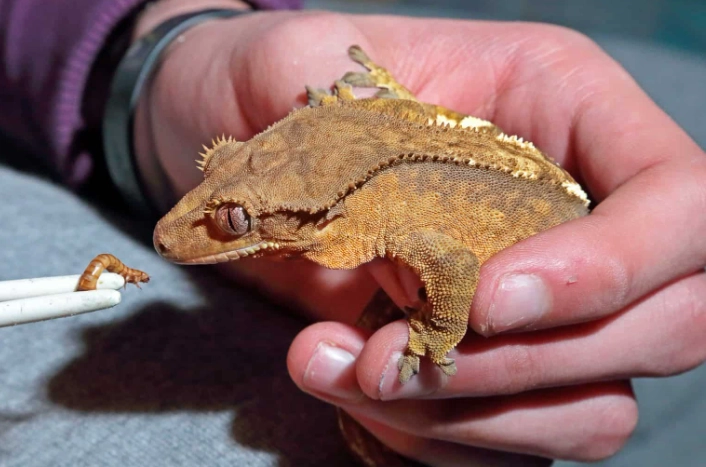
Common Mistakes Even Experienced Keepers Make
After a decade, I've made my share of errors. Here are the subtle ones that don't get enough airtime:
- Over-Misting at Night Without Daytime Dry-Out: Keeping the tank perpetually soggy is a recipe for scale rot and fungal infections. The daily dry-out period is critical.
- Ignoring the "Salad Bar" Effect with Food: Offering the same flavor of powdered diet forever. Crested geckos can get bored. Rotate between brands and flavors (fruit, insect, fig) to encourage hearty eating.
- Using a Heat Mat on the Side of a Glass Tank: This creates a tiny, intense hotspot that doesn't effectively warm the air your gecko actually lives in. It's inefficient and can lead to thermal burns through the glass.
- Assuming a Hiding Gecko is a Happy Gecko: While they are nocturnal, a crested gecko that never comes out at night or is always buried in substrate might be stressed by incorrect temperatures, humidity, or bullying from a tank mate (they should generally be housed alone).
Reader Comments